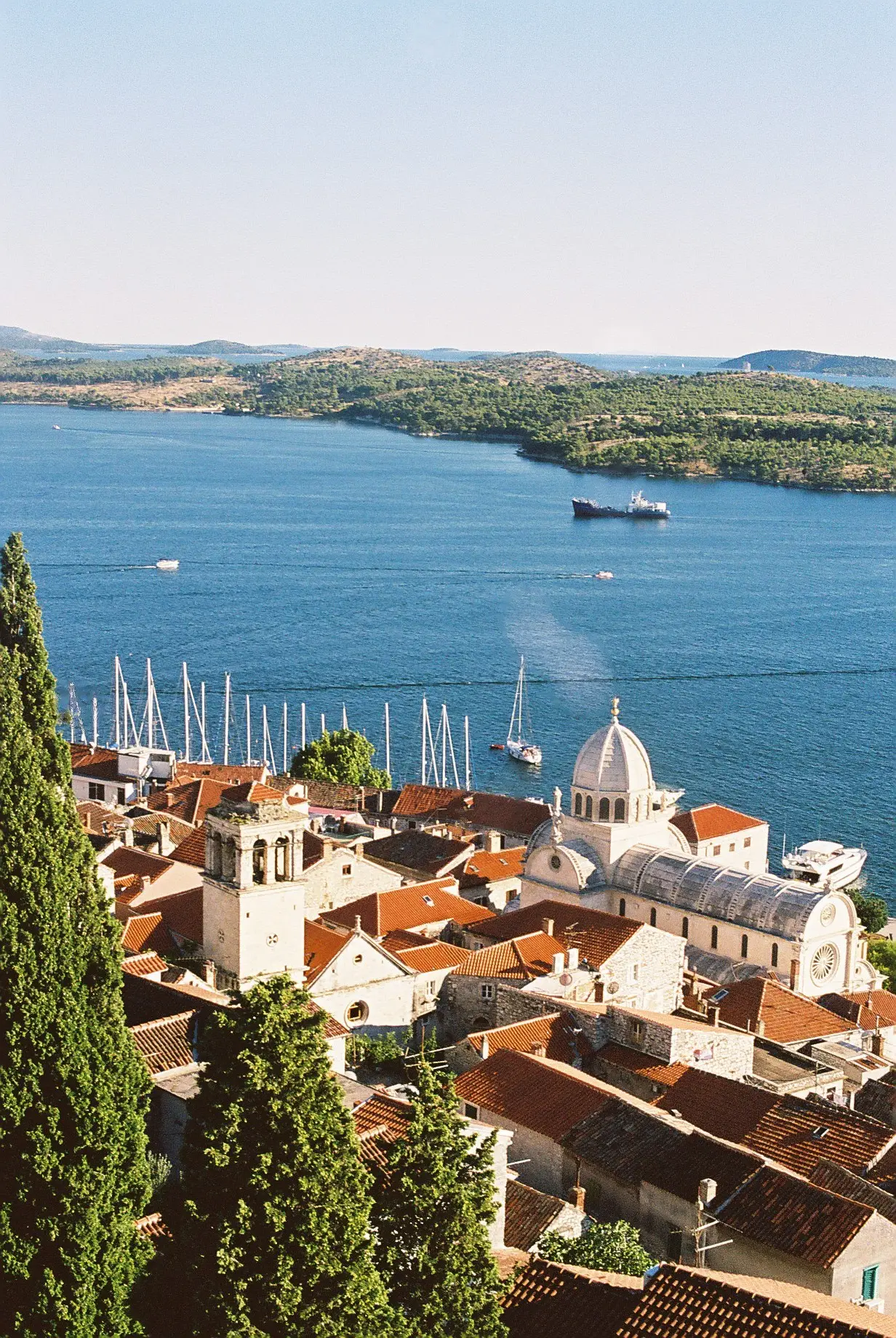
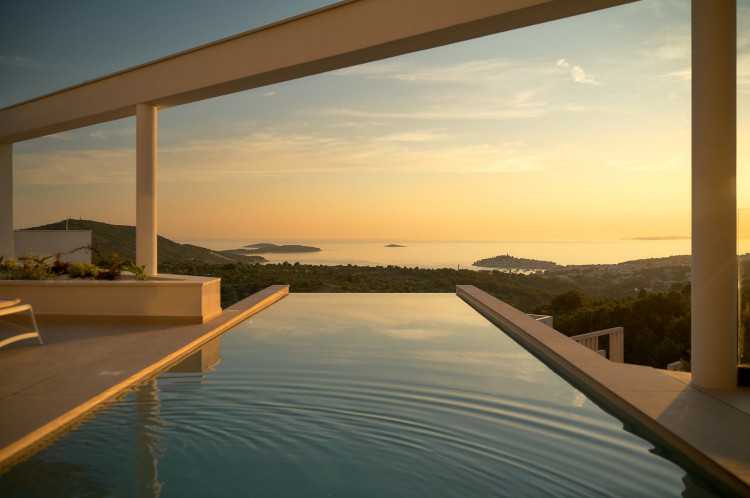
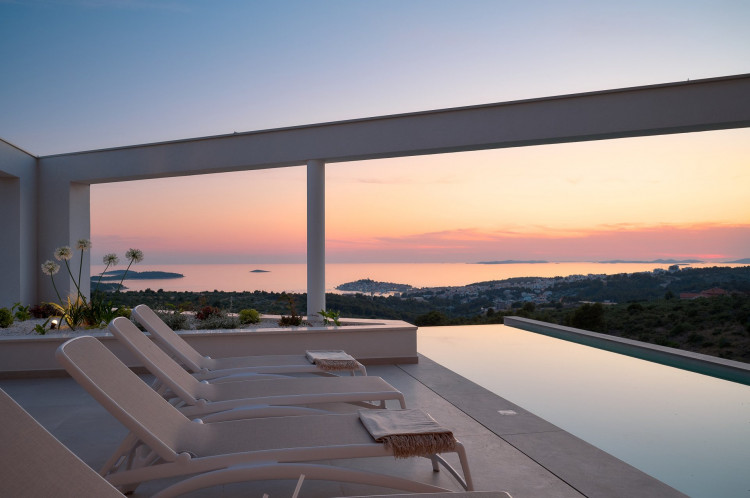
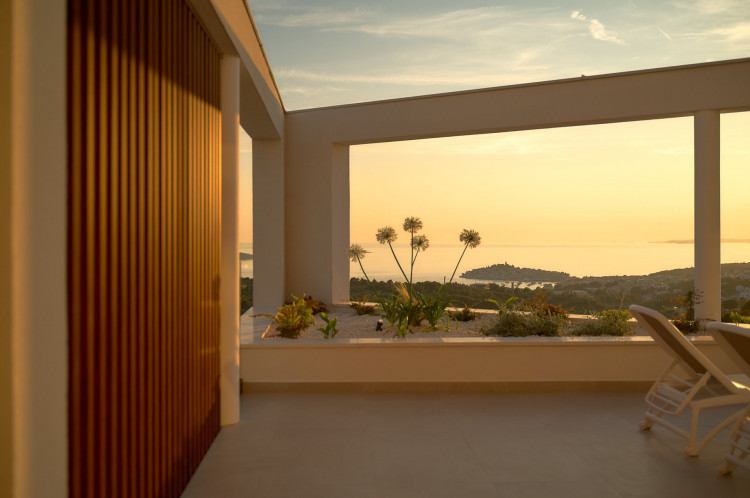
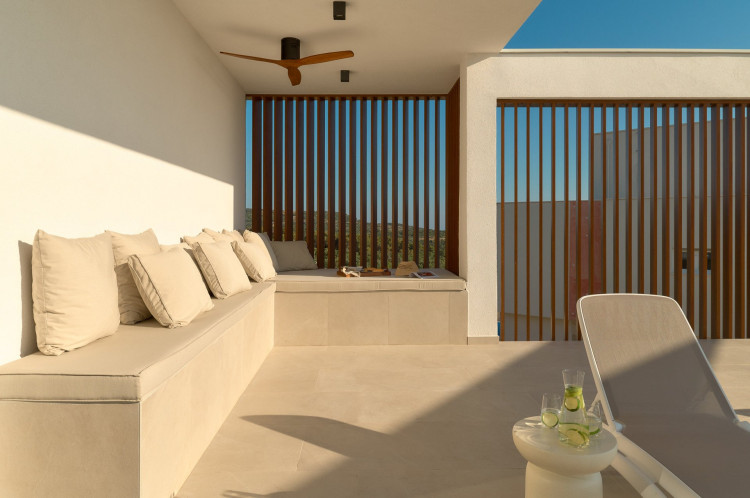
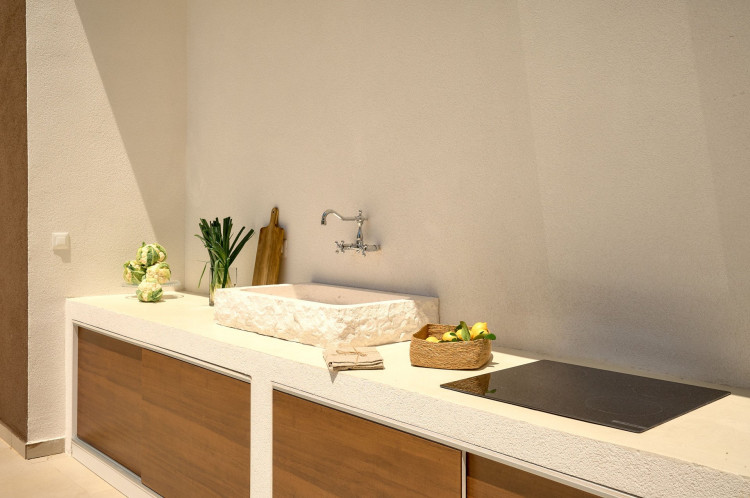

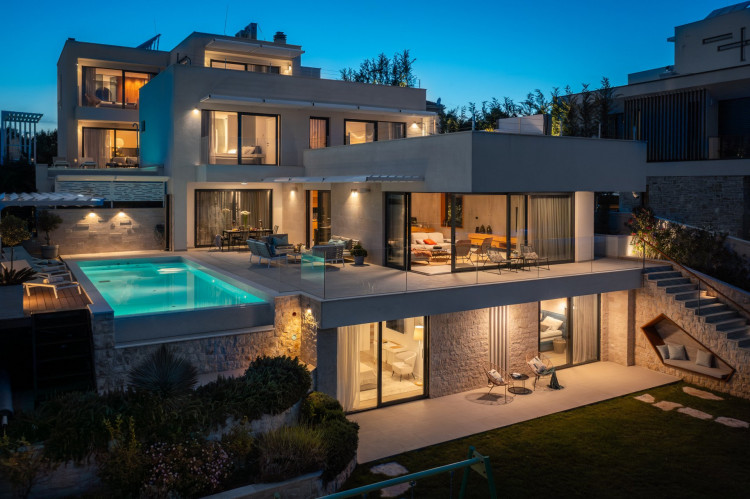



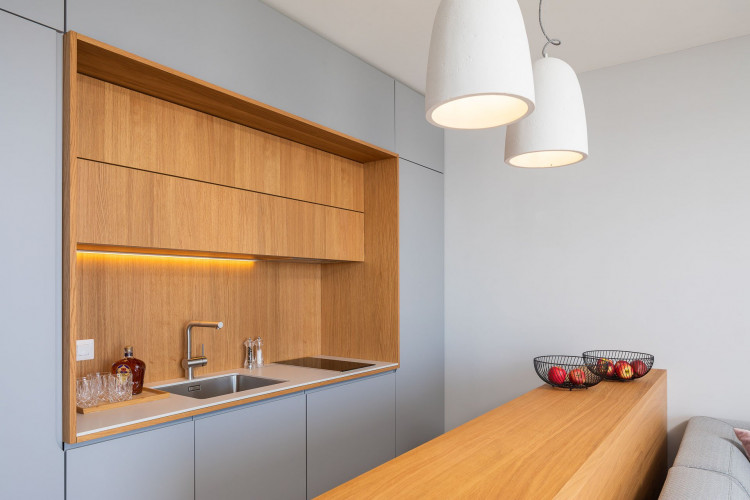


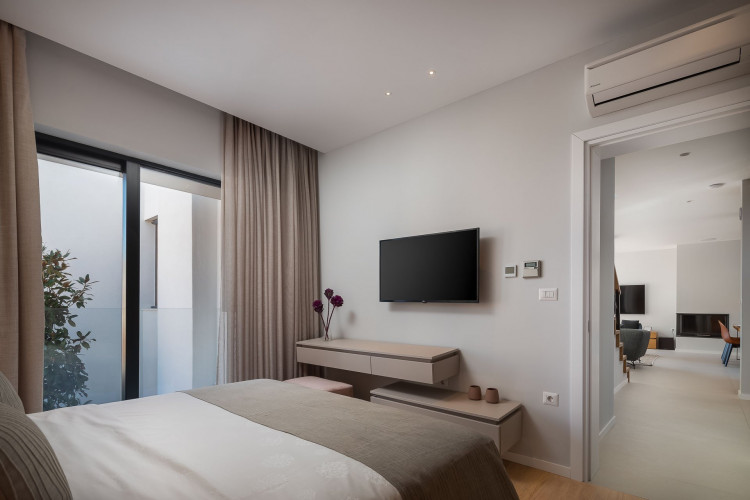
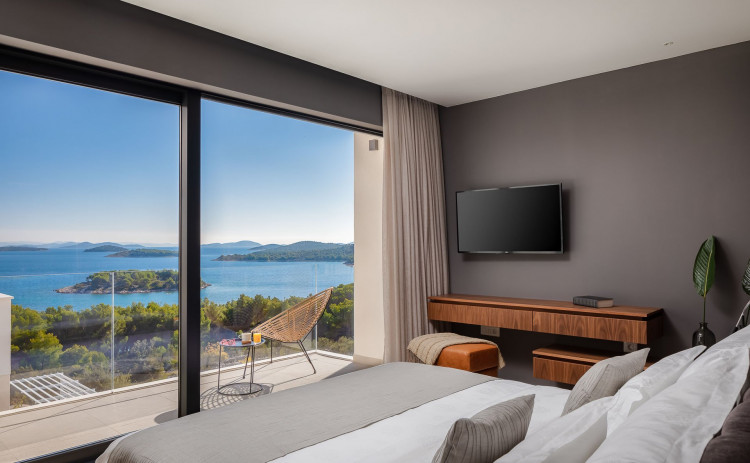
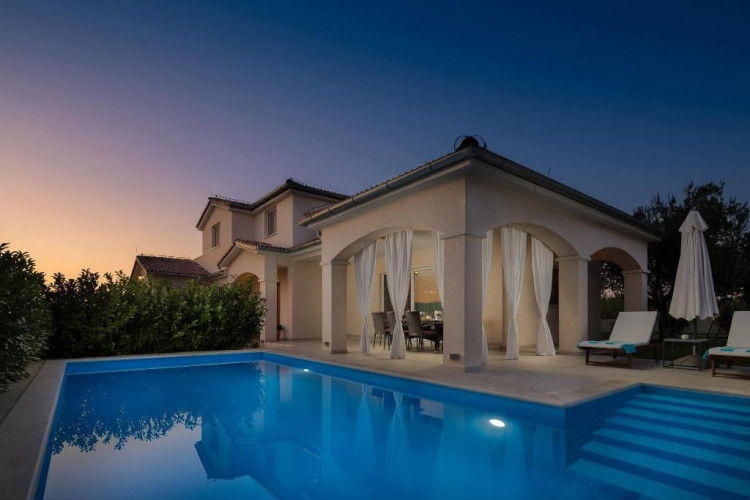
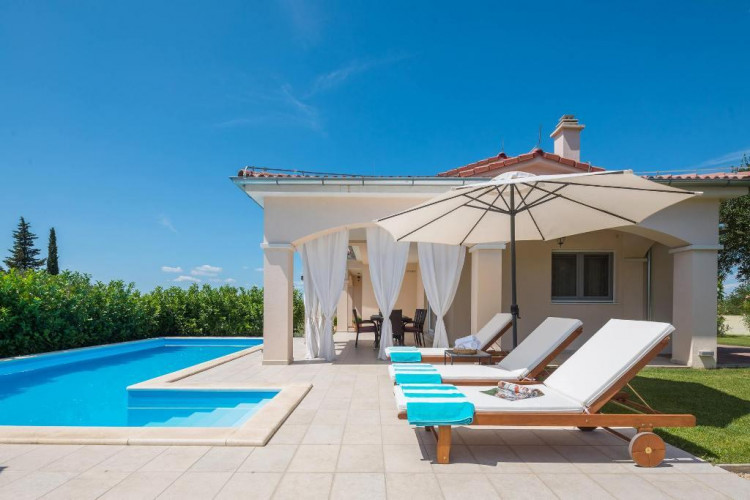
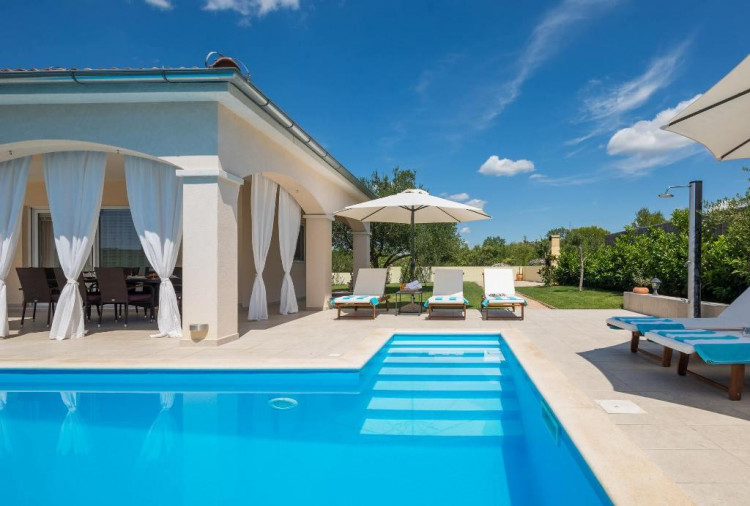
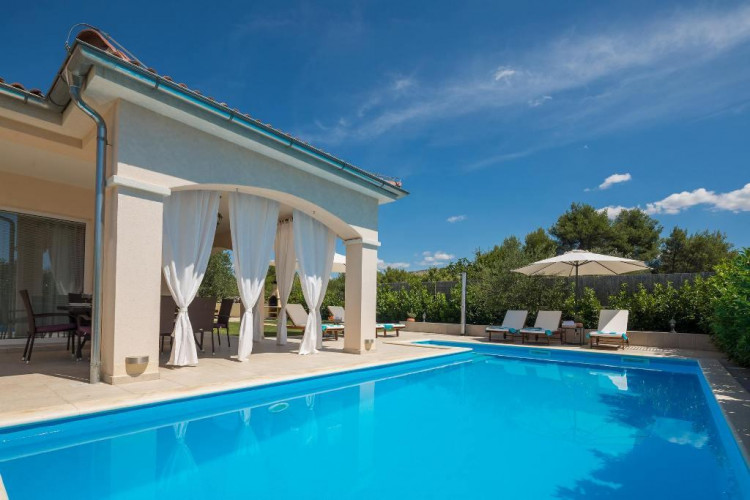
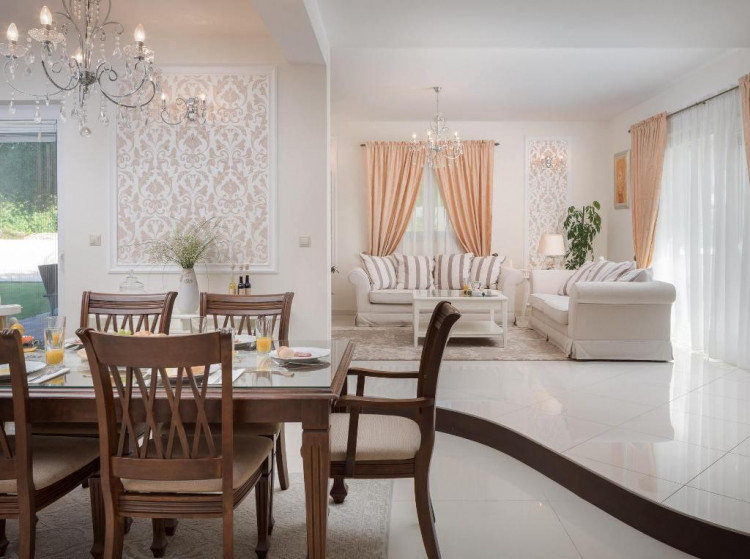
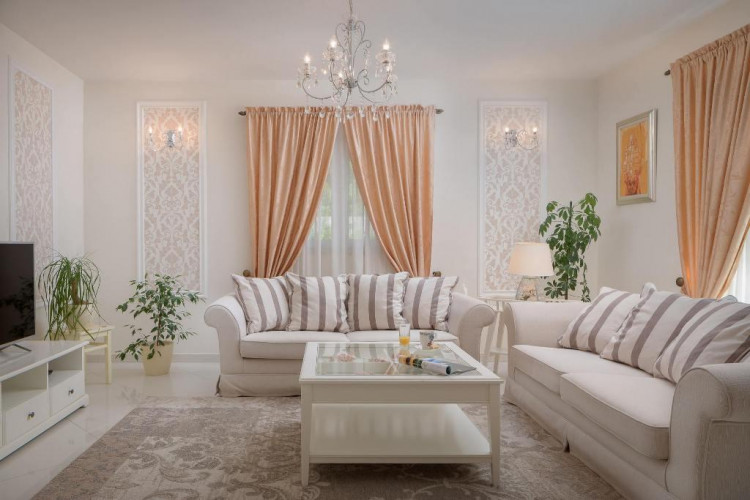
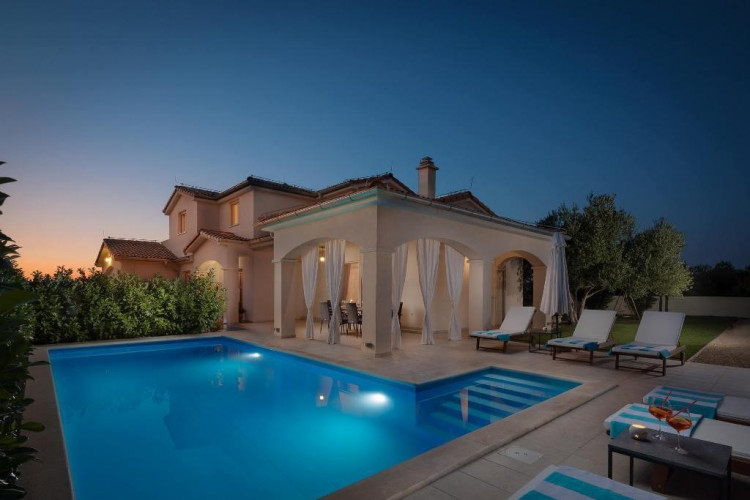
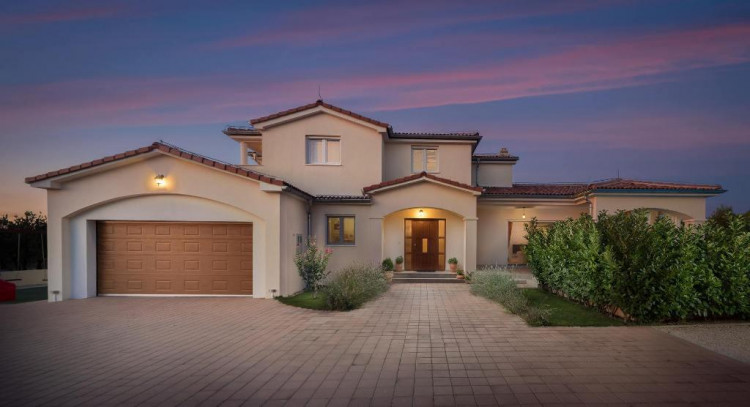
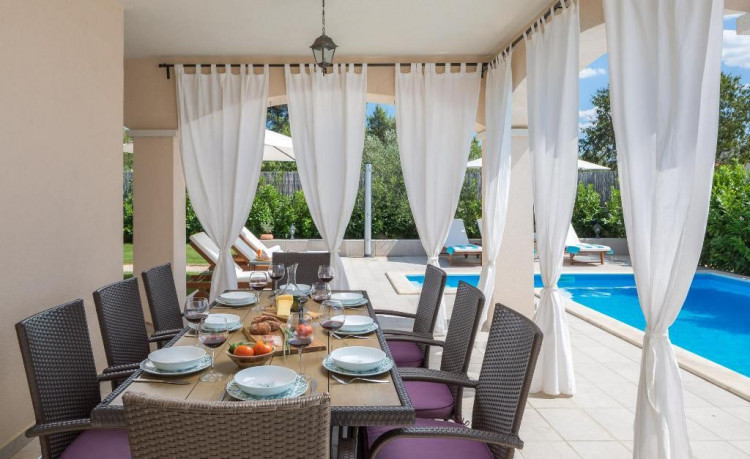
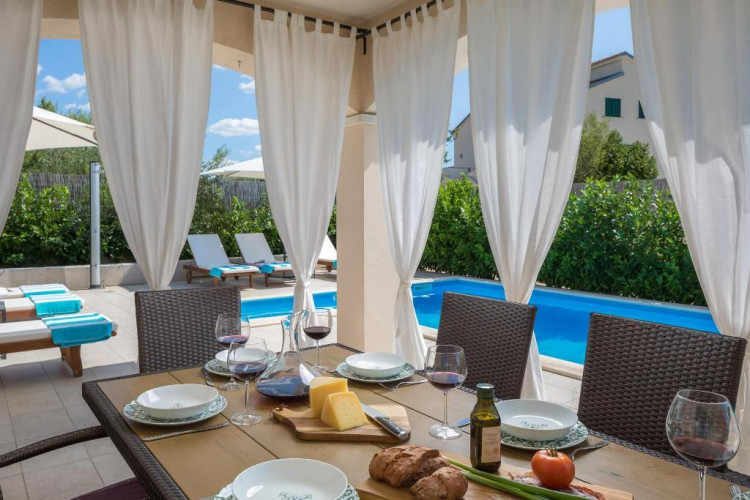
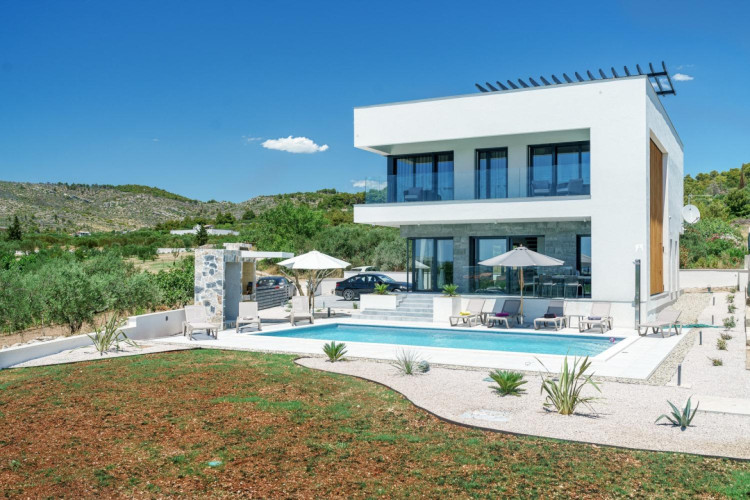
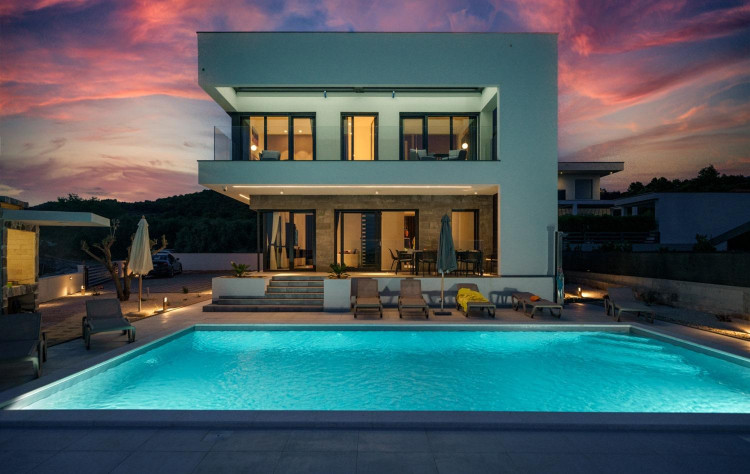
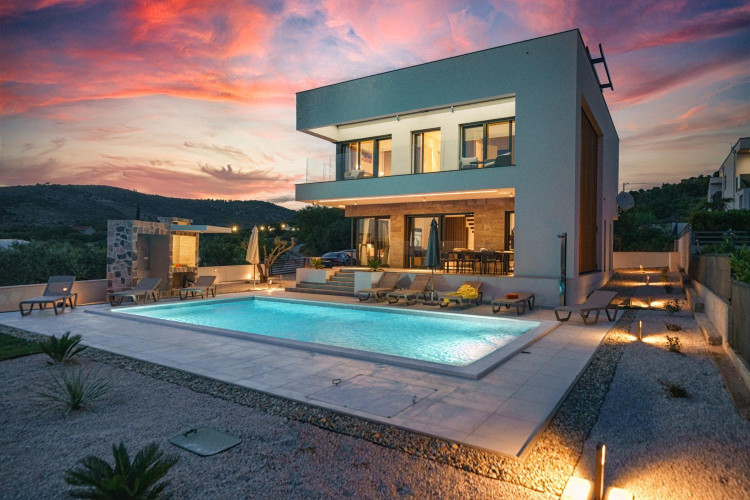
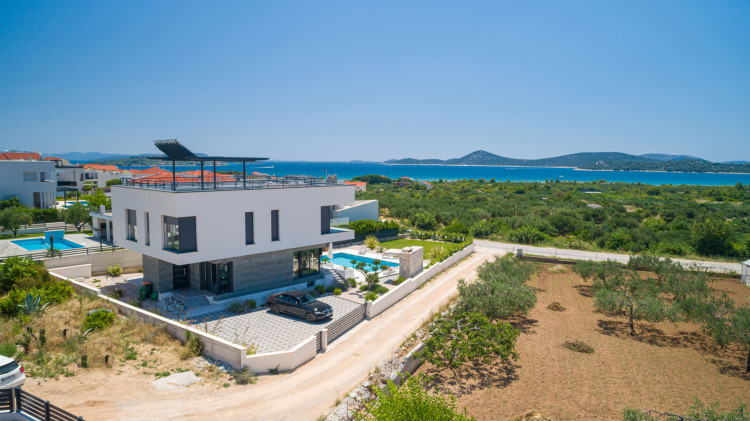
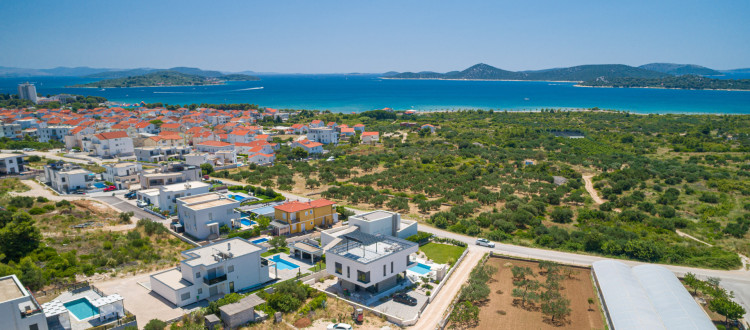
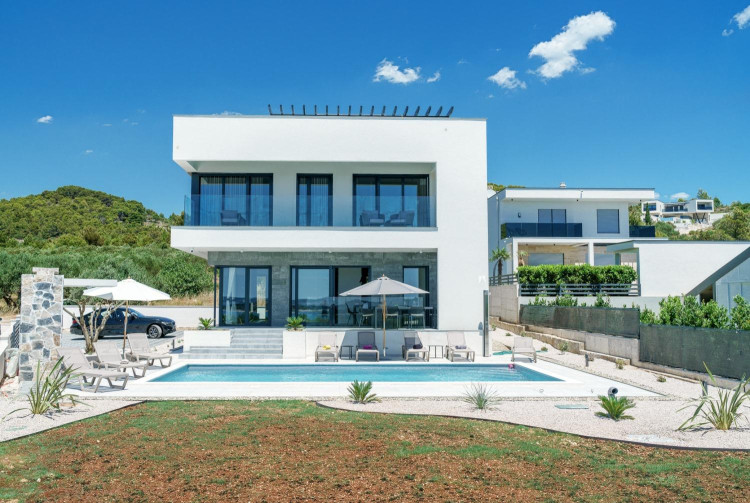
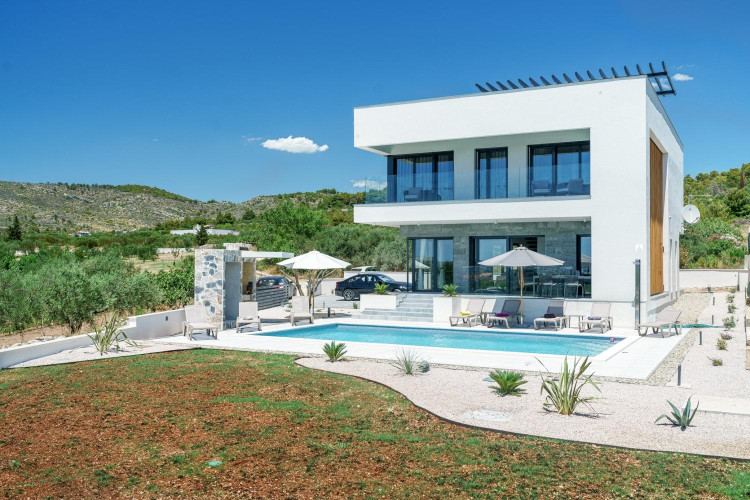
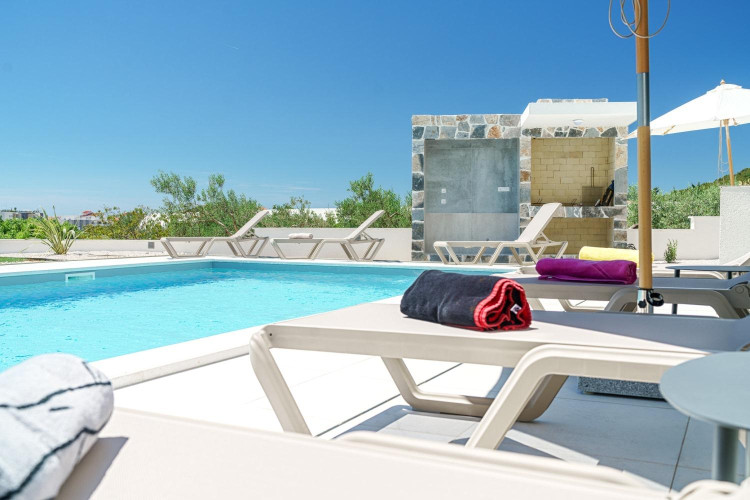
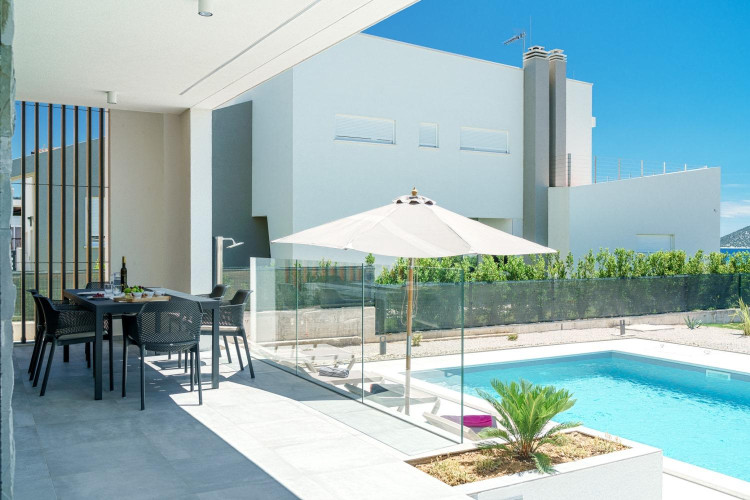
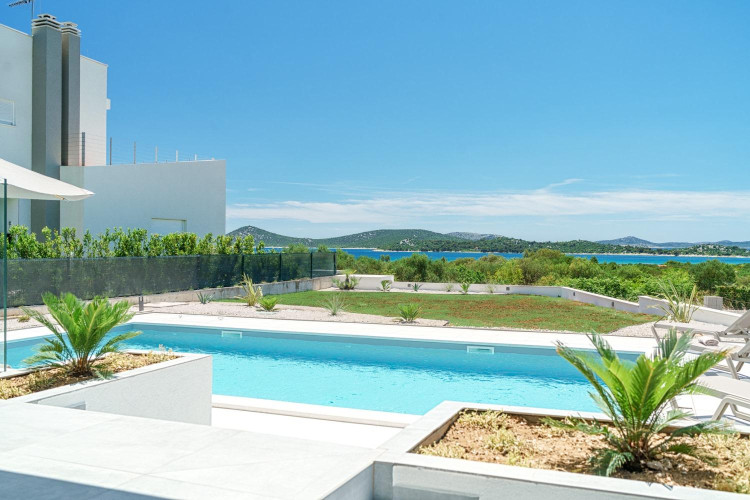
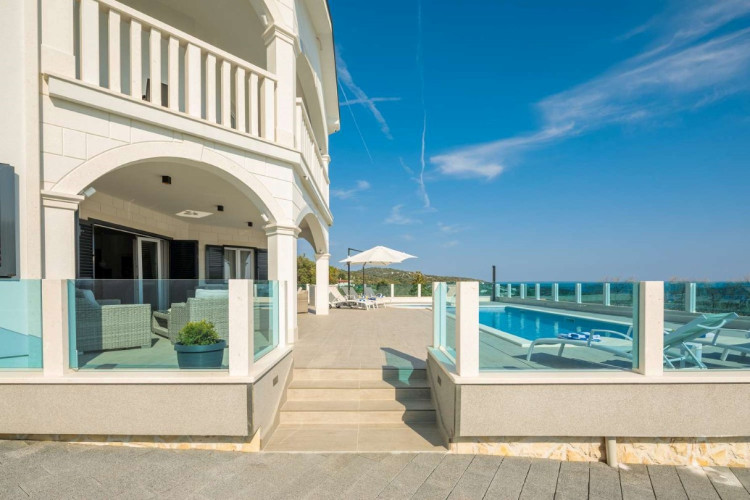
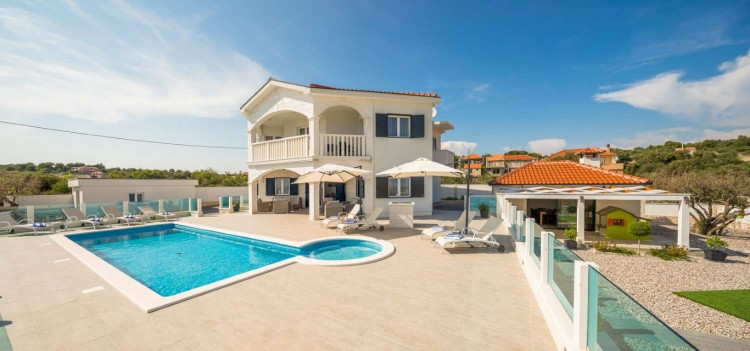
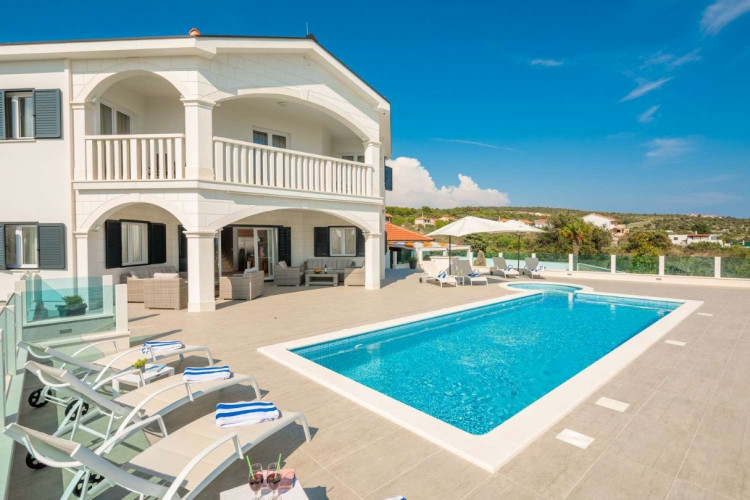
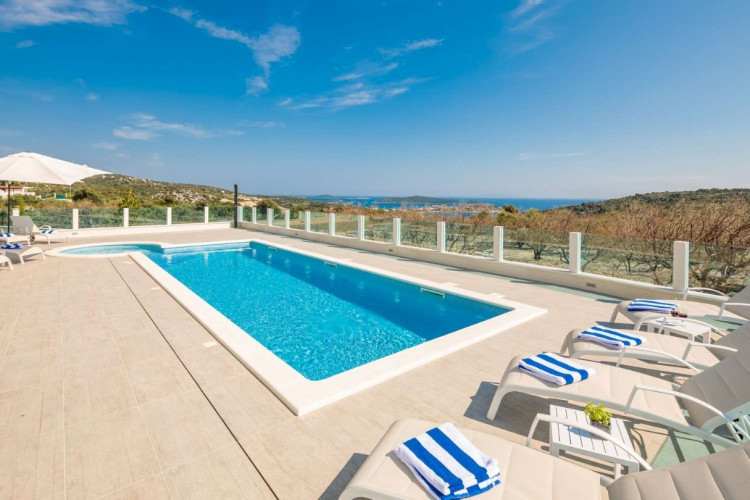
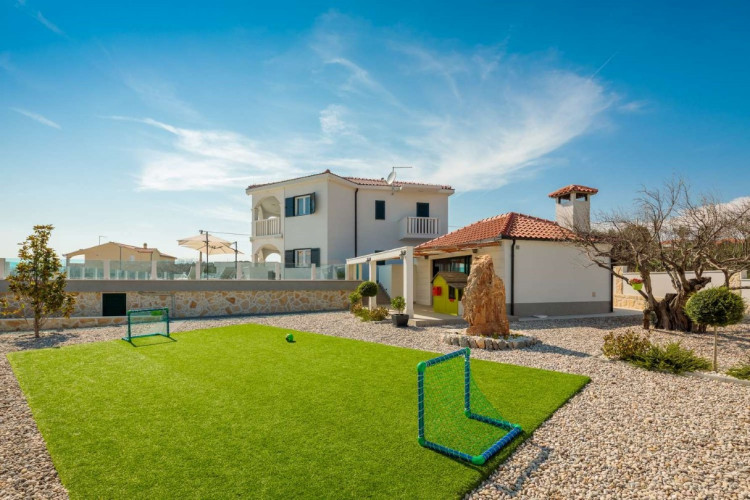
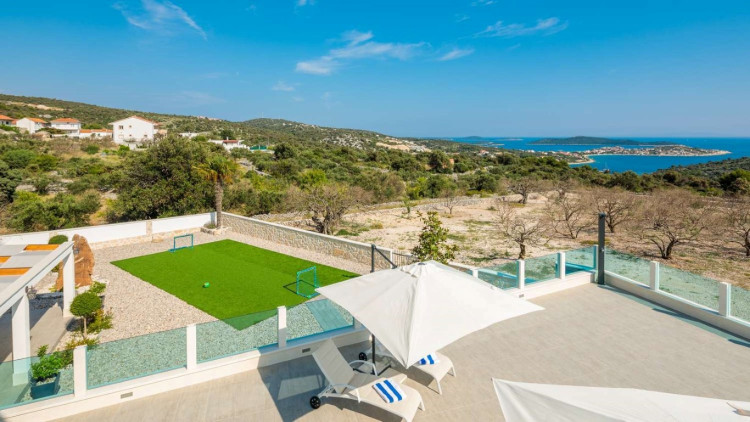
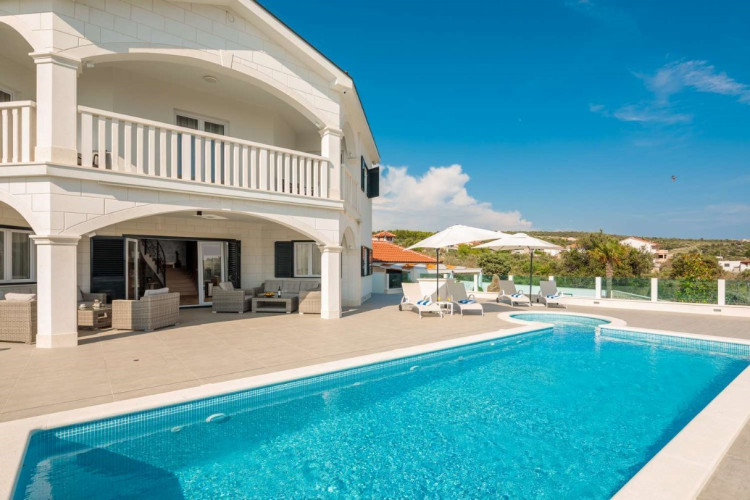
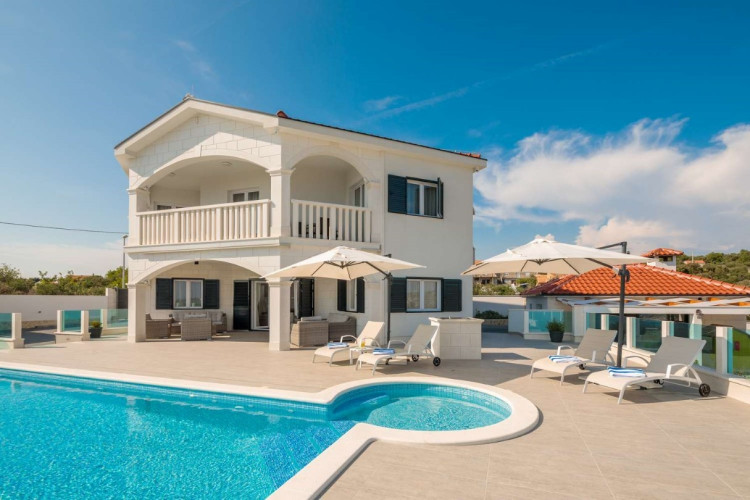
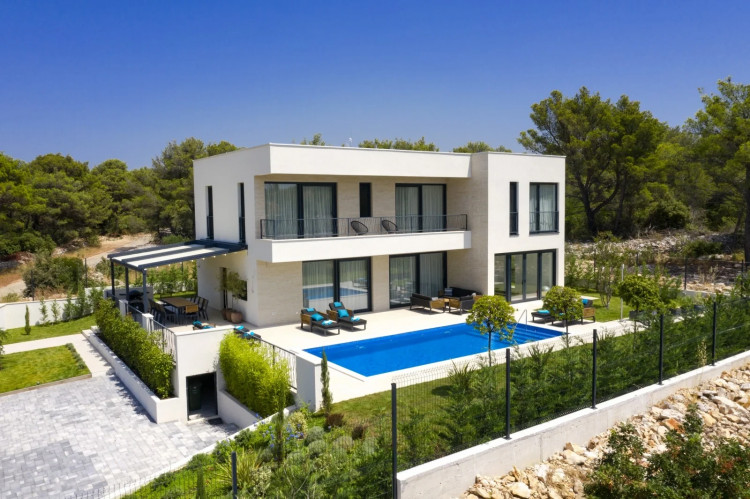
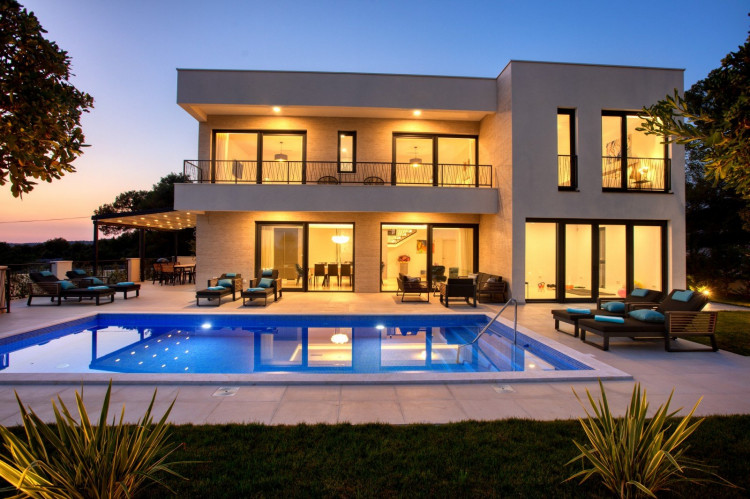
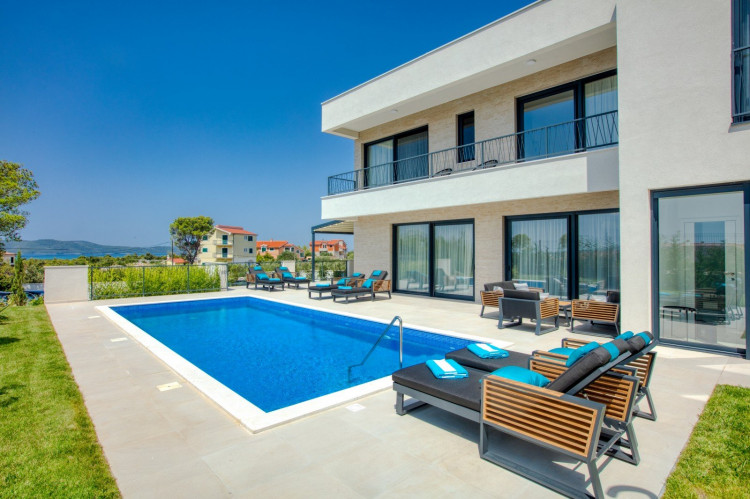
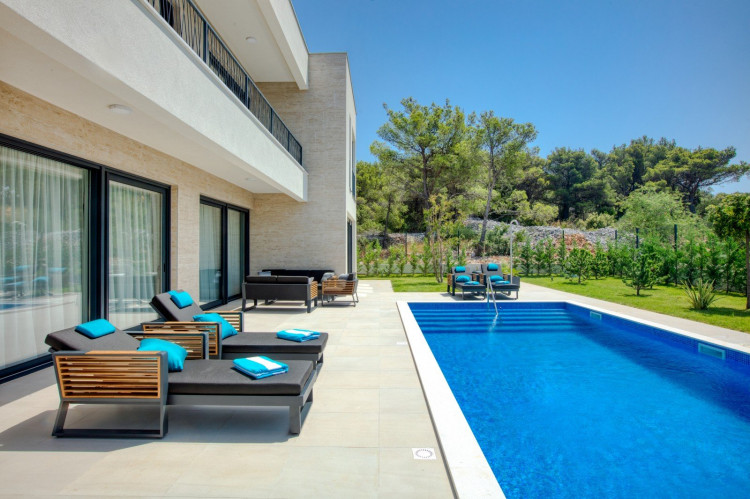

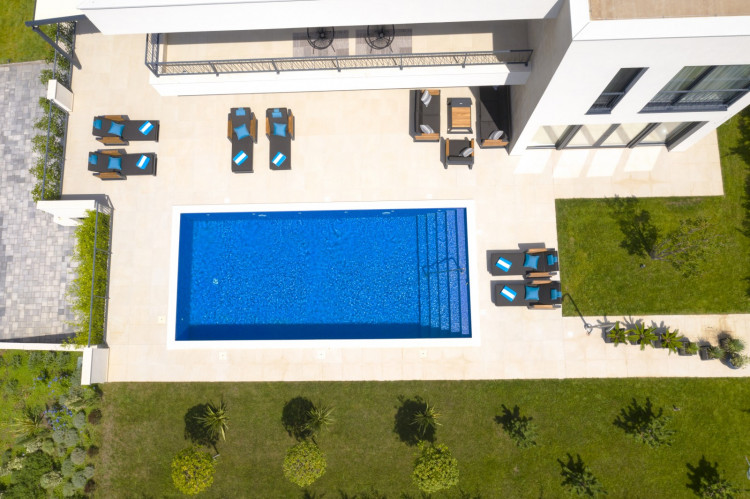
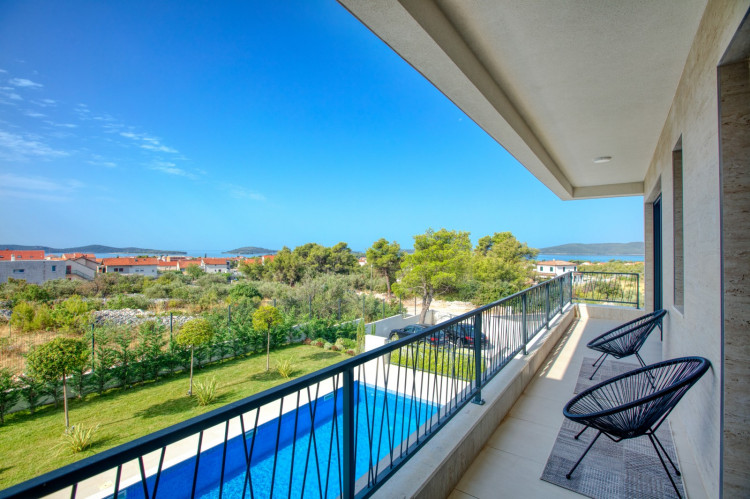

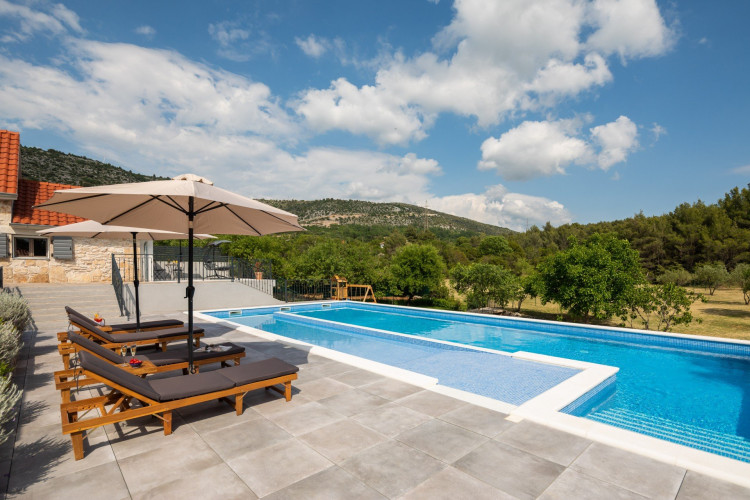
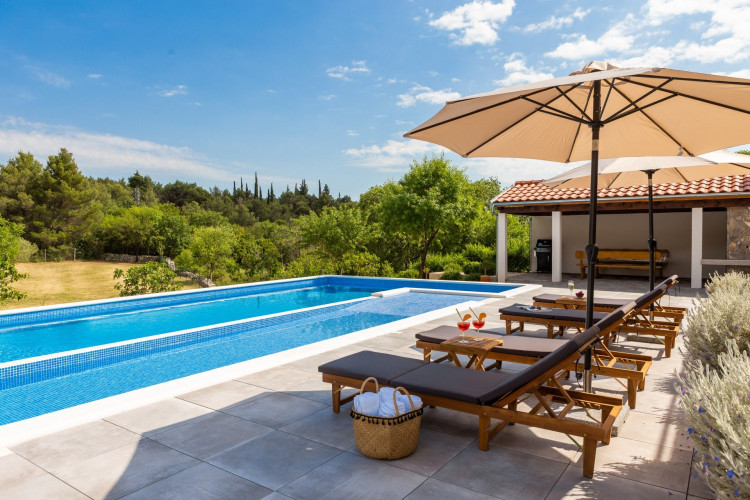
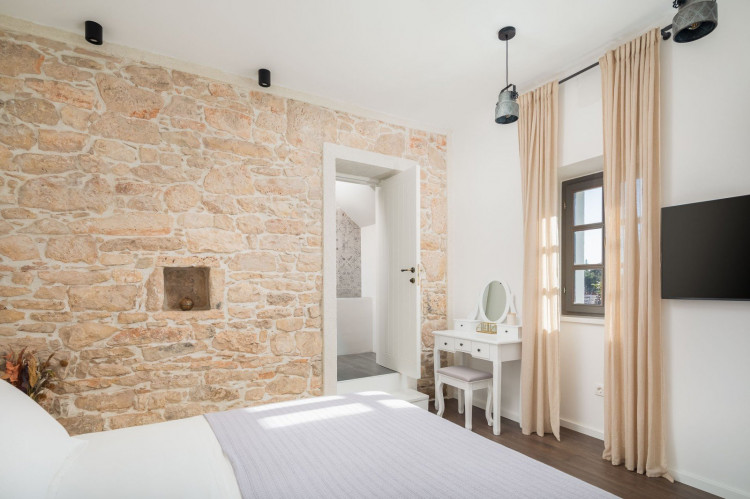
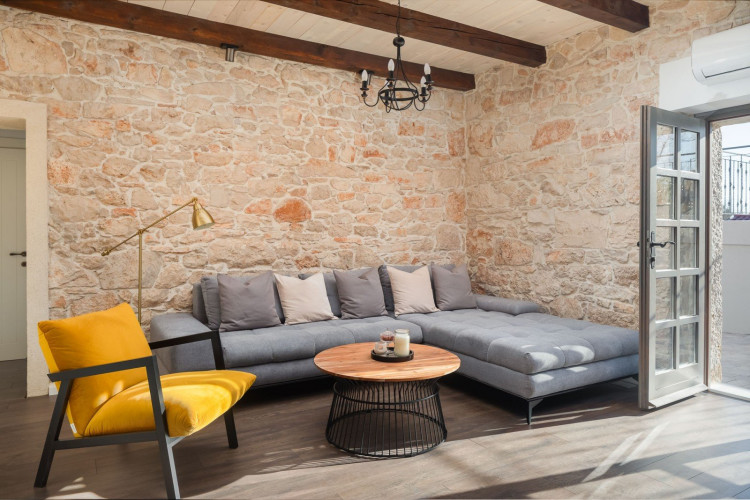

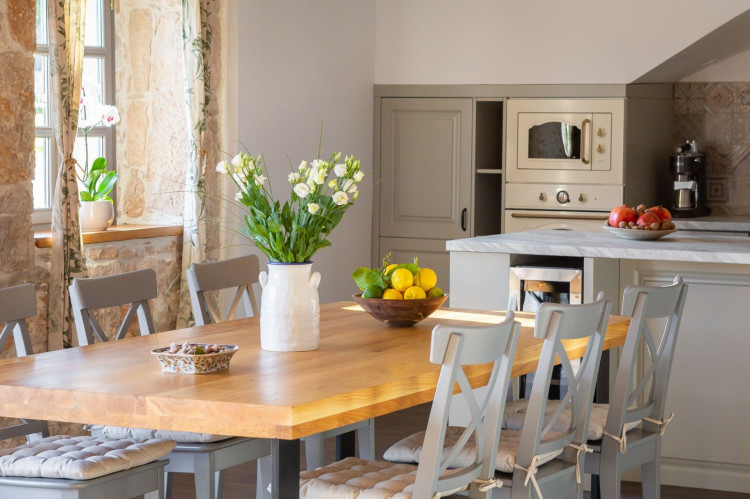
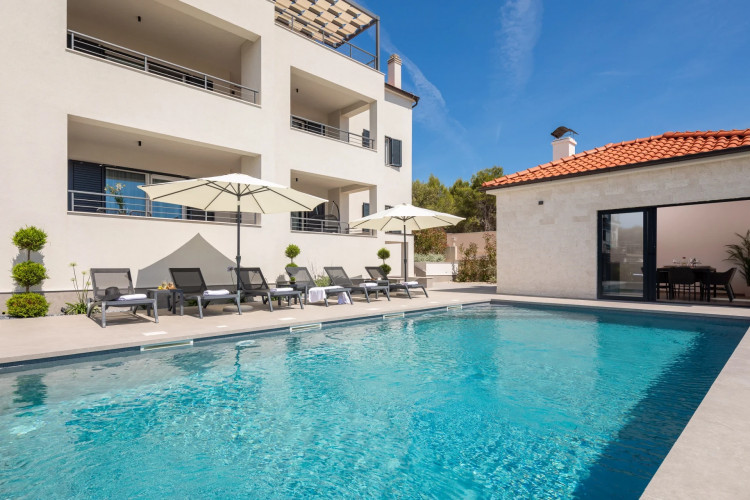
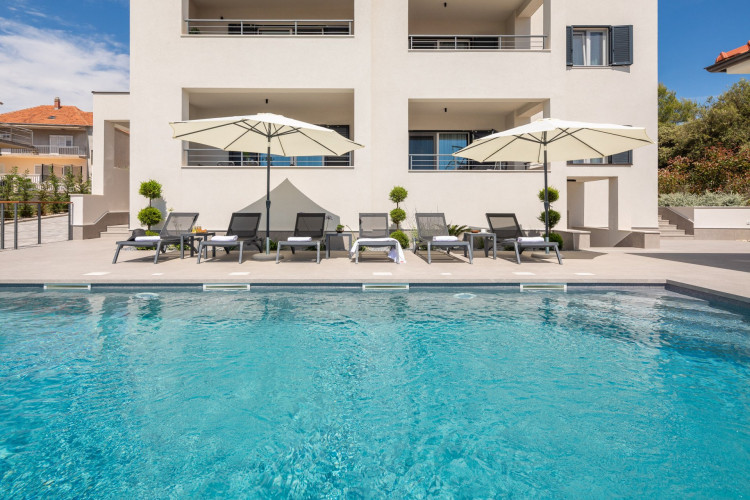
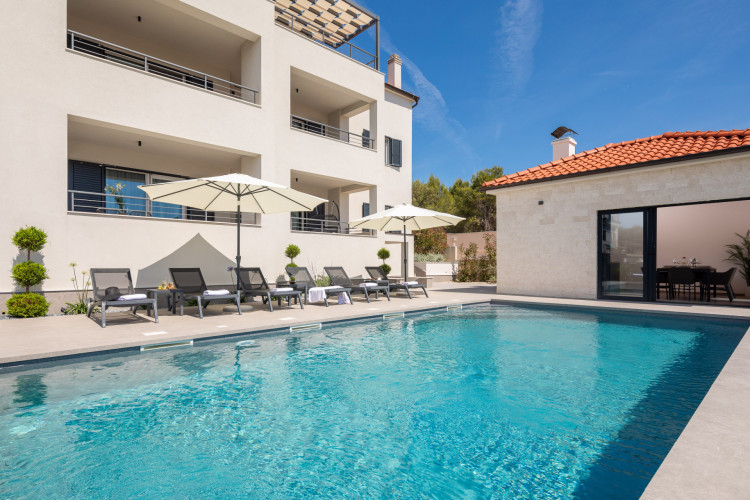
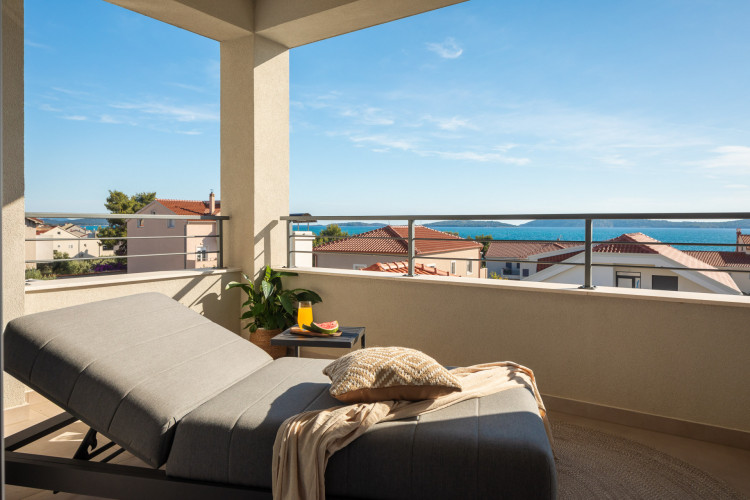

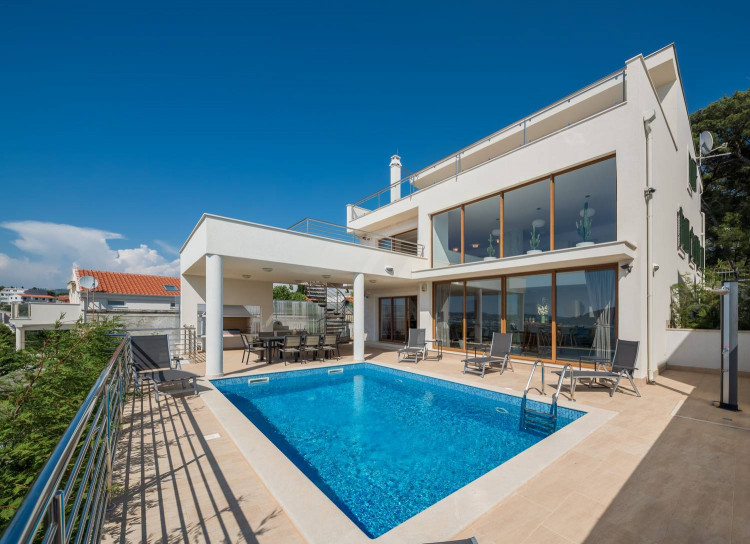
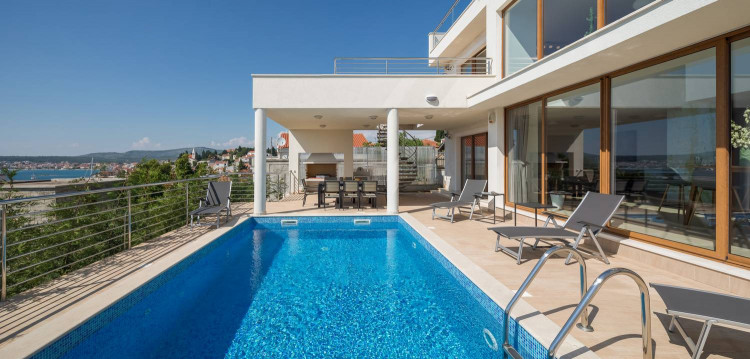
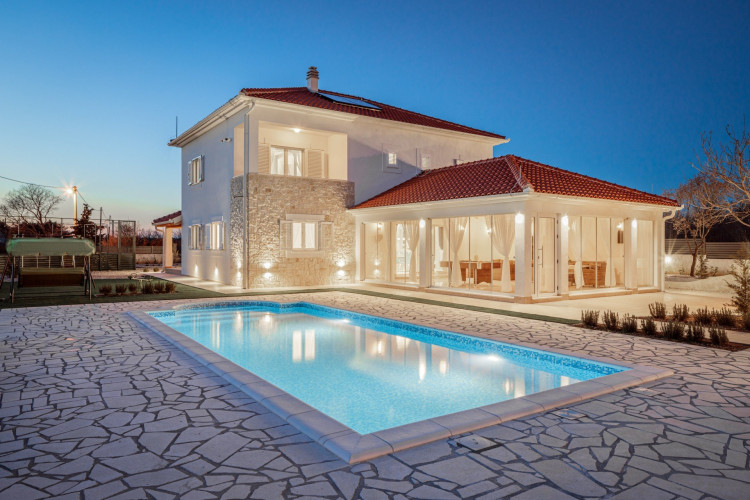
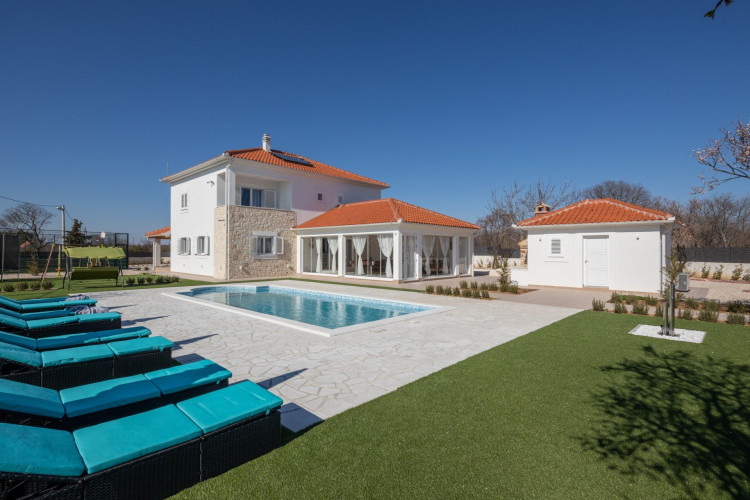
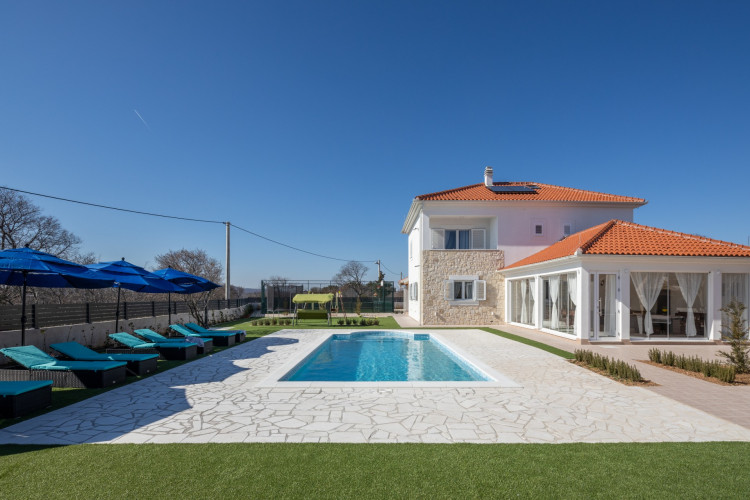
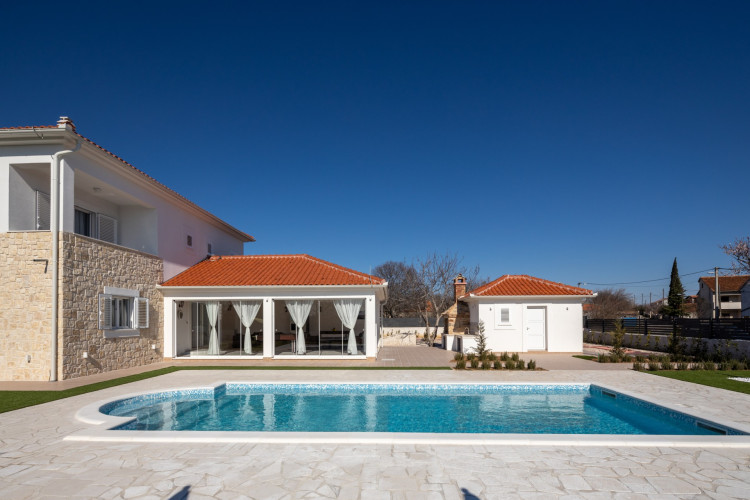
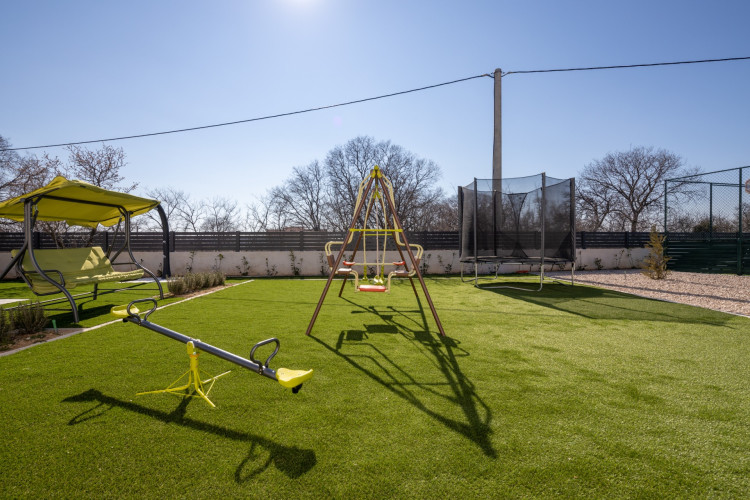
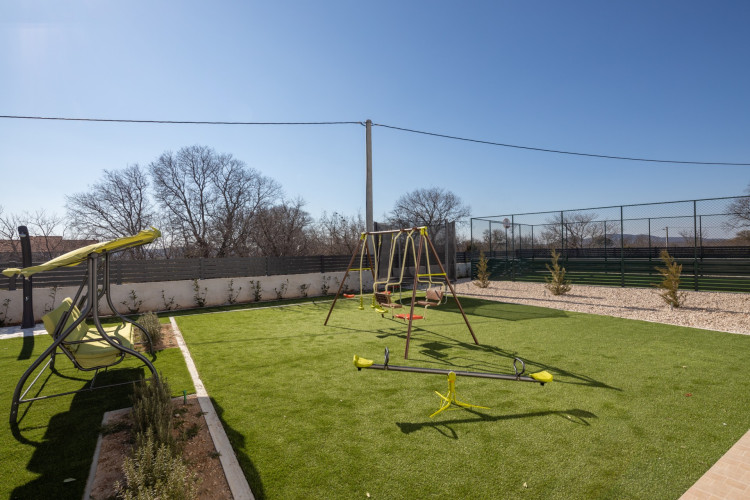
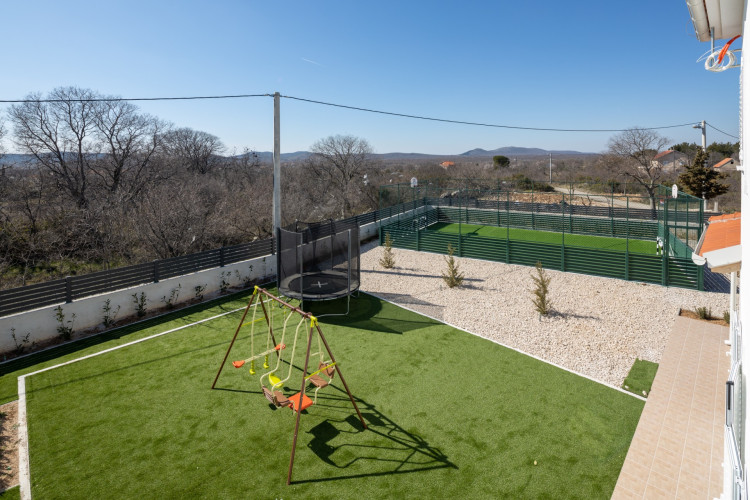
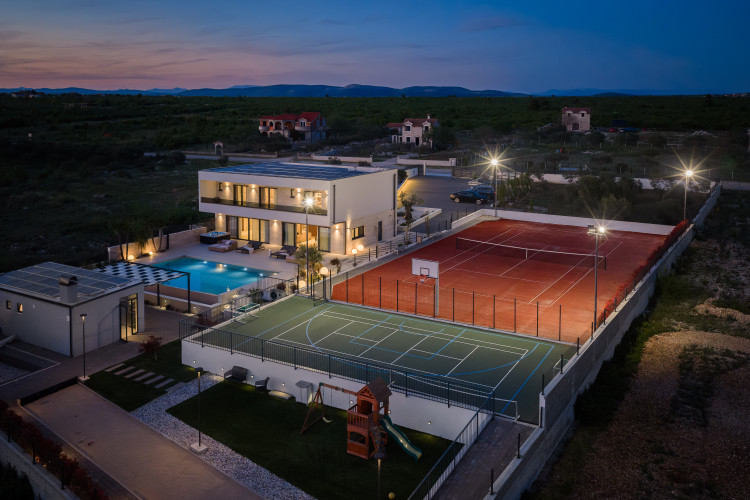
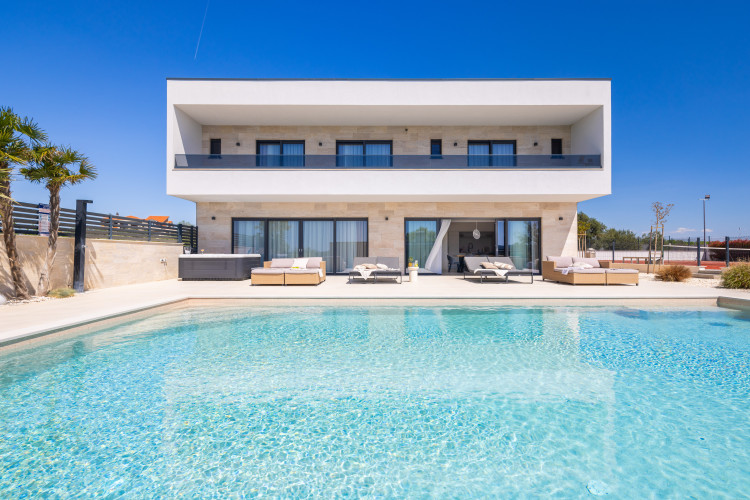
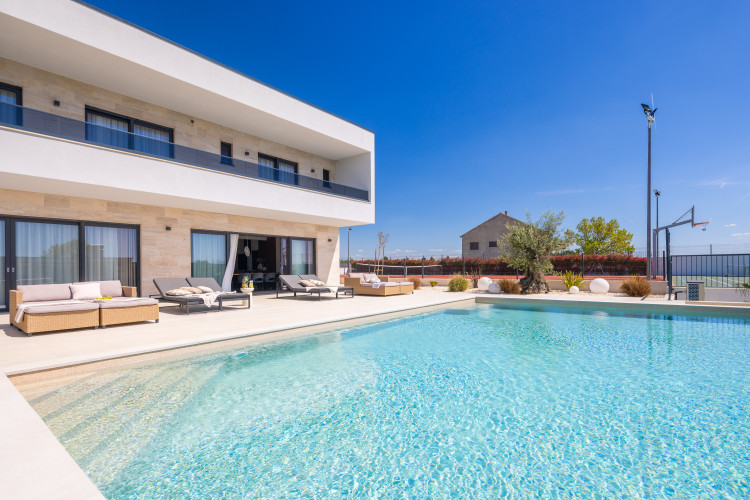
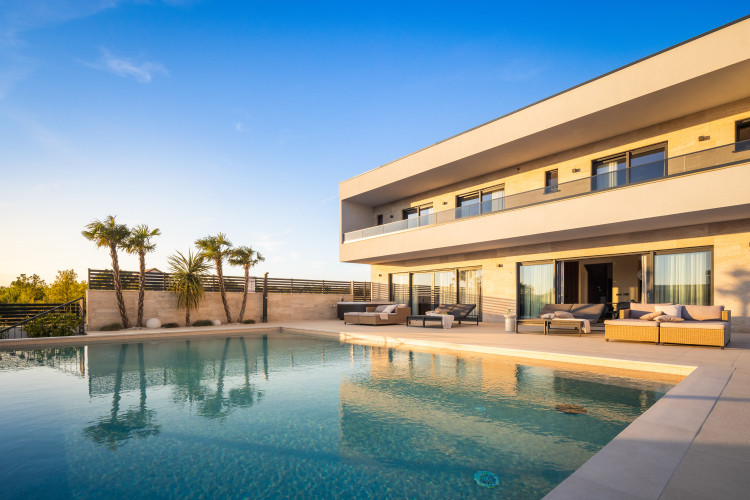
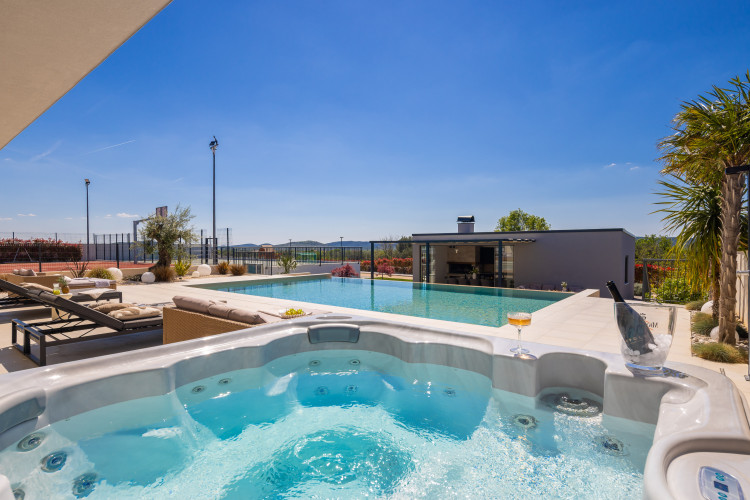
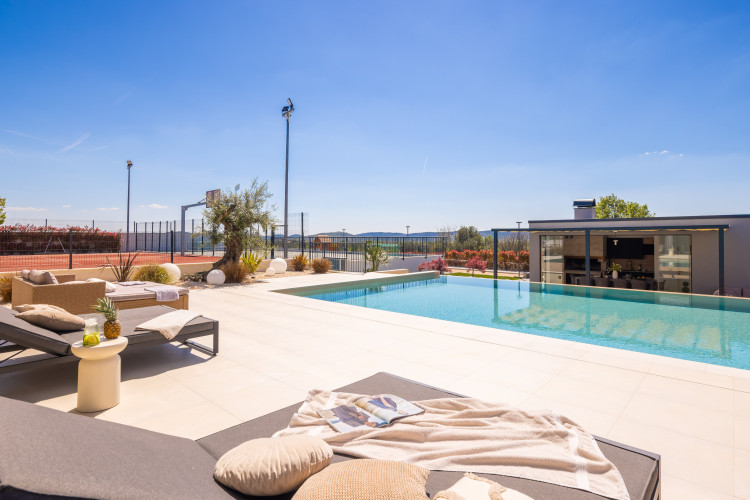
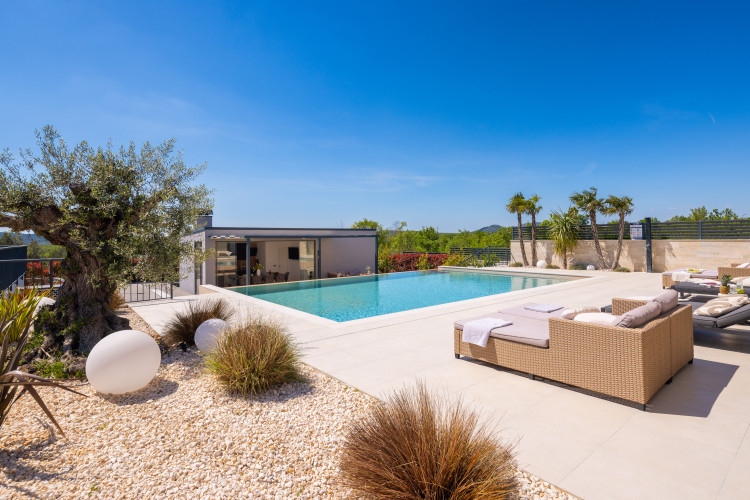
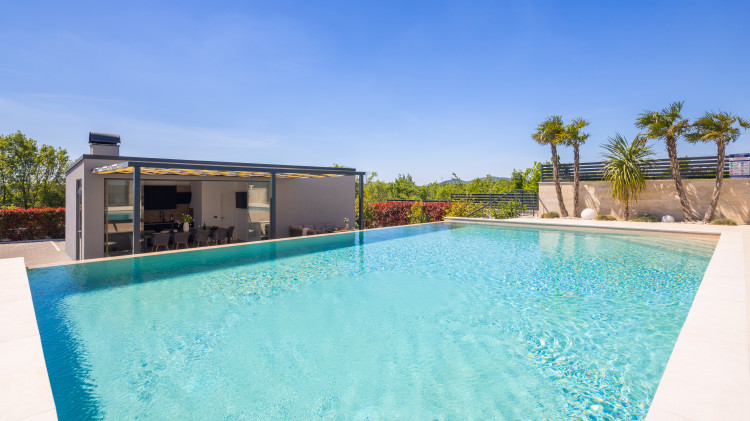
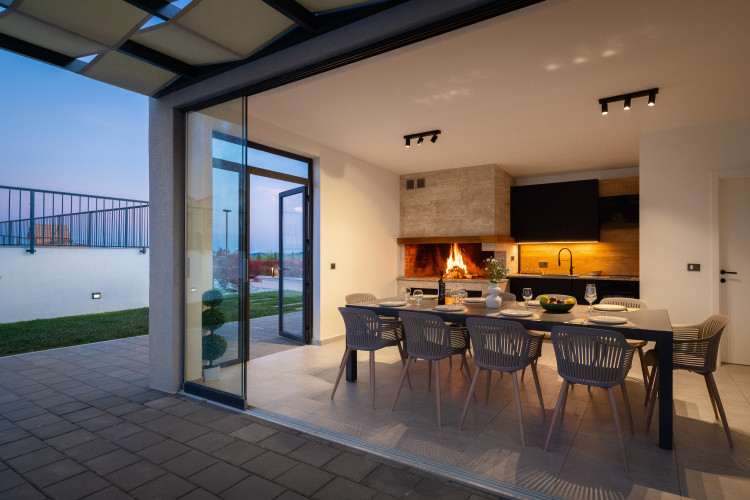
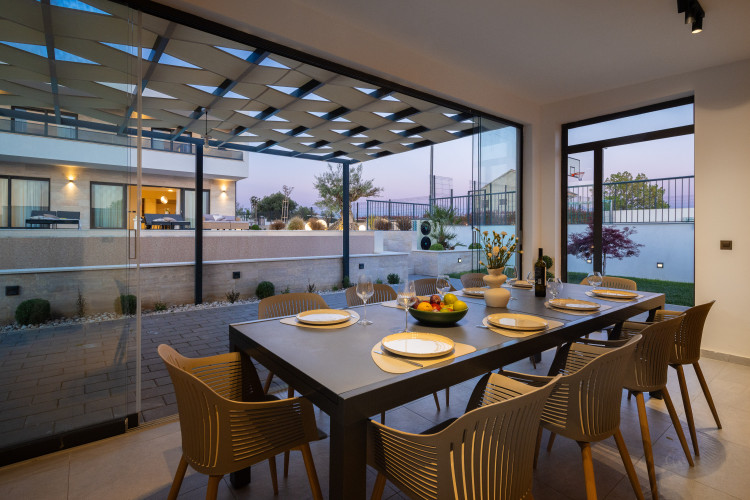
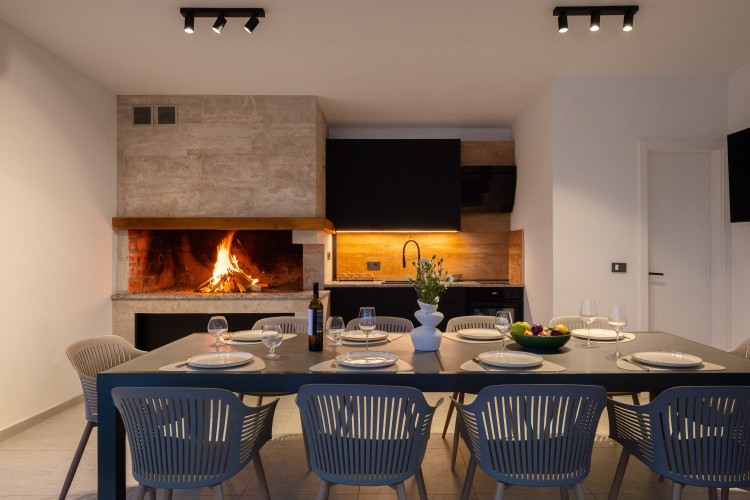
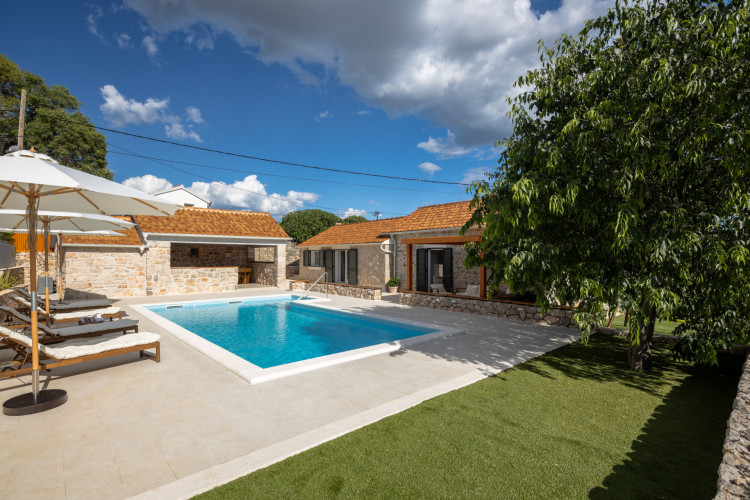
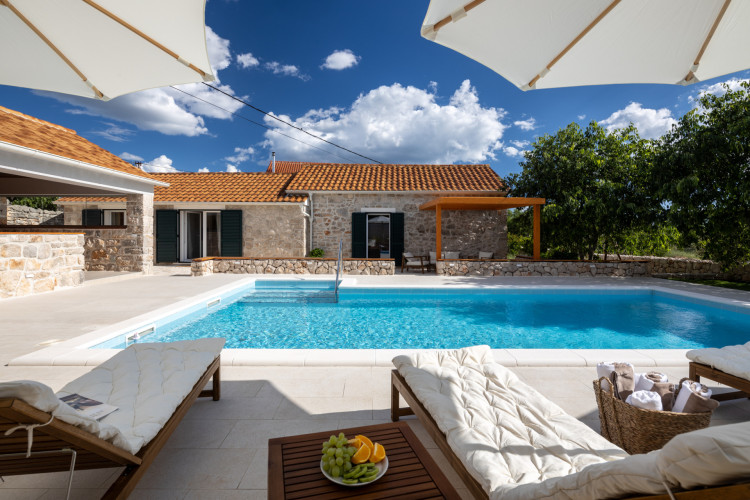
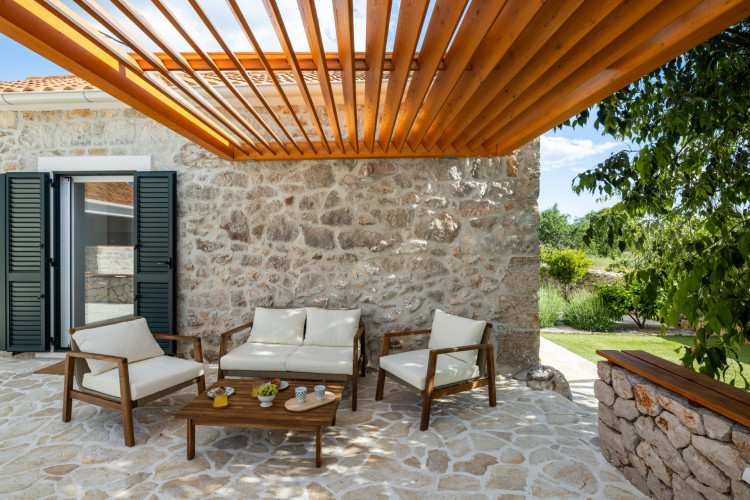
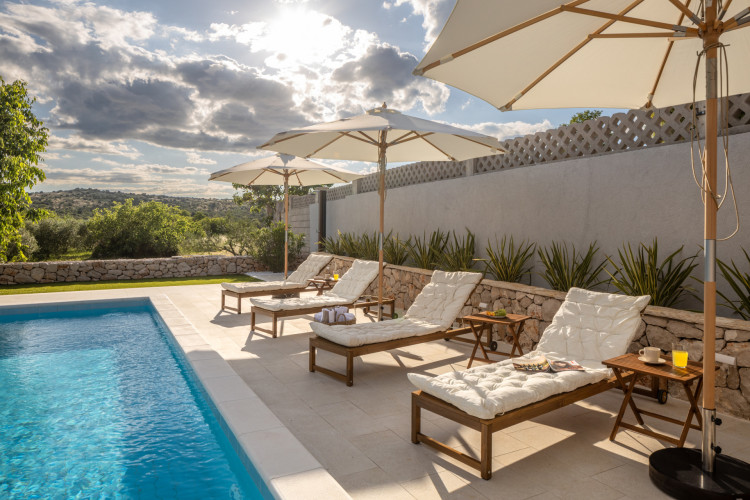
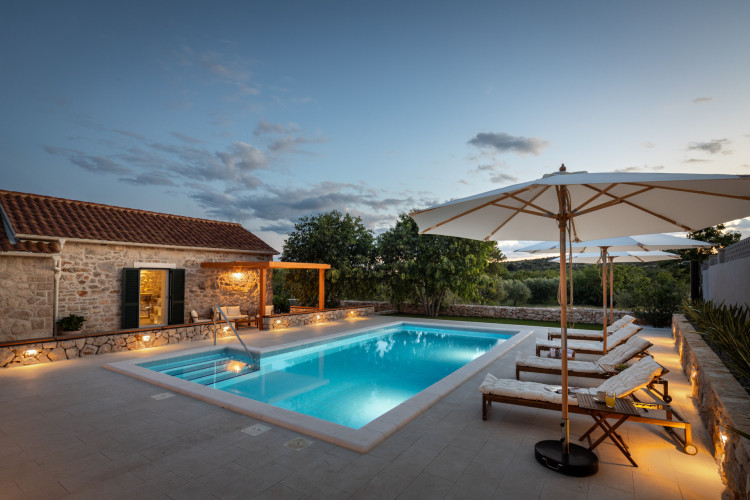
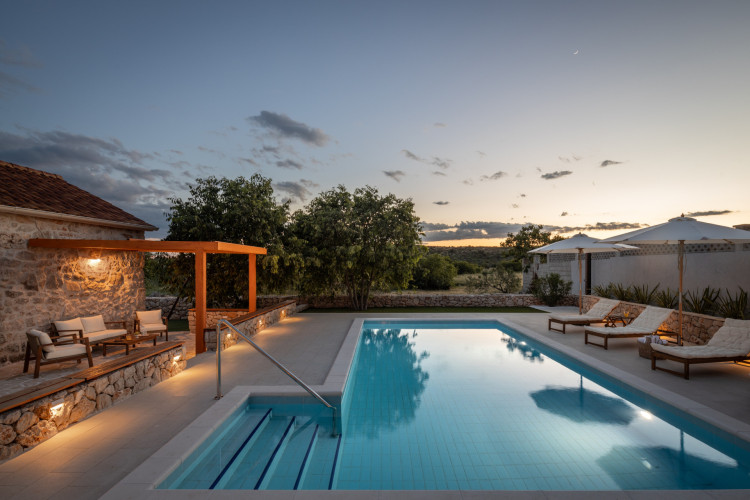
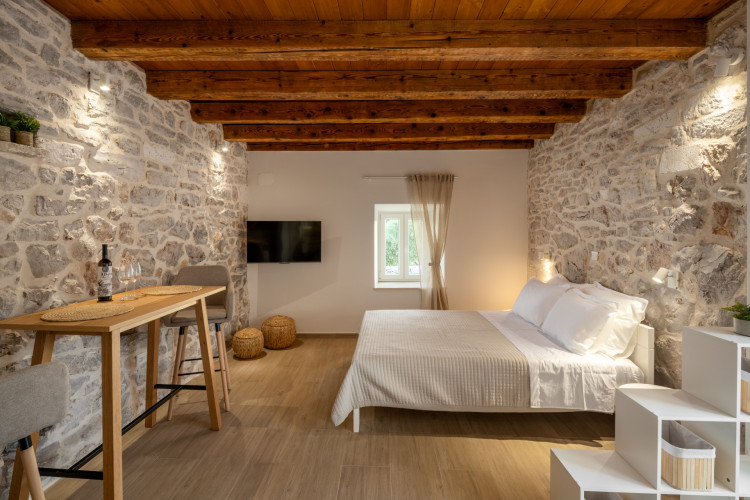
Are you searching for luxury villas in Sibenik, Croatia? While it may not dominate headlines like Dubrovnik or Split, it is the oldest native Croatian city on the Adriatic coast. Sibenik sits at the mouth of the Krka River on a natural harbor protected by four medieval fortresses. This setting combines historic depth with a coastal landscape that is still undiscovered by mass tourism.
What sets Sibenik apart for a luxury villa holiday is its location. Within a short drive, you can reach Krka National Park, a chain of seven waterfalls on the Krka River. Or anchor among the 89 uninhabited islands of Kornati National Park. The historic old town is home to not one, but two UNESCO World Heritage Sites. And most importantly, its stone streets remain uncrowded even in August.
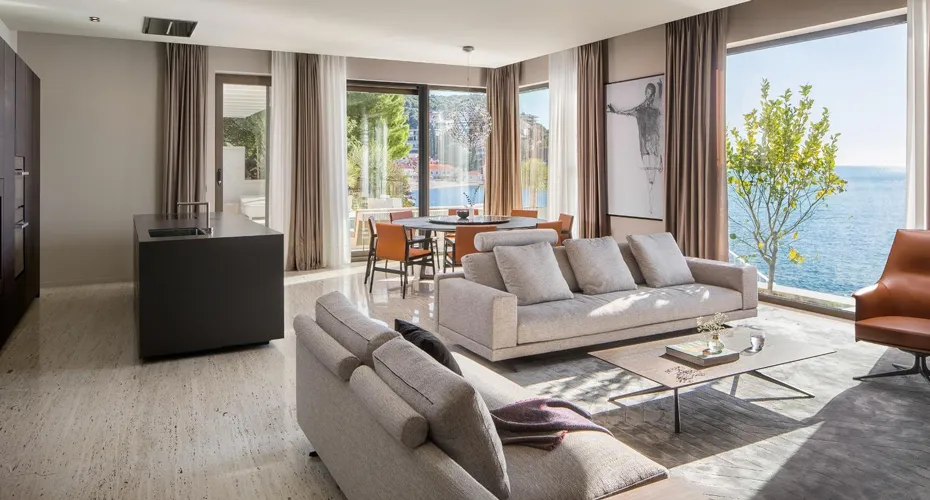
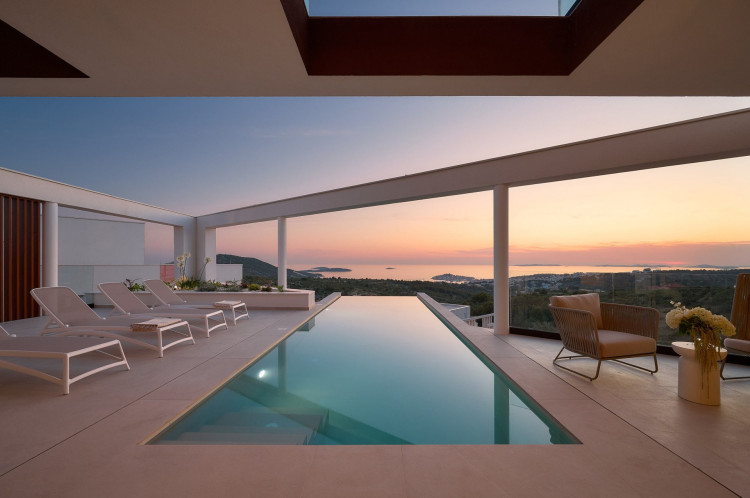
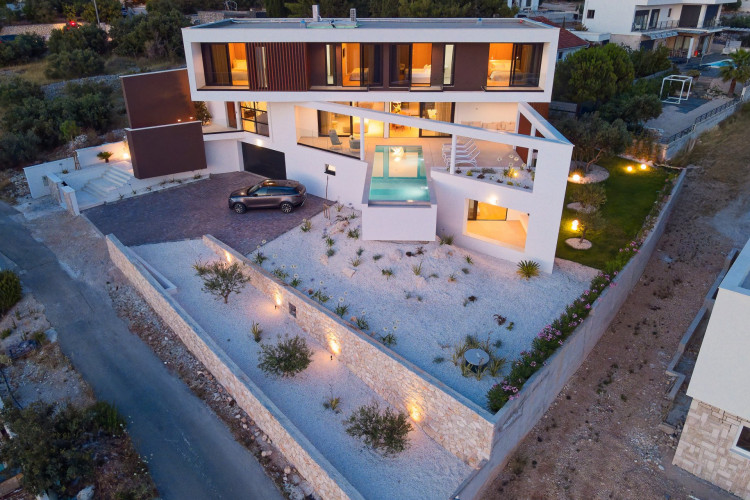
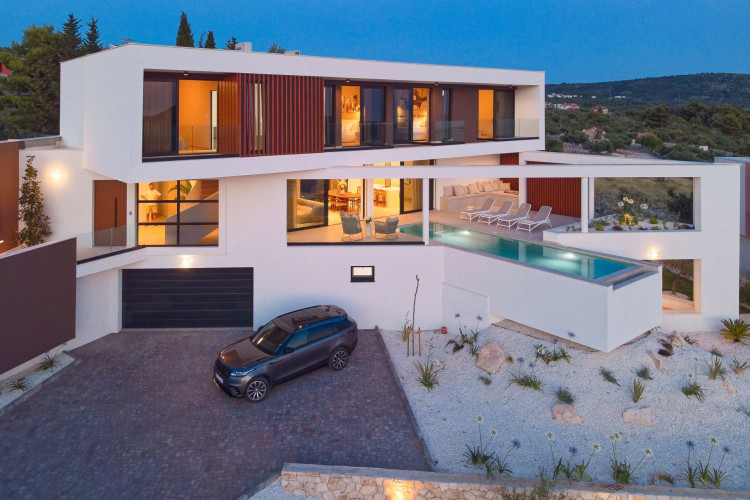
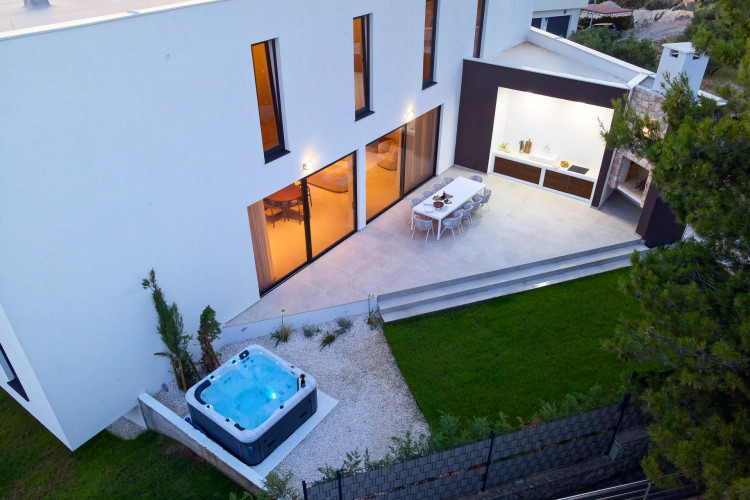
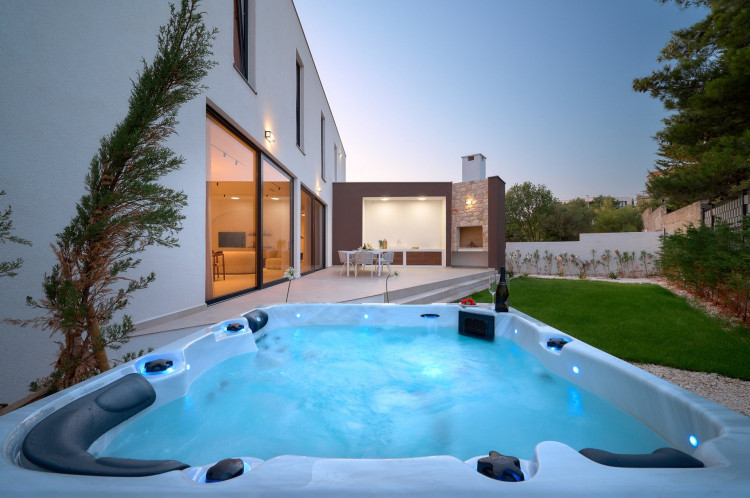
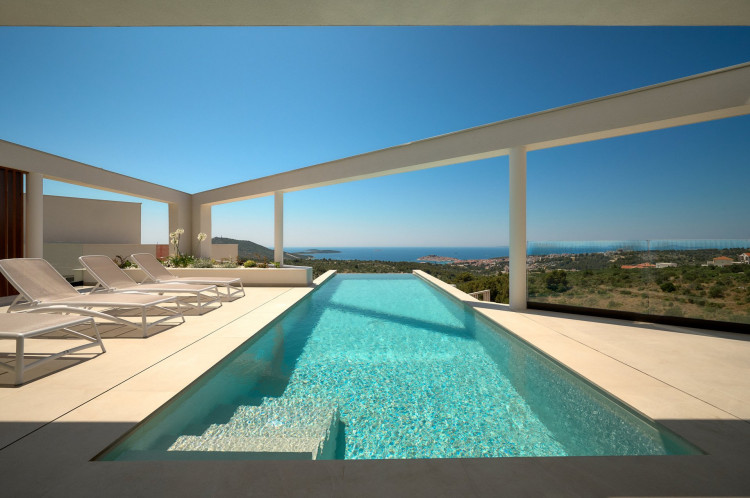
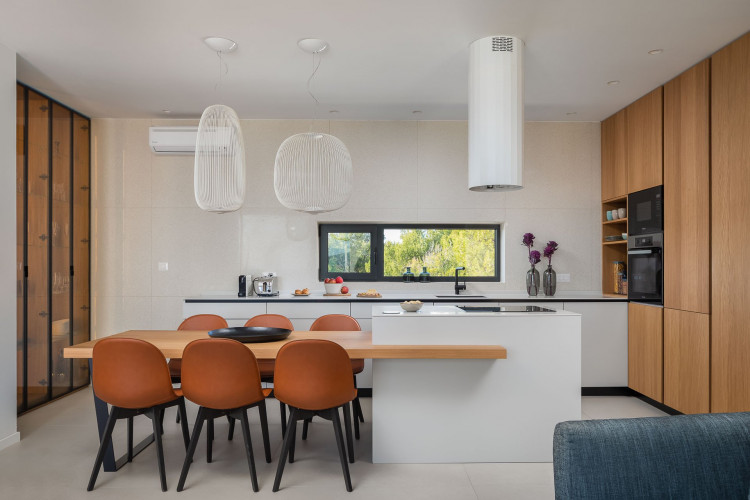
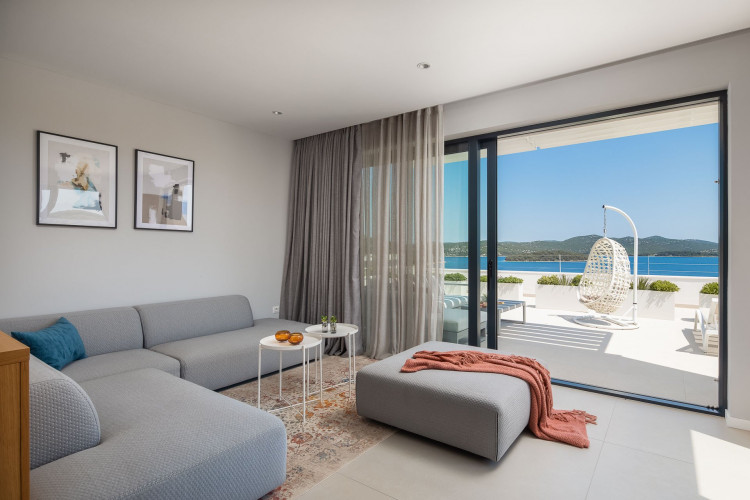
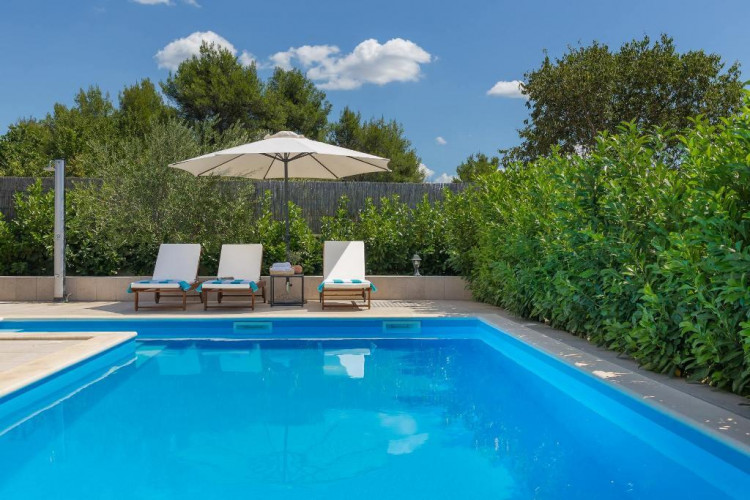
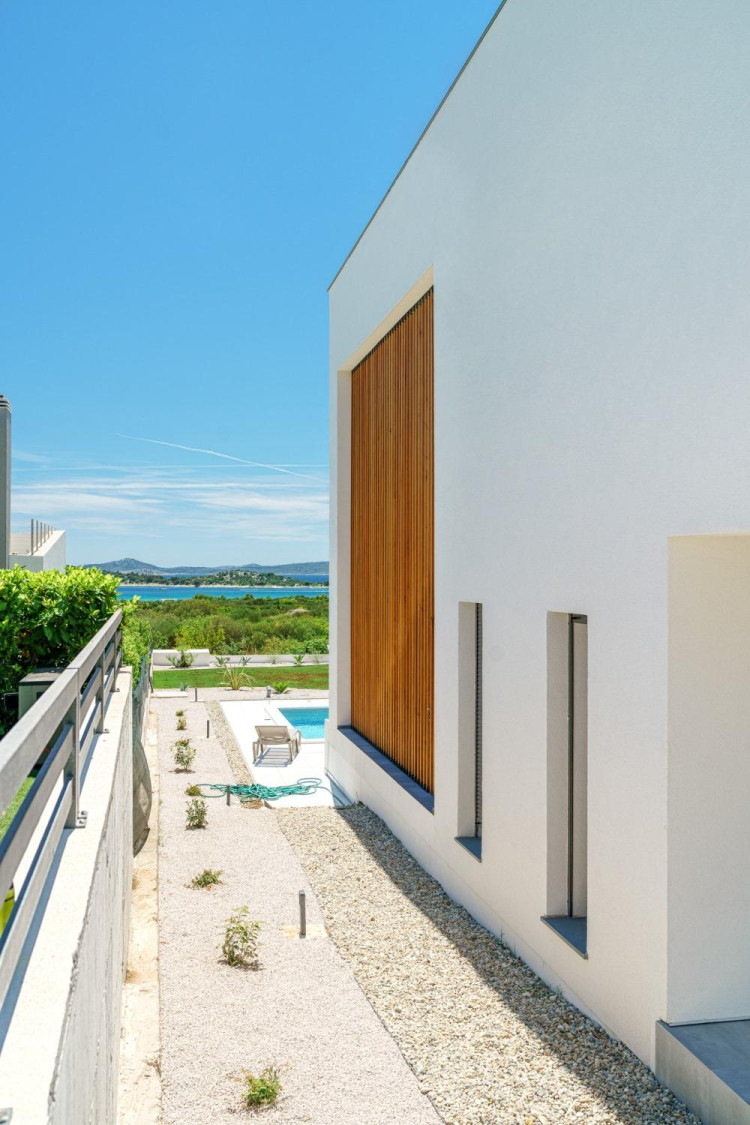
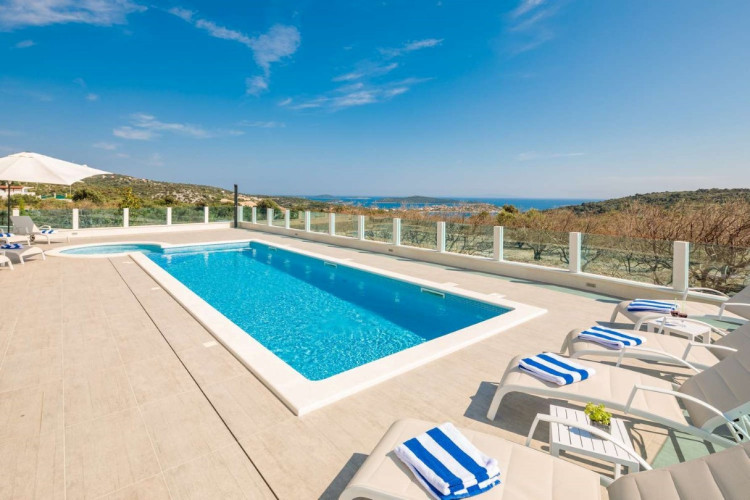
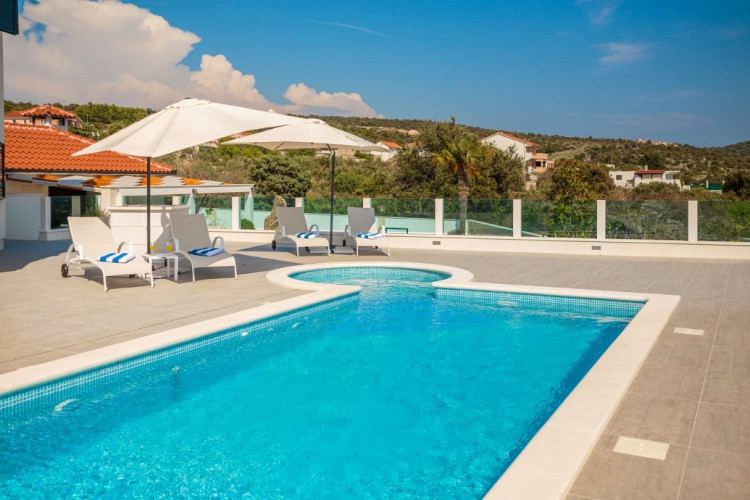
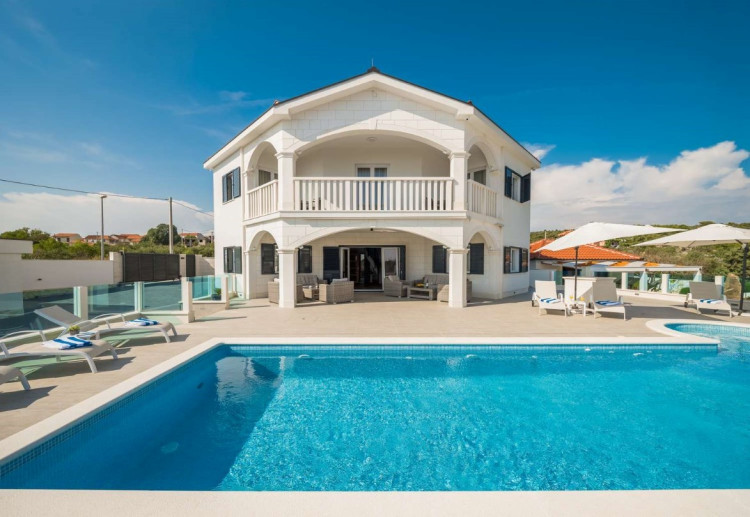
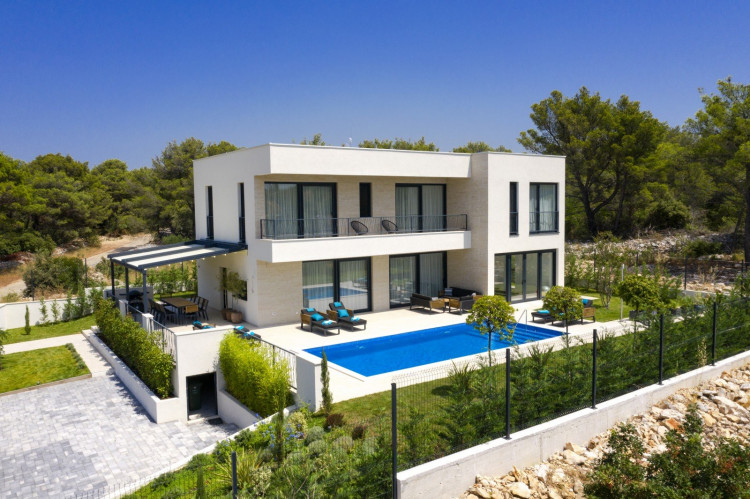
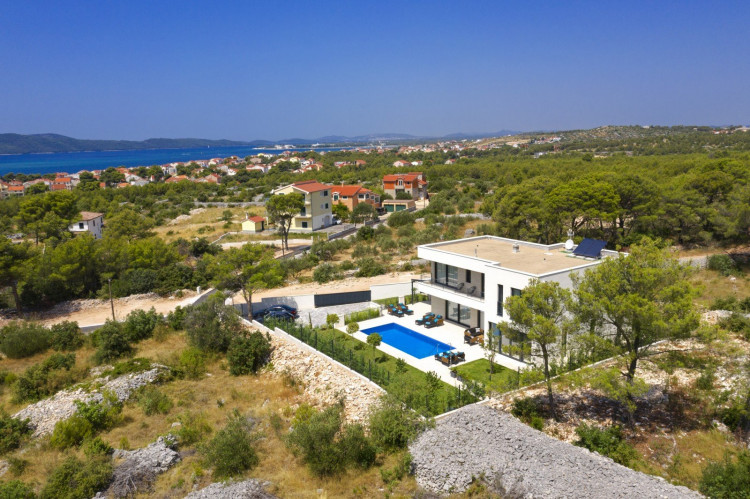
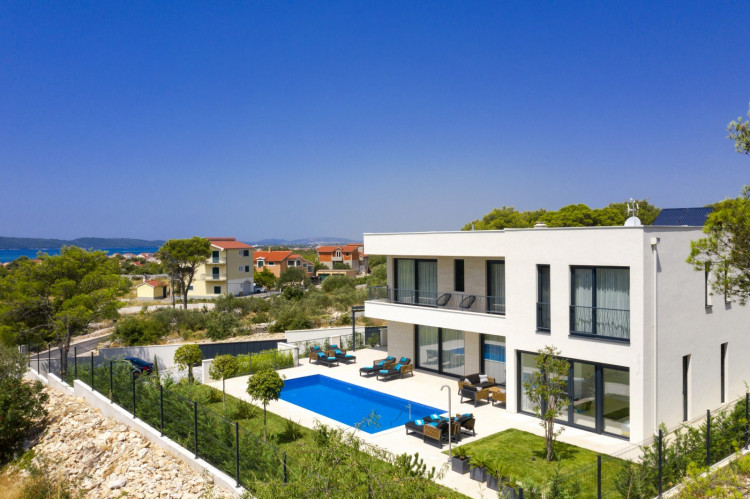
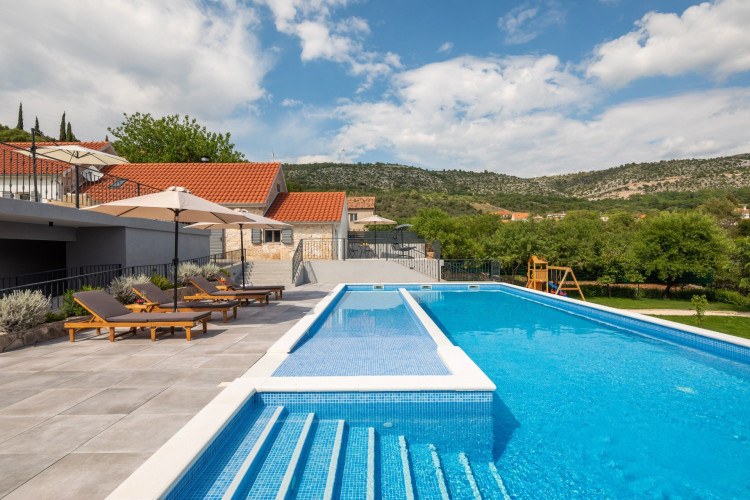
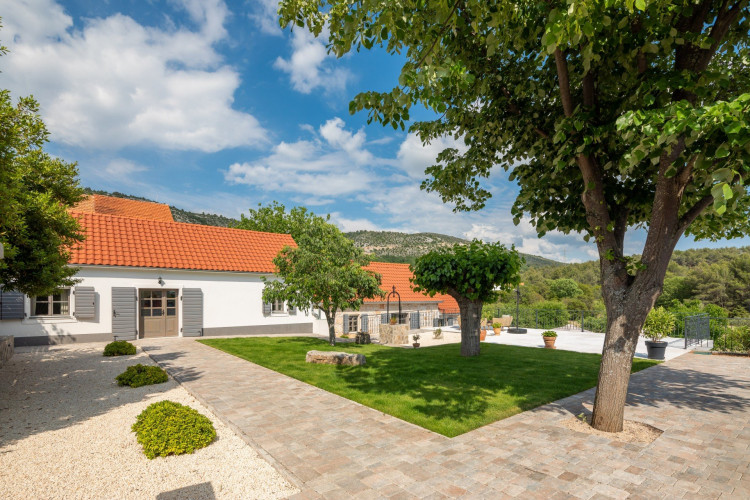
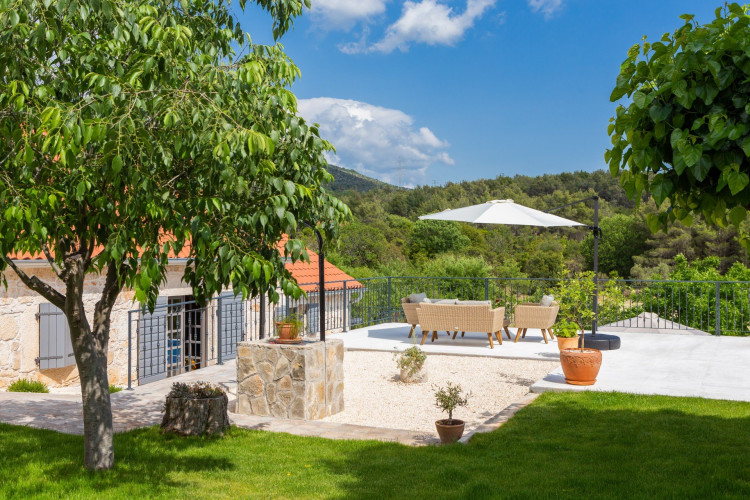
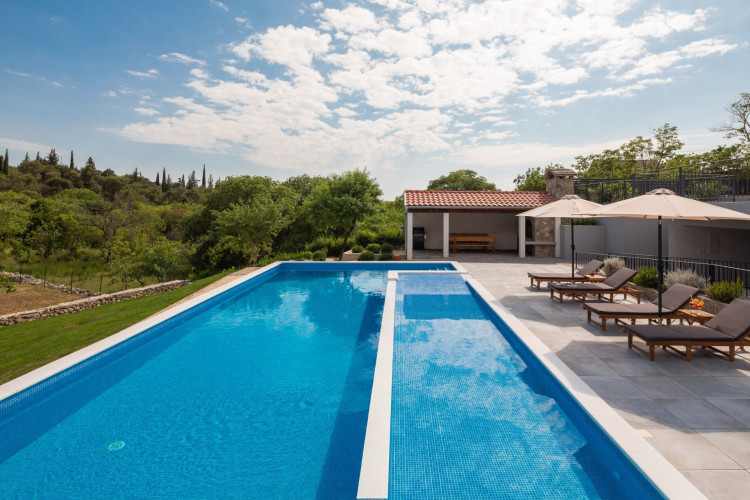
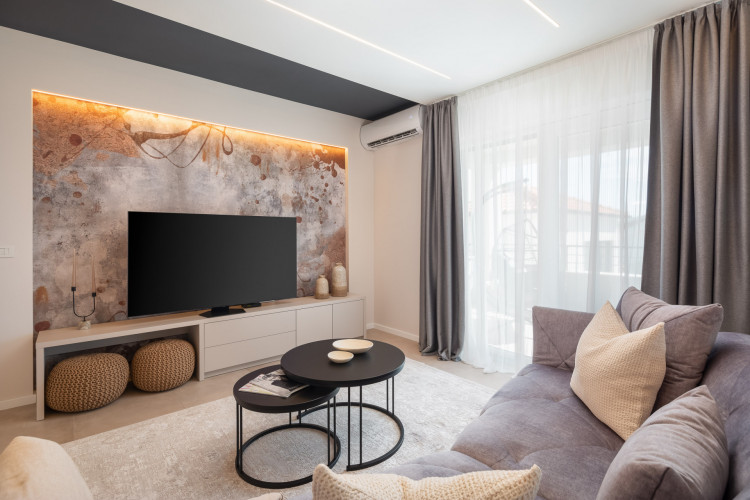
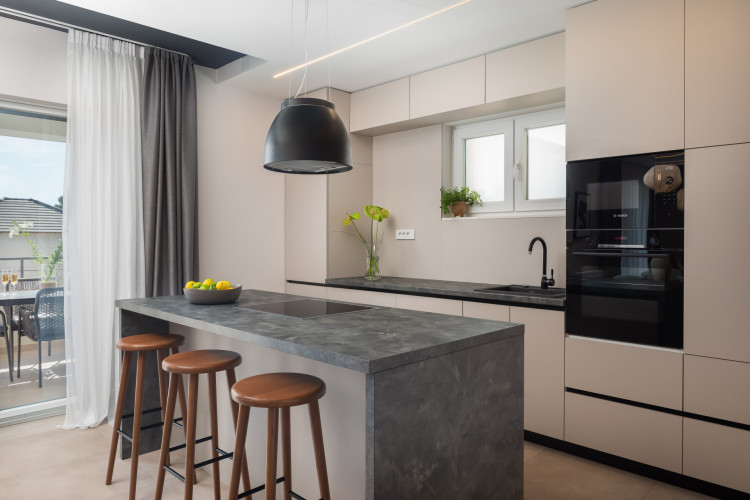
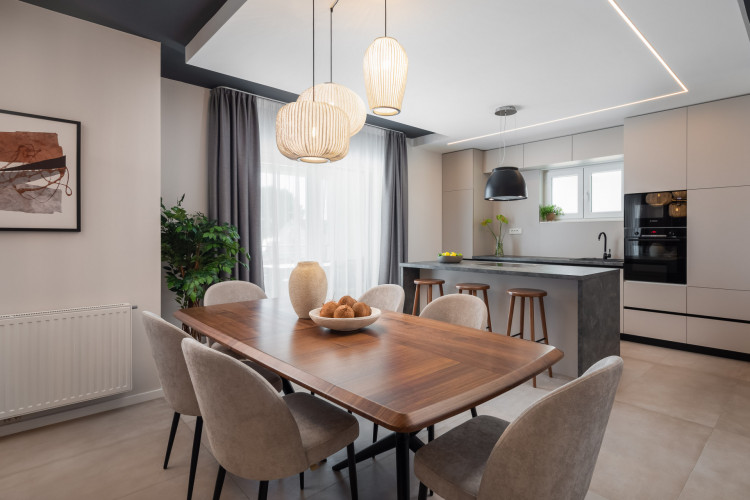
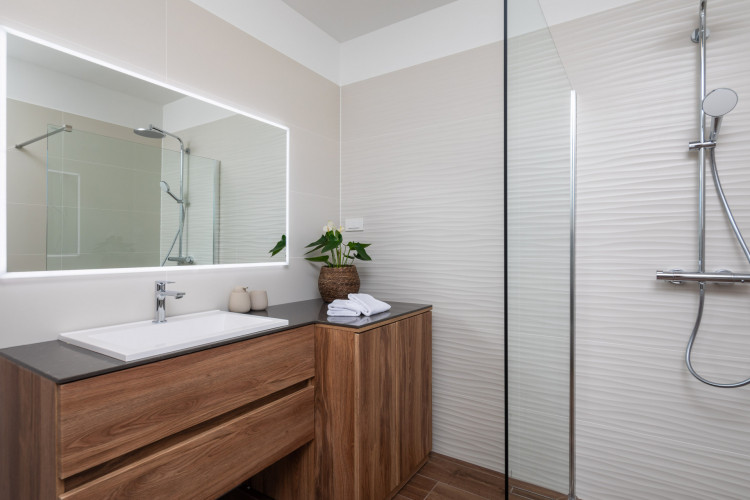
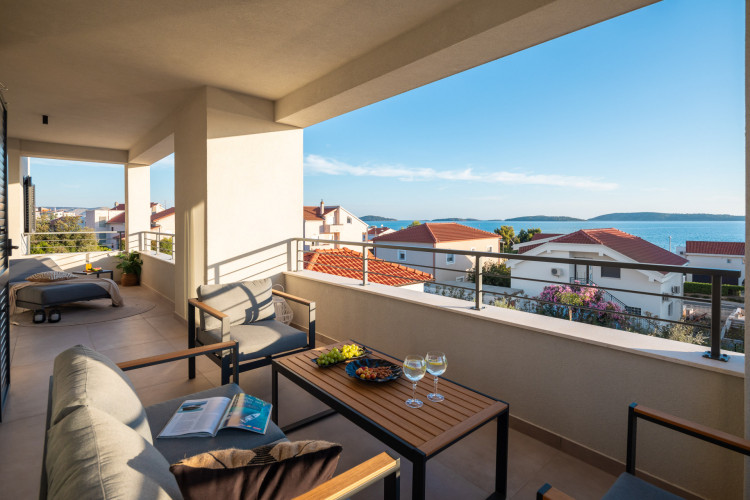
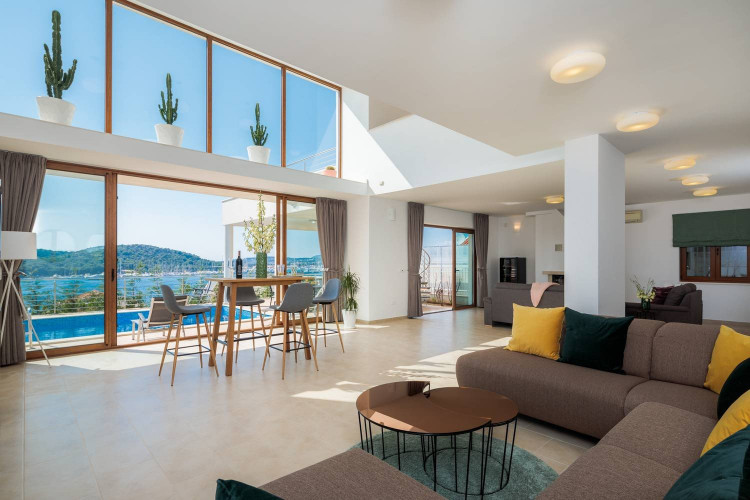
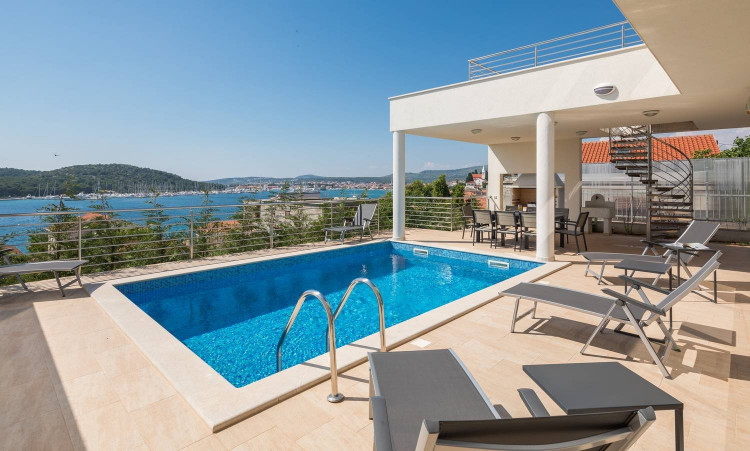
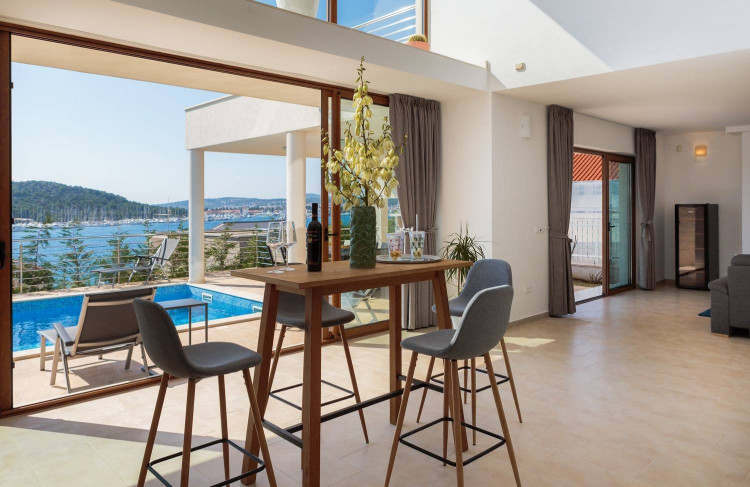
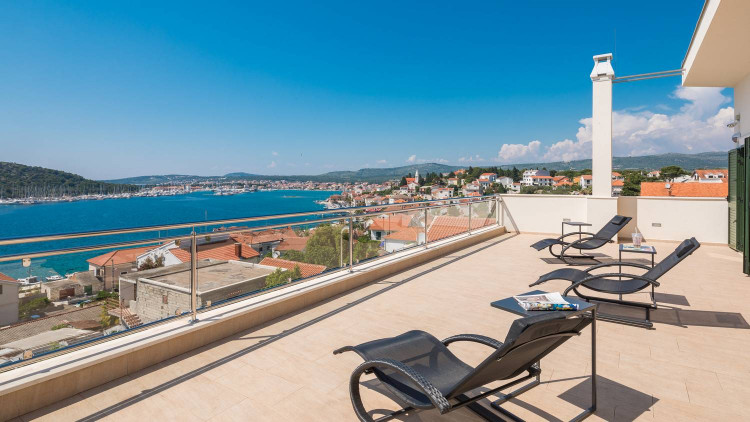
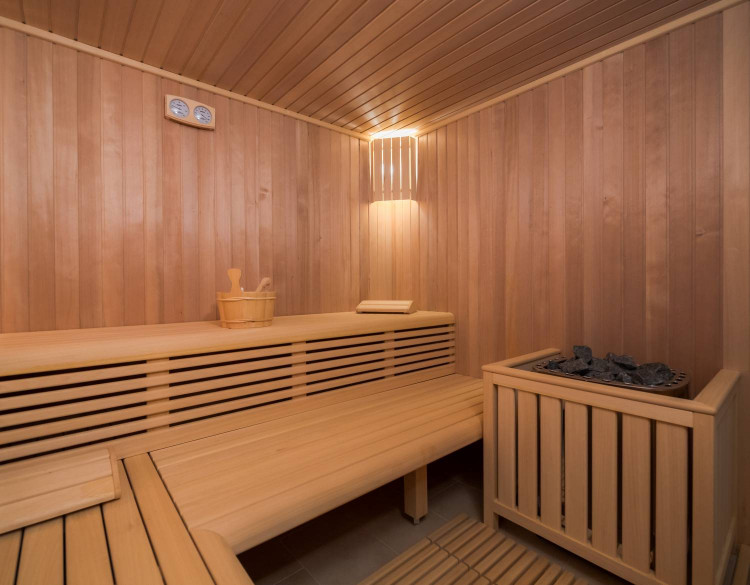
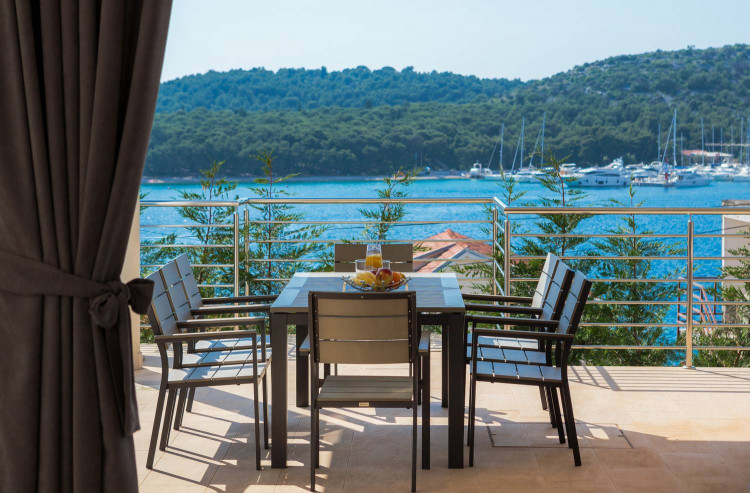
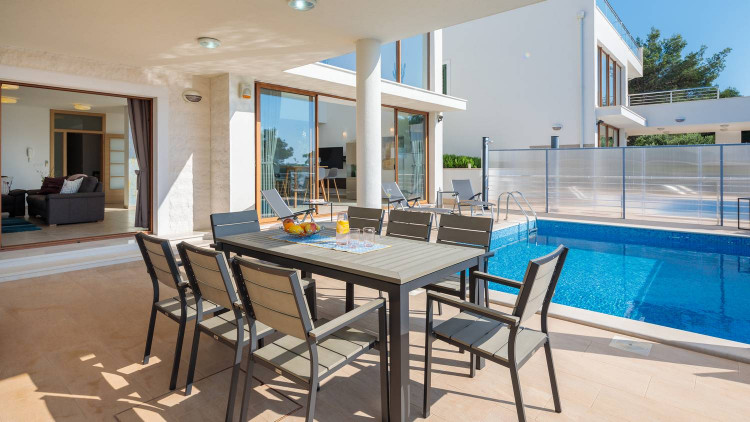
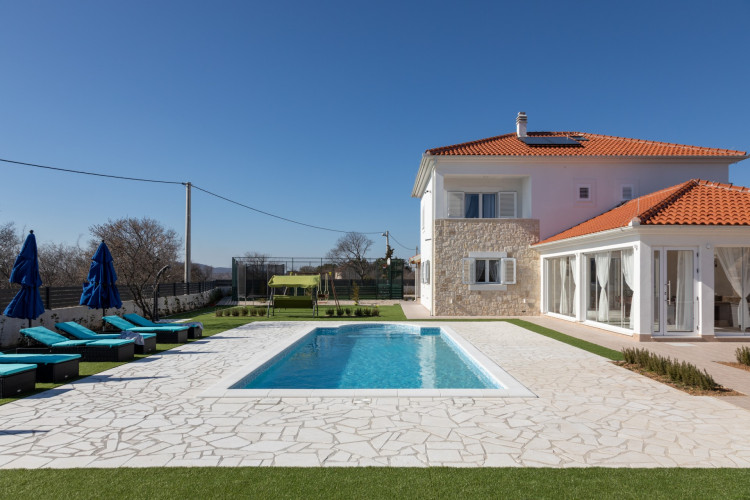
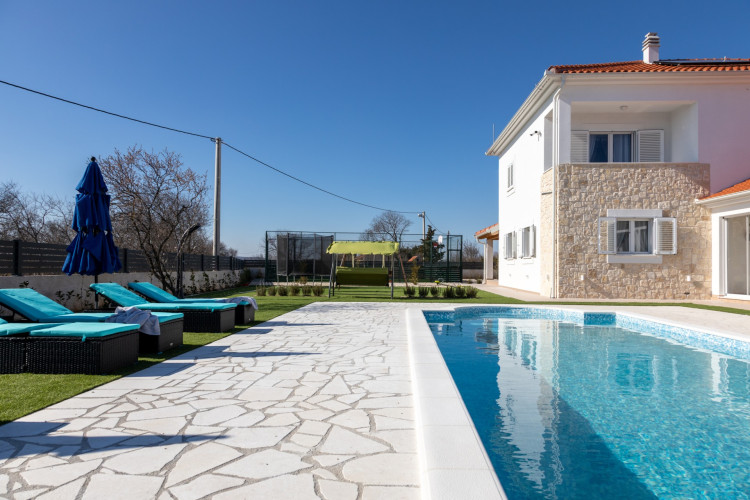
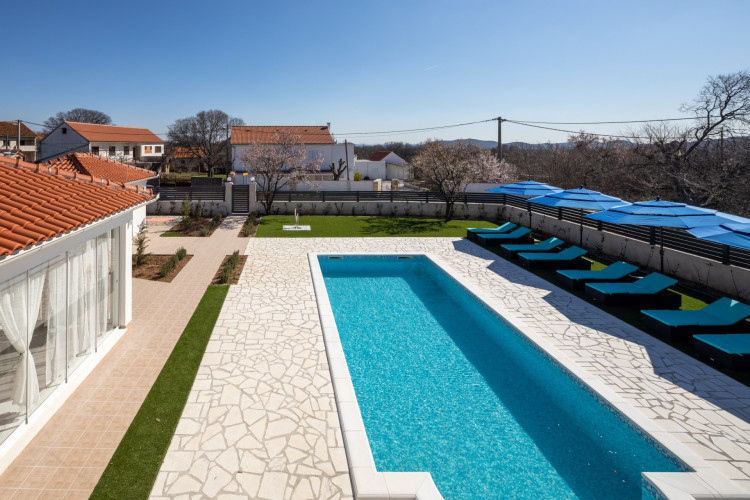
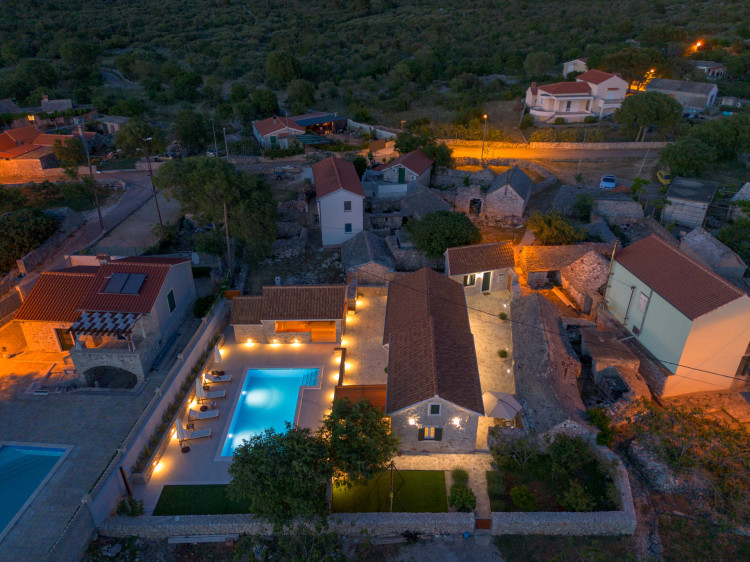
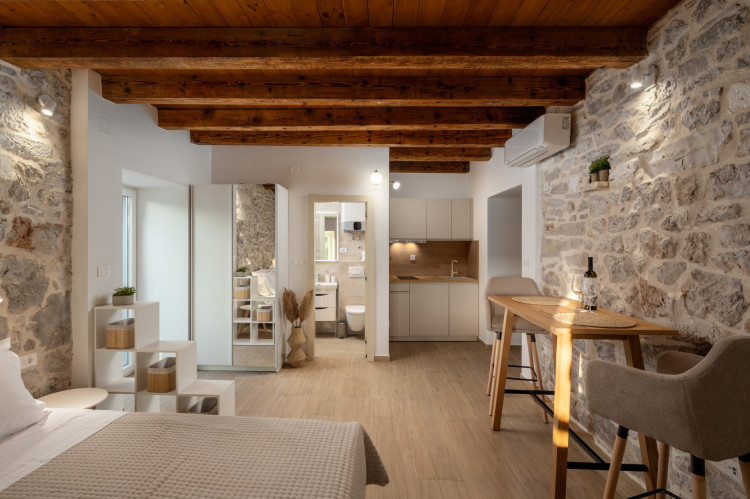
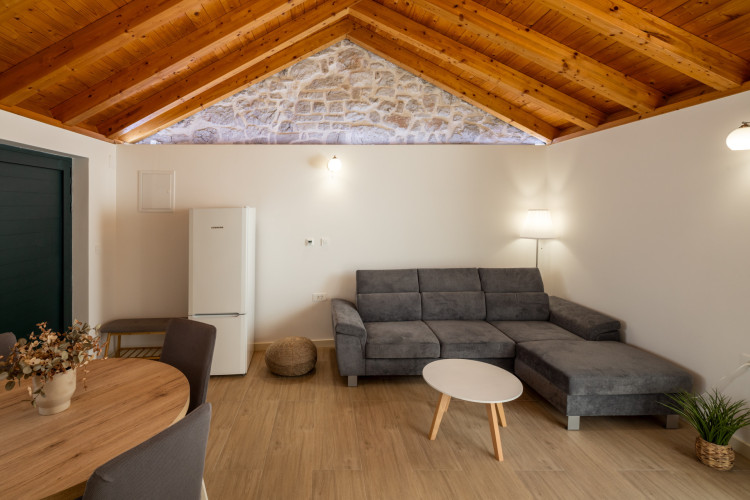
The villa market here offers luxury villas with pools, rooftop terraces, and sea views. Whether you need a 3-bedroom retreat for a couple or a 7-bedroom estate for a multi-family group, the RLVC Šibenik collection covers a range of budgets and styles.
Our next travel guide covers everything you need to plan a Sibenik holiday villa vacation in 2026 - the best areas, what to see and do, beaches, and gastronomy. And honest comparisons to help you decide whether Šibenik is the right destination for your group.
Two UNESCO World Heritage Sites in One City
Sibenik is the only Croatian city with two UNESCO World Heritage Sites, which gives it significant cultural weight.
The Cathedral of St. James (Katedrala sv. Jakova)
Construction of the cathedral began in 1431 and took over a century. What makes it unique in Europe is its construction method. The entire structure was built from interlocking stone blocks without any mortar, brick, or wooden supports. The result is a building that blends Gothic and Renaissance styles in a way you will not see repeated anywhere else.
The exterior features a frieze of 71 individually carved stone heads running around the apse. These are portraits of 15th-century city's citizens, each with a distinct facial expression. The cathedral sits on the main square at the heart of the town. Admission is approximately €10 for adults.
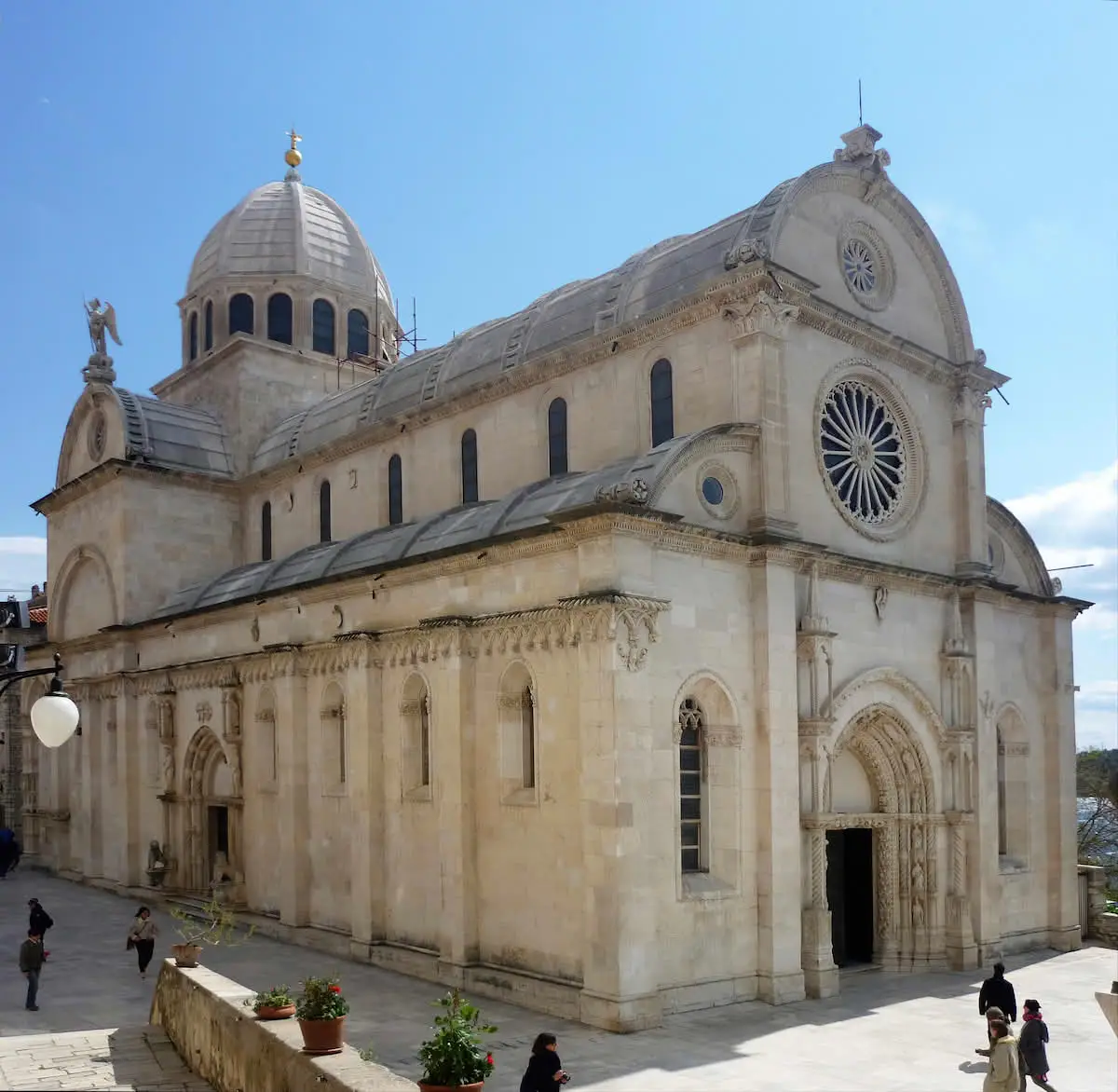 Cathedral of St.James on the main square
St. Nicholas Fortress (Tvrđava sv. Nikole)
St.Nicholas sits on the small island of Ljuljevac and is accessible only by boat. It was designed to defend the city against Ottoman naval attacks. It was inscribed on the UNESCO Heritage List in 2017 as part of the "Venetian Works of Defense between the 15th and 17th centuries" serial nomination.
Although St. Nicholas never faced a full-scale naval assault, its presence at the narrow channel entrance was enough to deter. Today, boat tours include a stop here for approximately €10–15 per person.
Main Attractions - Four Fortresses
Sibenik is defined by its defensive ring that protected the city from land and sea attacks over several centuries. Beyond St. Michael, the other three are worth seeing as well.
St. Michael's Fortress (Tvrđava sv. Mihovila)
The oldest and most prominent sits directly above the old town. It was the original citadel from which the city grew downhill toward the harbor. In 2014, it was renovated into an open-air performance venue. Summer concerts and theatre performances here are among the best cultural experiences on the Croatian coast.
St.Michael's is open daily, and you can buy tickets on the official website.
St. John's Fortress (Tvrđava sv. Ivana)
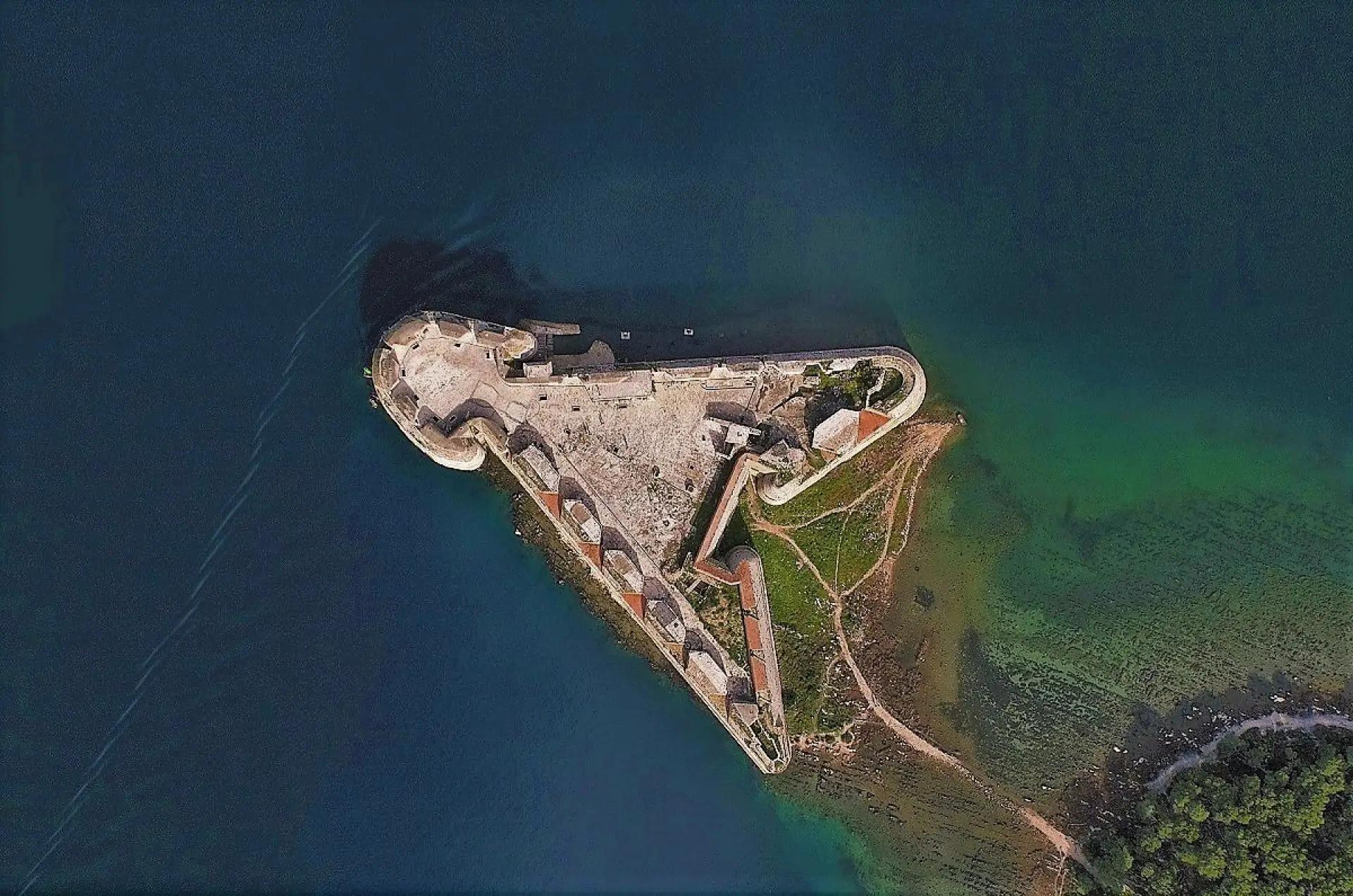
This star-shaped fortress was built in only 58 days in 1646. Sibenik's citizens joined forces to create additional defenses against an imminent Ottoman siege. In 2017, it was renovated with augmented-reality installations that allow visitors to "see" Ottoman soldiers approaching the walls through their smartphones.
Buy tickets for St. John's, or combine them with tickets for St. Michael's on the official website.
Barone (Subicevac)
Barone is a smaller fortification built in the same period as St. John's as part of the expanded defensive line. It is less visited, but worth the short additional walk for the quieter experience.
Best Areas for Luxury Sibenik Villas, Croatia in 2026
Choosing the right area for your holiday villas in Sibenik depends on your priorities. Here are the key areas where RLVC guests typically book.
Villas in Sibenik Old Town and Surroundings
Villas within or near the center will suit those who prefer to walk to restaurants, the cathedral, and the waterfront. The trade-off is usually a smaller outdoor space, though some include plunge pools or jacuzzis.
The nearest beach is the Banj Beach, the city's main pebble beach. It is well equipped with sunlounger hire, showers, lifeguards, and a beach bar. A great option for guests staying in or near the center.
Prices vary, but expect to pay €1,000-€3,000 per week for 2–4-bedroom properties. Browse villas in Šibenik on the RLVC Šibenik page.
Stroll Through Vodice
Vodice is one of the liveliest resort towns. The waterfront promenade has many restaurants, cafes, and cocktail bars. This town has a genuine buzz in summer, so it is a great option for those who want evening entertainment within walking distance of their accommodation. The beaches here, especially Blue Beach, are well-maintained pebbly stretches with good facilities.
Vodice is also the main departure point for organized boat trips to the Kornati archipelago. The town has supermarkets, a daily market, pharmacies, medical facilities, and ATMs, providing all the practical amenities you need.
Expect prices in the €1,500–€5,000 range per week for 3–5-bedroom villas with a pool.
Relaxation in Primosten
Primosten is one of the most photogenic small towns on the Croatian coast. Picturesque town occupies a small peninsula, originally an island, connected to the mainland by a causeway. The silhouette of its stone houses rising from the Adriatic is one of Dalmatia's most recognizable images.
The town has several beaches, with Raduca being the most popular and family-friendly. Nightlife centers on the famous Aurora Club, one of Croatia's largest open-air nightclubs.
Prices range from €1,500 to €6,000 per week for 3–5-bedroom villas. Always keep in mind that the final price depends on the season.
Browse the RLVC Dalmatia collection for villas in Primosten and the Vodice area.
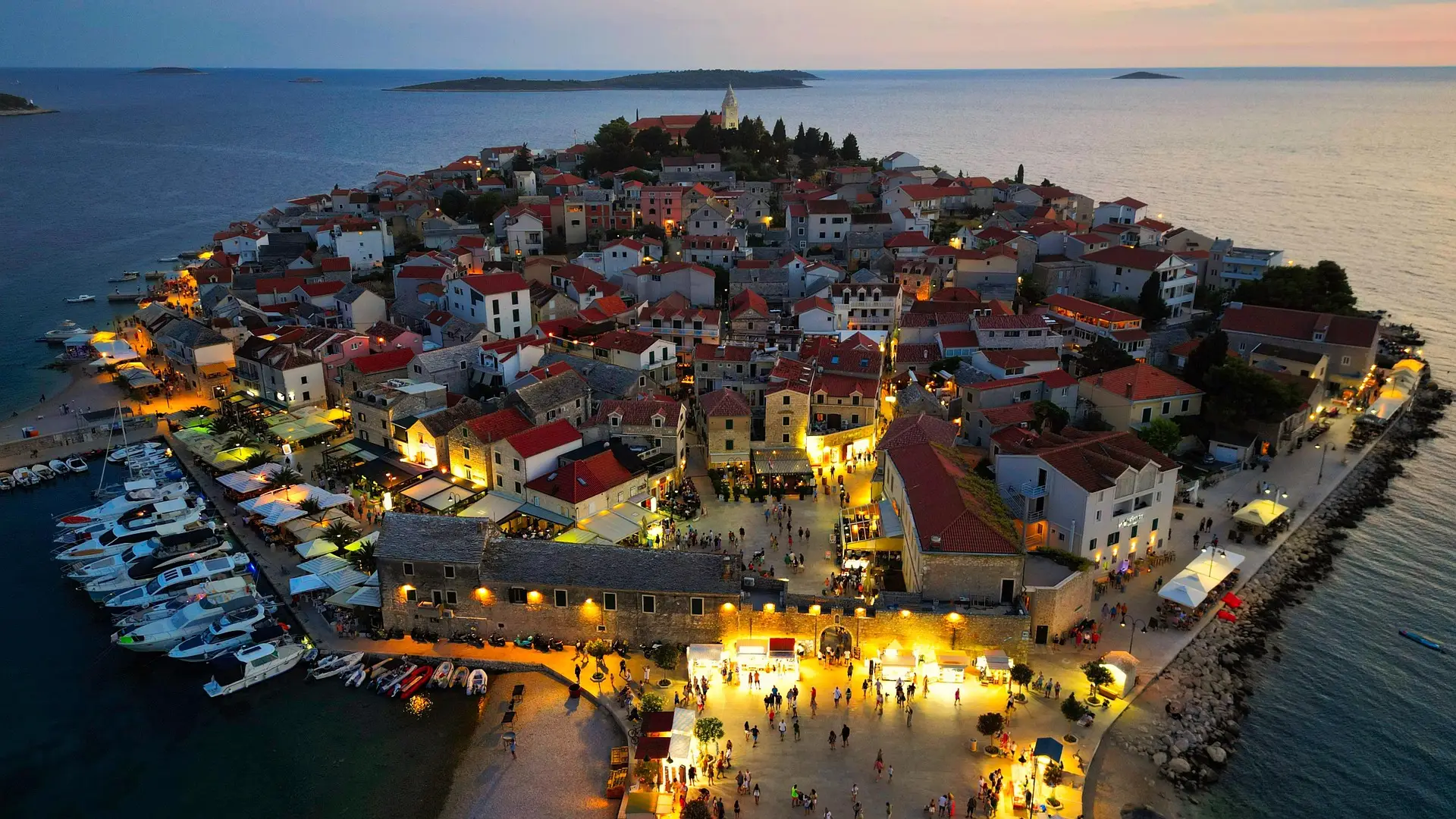 Primošten by night
Rogoznica - A Hidden Gem of the Adriatic Coast
Rogoznica wraps around a sheltered bay with a yacht marina - Marina Frapa, one of the best-equipped in Croatia. The town is more of a village than a resort. If you are seeking peace, sailing access, and an authentic Dalmatian fishing-village atmosphere, Rogoznica is the right place for you.
Just outside town is the Dragon's Eye (Zmajevo oko), a small saltwater lake connected to the sea by underground channels. The water occasionally turns red due to an algal bloom. Many legends surround the lake's creation, from dragons to aliens.
Price range is €1,200–€4,500 per week for 3–5-bedroom villas.
Surrounding Villages and Countryside
For guests seeking inland villas in villages, we offer properties in the Dalmatian hinterland at lower prices than those on the coast.
Expect to pay €1,000–€3,500 per week for 3–5-bedroom villas. These properties will suit nature lovers and budget-conscious travelers wanting more space.
Sibenik Area vs. Other Croatian Destinations
If you are planning your first visit to Sibenik, one of the biggest questions is how the area stacks up against better-known alternatives. Here is a comparison based on the metrics that matter most to villa guests.
Table No.1: Price comparison for peak season, 4-bedroom pool villa per week
|
Destination |
Price per week
|
What you get
|
|
Sibenik area |
€1,500–€5,000 | Best value in Dalmatia for the specification |
|
Split area |
€3,500–€10,000 | Higher demand, 20–40% premium |
|
Dubrovnik area |
€4,000–€15,000 | Highest prices in Croatia |
|
Hvar Island |
€3,000–€10,000 | Island premium, ferry logistics |
|
Istria |
€1,200–€6,000 | Comparable pricing, different character |
*Prices are based on RLVC 2026 portfolio data and comparable listings. Actual prices vary by exact property, dates, and group size.
What to Do in Sibenik - Complete 2026 Guide
Excursion to Krka National Park
The main reason many guests choose villas near Krka National Park is the park itself. It protects seven travertine waterfall systems created by the deposition of calcium carbonate over thousands of years.
Skradinski Buk is the largest and most-visited waterfall. A wooden boardwalk trail winds through the falls, passing old watermills and dense riparian forest.
Swimming at Skradinski Buk has been prohibited to protect the fragile travertine formations. But you can swim at the designated areas at Roški Slap, Stinice, and Pisak. Swimming is permitted from 1 June to 30 September, subject to weather and water levels.
Roski Slap, the second major waterfall system, is less visited and more atmospheric. The travertine cascades here include Manojlovac waterfall, which is the tallest.
Next, we have Visovac Island, which is a tiny island in the middle of Visovac Lake within the park. It is home to a Franciscan monastery founded in 1445. Boat tours from Skradinski Buk or Roski Slap include a stop on the island, where you can visit the monastery's church, cloister, and a small museum featuring a collection of rare books and archaeological artifacts.
You can find the prices for 2026 on the official website of Krka NP. Buy tickets online in advance during peak months, as the park caps visitor capacity and popular time slots can sell out. Arrive early (7–8 AM) or after 4 PM to avoid peak crowds.
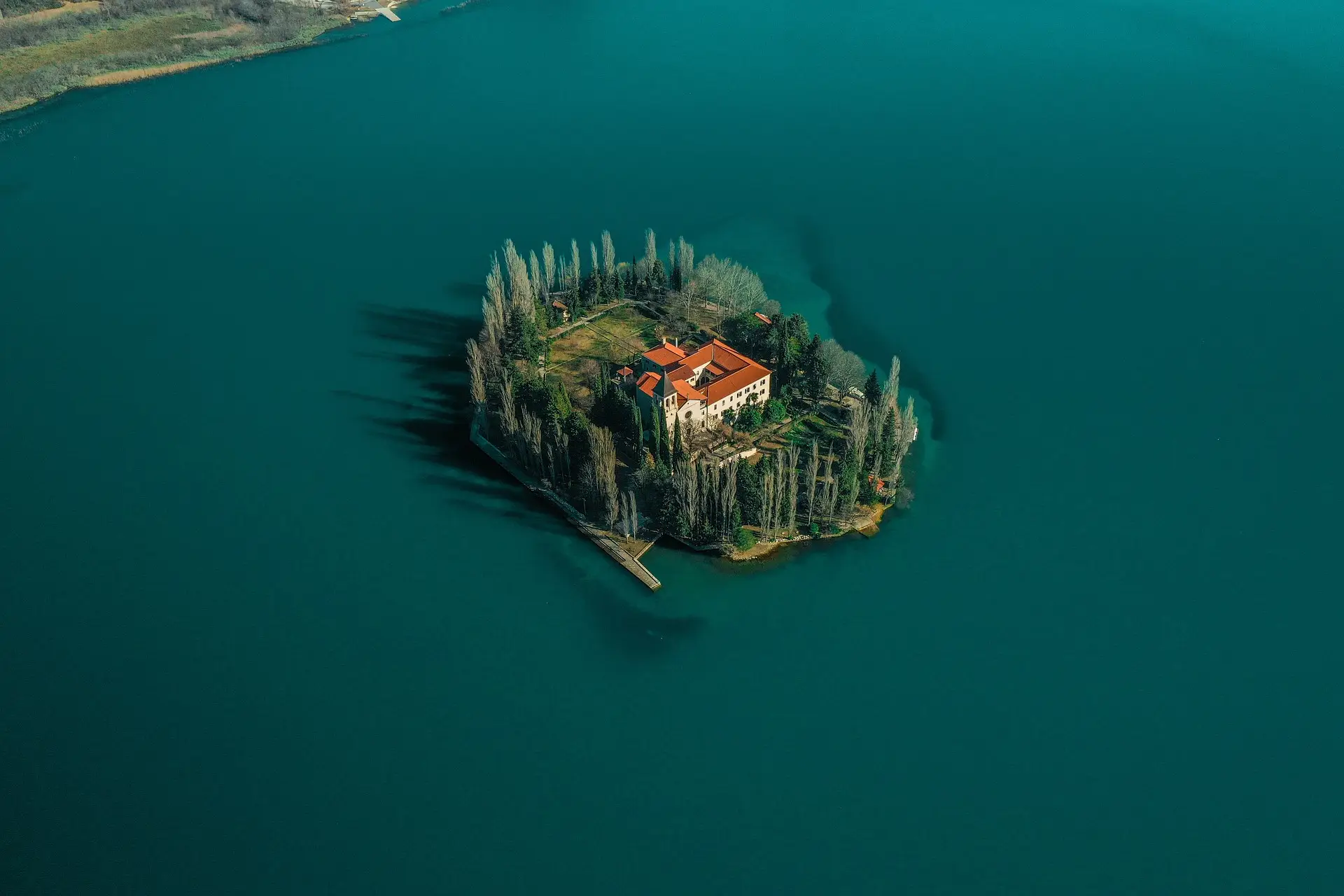 Beautiful Visovac Island
Visit Stunning Kornati National Park
The scenic Kornati archipelago comprises 89 islands, islets, and reefs in the Adriatic Sea. The islands are almost entirely uninhabited and accessible only by boat. Full-day tours depart regularly from Sibenik, Vodice, and Murter.
A typical Kornati boat tour costs €70-150 per person and lasts 8-10 hours. Includes swimming stops in secluded bays, snorkeling, and lunch on one of the few islands with seasonal restaurants. Private boat charters start from approximately €600-800 per day for groups of up to 8.
The combination of transparent turquoise water, total absence of development, and the raw beauty of the karst landscape is something well worth visiting.
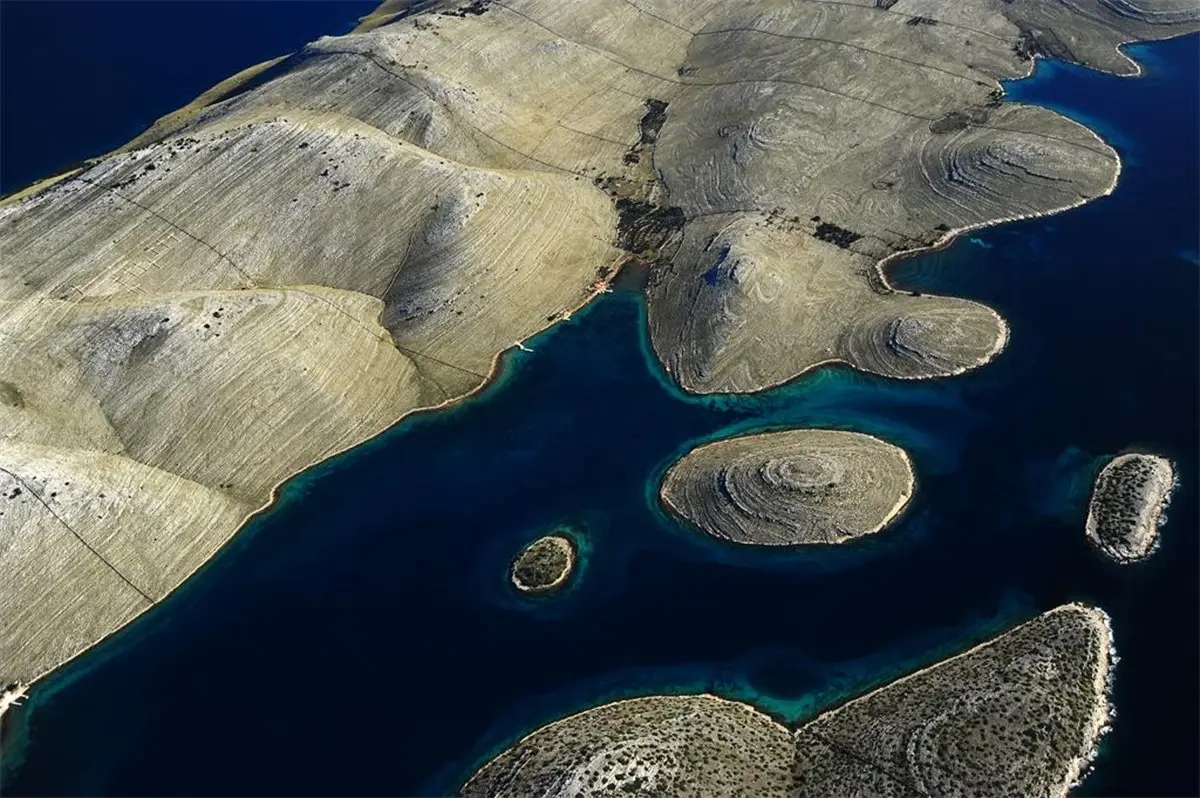 Kornati - an archipleago of 89 islands, source
Island Hopping: Zlarin and Prvic
Sibenik's own archipelago offers a budget-friendly island-hopping experience. Regular ferries run from Sibenik to Zlarin and Prvic. Check the 2026 sailing schedule and prices on the Jadrolinija website.
Zlarin is a car-free island historically famous for its red coral harvesting. It is a tradition documented since the 15th century. The Zlarin Coral Museum documents this heritage. The island has a single settlement around a sheltered harbor, a handful of taverns, and quiet swimming coves along the coast. A genuine step back in time.
Prvic has two villages - Prvic Luka and Sepurine. Prvic Luka is home to the Faust Vrančić Memorial Center, dedicated to the 16th-century polymath Faust Vrančić. He designed an early parachute documented in his 1595 book Machinae Novae and is considered one of Croatia's greatest Renaissance figures. The museum is interactive and definitely worth a visit for only €6 for adults.
Game of Thrones Filming Locations
For fans of the series, Sibenik doubles as the Free City of Braavos in Season 5 of Game of Thrones. Key filming locations include:
- St. James Cathedral served as the exterior of the Iron Bank of Braavos - the scenes where Stannis Baratheon seeks funding for his war.
- St. John's Fortress was used for the fighting pit scenes in Meereen, where Jorah Mormont battles to regain Daenerys's favor.
- The old town streets appear as Braavos when Arya Stark arrives in the city and begins her training with the Faceless Men.
- St. Michael's Fortress provides recognizable aerial shots of the city.
Game of Thrones filming locations are free to visit and largely unmarked. You will often have them to yourself.
Cultural Experiences and Festivals
Šibenik has earned the nickname "City of Festivals" for the density of its summer festivals program (Visit Šibenik – Events):
- International Children's Festival (13–27 June 2026, 66th edition): Founded in 1958, this is one of Europe's oldest and most respected children's arts festivals. For two weeks, the city's squares and streets become stages for puppetry, theatre, music, film, and art workshops for children from around the world.
- Medieval Fair: A September festival recreating medieval Sibenik with costumed performances, craft demonstrations, traditional food, and jousting in the streets.
- Off Jazz & Blues Festival: Live jazz and blues performances in atmospheric old-town venues.
- Concerts at St. Michael's: The renovated 1,077-seat open-air venue hosts a summer-long program of music, theatre, and film screenings with the Adriatic as a backdrop.
Local Cuisine - Wine and Restaurants
Pelegrini, the city's Michelin-starred restaurant, is located directly beside St. James Cathedral. Chef Rudolf Stefan focuses on hyper-local ingredients. Think his own olive oil, exclusive wine collaborations with local producers, and seasonal land and sea ingredients sourced from the area. Reservations are essential in summer, so book 2-3 weeks ahead for July and August.
Beyond this restaurant, the dining scene in and around Šibenik rewards exploration:
- Konoba Nostalgija in the center serves traditional Dalmatian dishes in an intimate setting. Prices are reasonable, approximately 20 euros for a main dish.
- Restaurant Uzorita is the oldest restaurant in Sibenik. They specialite is Mediterranean cuisine. Try risotto or a first-class fish. Prices are in the medium range.
- Bronzin is known for its top-quality food, top-notch service, and relaxing atmosphere. It is an ideal place for all occasions - from romantic dinners to business meetings. Reservations are highly recommended.
- If you are searching for a meat dish, look no further than Pjat Steakhouse. Enjoy a premium steak with a glass of wine.
The local wine to taste is Babic - a red grape indigenous to this area. Producers like Ante Sladic offer tastings, and your villa concierge can arrange private vineyard visits. The white equivalent is Debit, a crisp, refreshing grape used for both still and sparkling wines.
Dalmatian prsut is a smoked ham from the hinterland. It is different from the Istrian one - drier, smokier, and traditionally paired with sheep's cheese from Pag Island.
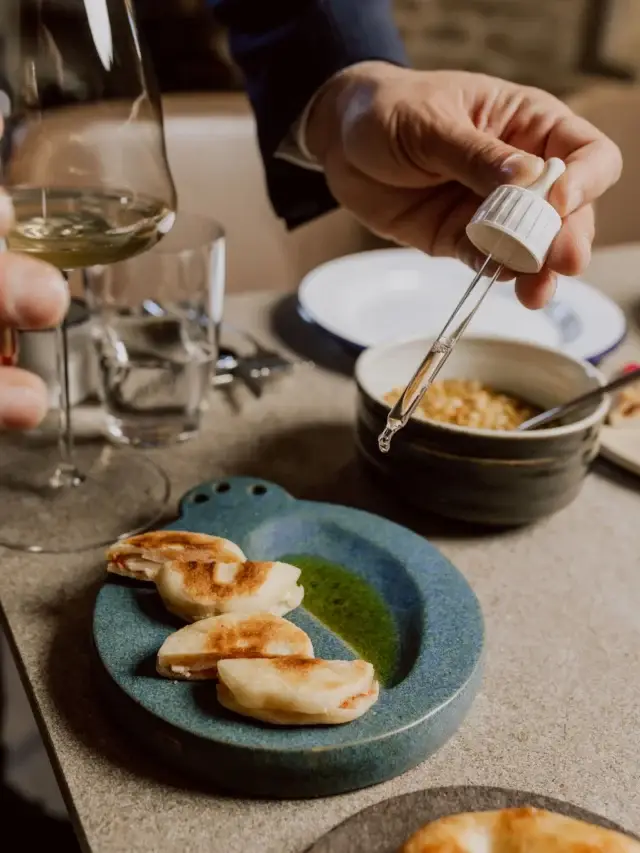 Pelegrini, a Michelin-starred restaurant, source
Great Beaches in the Sibenik Area
From city beaches to wild, hidden coves. Here are all the options that this area offers.
- Banj Beach is the city's main beach, only a 10-minute walk from the center. It is a pebble beach opened in 2012.
- The city beach in Jadrija has been a favorite among the people of Šibenik and their guests since 1921. It is recognizable by its differently colored cabins and rightfully bears the title of a cult Šibenik beach.
- Raduca Beach in Primosten is a Blue Flag-certified pebble beach on the western side of the peninsula. It has crystal-clear water and good facilities. The smaller one, Mala Raduca, on the eastern side, is more sheltered and better for small children.
The coastline between Sibenik and Rogoznica is dotted with small, rocky coves accessible by boat or short walks from the road. Ask your villa host for current recommendations.
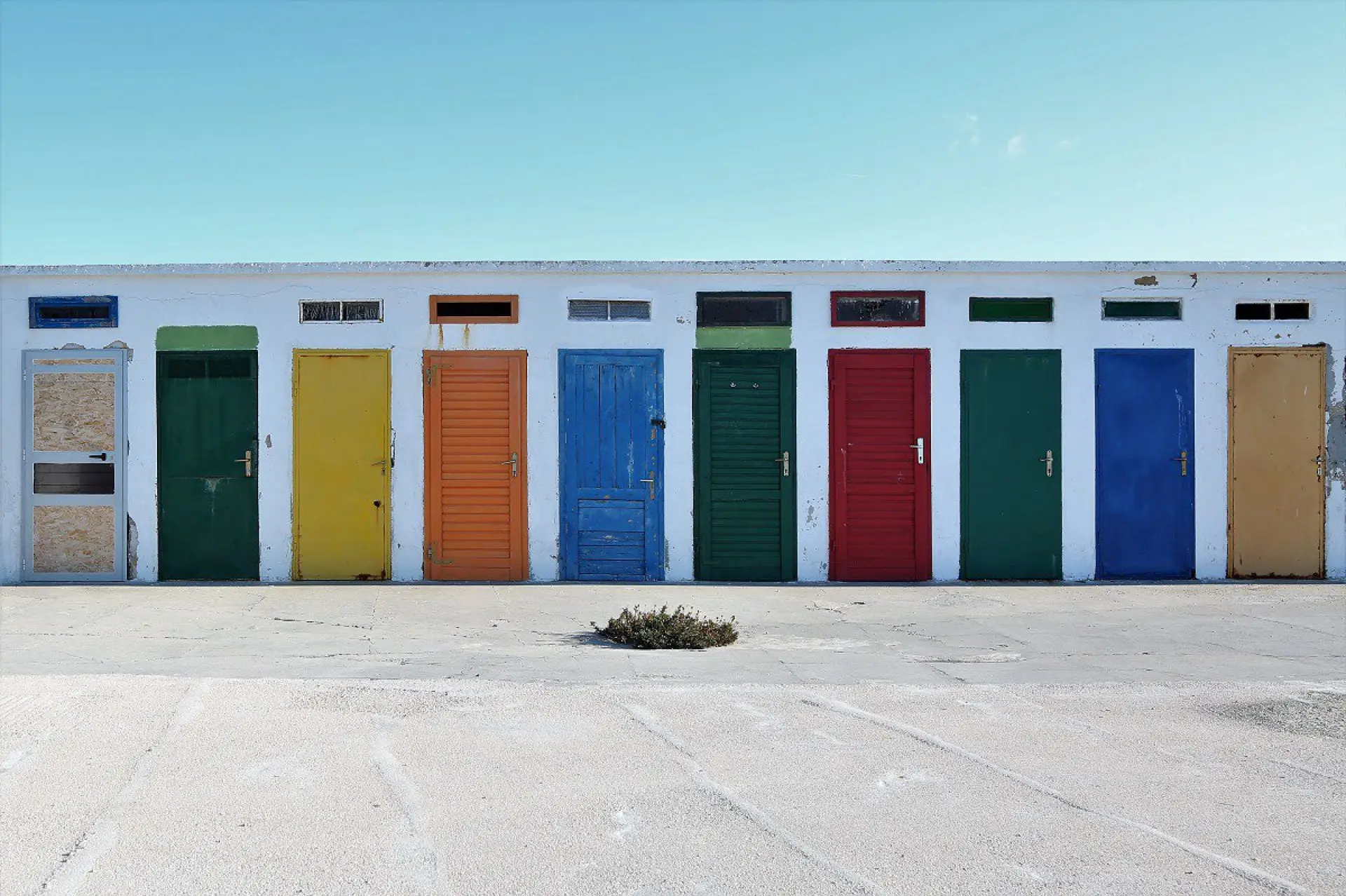 Differentely colored cabins at Jadrija Beach are popular photo spot, source
Adventure and Exciting Activities
Kayaking: Guided kayak tours along the Krka River are great for adventurous types. Half-day tours typically cost approximately €70 per person.
Cycling: The Sibenik area has several marked cycling routes, including a relatively flat coastal route and more challenging inland routes through the Dalmatian hinterland.
Diving: The Sibenik Channel and surrounding waters offer several dive sites with good visibility. Sites include underwater walls, caves, and WWII-era wrecks. Local dive centers offer PADI courses and guided dives.
Sailing: This Riviera is one of the best-equipped sailing areas in Dalmatia. Bareboat and skippered charter options are widely available, and the Kornati islands provide a world-class cruising ground.
Day Excursions from Your Sibenik Villa
Sibenik's central Dalmatian position means you can comfortably day-trip to both Zadar and Split/Trogir.
Split is a 1-hour drive away. It is Croatia's second-largest city, with UNESCO-listed Diocletian's Palace, the Riva waterfront, Marjan Hill, and ferry connections to the islands.
Trogir (45 min) is another charming old town. It is well worth visiting, especially if you are a culture lover. The town is connected to Ciovo Island by two bridges, accessible on foot.
Zadar is also 1 hour away by car. The Sea Organ, Sun Salutation, and a well-preserved Roman Forum make it attractive for a day trip.
Skradin is a small town, but worth a stop in its own right. Its harbor, stone houses, and waterfront konobas serve fresh river fish and local wine. And don't forget to try the most famous authentic dish - Skradin risotto.
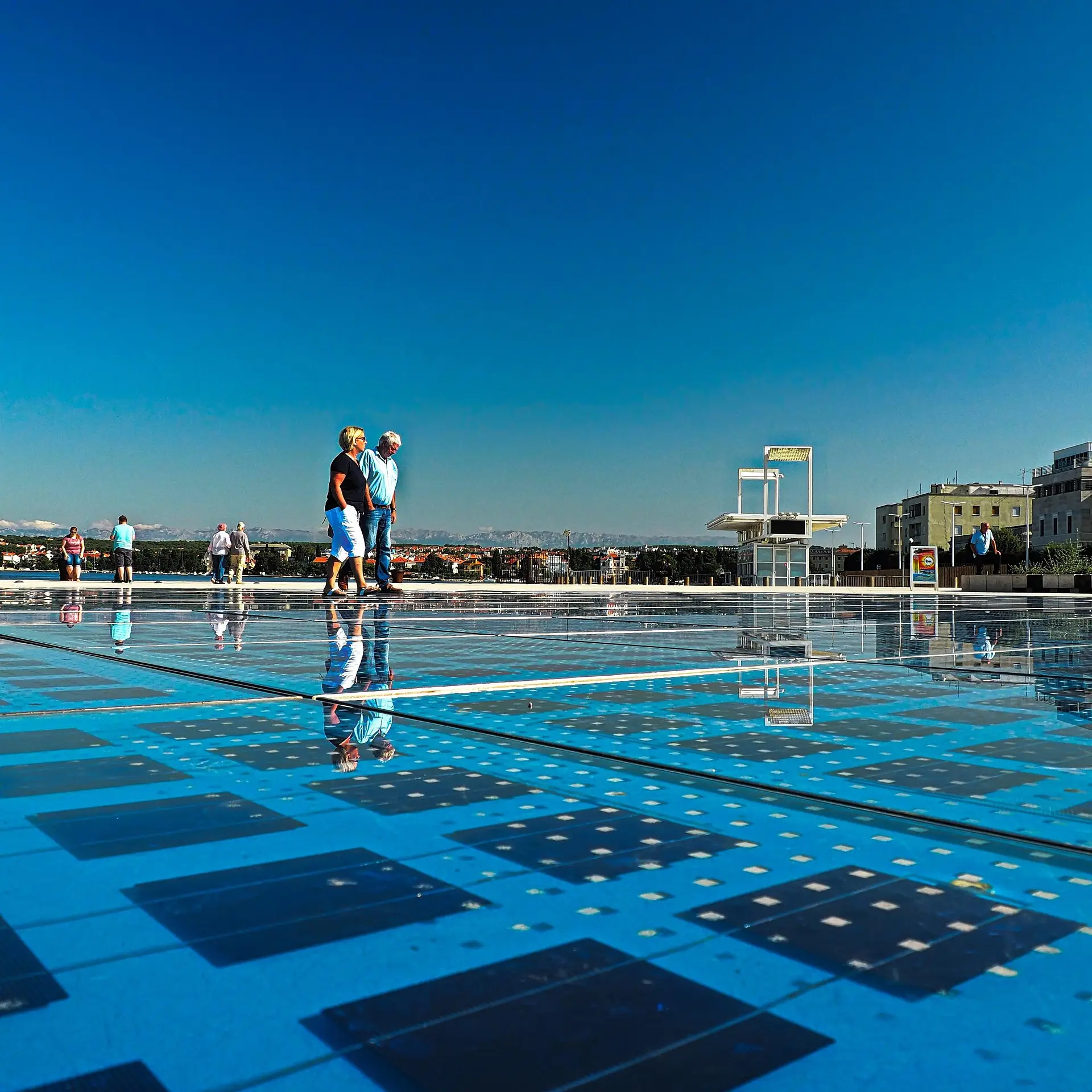 Visit Zadar and its famous Sun Salutation
Weather and Best Time to Visit Sibenik
Sibenik has a Mediterranean climate. Summers are hot and dry, while winters are mild and wet.
Table No.2. Comparison of temperatures by months
|
Month
|
Temperature
|
Sea temperature
|
Activities
|
Villa prices
|
| May | 17–24 °C | 16–18 °C | Warm days and cool evenings. Krka is at its most powerful. | 30–40% below peak |
| June | 22–28 °C | 19–22 °C | Warm enough to swim. Uncrowded beaches. Children's Festival. | 20–30% below peak |
| July | 25–32 °C | 23–25 °C | Hot and sunny. Peak season. Book well ahead. | Peak pricing |
| August | 26–33 °C | 24–26 °C | Hottest month. Busiest beaches. Longest daylight. | Peak pricing |
| September | 20–27 °C | 21–23 °C | Warm sea from summer heating. Medieval Fair. Fewer crowds. | 25–35% below peak |
| October | 17–22 °C | 18–20 °C | Still swimmable in early months. Olive harvest. Wine season. | 40–50% below peak |
Our recommendation goes to June or early September. These months offer the best combination of warm weather, swimmable sea, and lower villa prices. The sea is warmest in August, but beaches are busiest then. Late September and early October offer warm days, a warm sea, and significantly lower prices.
Getting to Sibenik and Getting Around
Flights
Šibenik is easily reached from Split Airport (SPU) or Zadar Airport (ZAD) by car, bus, or private transfer. The drive usually takes 1-1.5 hours. Direct flights operate from multiple airports in Europe from April to October.
Transfers and Car Hire
Pre-booked private transfers from Split Airport to Sibenik cost about €80–120 for up to 4 passengers. Shared shuttle services are cheaper but less flexible.
A hire car is recommended for villa guests planning day trips. Car hire at Split Airport starts from about €35–55 per day in summer for a compact car. Roads are well-maintained, and the A1 motorway connects Split and Šibenik in about 45 minutes. Keep in mind that parking in the town center is limited. Use the signed car parks on the edge of the center (€1–3 per hour).
ETIAS for non-EU citizens
Croatia joined the Schengen Zone on 1 January 2023. The ETIAS travel authorization for non-EU citizens is expected to launch in late 2026 (October–December). Once active, travelers will need to apply online before travel. Check the latest status before booking.
Practical Tips for Your Sibenik Villa Holiday
The official currency is the euro (€). Cards are widely accepted, but it is advisable to have some cash for small konobas, market stalls, or tips.
Croatian is the official language. English is widely spoken in tourist areas, hotels, and restaurants, but less so in small inland villages. A few phrases go a long way: Hvala (thank you), Molim (please), Dobar dan (good day).
Tap water is safe to drink. Refill bottles at your villa rather than buying bottled water.
Tipping is not obligatory, but 10-15% is appreciated in restaurants for good service.
Mobile data: Croatia is in the EU, and travelers should check their mobile provider's roaming charges. Many providers offer daily or weekly roaming passes. Free Wi-Fi is available in most restaurants, cafés, and RLVC villas.
Grocery shopping: Konzum, Studenac, Tommy, Lidl, and Spar supermarkets are well distributed across Šibenik. The daily market (Pijaca) sells fresh fruit, vegetables, fish, cheese, and olive oil. Many RLVC villas offer pre-arrival grocery stocking. Submit your list 48 hours before check-in.
European Health Insurance Cards (EHIC) or UK Global Health Insurance Cards (GHIC) are accepted in public hospitals and clinics. The nearest hospital is Opca Bolnica Sibenik. Travel insurance is recommended.
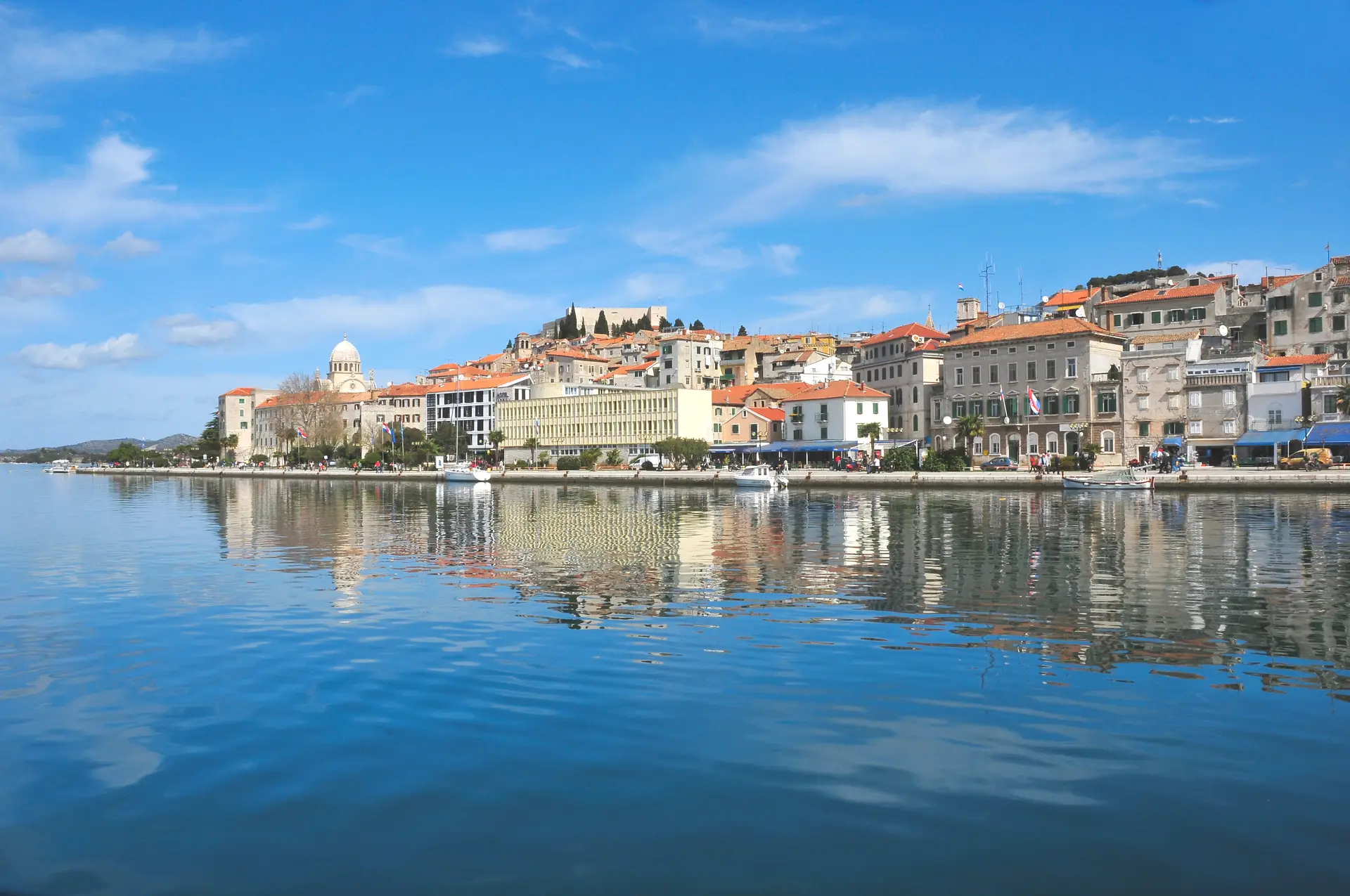 Šibenik