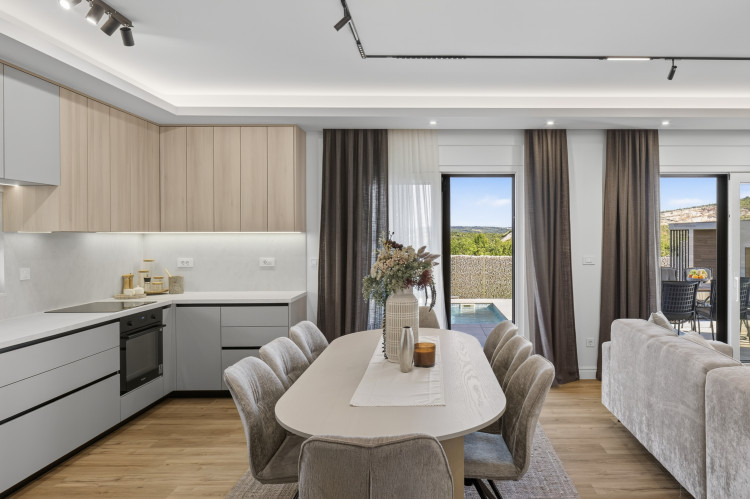

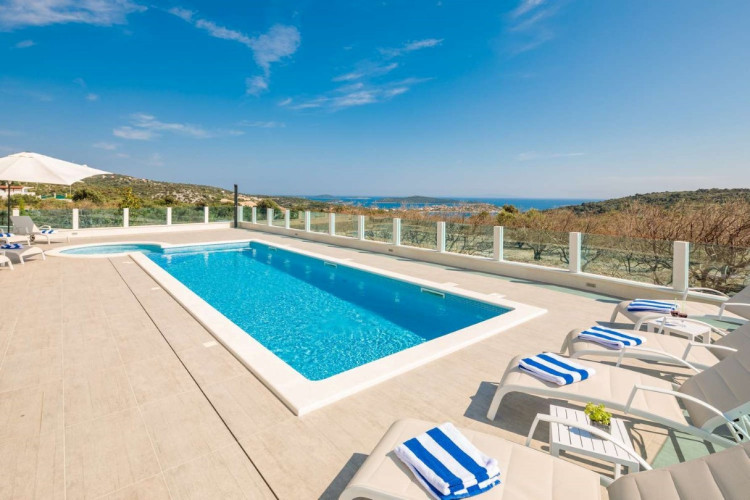
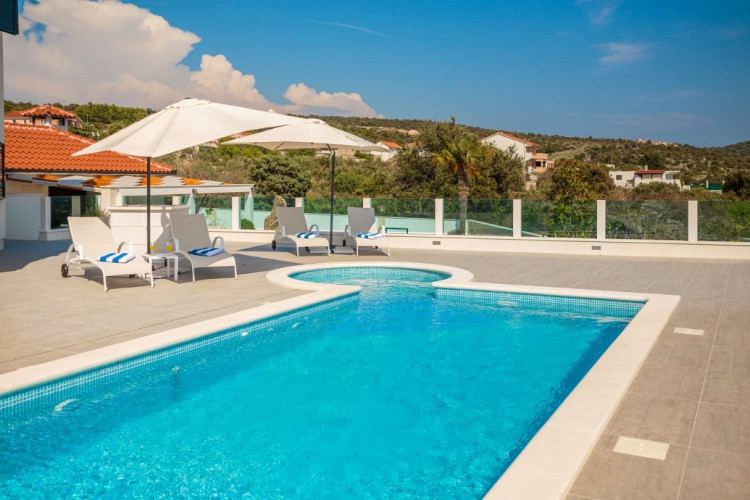
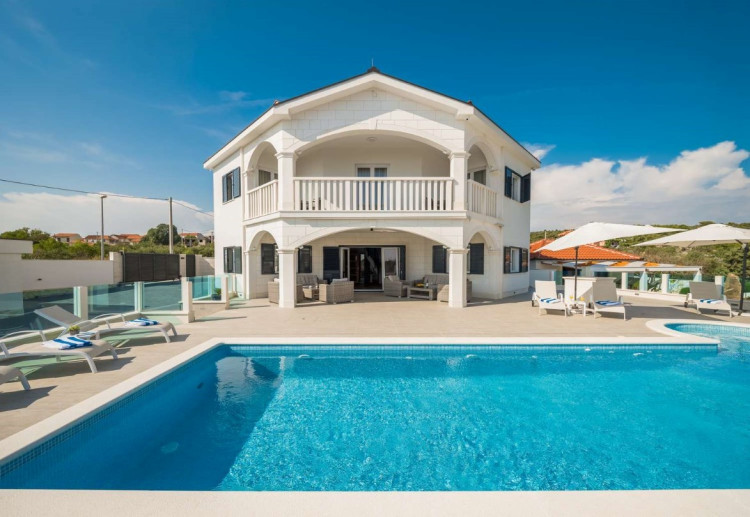
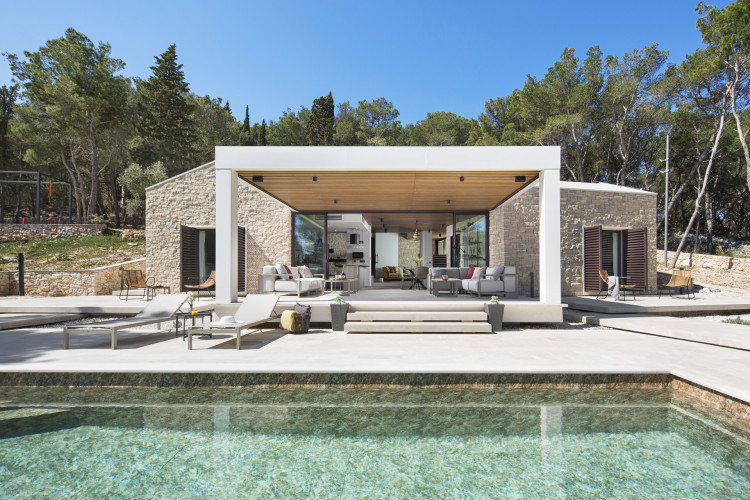
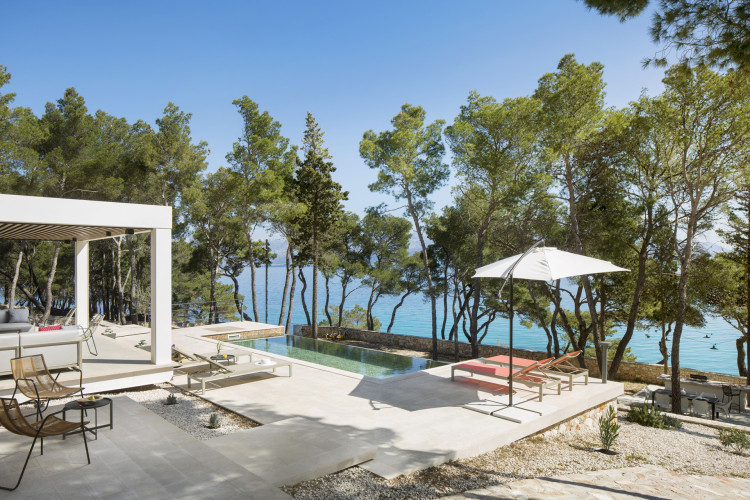




Why Choose Split for a Luxury Villa Vacation
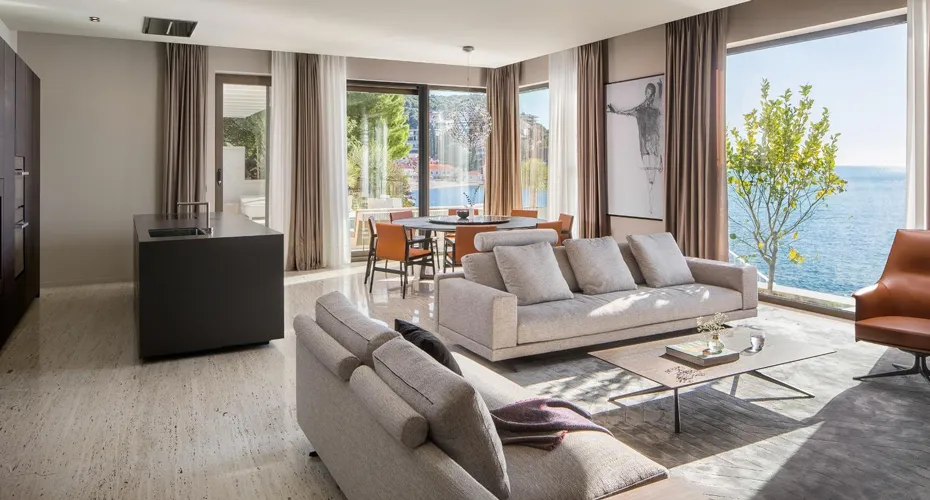
Split is a city that blends ancient Mediterranean heritage, rich history, and modern life. It is the second-largest city in Croatia and the largest city in Dalmatia. And let's not forget it is a home to the famous Ultra Europe electronic music festival. You'll find historic sites, natural beauty, and top-tier villa accommodations that match any Adriatic destination.
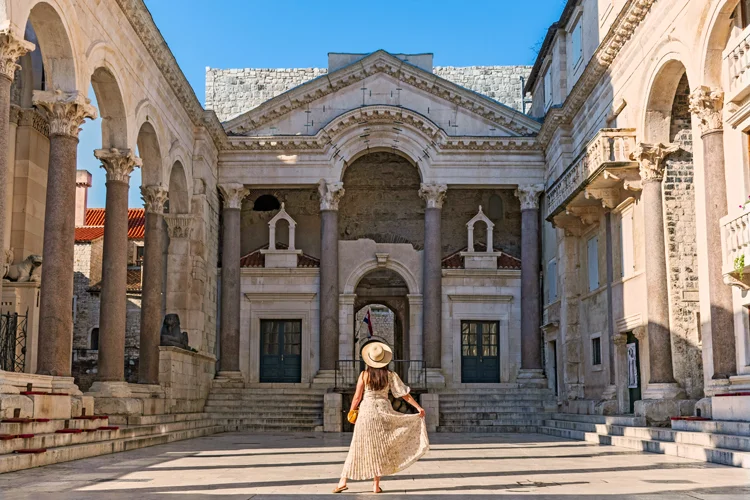
The highlight of the town center is the UNESCO-listed Diocletian's Palace, built by Roman Emperor Diocletian in 305 AD. Today, its ancient walls house modern cafes, shops, and restaurants, creating a unique atmosphere. A villa stay here offers more than relaxation—you can visit Game of Thrones filming sites (like Klis), dine at Michelin-recommended restaurants, and explore old Roman cellars now turned into wine bars.
Nearby Marjan Hill has walking paths with great views. Split is a city on the Adriatic coast, so you can find beautiful beaches just minutes from the center. In about 30 minutes by car, you can also visit the UNESCO town of Trogir or Omiš, known for its dramatic canyon.
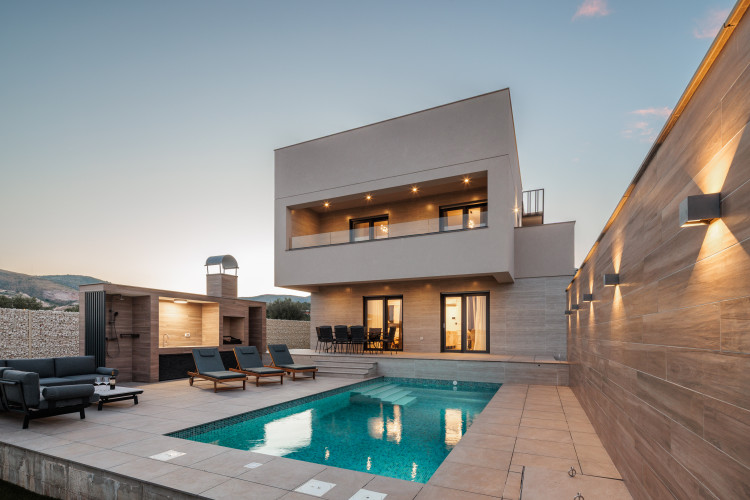
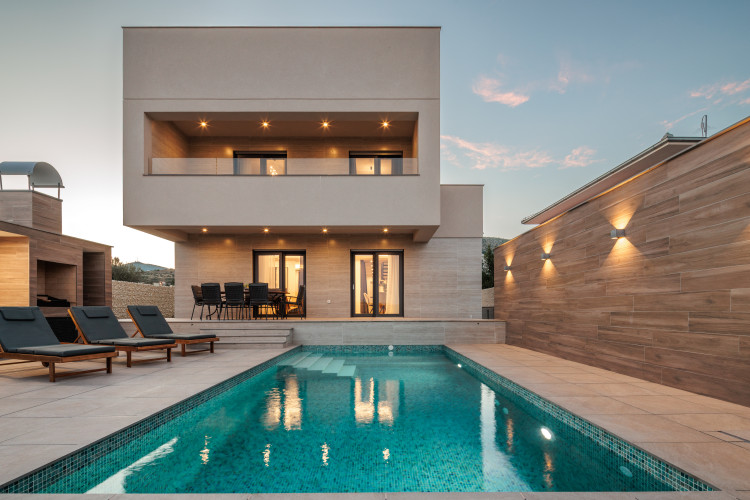
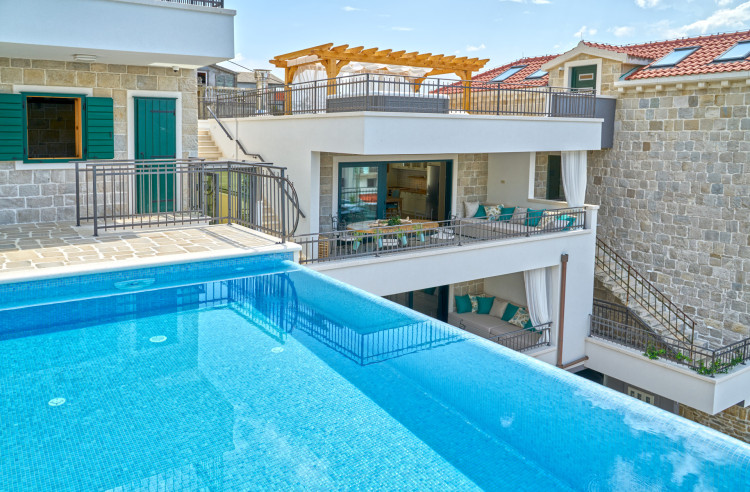
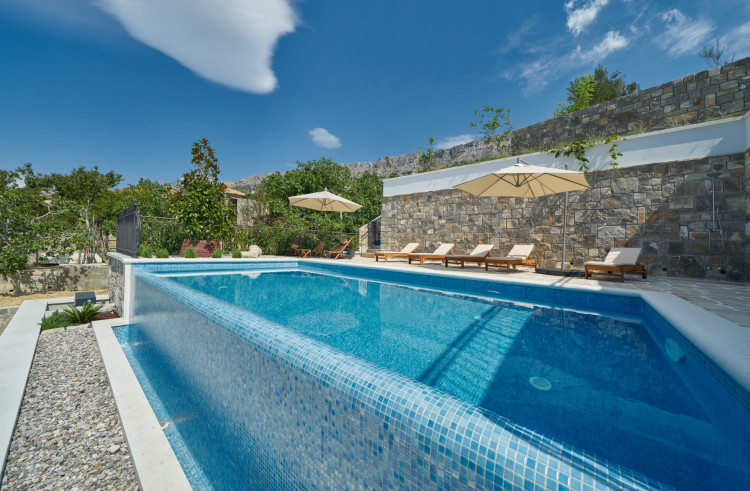
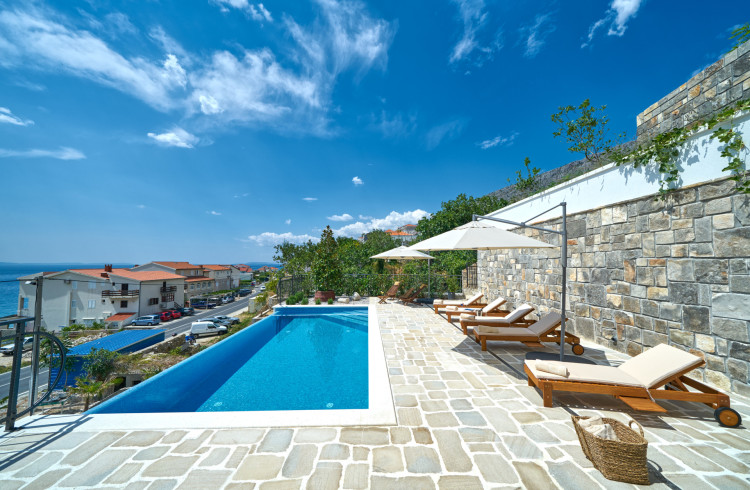
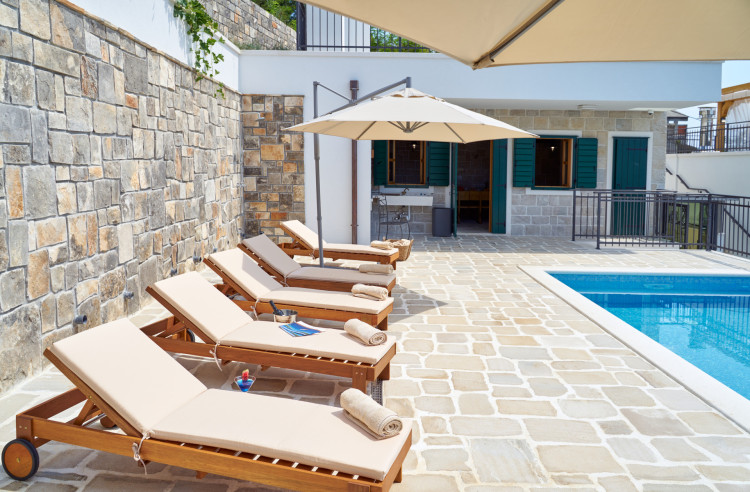
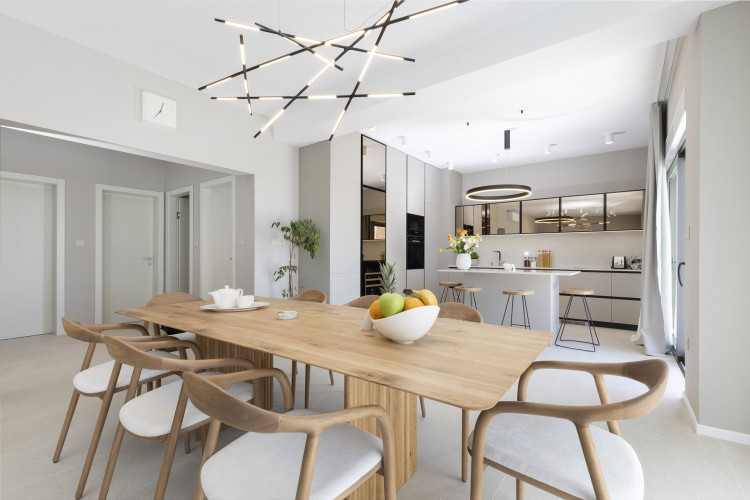
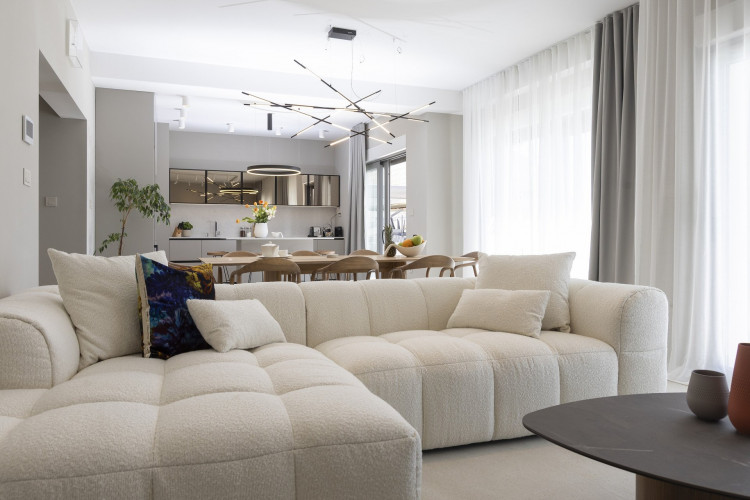
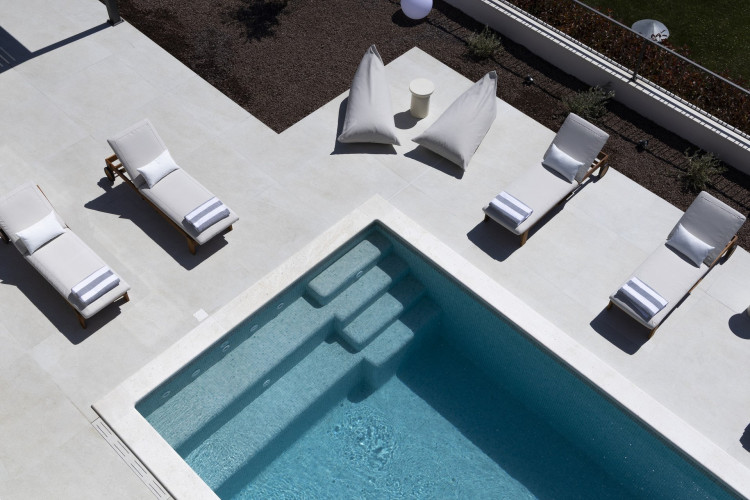
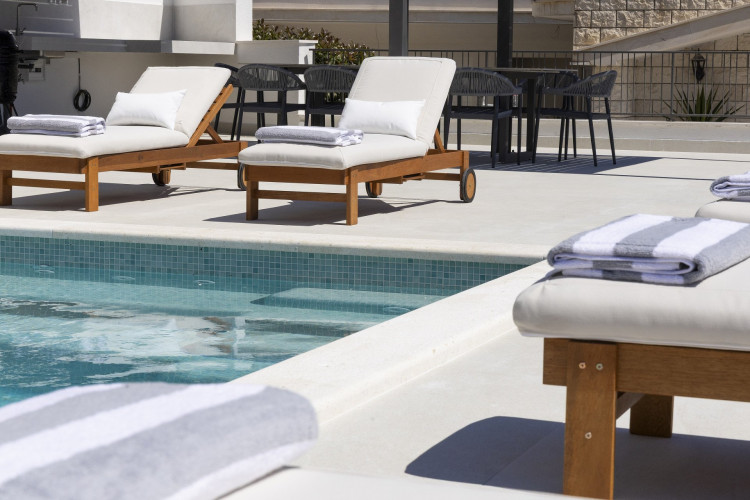
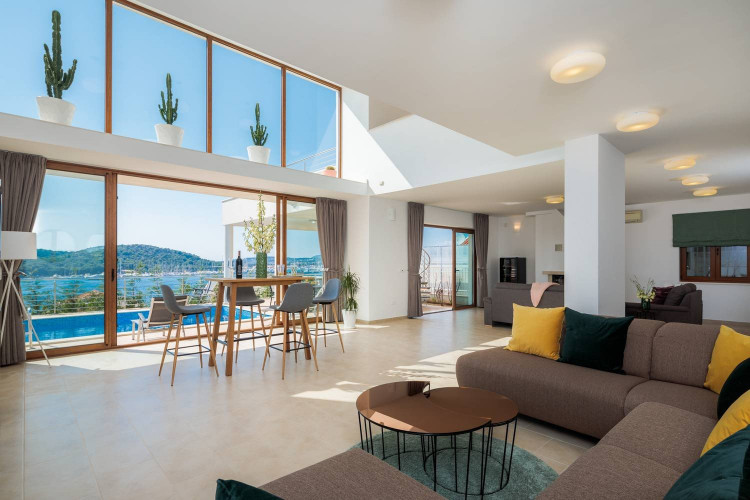
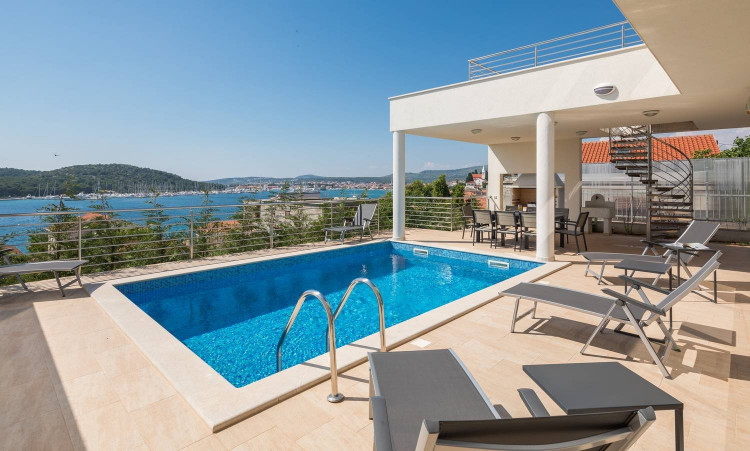
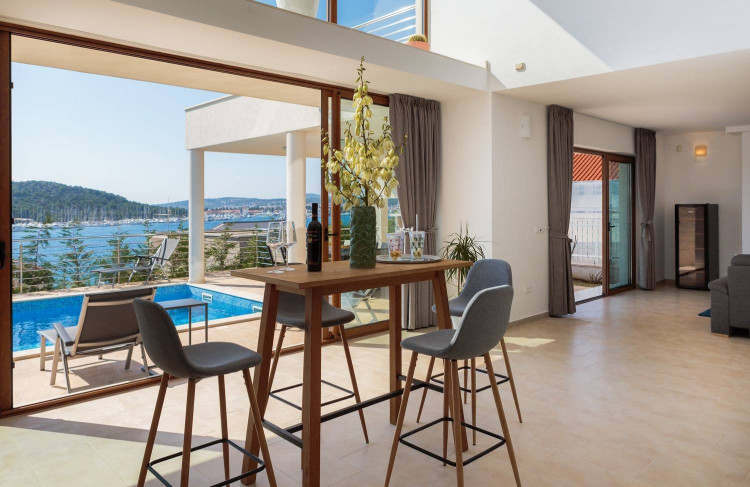
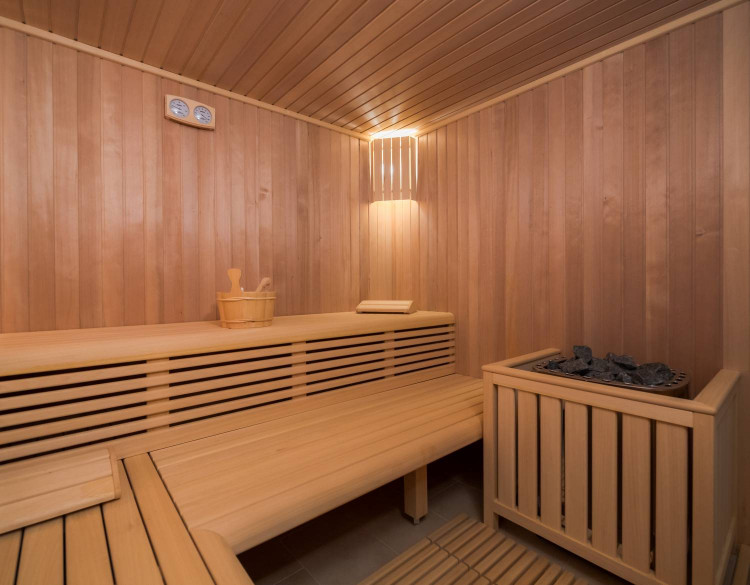
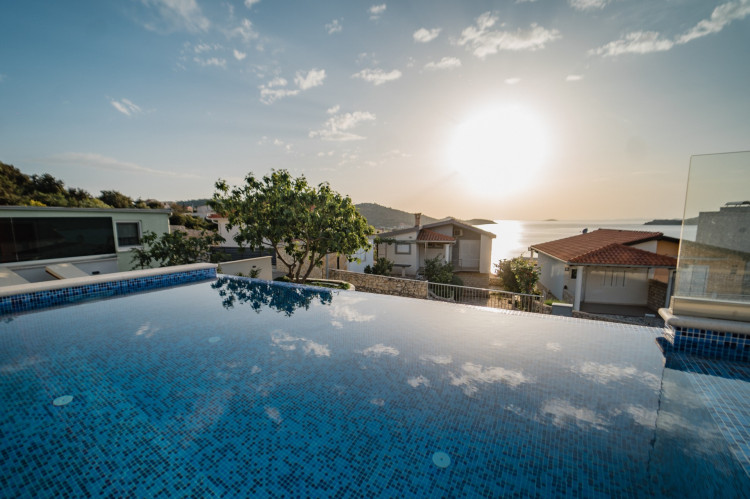
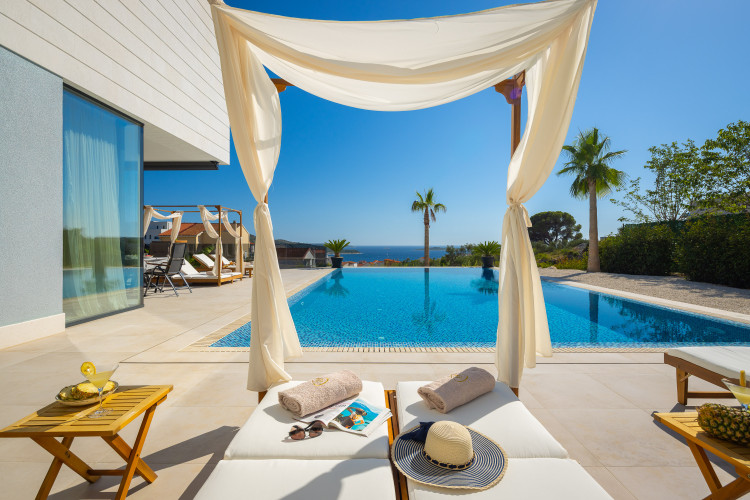
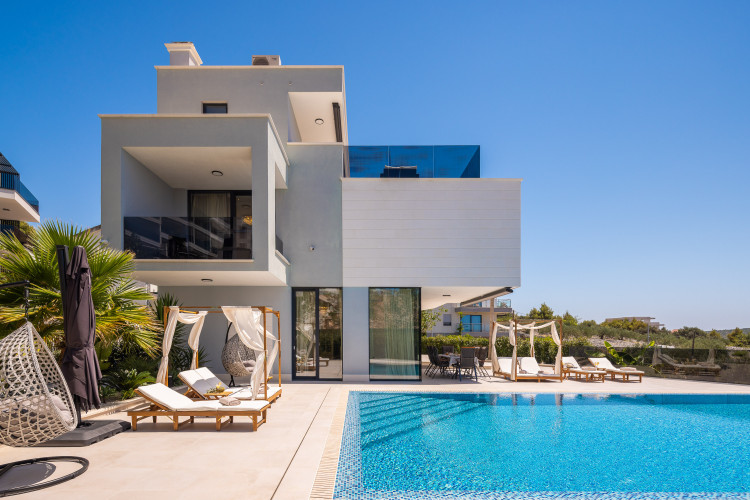
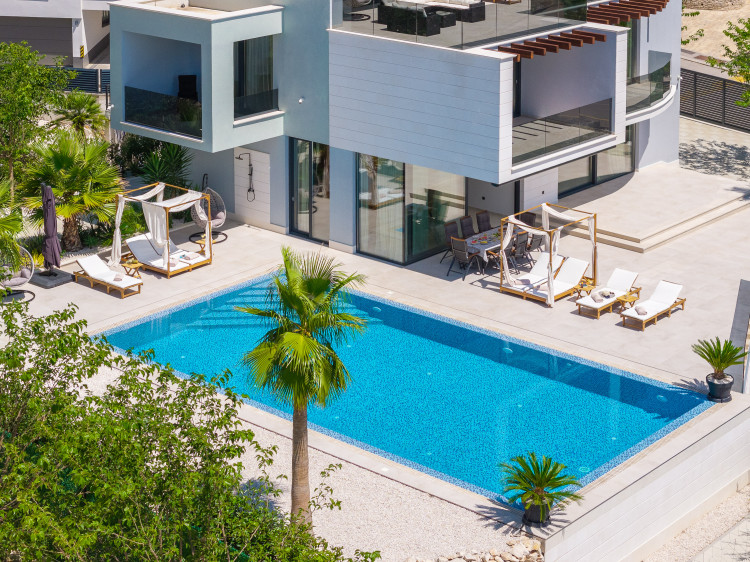
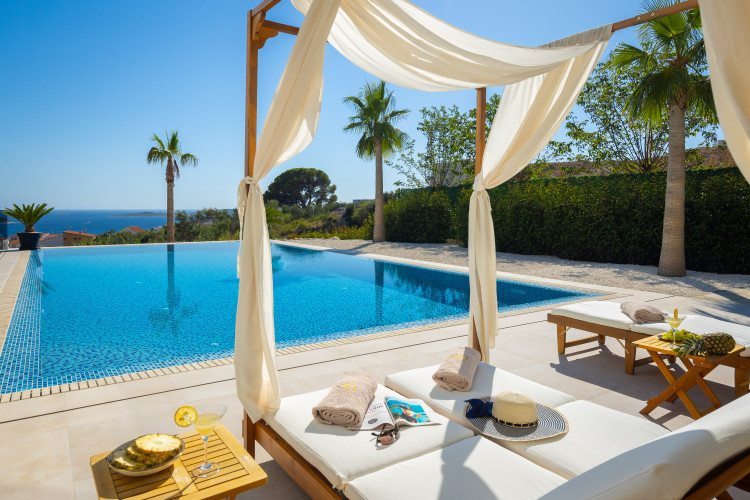
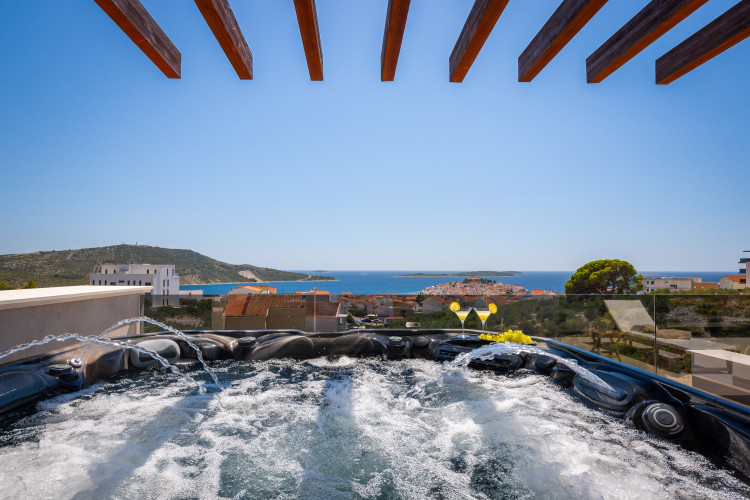
Over the past decade, Split's luxury villa market has grown. Many villas now offer heated infinity pools, spa facilities, wine cellars, and concierge services on par with five-star resorts. Split is also easy to reach—its airport has direct flights from over 60 European cities in summer. And starting April 2026. there will be a direct line to New York.
Split is a perfect base for exploring Croatia's natural attractions. Krka National Park is only 1.5 hours away, and Plitvice Lakes National Park—the country's most visited spot—is a 2.5-hour drive. The Dalmatian countryside offers wine tasting, and the Cetina River in Omiš is perfect for rafting, canyoning, and zip-lining.
Booking a villa in Split will let you enjoy authentic Croatian life along with premium accommodations.
Best Areas in Split for Luxury Villas in 2026
Choosing the right area for your booking greatly affects your vacation experience. Each neighborhood delivers distinct characteristics, from seafront glamour to hilltop tranquility. Knowing these differences will help you select the perfect location for your needs.
Kaštel Riviera
Kaštela is a string of seven towns between Split and Trogir: Kaštel Sućurac, Kaštel Gomilica, Kaštel Kambelovac, Kaštel Lukšić, Kaštel Stari, Kaštel Novi, and Kaštel Štafilić. There you can find some of the region's most impressive waterfront estates. From Kaštela, it is easy to access both Split (15-25 minutes) and Trogir (10-20 minutes).
Each of the seven kaštels (castles) was developed around the fortified summer residences of noble families, built in the 15th-16th centuries. Today, these historic cores feature waterfront boulevards, stone architecture, small harbors, and traditional eateries.
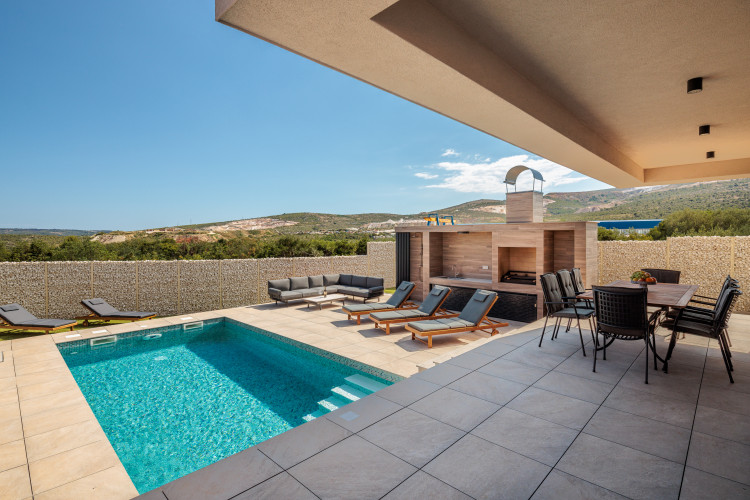
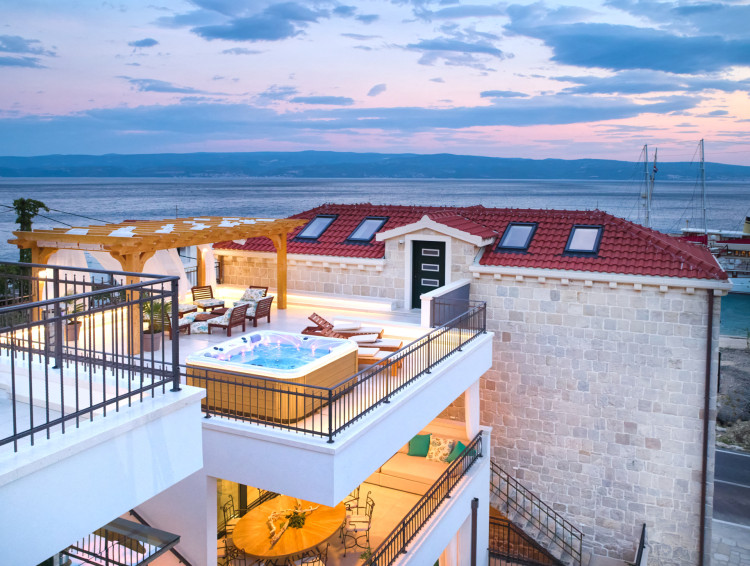
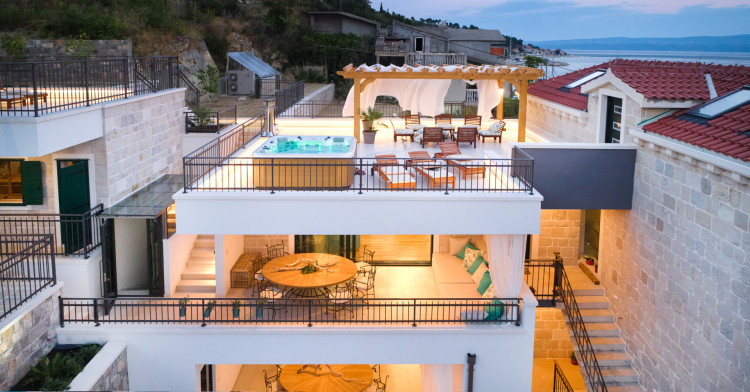
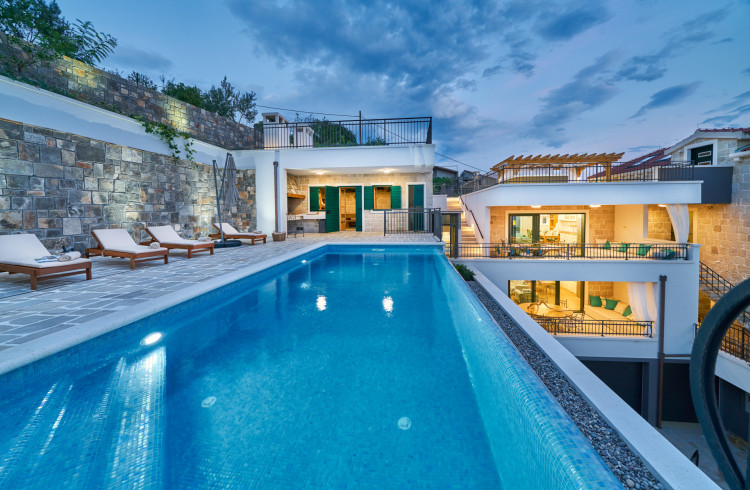
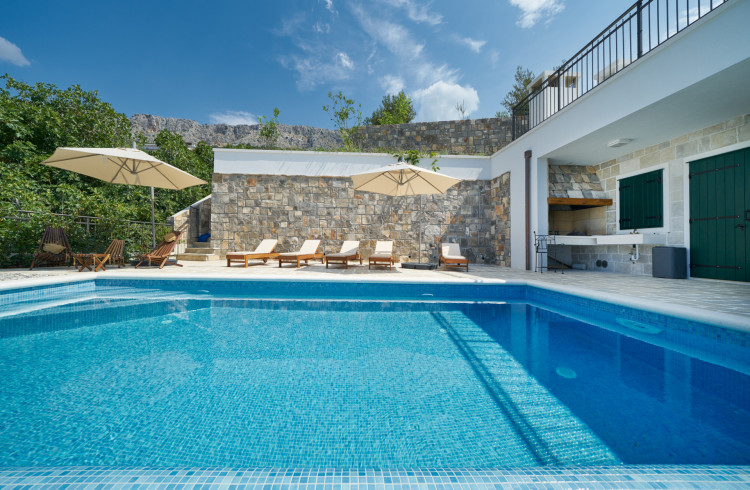
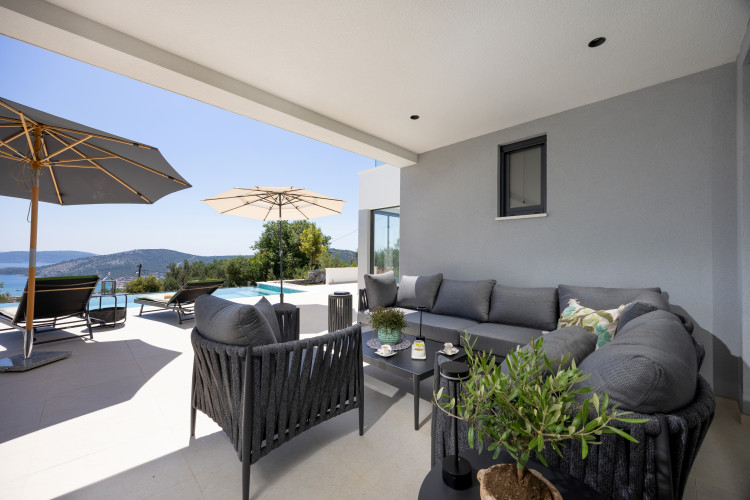
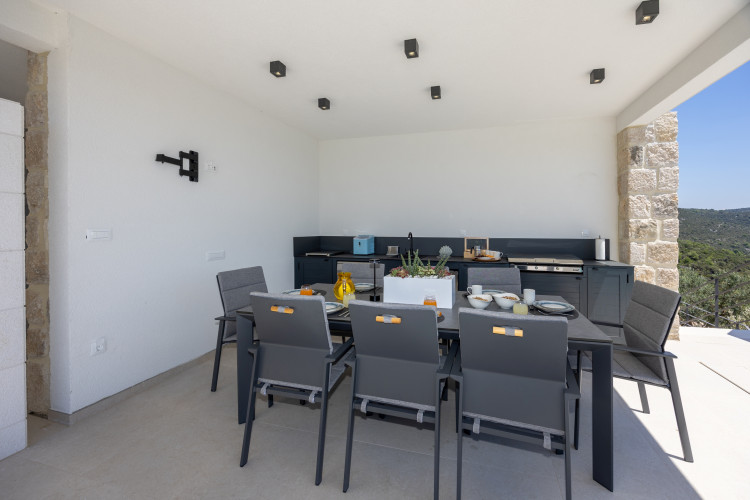
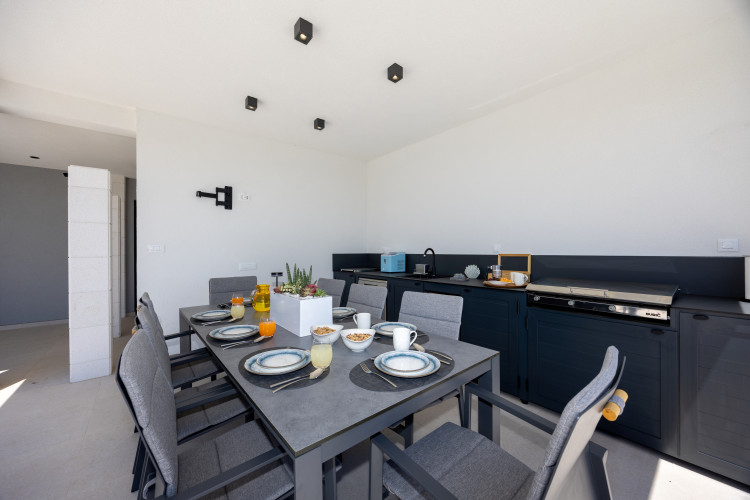
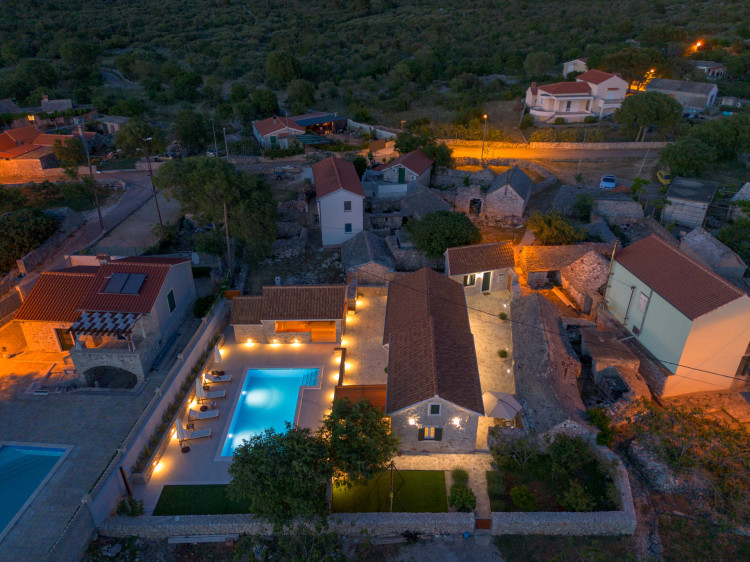
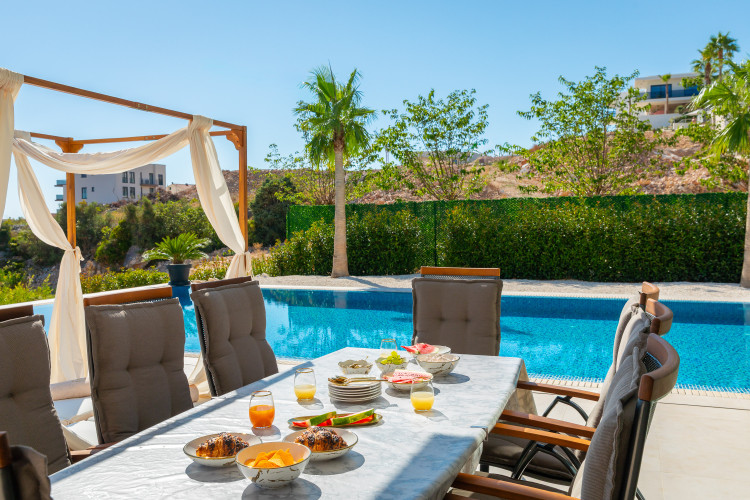
This area offers much more space than the city of Split. You’ll find villas with several terraces, big lawns, play areas for kids, and large pool zones with outdoor kitchens and dining spaces. Prices are reasonable—expect to pay €6,500-€16,000 per week for your stay.
Split Airport (SPU) is in the middle of Kaštela (Kaštel Štafilić), so transfers to your accommodation are around 5-10 minutes. The coastal road provides easy access to the cities of Split and Trogir. On the other hand, the neighboring Kaštela area maintains a quieter, more residential character.
Stobreč and Podstrana
South of Split, these two coastal villages offer a mix of new villas and renovated older homes.
Stobreč, 8km from Split's center, maintains a village character with a medieval old town core, a harbor, and pebble beaches. New villas are usually set on the hillside above the coastal road. They offer elevated sea views and greater privacy than beachfront properties. Stobreč is a popular destination for families with young children because of its pebble beaches and the nearby camp.
Podstrana stretches 7km south of Stobreč. Both areas are just 15-20 minutes from Split by car when traffic is light. In summer, though, traffic can get heavy, especially on weekends.
Families especially like these areas for their privacy, safety, and child-friendly beaches. Prices for 4-5 bedroom villas range from €3,500 to €10,000 per week, depending on the season.
Omiš Riviera
The Omiš Riviera, 15-35km south of Split, is perfect for guests who want more privacy and adventure. Omiš town is at the mouth of the Cetina River, surrounded by impressive limestone cliffs and a beautiful canyon.
If you are an active traveler, you will find this area ideal. The river offers rafting, canyoning, and zip-lining, while the surrounding cliffs offer rock climbing and hiking. The coastline features quieter pebble beaches and small villages such as Mimice, Marušići, and Pisak, with an authentic character.
You can find everything - from renovated stone houses in Omiš old town to modern villas in nearby villages. Prices for 4-5 bedroom villas are lower in the shoulder season (€1,800 to €4,000 per week) and rise to €3,500 to €7,000 per week in summer. This area is great if you want to take day trips to Split and the islands, but prefer a peaceful base close to nature and adventure.
Beachfront vs. Hillside Villas – Which is Better?
Deciding between a beachfront or hillside villa in Split comes down to your preferences and travel style. Each has its own benefits, so knowing the differences can help you choose the right place to stay.
Beachfront Villas: Immediate Sea Access
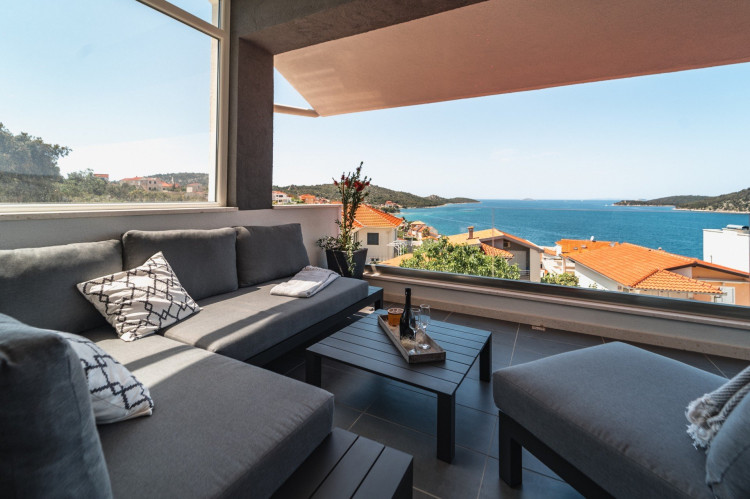
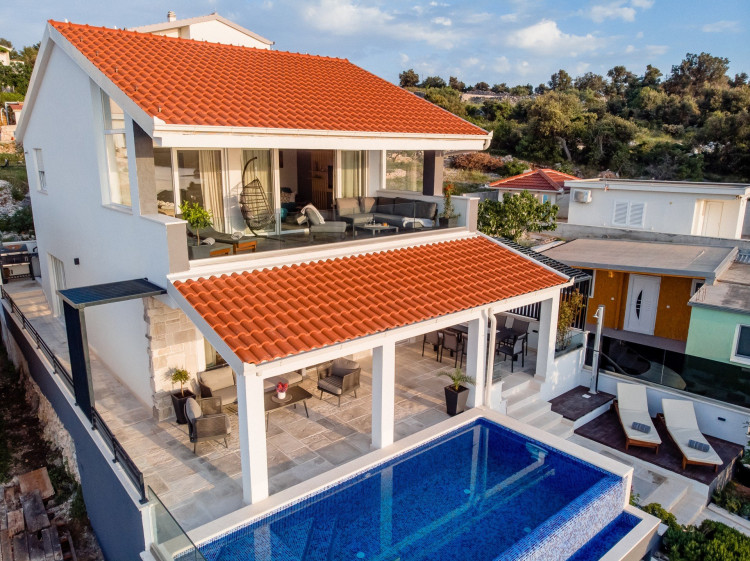
Beachfront villas in places like Podstrana, Stobreč, and Omiš are ideal for beach lovers. You can walk straight from your villa onto the sand or pebbles. These spots are great for families, early swims, and quick dips any time. You’ll enjoy the sound of the waves and sunset dinners on the terrace. If you have kids, you’ll appreciate being able to watch them play on the beach from your villa.
However, beachfront villas have some downsides. They’re often on busy roads with more people around during peak season, so privacy can be limited. Prices are usually 20-30% higher than those of hillside villas, and the properties are often smaller due to their prime location.
Keep in mind that noise can be an issue during July and August. Beach clubs stay open late, the seafront is busy in the evenings, and beach-cleaning vehicles start early in the morning.
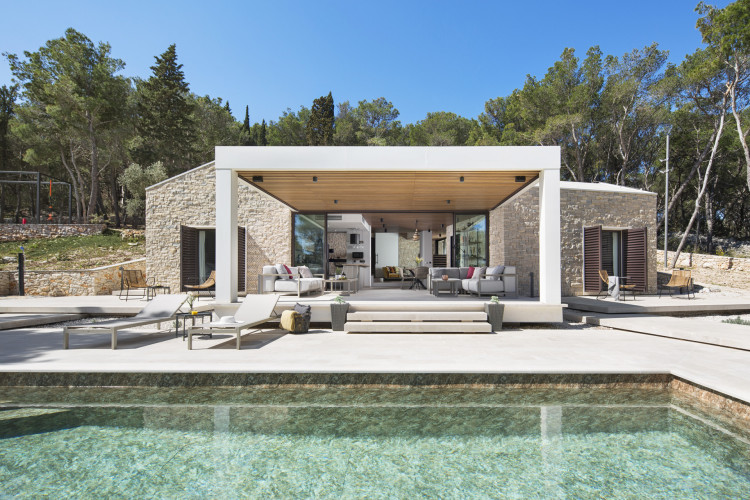
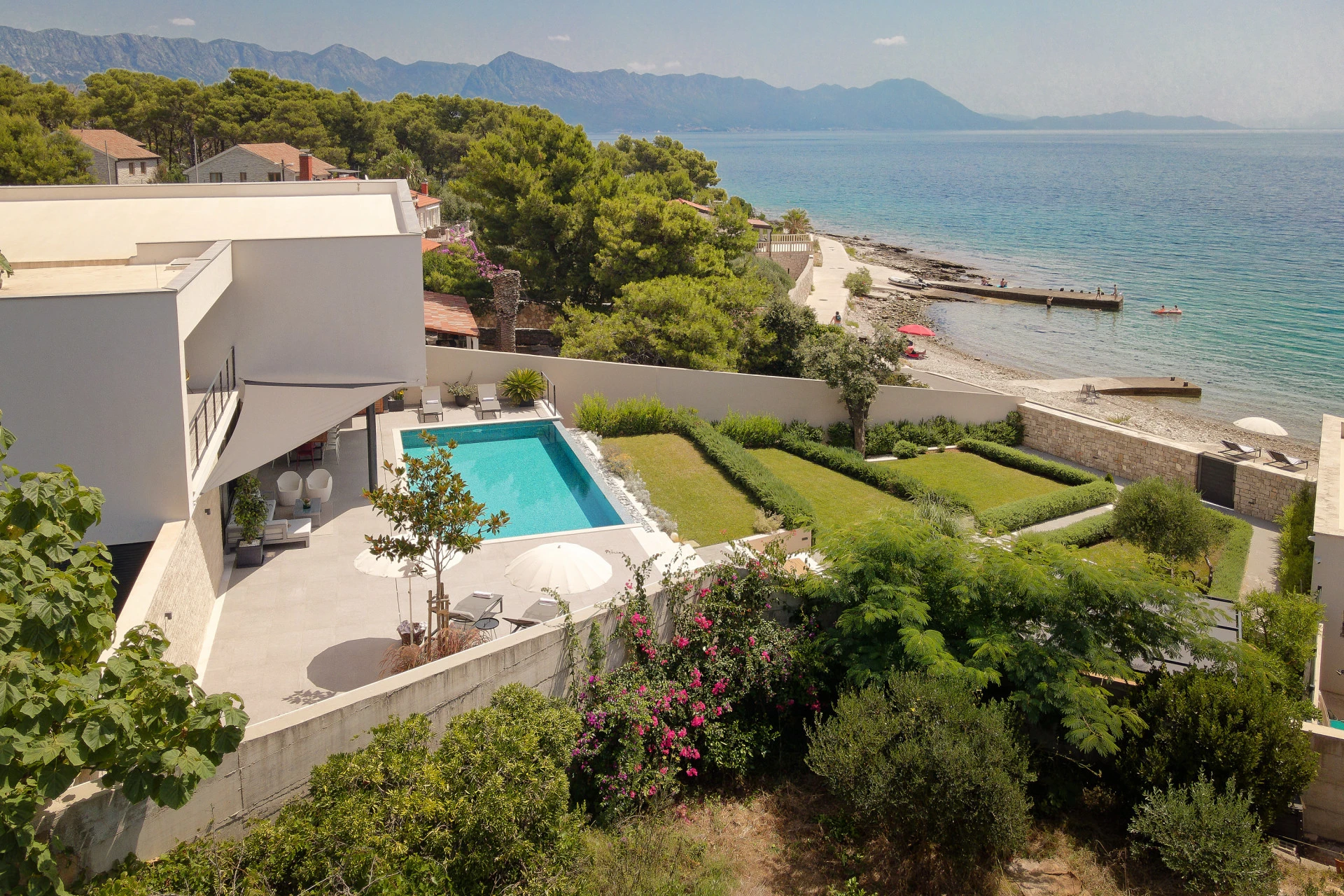 Beachfront Villa Katina on Hvar
Hillside Villas: Views, Privacy, and Space
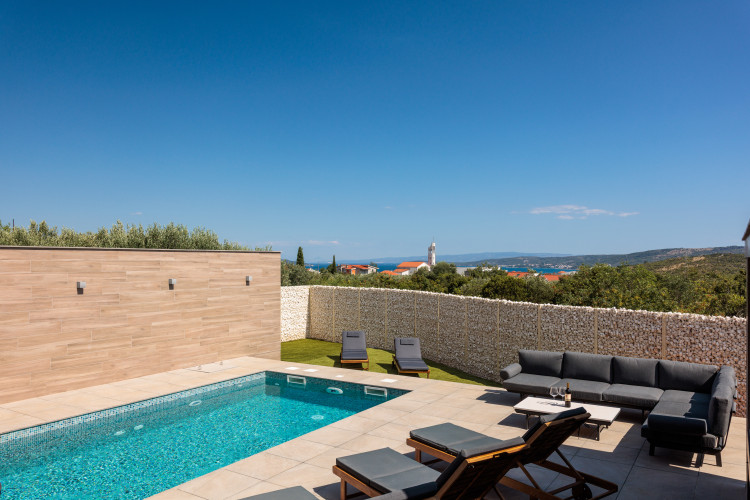
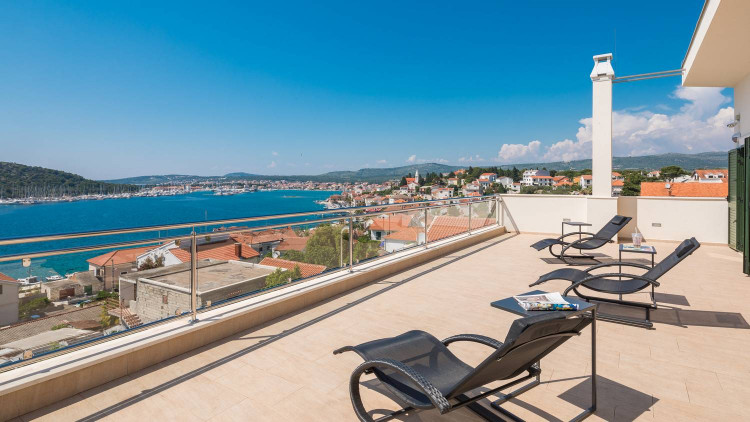
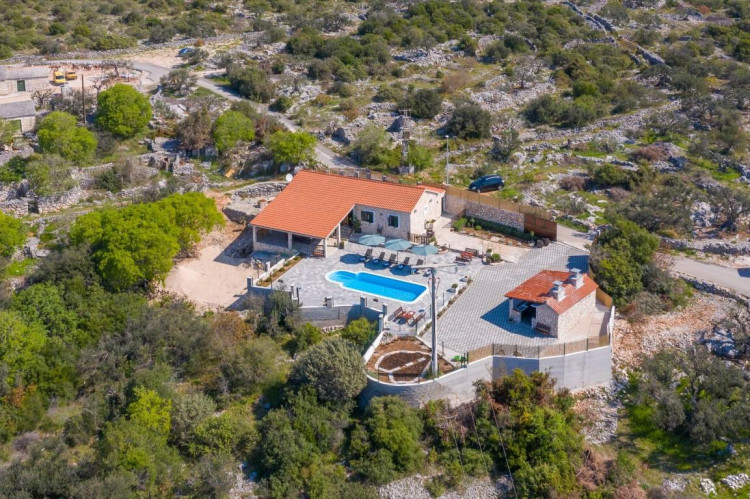
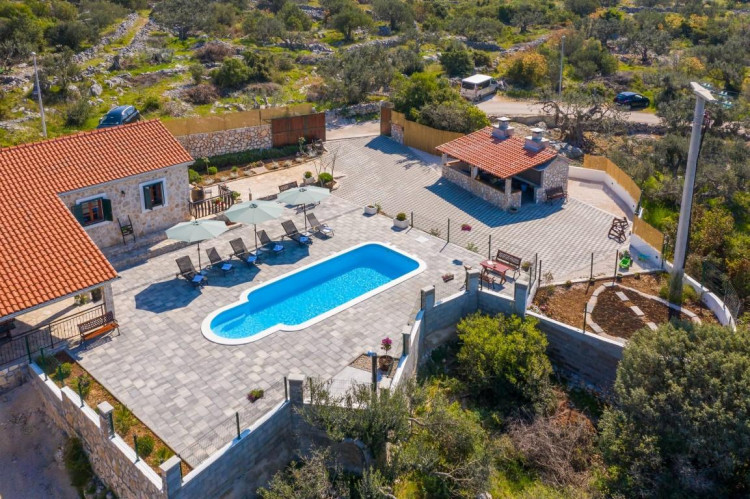
If you want a more intimate villa, consider places like Žrnovnica, Tugare, or Srinjine. Hillside properties offer stunning views and plenty of privacy. They usually have bigger outdoor spaces, large pool areas with sun and shade, and quiet spots for reading or relaxing. Being higher up also means cooler breezes in summer.
The main thing to consider is that you’ll need to walk or drive 5-15 minutes to reach the beach. This can be inconvenient, especially with young children or if you plan to go to the beach several times a day. Still, hillside villas often make up for it with bigger, more impressive pools and outdoor spaces, so you may not need to visit the beach as often.
Secluded hillside villas are also often a better value, costing 20-30% less than similar beachfront options.
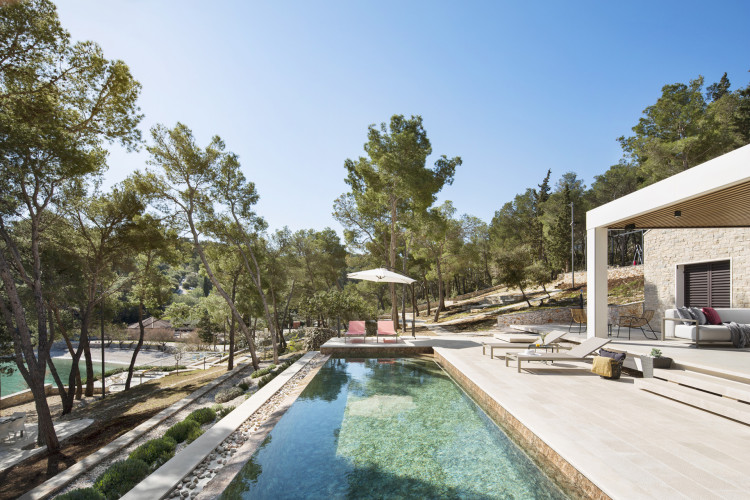
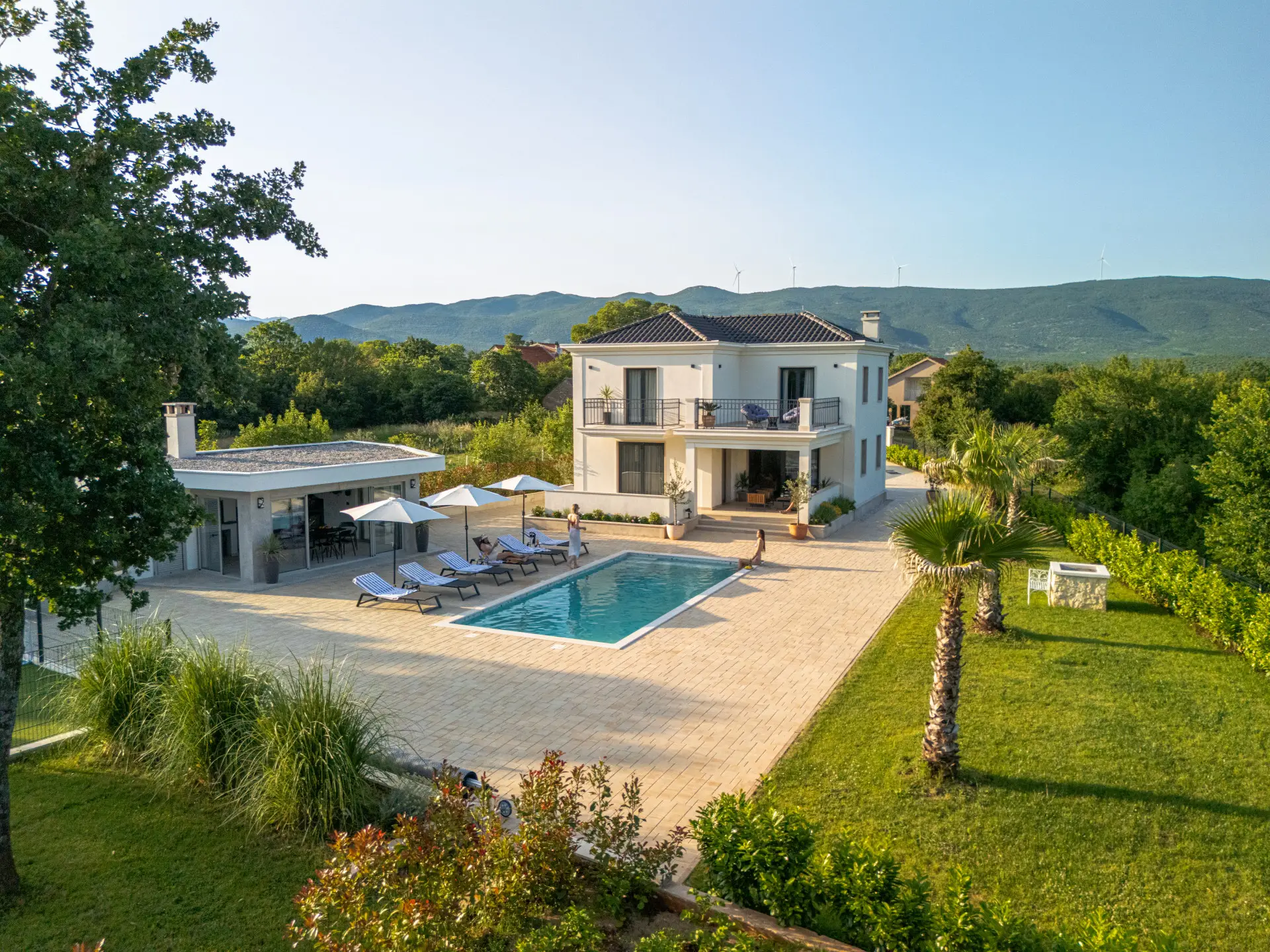 Hillside Villa Decima in Dicmo
Our Recommendation
Pick a beachfront villa if you have young children who will be swimming often, if easy beach access matters most, or if you want to walk to nearby cafes and beach clubs. Beachfront is ideal if you plan to spend most of your time on the beach instead of at the villa.
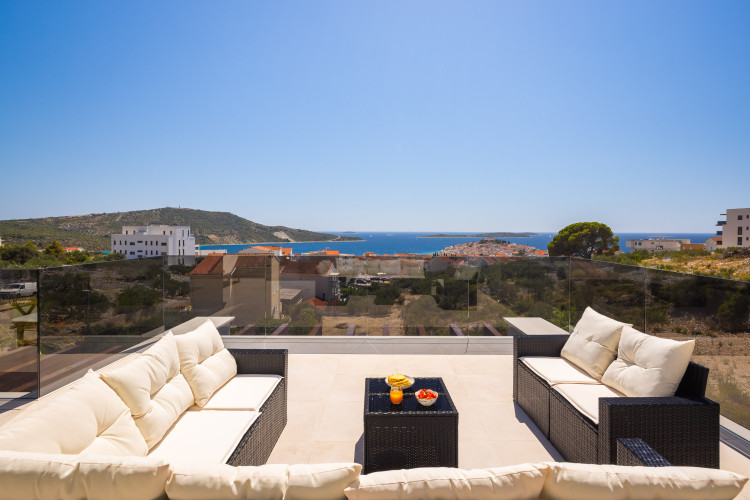
Choose a hillside location if you want magnificent views, complete privacy, larger outdoor spaces, and plan to spend considerable time enjoying your villa's facilities. Hillside properties are ideal for romantic couples, multigenerational families wanting space, and guests who appreciate nature and hiking. They usually deliver better value, allowing you to secure superior properties at the same budget.
Ultimately, the choice depends on your vacation style.
What to Do in Split – Complete 2026 Guide
Split has much more to offer than just beach activities. You can explore UNESCO World Heritage historical sites, go island-hopping, and enjoy many other experiences during your luxury villa vacation.
Cultural Experiences
Diocletian's Palace, built during the Roman Empire, is the highlight of Split’s cultural sites. If you want to explore its history, book a morning tour to avoid crowds. Inside, visit the underground cellars (a Game of Thrones filming location) and the Peristyle (Peristil), the central square where Roman emperors once stood. The Cathedral of Saint Dominus, the world's oldest Catholic cathedral, remains in use and is Split's symbol.
The palace is not just a museum—it’s a real neighborhood where about 3,000 people live. You’ll find boutiques in old Roman rooms, restaurants in ancient cellars, and apartments where families have lived for generations. Visit early in the morning (7-9 am) or late in the evening for a quieter experience.
The Ethnographic Museum in the Old City showcases traditional Dalmatian life, with displays of folk costumes, old photos, and crafts. The Gallery of Fine Arts features Croatian artists from the 14th century on. The Archaeological Museum houses artifacts from ancient Salona, including jewelry, sculptures, and early Christian sarcophagi.
We also suggest visiting the large ruins of Salona, just 5 km from Split. Salona was once Dalmatia’s capital until the 7th century. The site covers olive groves and fields, with ancient stone remains of an amphitheater, forum, basilicas, and city walls. It’s usually less crowded than Diocletian’s Palace.
Island Hopping and Boat Excursions
Split is a great starting point for visiting the Central Dalmatian islands. Hvar Town is only 50 minutes away by fast ferry, and Brač’s famous Zlatni Rat beach is just 30 minutes away. The quiet island of Šolta, only an hour from Split, offers a true island experience.
A popular day trip is the Blue Cave on Biševo Island, where you can see a magical blue light inside a sea cave (tours cost €50-80 per person). The Pakleni Islands near Hvar have many hidden coves for swimming and snorkeling. On Šolta, you’ll find quiet bays and traditional villages with real Dalmatian charm, away from crowds.
Adventure Activities
The Cetina River, near Omiš (25km from Split), is a top spot for rafting, canyoning, and zip-lining through limestone canyons. Rafting options range from family trips to exciting runs in narrow canyons. Full-day rafting tours cost €50-70 per person and include transport from Split, equipment, and lunch.
Canyoning is a great adventure, with routes for all fitness levels. You can pick a beginner-friendly 2-hour trip or try a more challenging full-day experience. Prices range from €70 to € 120 per person.
Marjan Forest Park in Split has great running and mountain biking trails for everyone. The main road around Marjan is an easy 3.5km loop with beautiful coastal views. If you want a greater challenge, try the trails that climb through the forest to hilltop viewpoints. The park is also popular for rock climbing and swimming. Take a walk and find some hidden swim spots.
If you enjoy water sports, try stand-up paddleboarding or kayaking along the coast at Stobreč Beach. For kitesurfing, head to Zlatni Rat beach on Brač.
Diving centers organize trips to shipwrecks and underwater caves near the islands. The Taranto, a Greek cargo ship sunk in 1943, rests at 28m off Vis Island and is a great wreck dive for experienced divers.
Rock climbers can find great routes on Marjan's southern cliffs and on the impressive walls of the Canyon near Omiš. Multi-pitch routes on the Omiš cliffs offer amazing views of the Adriatic. Guided climbing trips cost €80-150 per person, depending on the route and duration.
Wine and Gastronomy Tours
Dalmatian wine regions produce exceptional indigenous varieties. Wine tours to family-run wineries in the Kaštela area or on Šolta Island combine tastings of different varieties. Pošip is an indigenous white wine; Plavac Mali is related to Zinfandel; and Babić is Šolta's indigenous red wine. All of them pair well with traditional prosciutto and cheese.
Full-day wine tours typically cost €100-150 per person. Includes a visit to 3-4 wineries, lunch at a traditional tavern (konoba), and transport from your villa. Many tours include olive oil tastings, as the one from Dalmatia rivals Italian and Greek olive oils in quality.
If you would rather look into culinary experiences, cooking classes teach you to prepare classic Dalmatian dishes. For example, learn to make traditional dishes, such as risotto or grilled and oven-baked fish. Classes cost €100-150 per person and include visits to local markets to select ingredients, 3-4 hours of cooking instruction, and a chance to enjoy your creations.
Day Trips from Split
Trogir (30 minutes): UNESCO World Heritage site. Trogir is a perfectly preserved medieval old town. It is connected with the Island of Čiovo by two bridges (accessible on foot). The Cathedral of St. Lawrence features a stunning Romanesque portal. It is considered a gem of Dalmatian stone carving. Wandering Trogir's marble streets without an agenda is the best way to experience it. Look for small squares, stone palaces, and waterfront cafes at your own pace.
Krka National Park (1.5 hours): Spectacular waterfalls cascade through forested canyons. The main Skradinski Buk waterfall creates a 17-tiered aquatic spectacle. Swimming is only permitted in the designated areas below the falls. Krka National Park includes Visovac Island, home to a 15th-century Franciscan monastery, accessible by boat. Entry price is €20-40, depending on the season.
Plitvice Lakes National Park (2.5 hours): Croatia's most famous natural wonder. Plitvice Lakes features 16 terraced lakes connected by waterfalls. The turquoise water creates unreal beauty. Summer crowds can be intense – arrive by 7-8 am or visit after 4 pm for a better experience. A full-day excursion is recommended, given travel time. Entry: €10-40, depending on the season.
Dubrovnik (3 hours): The "Pearl of the Adriatic" makes a long but worthwhile day trip. Walk the famous city walls, enjoy the lively atmosphere, and have lunch with views of the historic city.
Nightlife and Entertainment
Split's nightlife centers on beach clubs along the Žnjan-Bačvice promenade during summer. Beach bars transform into open-air clubs with DJ performances. Beach bars and Central Club (in the center) offer different vibes, from relaxed sunset cocktails to dance parties until 2 am.
The Riva offers elegant evening entertainment, including cafe culture and street performers. This is where Split locals gather for an evening stroll, dressed smartly and socializing with friends.
For sophisticated evening entertainment, the Croatian National Theatre hosts opera, ballet, and classical concerts in a stunning Art Nouveau building. The Split Summer Festival (July-August) features open-air performances in historic venues. We recommend enjoying performances under the starry sky.
Best Beaches Near Split Villas
Split's coastline offers a range of beach experiences, from city beaches to hidden coves accessible only by boat.
Bačvice Beach
Split's most famous beach is Bačvice. It features a rare sandy bottom and shallow water perfect for children. And if you see a group of people playing with a small ball in shallow water, know it is a traditional game called picigin. The beach is located just 800m from Diocletian's Palace and is therefore easily accessible on foot after exploring the old town.
It is approximately 100m long, with a gradual increase in depth. You can wade 20-30m out while remaining waist-deep. This makes it ideal for families with young children and non-swimmers. Clean facilities include showers, changing rooms, and lifeguards during summer (June-September).
Bačvice can get busy during peak season. Arrive between 9 and 10 am for a good spot, or come after 5 pm when it’s less crowded. The beach is lively, with music, games, and a fun atmosphere, so it’s more social than quiet.
Žnjan Beach
Žnjan is a 2-km-long pebble beach with a lot of space to spread out. It has family areas, areas popular with younger crowds, and quieter sections for relaxation.
Crystal-clear water is perfect for snorkeling. Water quality consistently meets Blue Flag standards.
The newly renovated promenade features showers, changing areas, beach bars, and water sports rentals. There is also a playground for the youngest. Behind the beach, there is a beach volleyball playground, a skate park, and a tennis court.
Žnjan is great if you want good beach access without big crowds. Even in August, you can usually find plenty of space. For the quietest experience, visit between 8 and 11 am.
Znjan by night, source
Kasjuni Beach (Marjan)
Split's most scenic beach, Kasjuni, occupies the western shore of the Marjan Peninsula. It is surrounded by pine forest with views toward offshore islands. The pebble beach stretches 150m along a curved bay, with cliffs rising behind.
Crystal-clear water and rocky bottom provide excellent snorkeling conditions. Kasjuni maintains a more natural feel than the city beaches. You might forget you’re still in Split. It’s perfect for anyone looking for a nature-focused beach day. It also features a dedicated, secluded nudist (FKK) section. Limited parking can fill by midday during peak season, so it is best to go there on foot or by taxi/scooter.
Firule Beach
Between Bačvice and Žnjan, you can find Firule - a small sandy beach. It is popular among locals with small children, even during the winter months. There are bars above the beach with beautiful views from the terrace.
The hillside behind the beach gives natural shade. Parking is very limited, so it’s best to walk there.
Stobreč and Podstrana Beaches
These villages offer kilometers of pebble beaches with the clearest water. You can choose between organized beaches with facilities and natural pebble shores.
Beaches here face south, so you get sun all day. The water is even clearer than at Split’s city beaches because there’s less boat traffic. They’re an excellent choice if you’re traveling with young children.
Secluded Coves and Secluded Beaches
Besides the main beaches, the Croatian coast has many small coves and rocky spots for swimming. Locals can help you find these hidden gems.
The southern Marjan coast features several small beaches accessible by forest paths. While lacking facilities, these spots provide almost isolated swimming experiences. The Sustipan peninsula, east of the old town, hides small beaches popular with local swimmers.
For real privacy, take a boat trip to Šolta Island, where you can find beaches reachable only by boat.
Island Hopping from Split
Split's position as Croatia's main ferry hub makes it the perfect base for exploring the islands. Each one has a different character: Hvar is glamorous and popular with celebrities, while Vis offers true island authenticity. Each island can be reached by boat from Split. You can see the official sailing schedules on Jadrolinija’s website.
Brač Island
Brač is Croatia's third-largest island. Supetar, the main port, lies just 50 minutes from Split by ferry. The island is famous for Zlatni Rat Beach near Bol. It is a unique pebble beach, constantly changing shape with the winds and currents. You might have seen this place in many photographs.
Beyond Zlatni Rat, Brač offers charming villages, ancient olive groves, and the historic Blaca Hermitage perched on imposing cliffs.
Bol town combines beach resort amenities with authentic character. The waterfront provides numerous eateries serving fresh seafood, while the old town maintains traditional stone architecture. Supetar is less touristy than Bol and offers an authentic island atmosphere and excellent local food.
Hvar Island
On Hvar, you can enjoy natural beauty, cultural heritage, and sophisticated nightlife. Hvar Town ranks among Croatia's most beautiful coastal towns. It appeals to upscale travelers with a yacht-filled harbor, designer boutiques, and beach clubs. The town teems with energy during summer, attracting international jet-setters and celebrities.
However, this glamour comes with higher prices and crowds. If you prefer a quieter atmosphere and a more authentic experience, choose Stari Grad, with more authentic island life.
Be sure to check the sailing schedule and book online in advance during peak season, as popular trips often sell out.
Šolta Island
Šolta is often overlooked by travelers rushing to other islands. This quiet island maintains a traditional way of life, with fishing villages, olive groves, vineyards, and quiet coves. And it is just a 1-hour drive from Split.
Maslinica is Šolta's most developed village. It has a beautiful bay, a marina, and a few restaurants. Stomorska is a traditional fishing village on the northern coast, epitomizing authentic Dalmatian life. The village atmosphere remains genuinely local despite summer visitors.
Vis Island
Vis remained a closed military zone until 1989. This isolation preserved the authentic character and pristine nature, which would be impossible on more accessible islands. Today, the island attracts holidaymakers seeking a genuine island way of life.
Vis town on the eastern shore features Venetian architecture, waterfront konobas serving exceptional seafood, and a one-of-a-kind atmosphere. Komiža on the western shore is a fishing village with colorful boats, narrow streets, and local families who've lived there for generations.
But the main attraction is the Blue Cave on nearby Biševo island. Excursions run daily from Komiža or Vis town. Stiniva beach is a UNESCO-protected cove accessible only on foot, but well worth visiting.
The island's cuisine is one of Croatia's best. Fresh fish caught by local boats appears on menus within hours. Pair it with Vugava white wine for a notable dining experience.
Fun fact: The popular Hollywood hit “Mamma Mia 2” was filmed on the island of Vis in 2017.
Korčula Island
Korčula is alleged to be Marco Polo's birthplace. Because of its strategic location, it was valuable to the Venetians, Greeks, and Romans throughout history. And that left layers of historical heritage. Medieval walled old town, excellent beaches, and indigenous Grk white wine - you can enjoy all of that once you get there.
Korčula Town sits on a small peninsula where marble streets were laid in a herringbone pattern for drainage. The old town walls, towers, and St. Mark's Cathedral are well worth visiting. During the summer months, you can see the Traditional Moreška sword dance performances. It is held during summer Thursdays, continuing a 400-year tradition.
Lumbarda village has rare sandy beaches and vineyards that produce Grk, a local white wine you won’t find anywhere else. For a great afternoon, try wine tasting paired with local seafood.
Restaurants in Split 2026 – Michelin and Secret Treasures
Split's dining scene has evolved dramatically over the past decade. Its growing popularity as a tourist destination has created opportunities to open different types of restaurants. From taverns serving traditional dishes to culinary destinations featuring Michelin-recommended restaurants, you can find everything.
Fine Dining and Michelin-Recommended Restaurants
Šug (Michelin Guide 2024-2026) is located in a beautifully restored stone building in the historic Veli Varoš neighborhood. Chef always chooses locally sourced ingredients, seasonal vegetables from nearby farms, and fish delivered daily by local fishermen. The tasting menu (€85-110 per person) features 3-5 courses. Standout dish is Royal tećada for two. It consists of lobster, white fish, pasta, oysters, and shrimp. The wine list highlights indigenous varieties from the Dalmatian islands. We recommend making reservations, especially if you are traveling with a group.
Dvor (Michelin Plate 2024-2026) is set in a restored Renaissance palace with a terrace overlooking the Adriatic Sea. The menu changes seasonally, so expect plenty of fresh seafood, risotto, and perfectly grilled whole Adriatic fish during the summer months. Dvor uses only single premium ingredients, and it’s a wonderful spot for sunset dining on the terrace. Reservations are recommended. Dvor is open daily for lunch and dinner. Expect to pay €60-90 per person, including wine.
Dvor restaurant, source
Traditional Taverns (Konoba) – Authentic Dining
Konoba Matejuška is located in a stone building, steps from where local fishing boats dock. The daily menu depends entirely on the morning catch. Your server describes what arrived that day, and you choose a preparation method (grilled, fried, or in brodetto stew).
Fish is priced by weight and grilled over charcoal with seasonings. The quality lies in absolute freshness and perfect preparation. House wine is produced by local families and is not commercially available. Prices are affordable, €30-45 per person.
Konoba Matejuska, source
Konoba Varoš serves authentic dishes. The signature peka dishes are made with meat and vegetables, slow-cooked under a metal dome heated by hot coals. It takes 2-3 hours to prepare, so call ahead to reserve yours.
Choose between peka with potatoes and vegetables (€25 per person, minimum 2 people) or octopus peka with wine and herbs (€28 per person). This cooking method creates incredible tenderness and concentrated flavors. Reservations are required, especially for peka dishes.
Konoba Fetivi is a family-owned tavern. It specializes in traditional Split cuisine with emphasis on seasonal ingredients. The daily menu is flexible. Standouts include the Chef's selection of fish for two, with salad, for €65. There are only a few tables, so it’s best to reserve ahead.
Seafood Specialists
Uje Oil Bar offers a unique concept featuring Croatian olive oil paired with fresh seafood and vegetables. It features oils from 15 different producers across Dalmatia. Servers explaining terroir differences similar to wine service. Dishes showcase the oils: raw Adriatic fish carpaccio finished with oils chosen to complement the fish; octopus salad with Brač olive oil; and squid with Korčula olive oil.
The tasting menu (€55-70) includes oil flights with explanations. A la carte allows you to select dishes and request specific oils. Reservations are recommended for dinner.
Uje oil bar, source
Zrno Soli is an elegant seafood restaurant on the waterfront. Floor-to-ceiling windows overlook the harbor, while the interior features contemporary design. The menu emphasizes Adriatic fish and shellfish prepared with Mediterranean techniques. Expect dishes such as tuna tartare with avocado and a soy-citrus dressing, black risotto with cuttlefish ink and lobster.
Service is skilled and knowledgeable about wine pairings. Reservations are strongly recommended for terrace seating. Prices range €55-80 per person with wine.
Pizza and Casual Italian
Bokeria Kitchen & Wine Bar - This modern bistro is serving small plates, pasta, risotto, and meats. Highlights include burrata with Dalmatian prosciutto, squid ink risotto, and homemade pasta with fresh truffles (seasonal). They have an excellent selection of wines by the glass. Reservations are also recommended for dinner. €30-50 per person with wine.
Pizzeria Sette Sorelle serves the finest authentic pizzas in seven irresistible versions. And that's it - only pizza on their menu. But it is the best in town, true napoletana style. Pizza price is around €15.
Sette Sorelle pizzeria, source
Beachfront and Casual Dining
Most beachfront bars and restaurants are on the newly renovated Žnjan beach. You can enjoy a relaxed atmosphere and eat right by the water, which is perfect for long beach days.
Private Chef Services for Villa Dining
If you would like to enjoy quality meals in the comfort of your villa, you can arrange for a private chef to prepare a special dinner or daily meals during your stay.
The chef arrives mid-morning to shop at markets with you (optional), prepares lunch and dinner in your villa's kitchen, serves meals at your chosen times, and handles all cleanup. Menus customized to preferences: traditional Dalmatian, international cuisine, or a combination. It costs €300-500 per day, depending on group size and menu complexity, plus ingredients (€40-70 per person).
Reservation and Dining Tips
- Book ahead: Fine-dining restaurants require at least one week's advance reservations during peak season. The same goes for traditional taverns.
- Dining hours: Lunch typically 12 pm-3 pm, dinner 7 pm-11 pm. Croatians dine late, between 8:30 and 9:30 pm. Arrive at 7 pm for quiet dining, or 9 pm+ for an energetic atmosphere.
- Dress code: Fine-dining restaurants prefer smart casual, while traditional konobas and beachfront ones welcome casual dress.
- Cash vs. card: Most places accept cards, but some small taverns only take cash. It’s a good idea to carry some with you just in case.
- Tips: around 10 % for service; 15% for excellent service.
Shopping and Markets in Split
Split has much more than tourist souvenir shops. You’ll find everything from historic markets to modern Croatian design boutiques. Knowing where to shop can make your trip even better.
Bakeries (Pekara)
You will notice many traditional bakeries throughout Split - Bobis, Babić, Mlinar... They offer fresh bread, pastries, and other baked goods. You can find them at almost every corner. Try burek (flaky pastry filled with cheese, meat, or vegetables), kroštula (traditional twisted cookies), and savory strudel. Most items cost €3-5. Bakeries open very early (5-6 am) for fresh morning goods.
Green Market (Pazar) – Daily Market
The open-air market operates daily from early morning to 2 pm. It is located on the eastern edge of Diocletian's Palace, at Ulica Stari Pazar 8. Saturdays bring the largest selection and crowds. This is where locals shop for fresh products. The quality, prices, and atmosphere surpass those of any supermarket.
The fruit and vegetable section offers seasonal bounty. Enjoy tomatoes, peppers, and zucchini in summer and figs and pomegranates in autumn. Citrus fruits are reserved for winter, and asparagus, artichokes, and early vegetables are reserved for spring. Many vendors grow their own produce in nearby villages. Expect remarkable freshness as vegetables picked that morning arrive at market by 7 am.
The indoor sections house permanent vendors selling local cheese, prosciutto, and honey. Look for Pag cheese, Croatia's most famous hard sheep 's-milk cheese. Vendors offer tastings, and most of them speak basic English.
Shopping tips:
Go between 8 and 10 am for the best selection before popular items sell out. Bring your own reusable bags, since vendors don’t provide packaging. Use small bills, as vendors rarely have change for €50 or €100 notes. Bargaining isn’t common—prices are set and fair.
Fish Market (Ribarnica)– Fresh Adriatic Catch
The covered Fish Market sells the morning's catch delivered by local boats at Obrov ulica 5. Glass display cases showcase whole fish on ice: sea bass (brancin), squid (lignje), octopus (hobotnica), and seasonal specialties like tuna and swordfish. The selection and quality surpass anything in supermarkets.
Vendors can clean and prepare fish to your specifications – gutted, scaled, filleted, or left whole. Prices vary by species and season. Premium species like tuna will cost more, but the quality justifies the price. And this is the same fish served in Split's finest restaurants.
If your villa has a kitchen and you like to cook, buy fresh fish here and prepare it in your accommodation. Don't hesitate to ask the vendors for tips—Croatians are happy to share their cooking advice.
Diocletian's Palace Boutiques
Within the palace walls, small boutiques occupy ancient Roman chambers. Nowadays, they sell design, handmade jewelry, artisanal products, and original souvenirs. While souvenir shops predominate, several quality establishments deserve attention:
CROATA Museum Concept store: Did you know that the tie was invented in Croatia, where it was worn as part of military clothing in the 17th century? Today, it is a symbol of elegance. In the Croata store, you can browse a wide selection of ties, silk scarves, and limited collections inspired by Croatian cities. Find it in Ulica Kralja Petra Krešimira 11.
Bring home a tie from Croata, source
Aroma Dalmatia, at Dioklecijanova 5, offers a wide selection of authentic, locally made gifts. Think products like lavender-made hand soap, body products, oils, and candied orange peels.
Discover Croatia: While not exactly in the palace, you can find it on the nearby Narodni trg square (Narodni Trg 1). They have unique and beautiful goods. Scented candles, utensils inspired by the Mediterranean, and much more. This is a great spot for special souvenirs or gifts.
Shopping malls
Three main shopping malls are Joker, Mall of Split, and City Center One. They’re convenient for shopping, grabbing a coffee, or spending a rainy day outside the old town. You can shop, have lunch, and escape the heat or rain here.
Joker at Put Brodarice 6 is Split's first modern shopping center, about a 15-20-minute walk from Diocletian's Palace. The center has more than 50 shops on several floors, a large supermarket, a drugstore, sports and fashion stores, a cinema, and a well-equipped gym. There is a range of eateries, including cafes and fast food. The rooftop offers a beautiful view of the stadium and the city.
Joker Shopping mall, source
Mall of Split at Ulica Josipa Jovića 93 is the largest shopping center in Dalmatia, with more than 200 stores. It is accessible by city buses (lines 6, 18, 25) and a free shopping bus that runs several times a day from the center. The center has several floors with stores, a large supermarket, a cinema, a large food court with a terrace, and cafes on the upper floors.
City Center One at Vukovarska Ulica 207 is located at the eastern entrance to the city. It is known for its wide selection of fashion, sports, and technology stores (including many international chains). It is often described as a “mini-city” with several floors organized by theme – shopping, children’s zones, entertainment, and gastronomy. It is appealing to families for its large children’s playroom, cinema, go-karting arena, and various fast-food options.
Supermarkets
Multiple supermarket chains operate in Split, offering a wide range of prices and selections. Look for Konzum, Tommy, Studenac, Kaufland, Spar and Lidl.
Pre-Arrival Villa Provisioning
We can arrange a grocery stocking service so you can stock the villa before arrival. Submit your grocery list 48 hours before check-in, and we'll shop at local markets and supermarkets, stocking your kitchen so you arrive at a fully stocked refrigerator. This service is especially valuable for evening arrivals or when traveling with young children.
The price of the service is upon request.
Getting Around Split
It helps to know your transport options in Split. The city center is easy to walk around, but you’ll need to plan ahead to reach beaches and attractions outside the center.
Walking – Best for Historic Center
Diocletian's Palace and the surrounding old town are entirely pedestrianized. Walking is the only way to experience Split's historic heart. Take your time to walk along the Riva waterfront, which stretches 2.5km from the old town to Bačvice beach.
Split's marble streets are beautiful but can be slippery when wet, so bring some comfortable walking shoes.
Taxi and Ride-Sharing
Taxis are a convenient mode of transportation for villa guests. Official taxis use meters with regulated rates: €3,30-4 base fare plus €1,86 per km. However, caution is needed, as some drivers may charge more than initially agreed. Because of that, apps like Uber and Bolt are a better option.
They both operate in Croatia, and their fares are usually 30-40% cheaper than those of regular taxis. It’s smart to download both apps, since availability can vary by time and location. During peak summer and late nights, prices may increase due to higher demand.
Renting a car provides maximum flexibility. Rent it for exploring Split's surroundings, day trips, and visiting beaches beyond walking distance. However, the Split center delivers significant parking challenges.
Many agencies operate from Split Airport and city locations. Local companies often offer good rates (€35-60 per day for compact cars in summer, €25-40 in the shoulder season). Prices can spike, and availability decreases in July and August.
Keep in mind that the historic center has almost no parking, and public lots charge €4 per hour and have limited spaces.
Local Bus System
Split's public bus network provides economical transportation for everyday life, but it can be confusing for visitors. Prices are €2 per ride. The system mostly serves local commuters, with Croatian-only announcements and infrequent service to some areas.
Useful routes for guests:
- Route 12: Connects the city center, Bačvice, and Žnjan areas
- Routes 1 & 8: Serve the Marjan Peninsula areas
- Route 37: Airport to city center (€30-40 cheaper than taxi)
Water Taxis and Boat Transfers
Water taxis offer an alternative mode of transportation between coastal locations. They connect Diocletian's Palace waterfront to beaches along the Stobreč and Podstrana coast, as well as Marjan beaches. You can even choose them as a transport option to nearby islands. Price varies depending on the number of people, the exact time, and the transfer date.
If your villa has boat access, water taxis are a fun way to get around—kids especially love them. They’re a great alternative to passenger ships if you want a quick and enjoyable ride to your destination.
Ferry and catamaran services to islands depart from Split's ferry terminal adjacent to the palace. The historic center is a 5- to 10-minute walk away.
Bicycle Hire and Cycling
Split has several bicycle rental companies with standard bikes (€12-18 per day) and electric bikes (€25-35 per day). The system of public bicycles has become a new form of the city’s public transport. If you are a bike lover, we recommend cycling from the city center to Bačvice Beach. Žnjan beach provides pleasant flat cycling with dedicated bike lanes. Marjan's 3.5km loop road offers traffic-free cycling with beautiful surroundings.
Outside the waterfront, Split’s streets are hilly, narrow, and often busy with traffic, making cycling in the city challenging. Biking is best for recreation along marked routes, not for getting around town.
Public bikes in Split, source
Weather and Best Time to Visit Split
Split has a Mediterranean climate. This information can help you choose the best travel dates based on your priorities. Summers are hot, while the winter months can be windy and rainy.
Table No.1: Monthly comparisons of temperatures, activities, and villa prices
| Month | Temperature | Sea temperature | Activities | Villa prices |
| May | Comfortable temperatures of 17-23°C | Cool for extended swimming 16-18°C | Sightseeing, dining, and outdoor activities | Typically 30-40% below peak July-August rates |
| June | Perfect summer warmth of 22-28°C | Increasing to 19-22°C | Families, couples, and groups seeking excellent conditions without the peak-season intensity | Prices remain 20-30% lower |
| July | Hot temperatures 25-32°C | Warm temperature around 23-25°C | Sun lovers, beach enthusiasts, and those seeking a vibrant social atmosphere | Villa prices are at their peak (€10,000-25,000 weekly) |
| August | Peak temperatures 26-33°C | Warmest sea of the year 24-26°C | Sun and beach lovers, those seeking a vibrant social atmosphere | Early August sees peak prices, and late August transitions to slightly lower prices |
| September | Pleasant temperatures 20-26°C | Warm sea from summer heating 21-23°C | Sightseeing, dining, and outdoor activities | 25-35% lower villa prices |
| October | Pleasant temperatures 17-22°C | Sea remains swimmable 18-20°C | Sightseeing, outdoor activities, and daily trips | Prices are 40-50% lower |