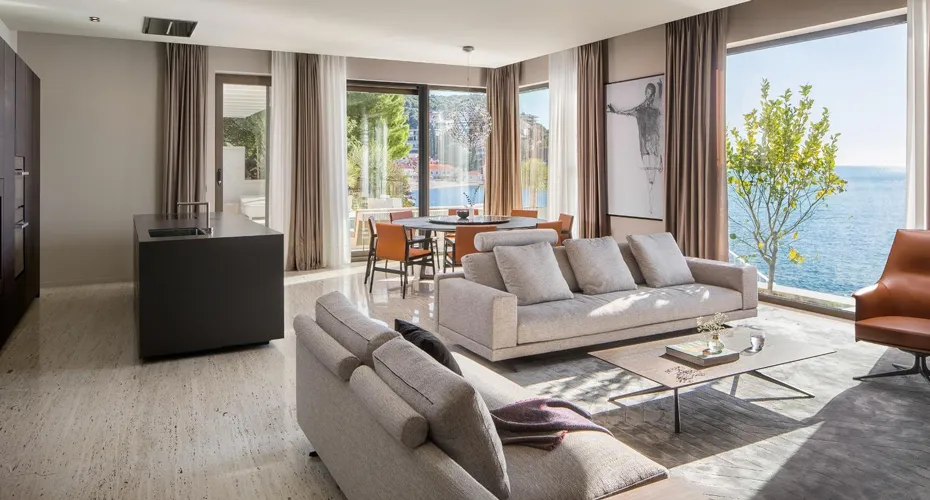
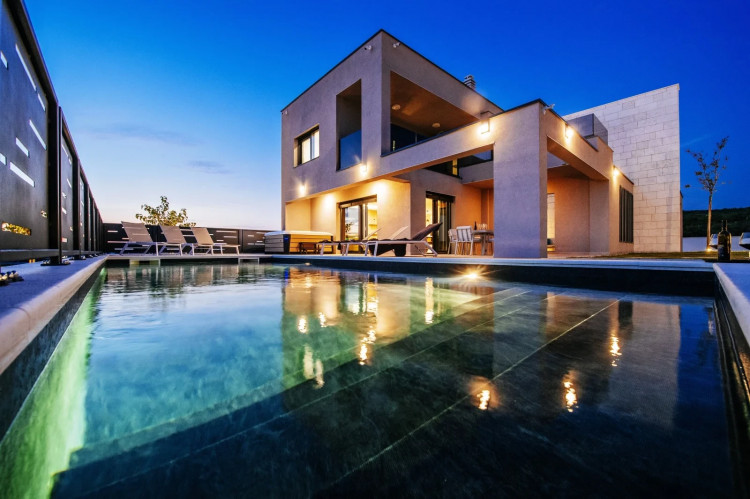
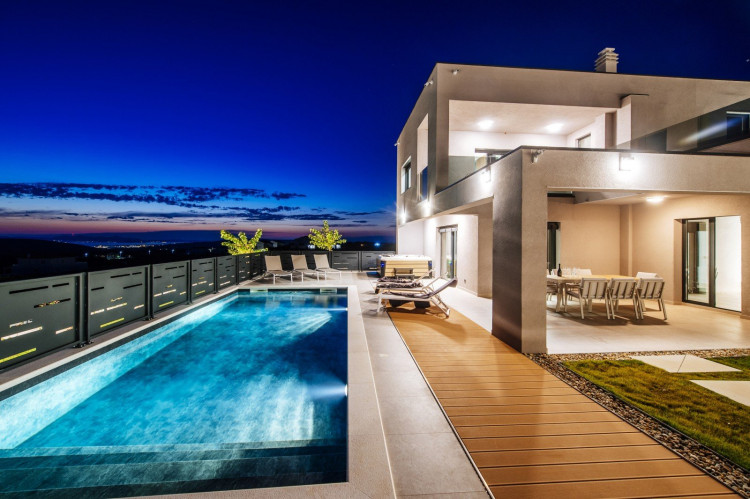


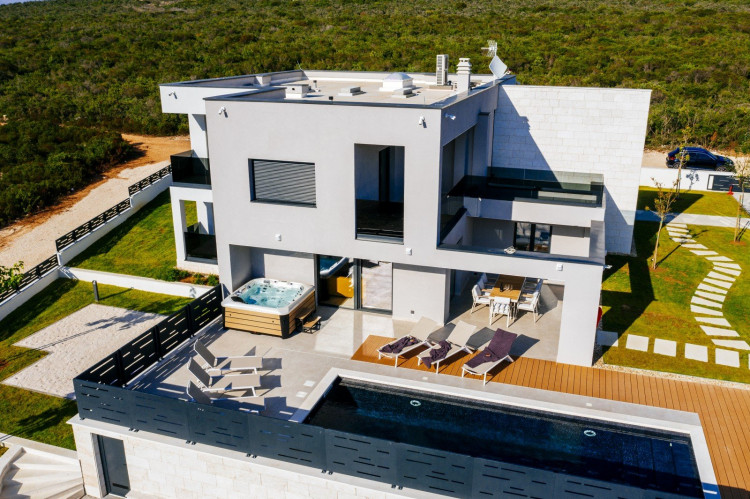


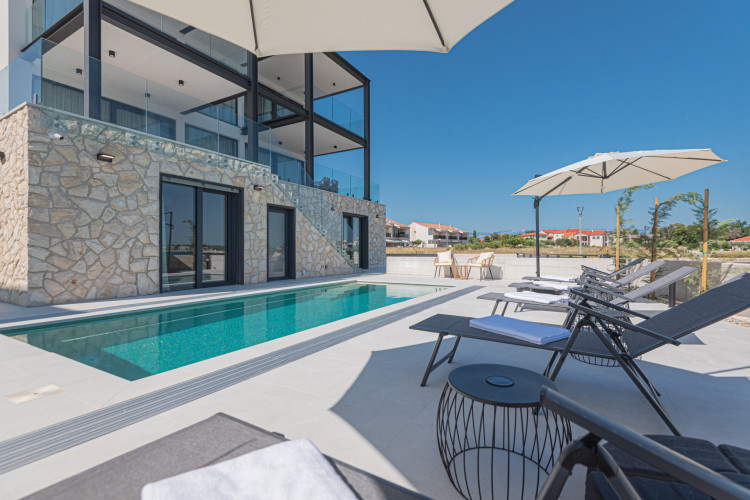
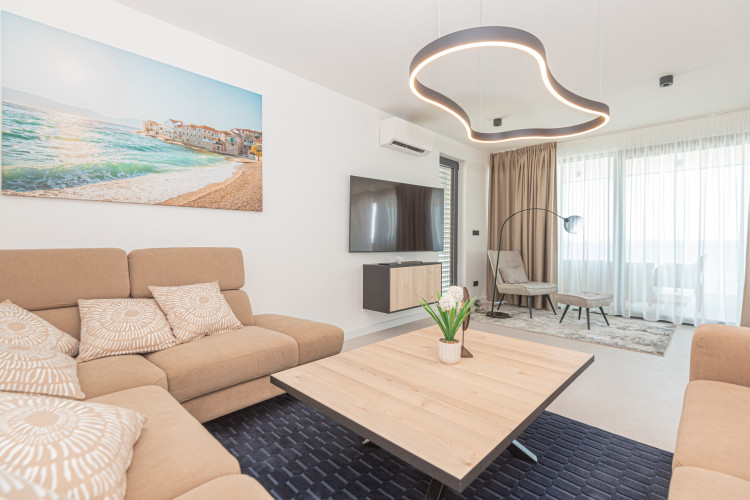
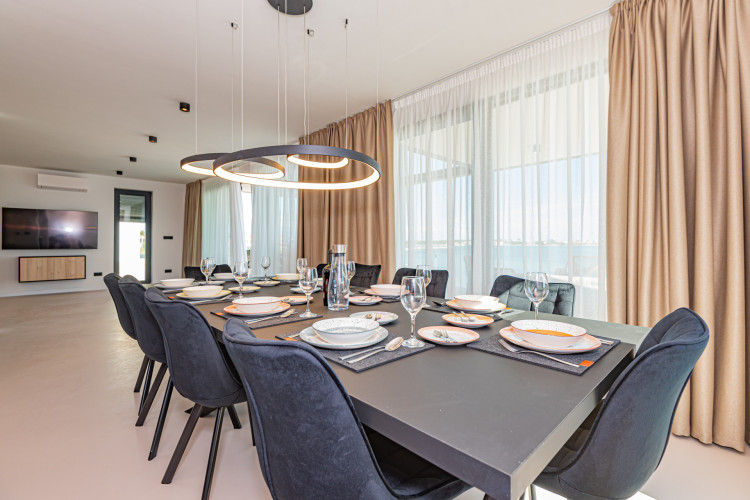
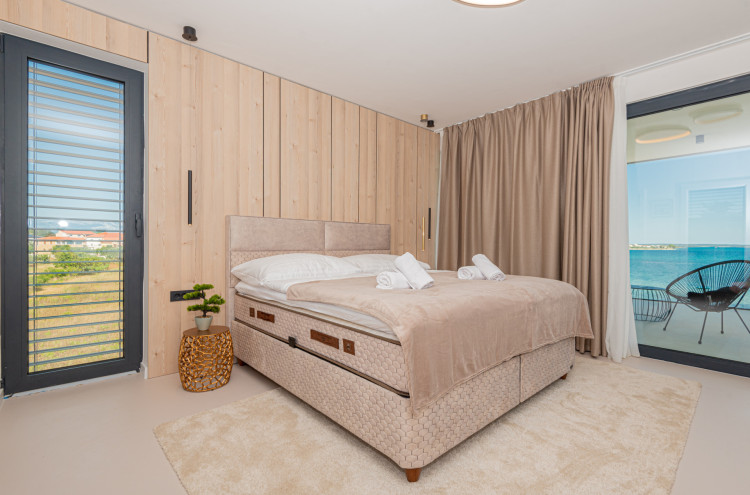
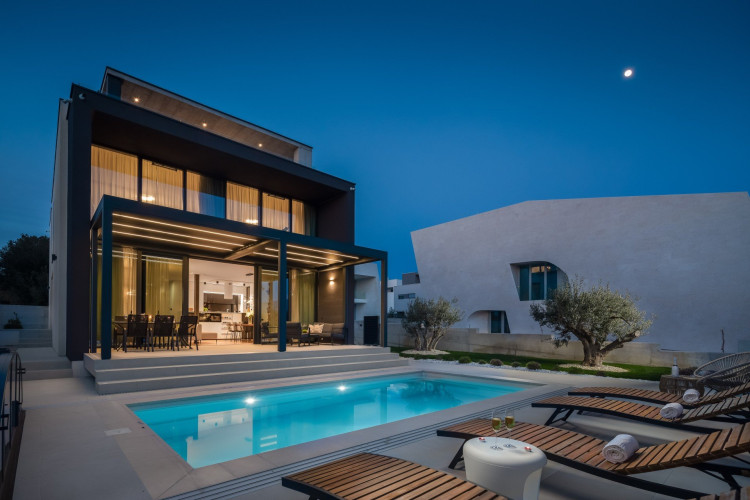
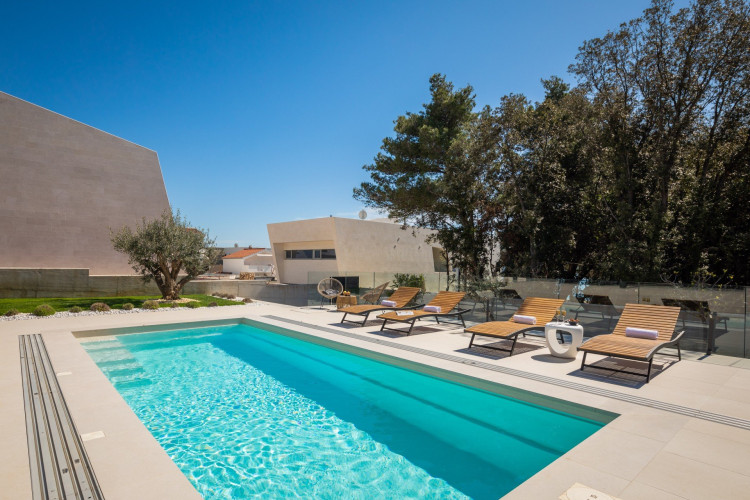
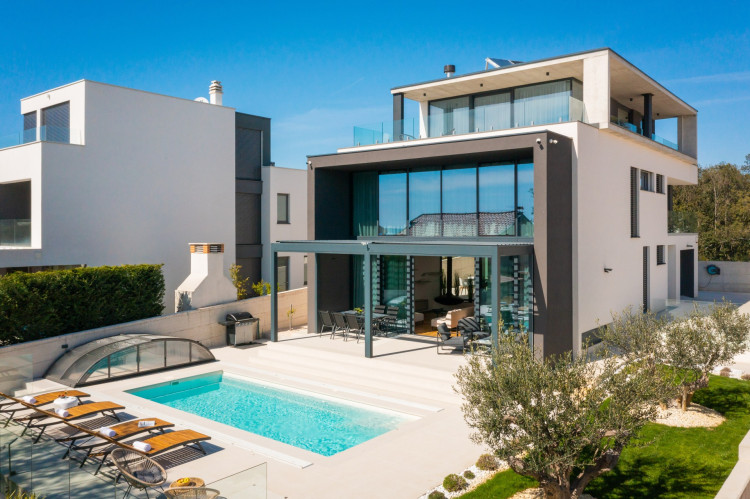
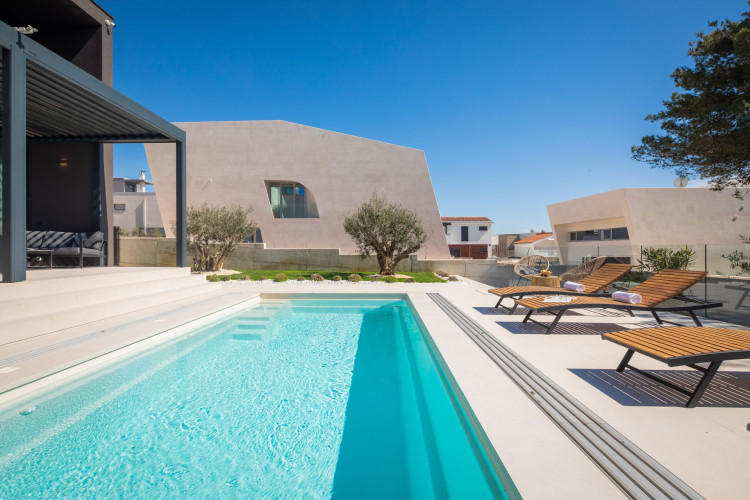


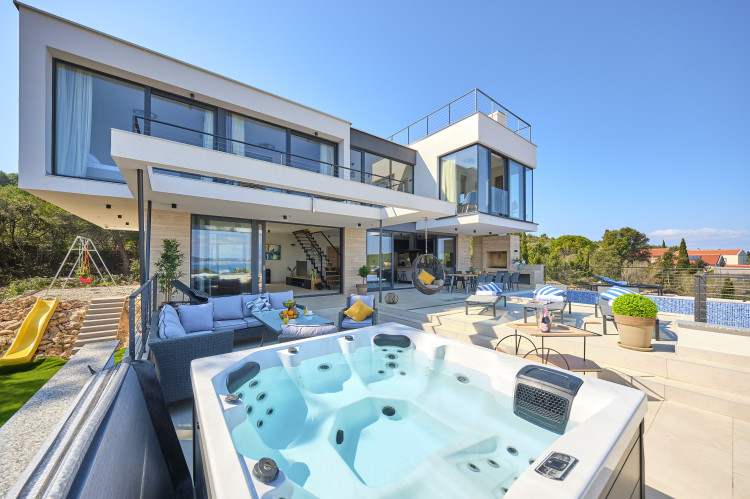
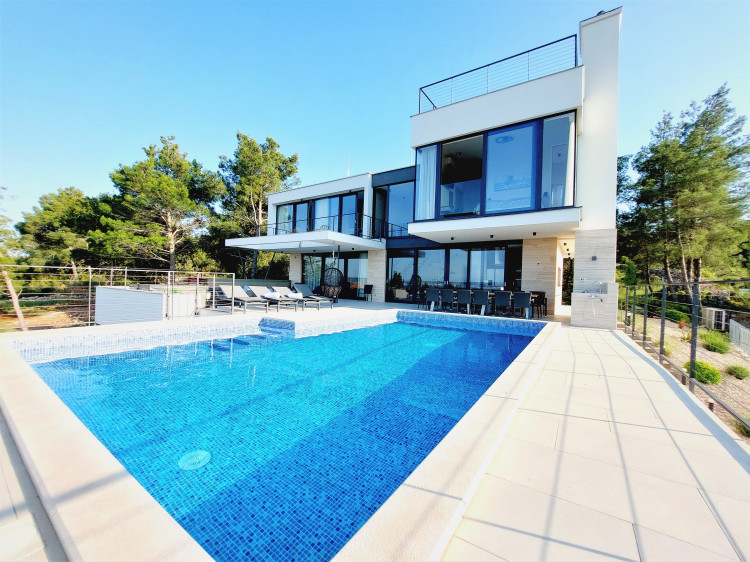
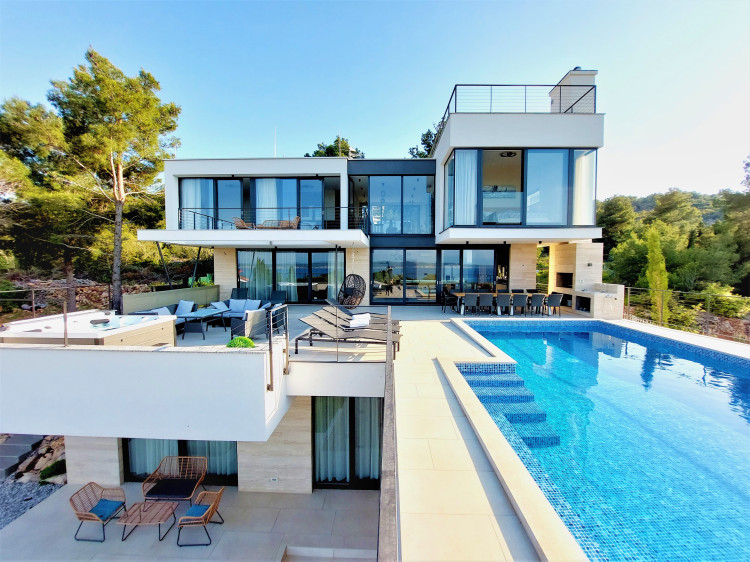
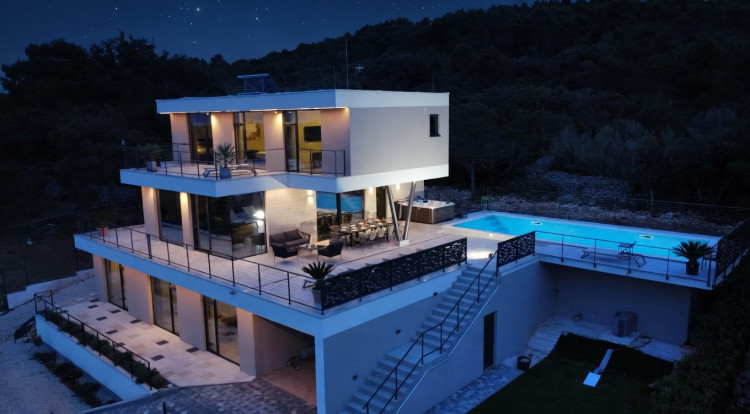

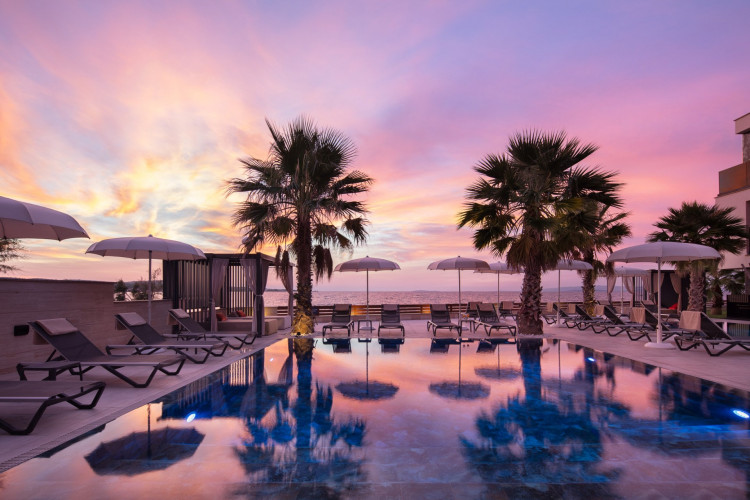
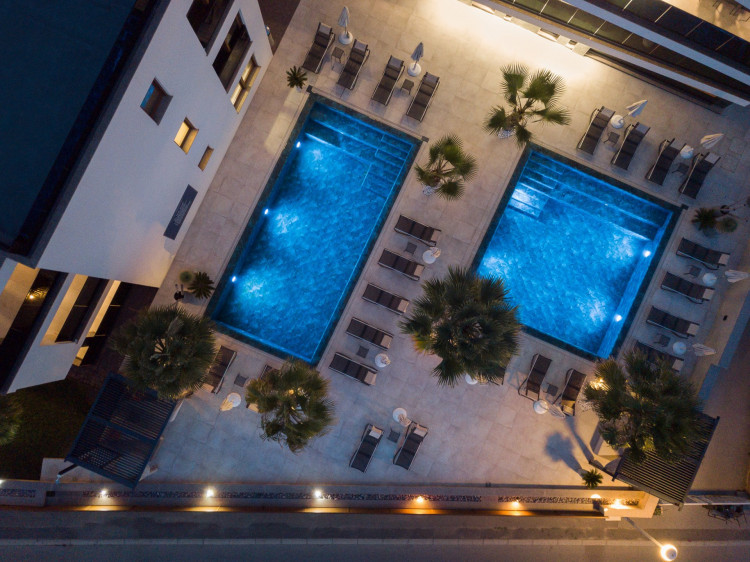


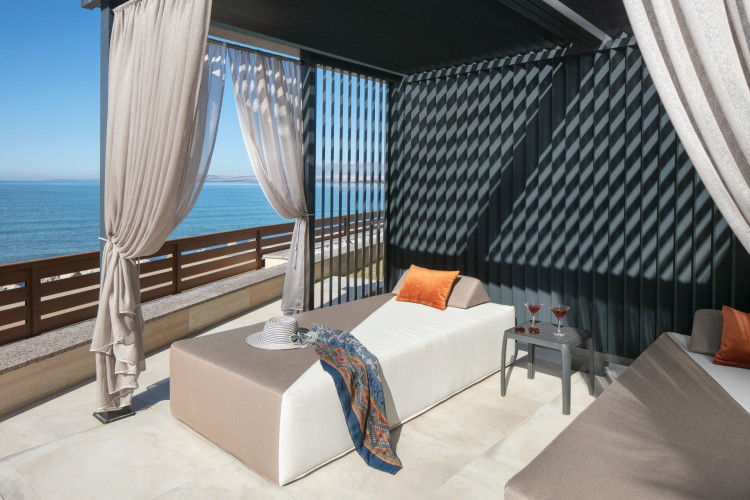
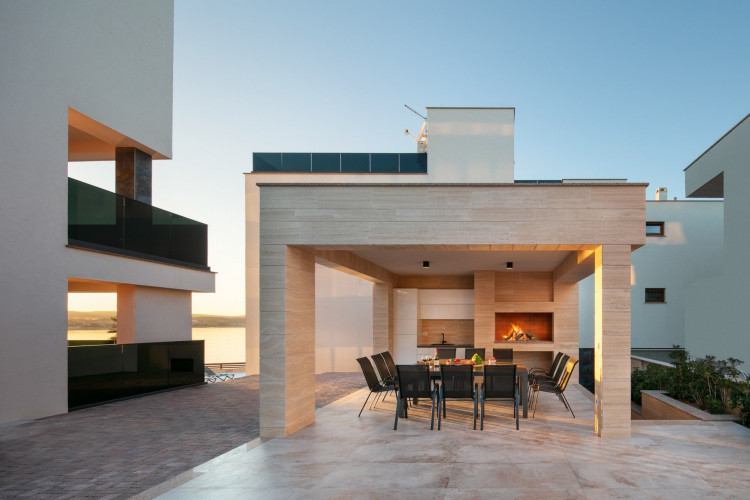
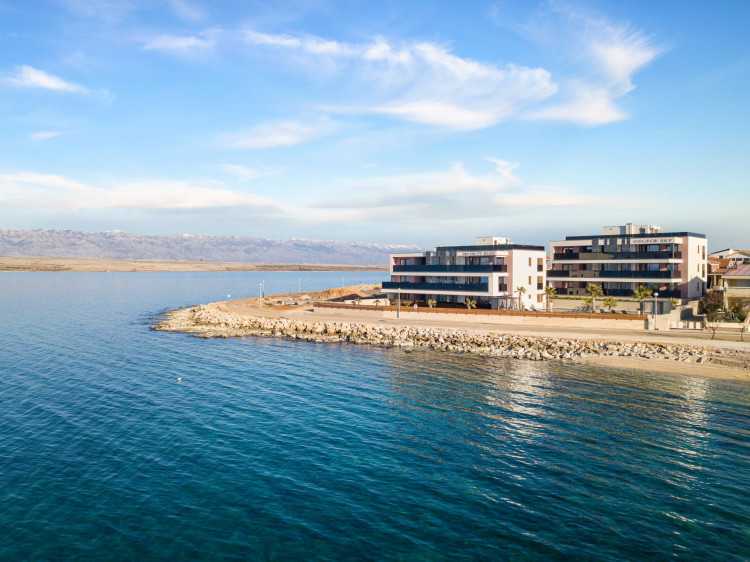

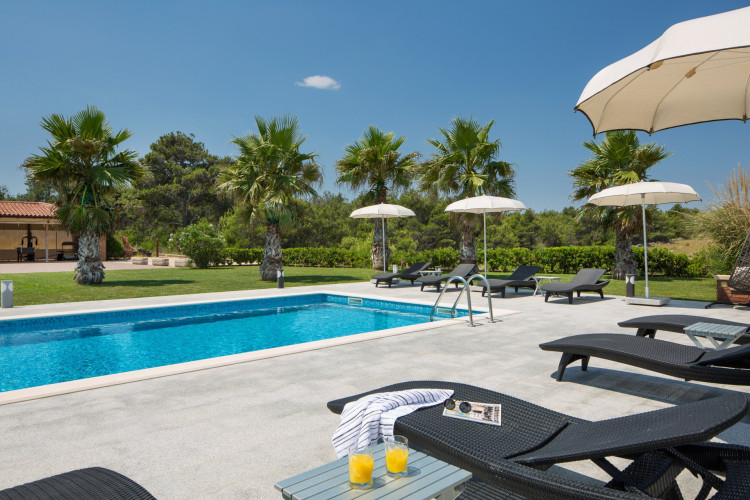
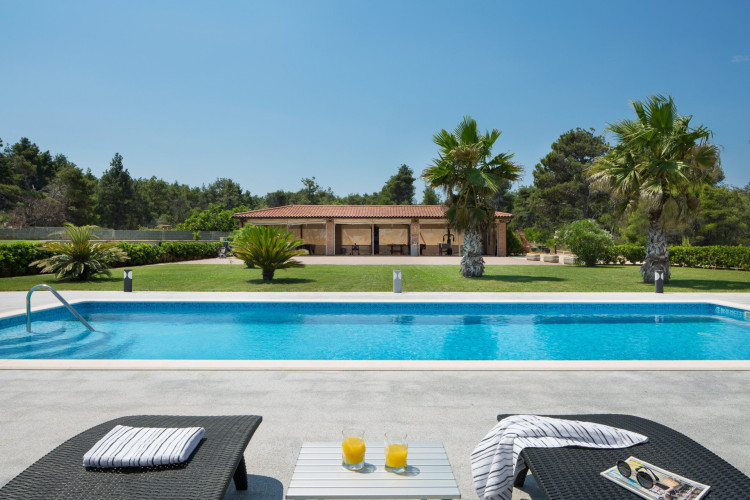

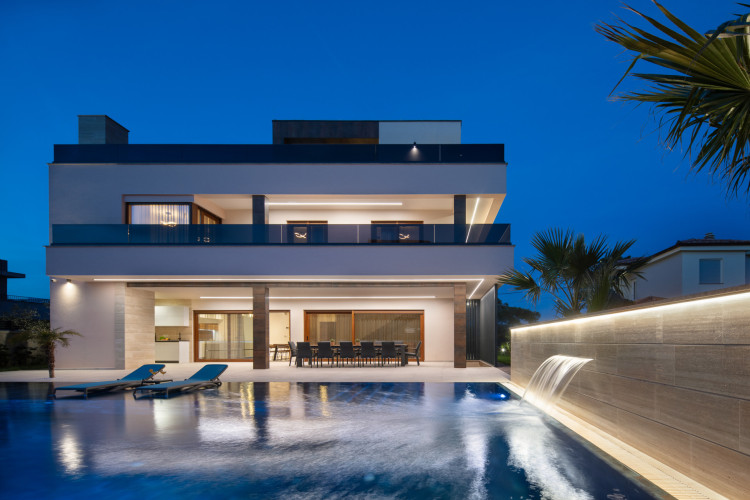
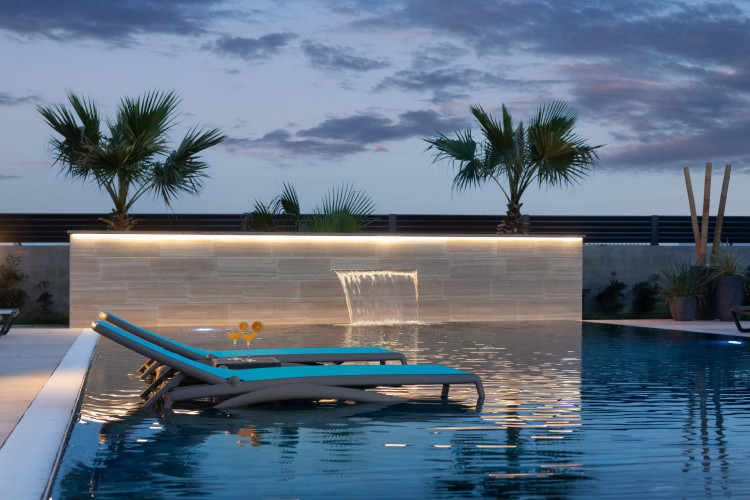
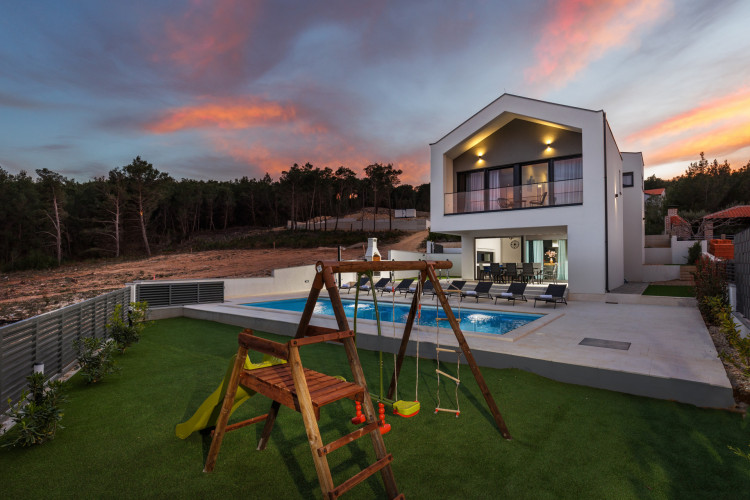
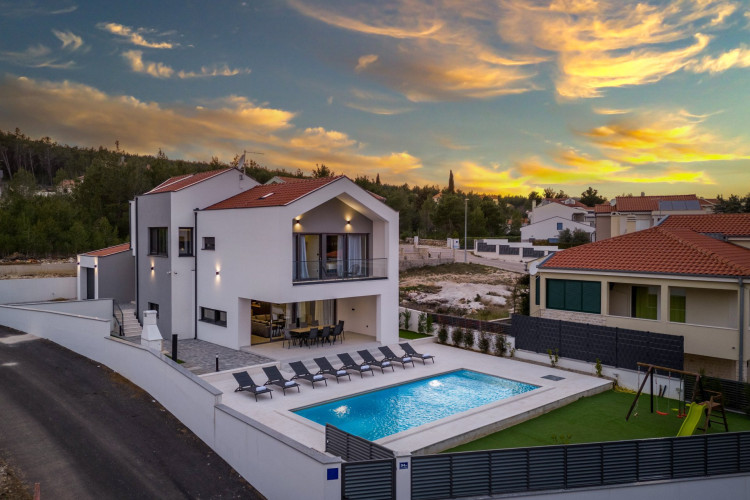
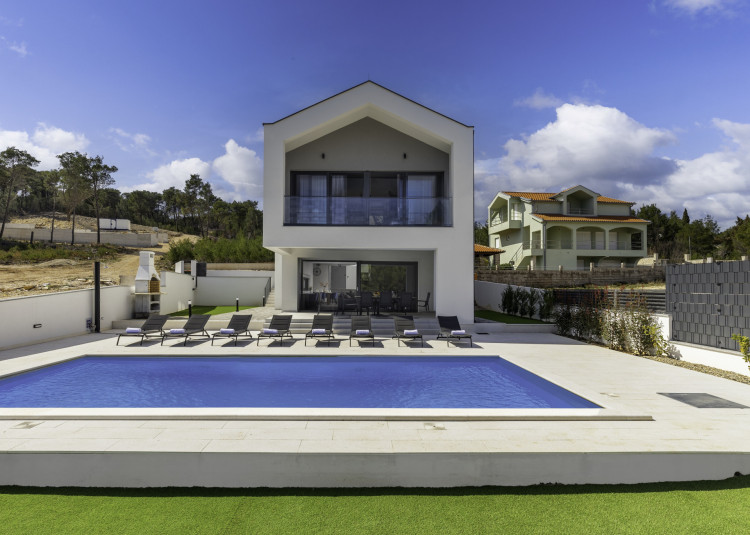
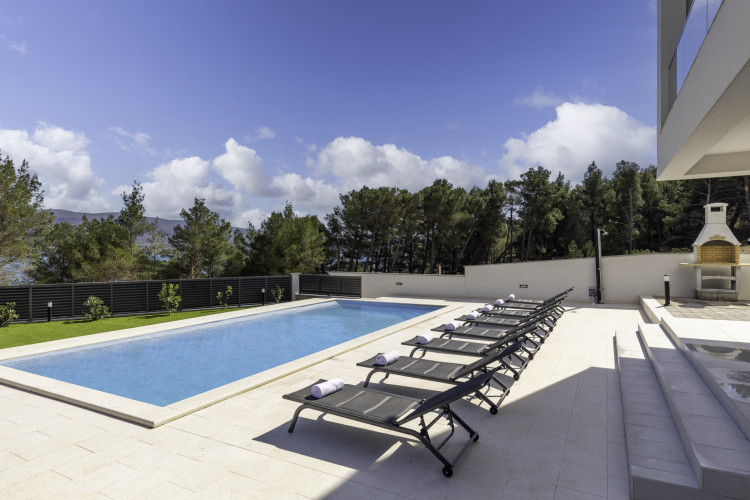
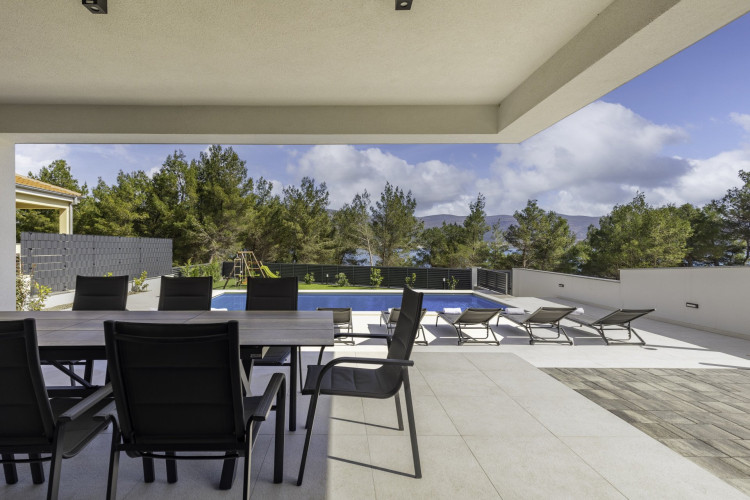
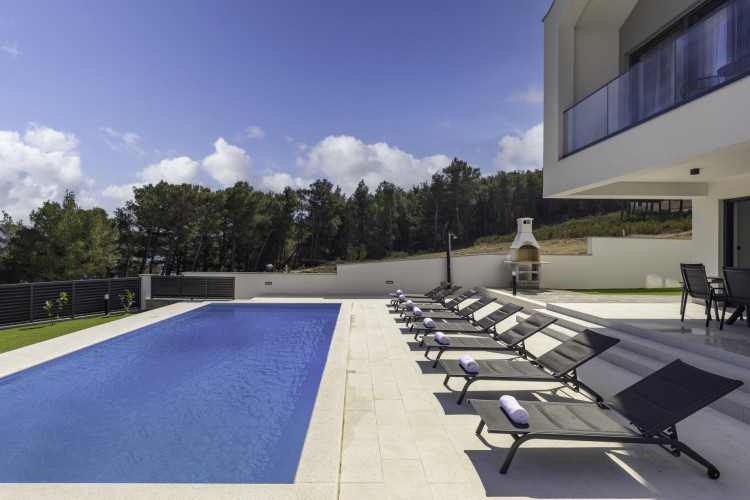
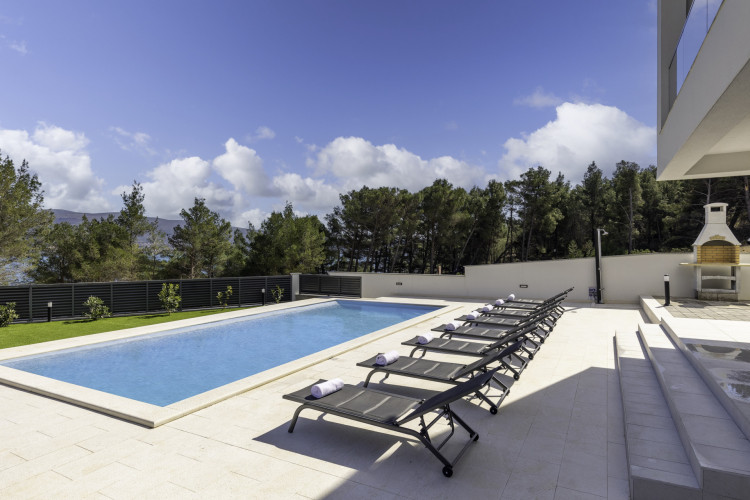
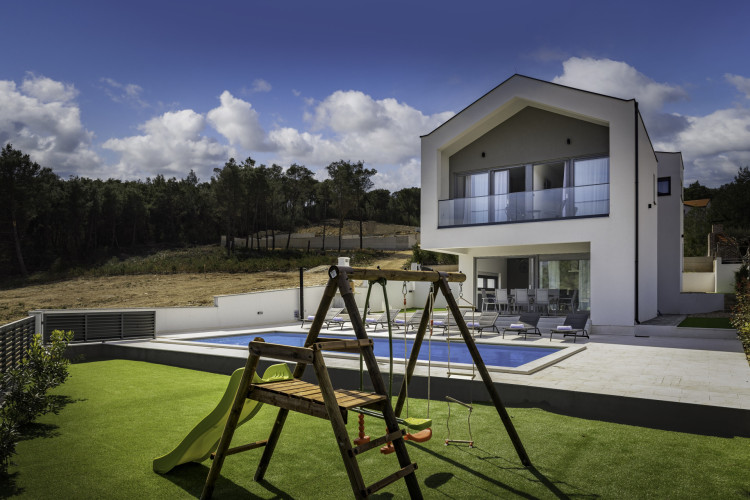
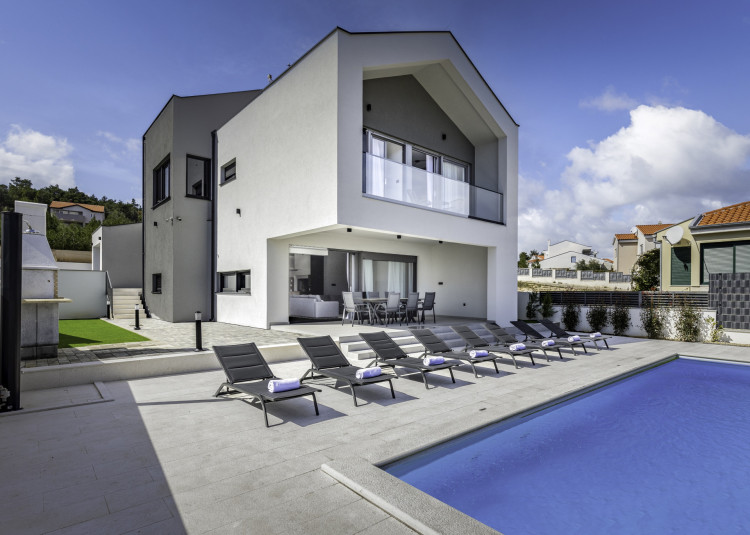
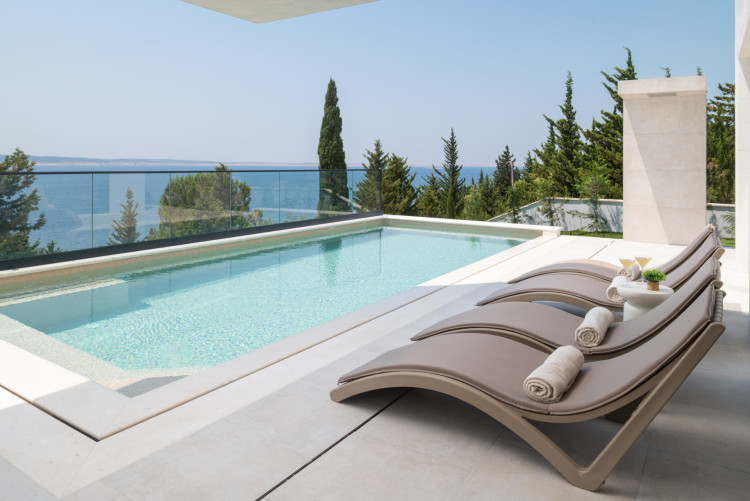
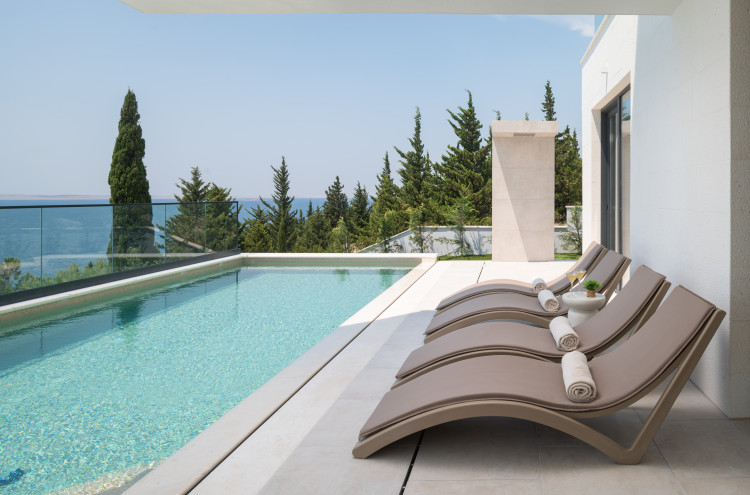
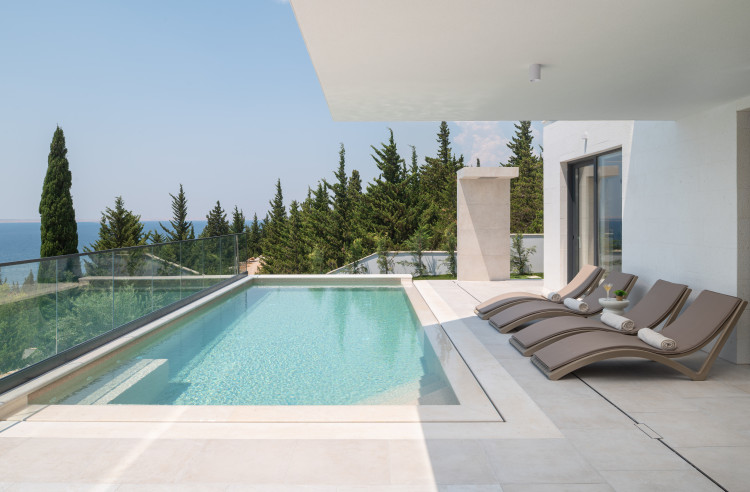
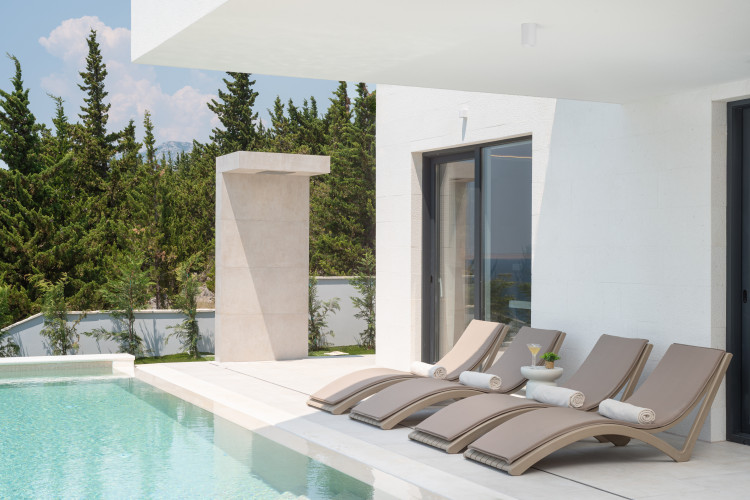
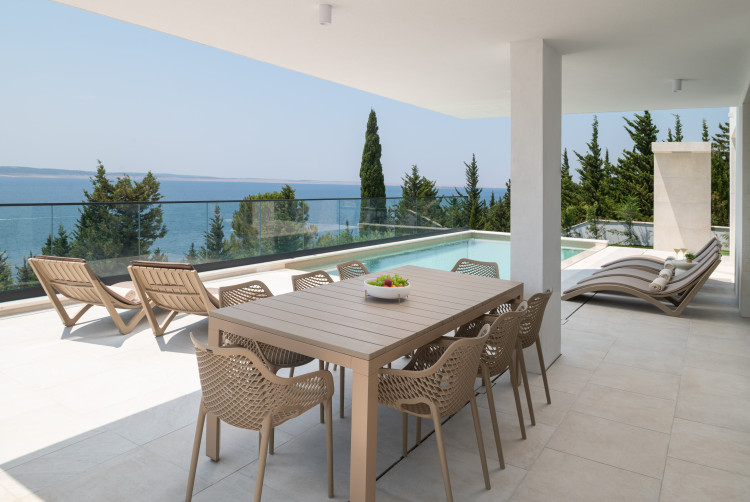
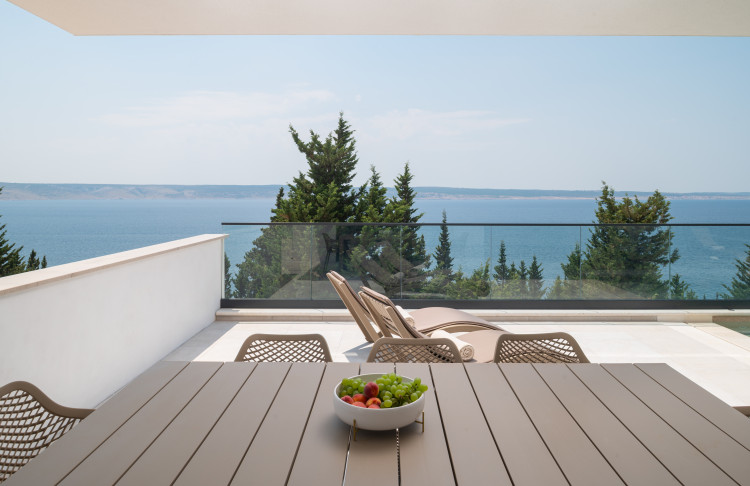
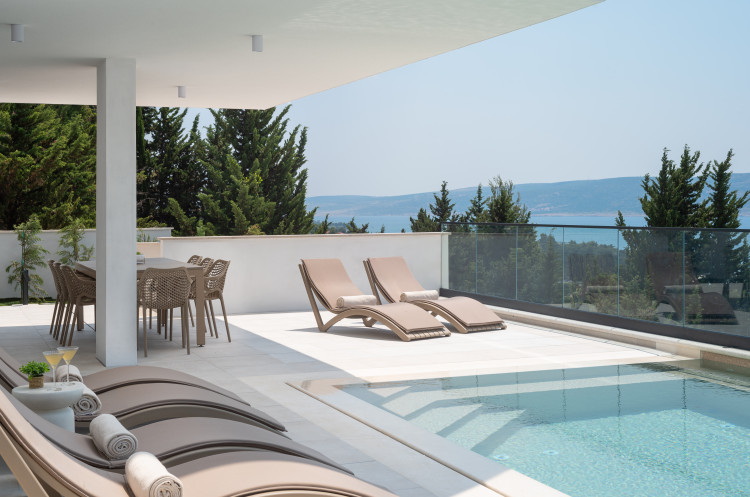
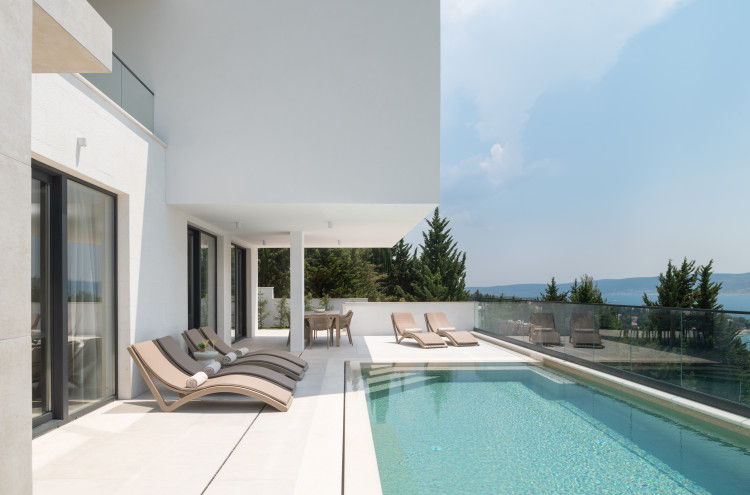
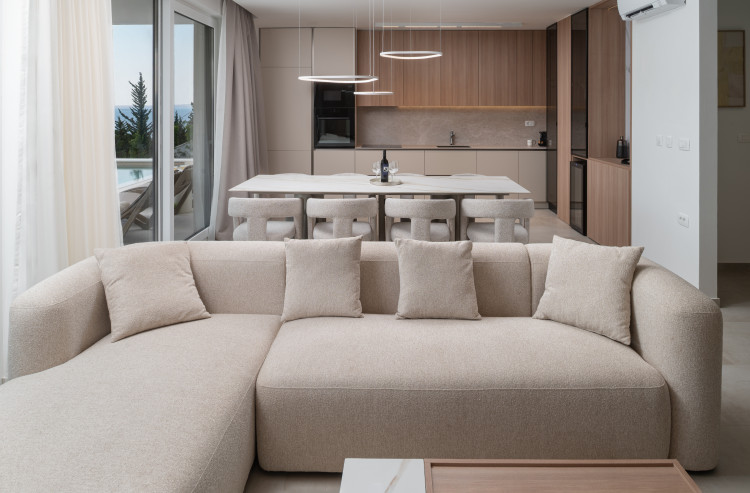
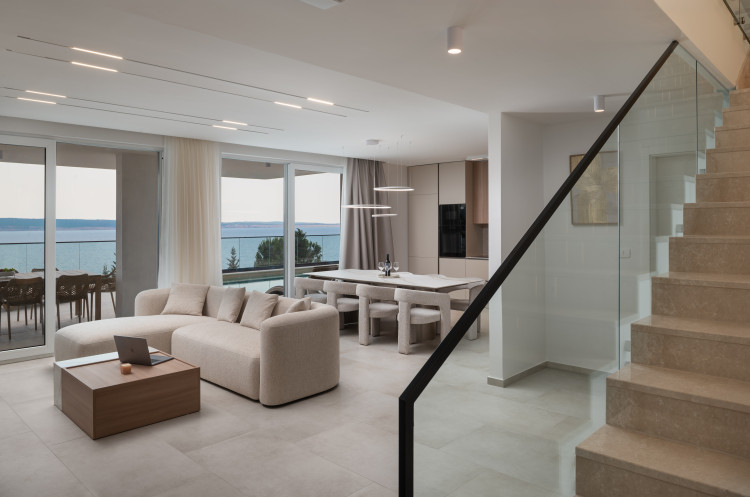
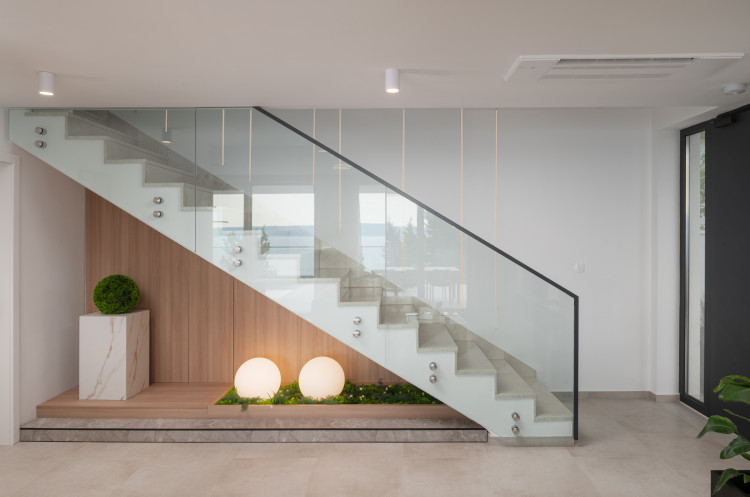
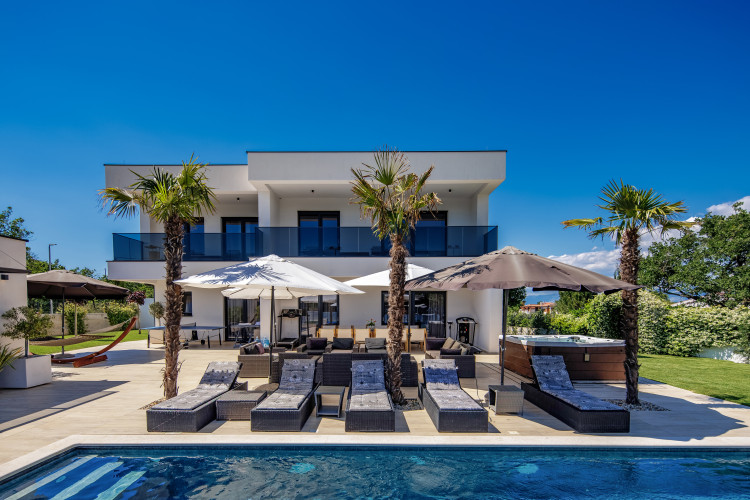
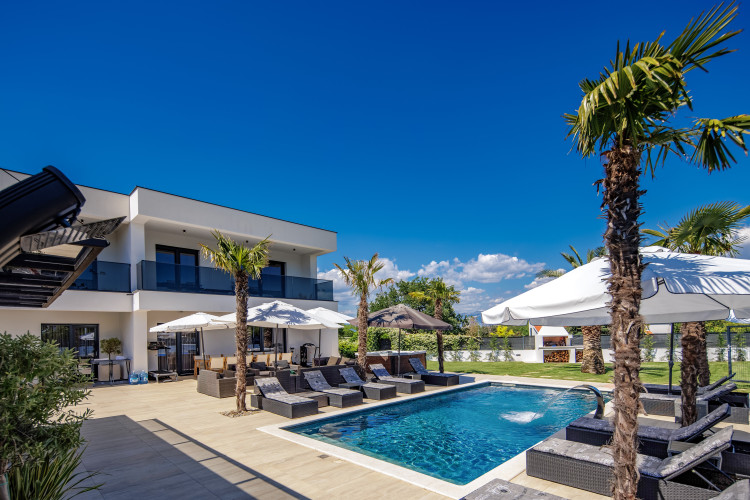
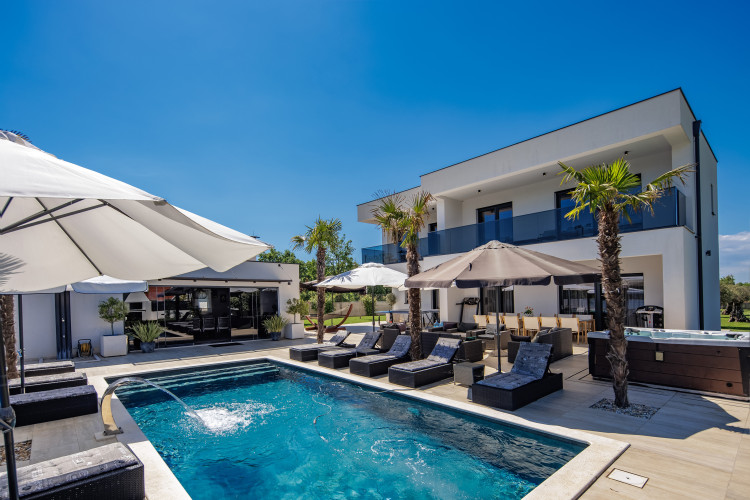
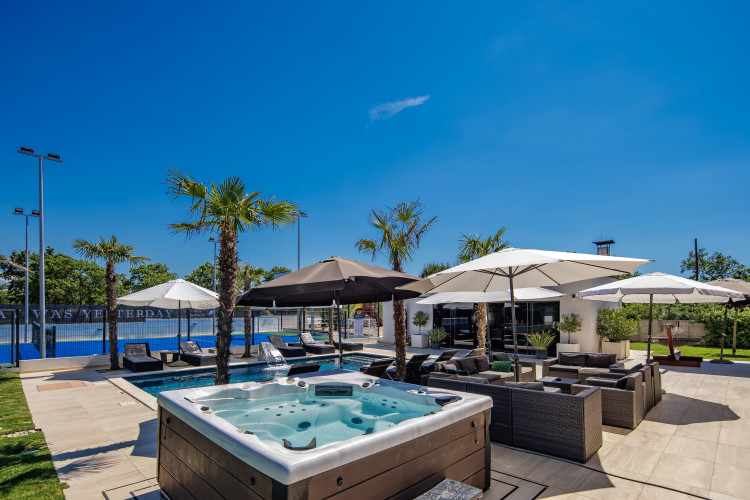
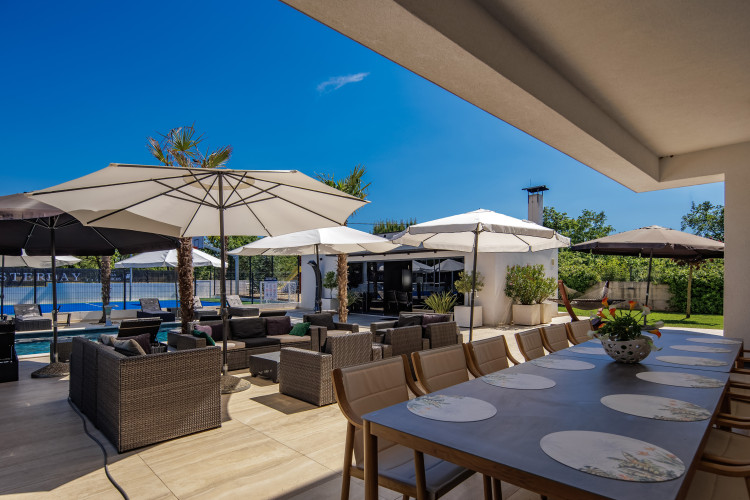
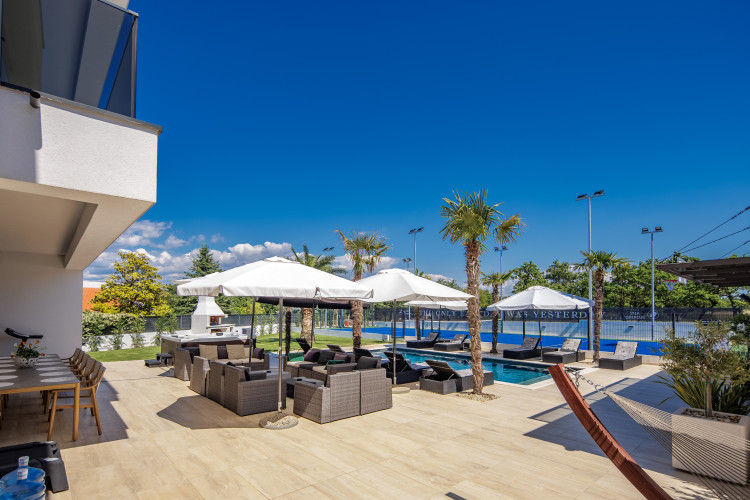
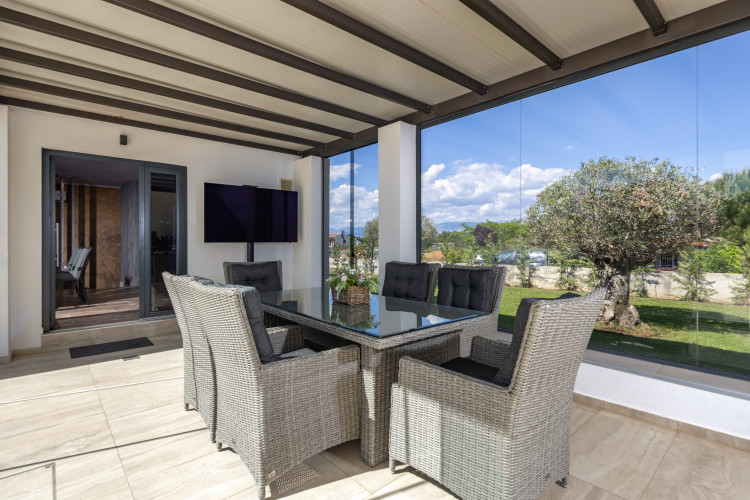
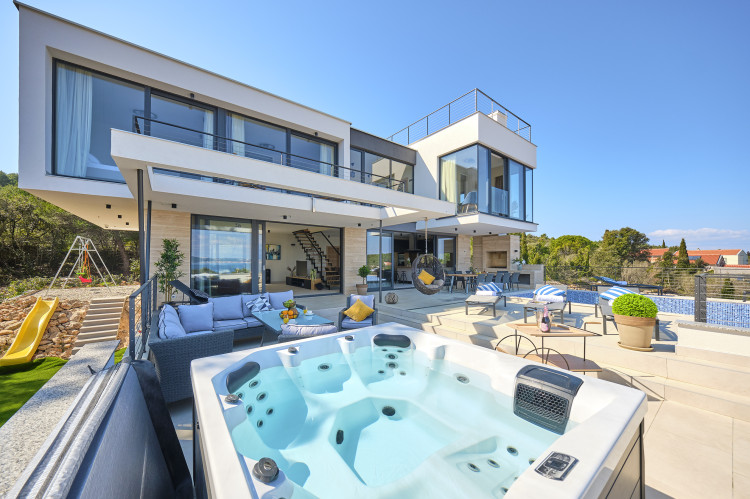
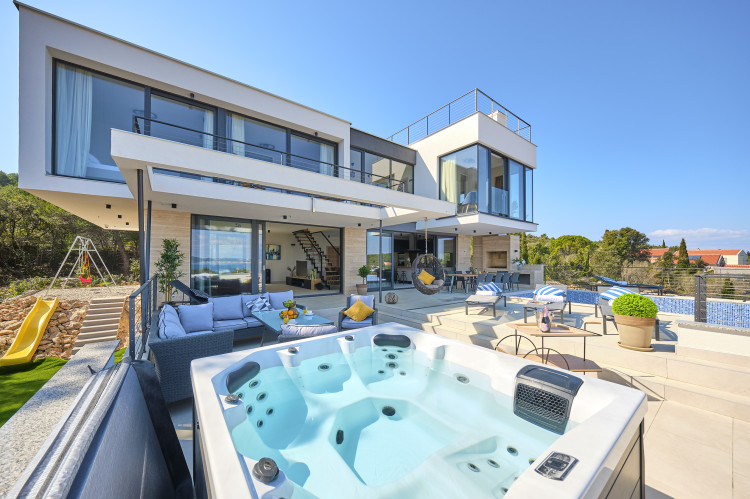
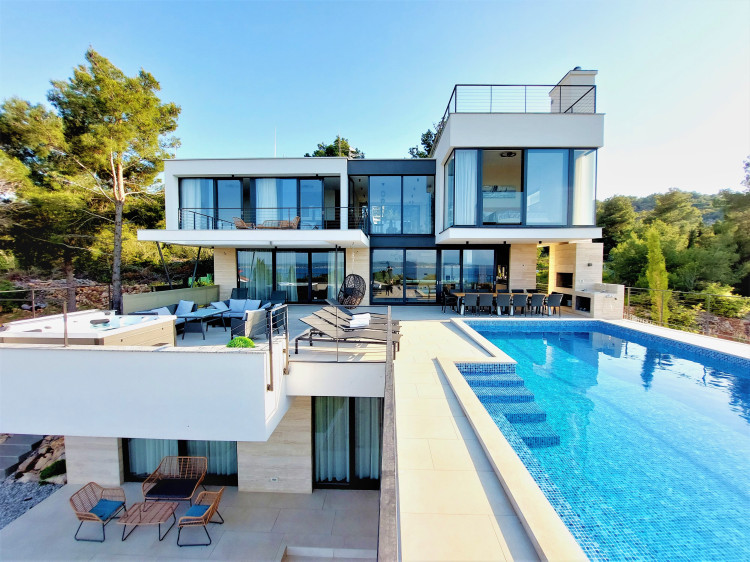
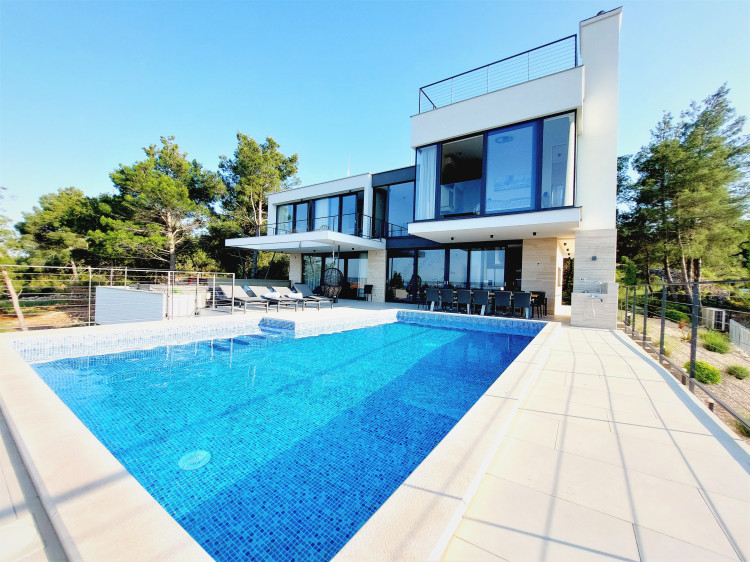
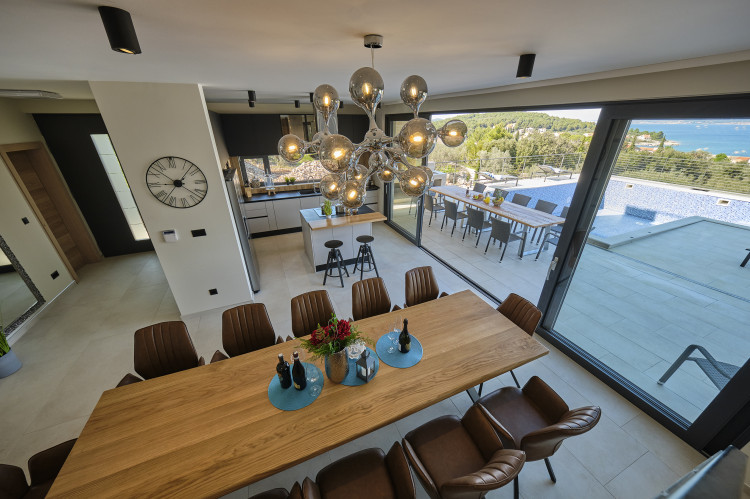

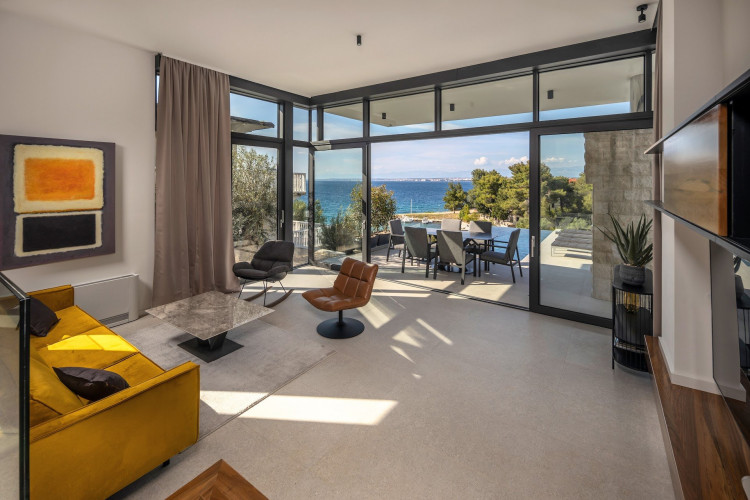
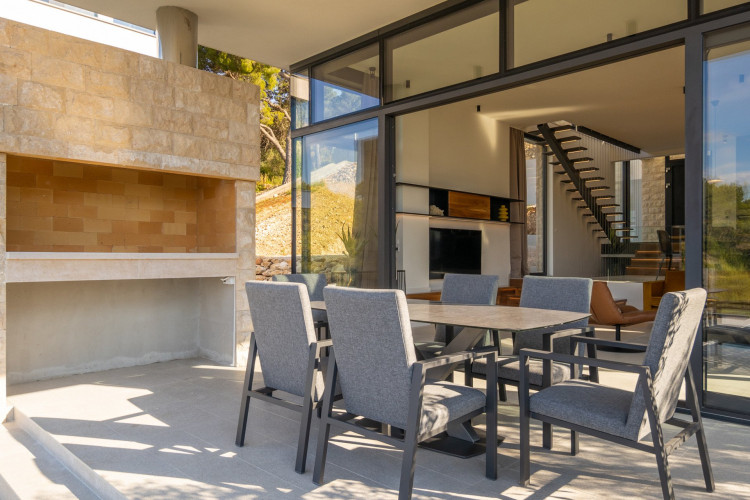
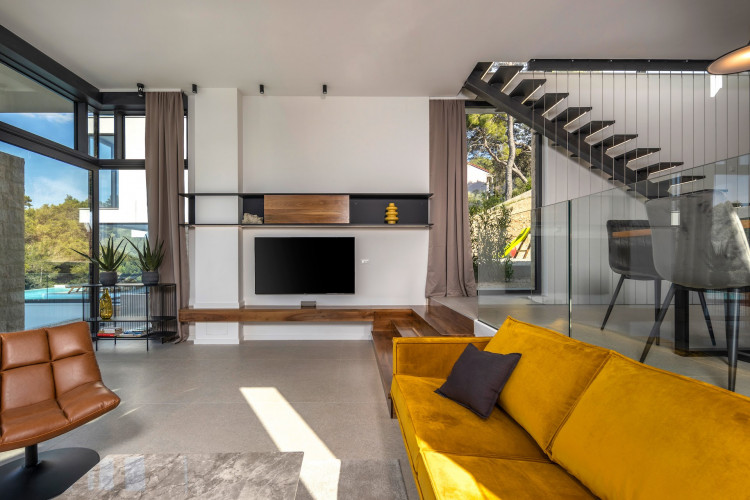

Zadar is a city in northern Dalmatia on the Adriatic coast and one of the underrated bases for a villa holiday in Croatia. It offers 3,000 years of Roman and Venetian history. Holiday rentals in the Zadar region offer everything: lower prices, a nearby airport, and day-trip access to two national parks and an entire archipelago.
Zadar's Old Town is compact enough to walk in 20 minutes yet large enough to keep its restaurants, markets, and bars open through the off-season when island towns shut down.
The Old Town peninsula carries the history in plain sight. The Roman Forum was built in the 1st century BC under Emperor Augustus. It is one of the largest surviving Roman squares on the eastern Adriatic. Beside it stands the circular Church of St Donatus, the largest pre-Romanesque building in Croatia. A short walk away, the waterfront delivers Zadar's modern signature: the Sea Organ and the Greeting to the Sun, two installations that turned a bomb-damaged seafront into the most-photographed spot in the city.
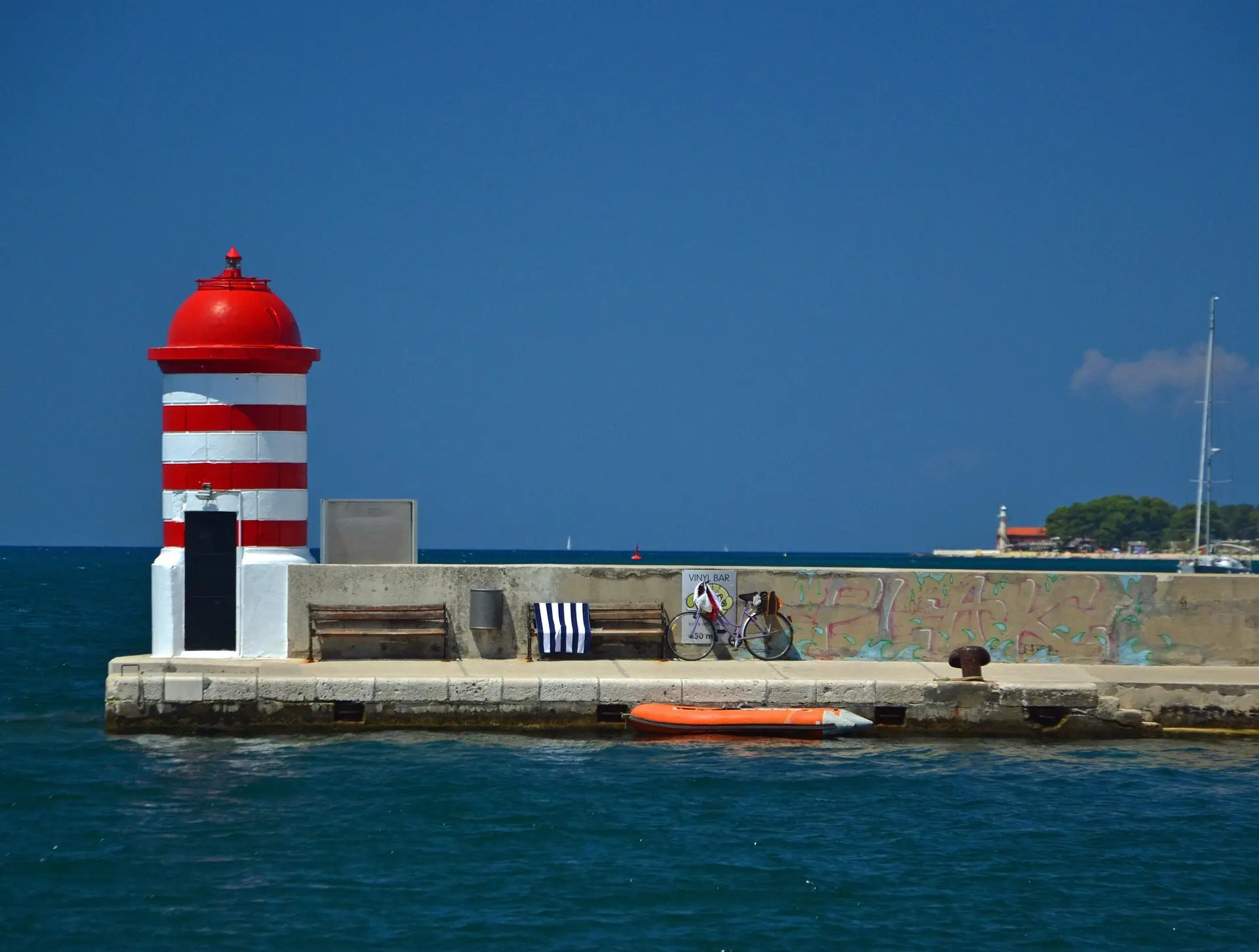 Lighthouse in Zadar
Zadar is a town where Alfred Hitchcock made his famous remark. Staying on the waterfront in May 1964, he said the Zadar sunset was the most beautiful in the world. The Sea Organ and light show came decades later, so today's version of that sunset has a soundtrack.
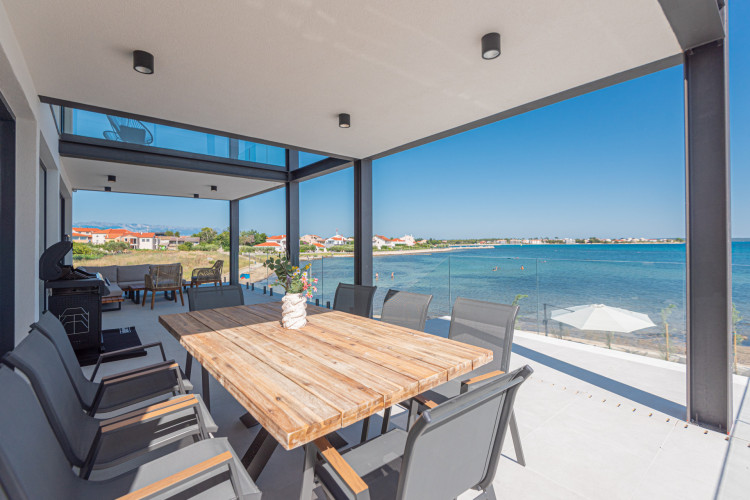
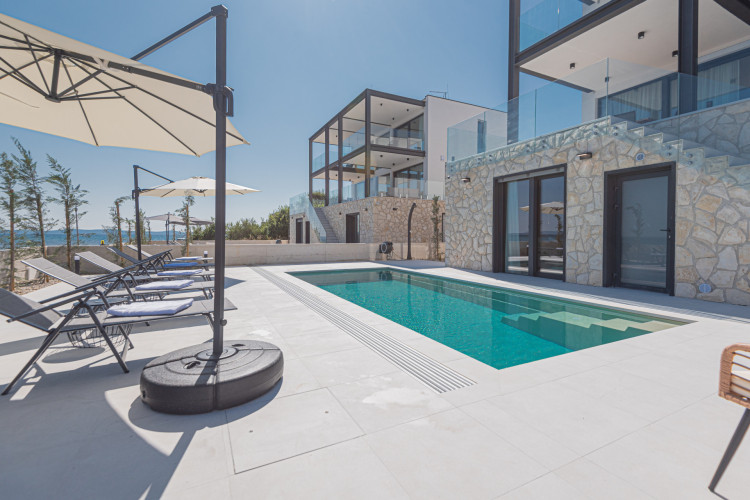
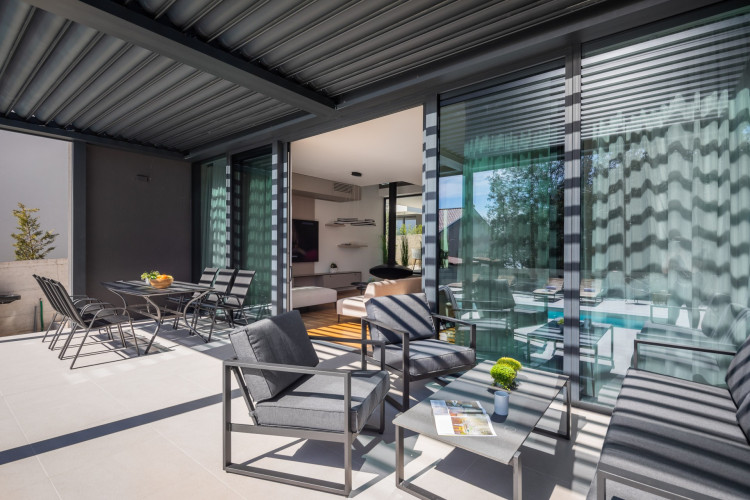
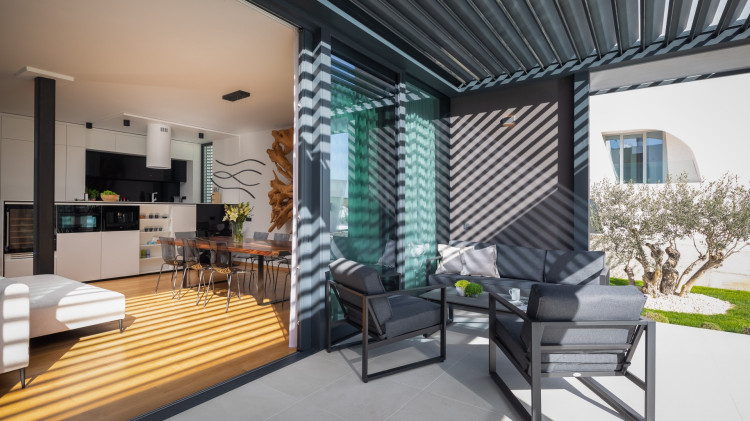
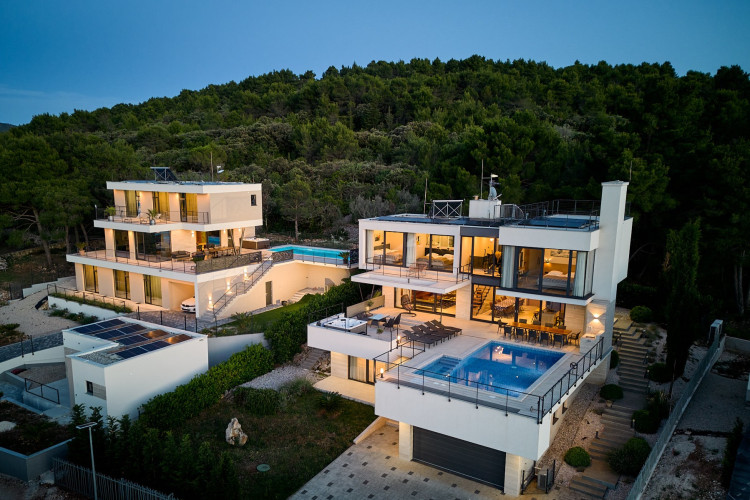
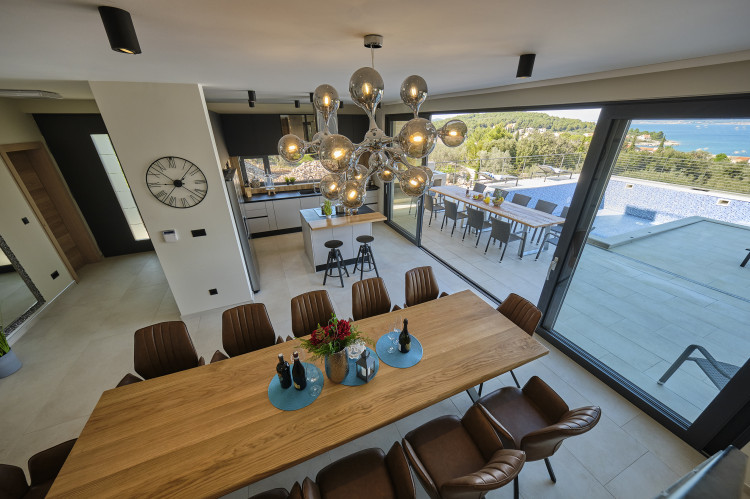
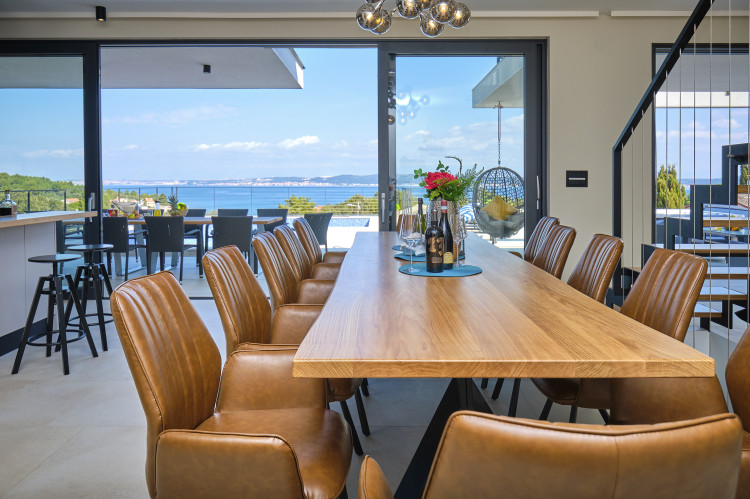
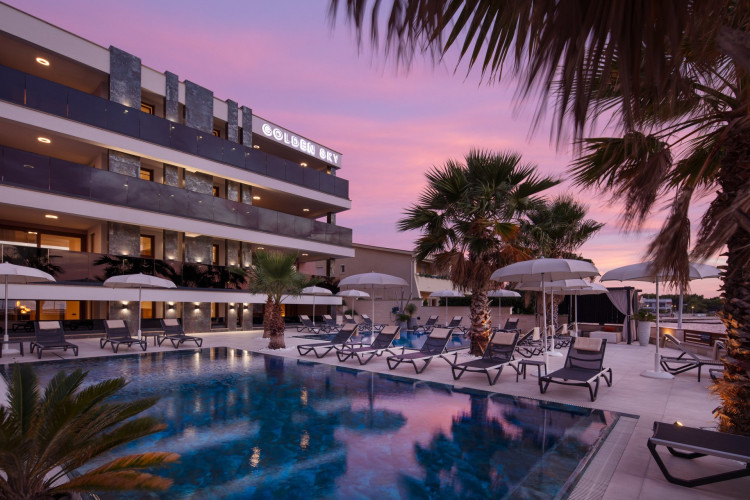
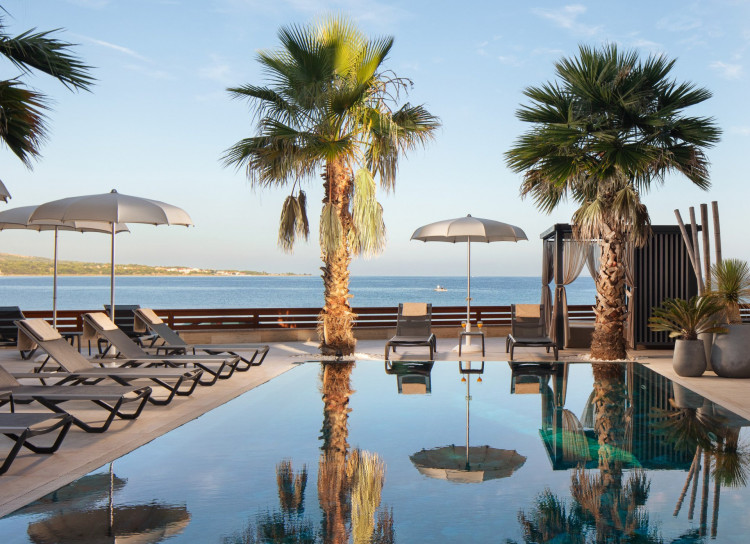
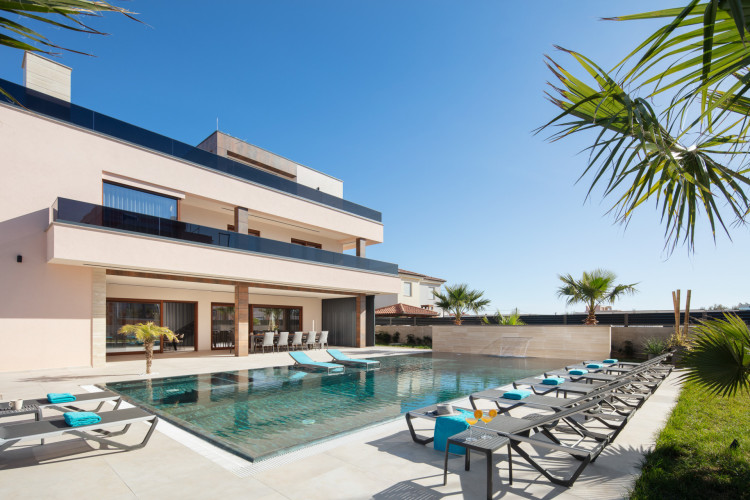
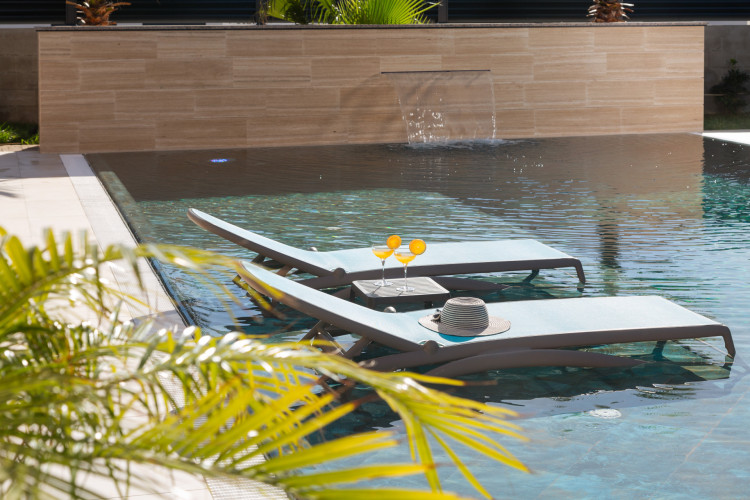
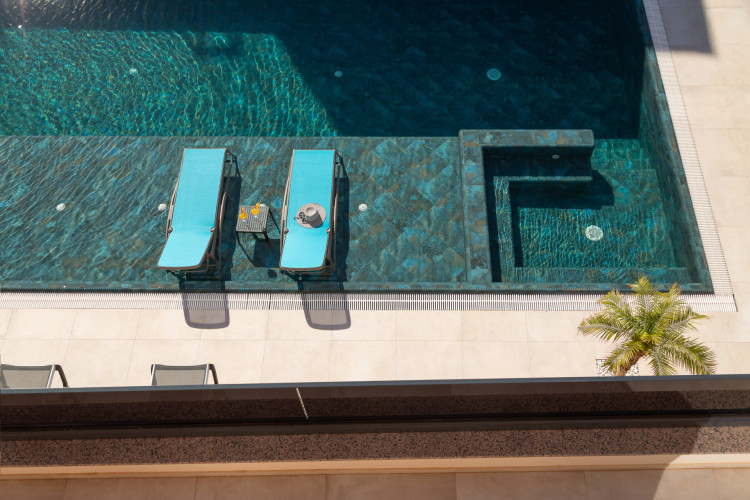
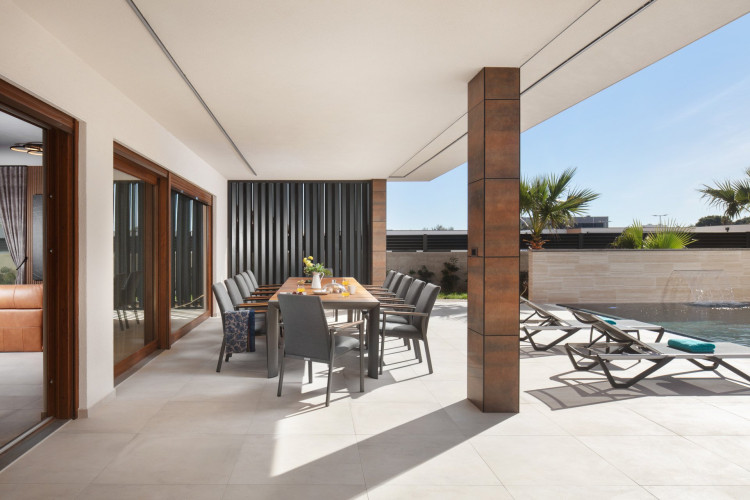
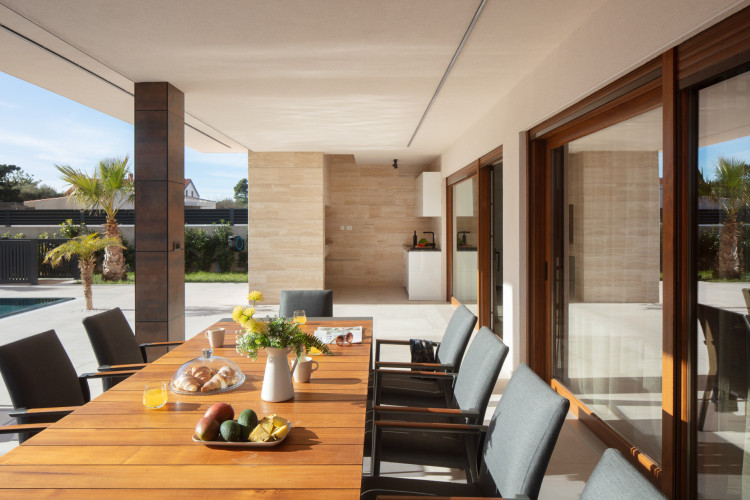
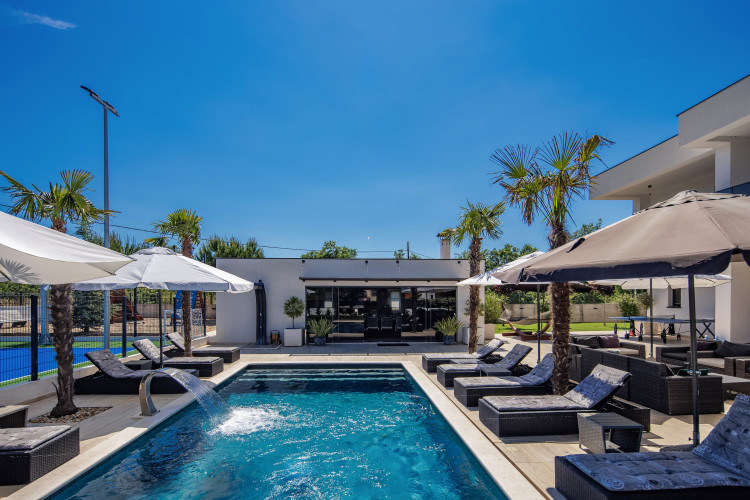
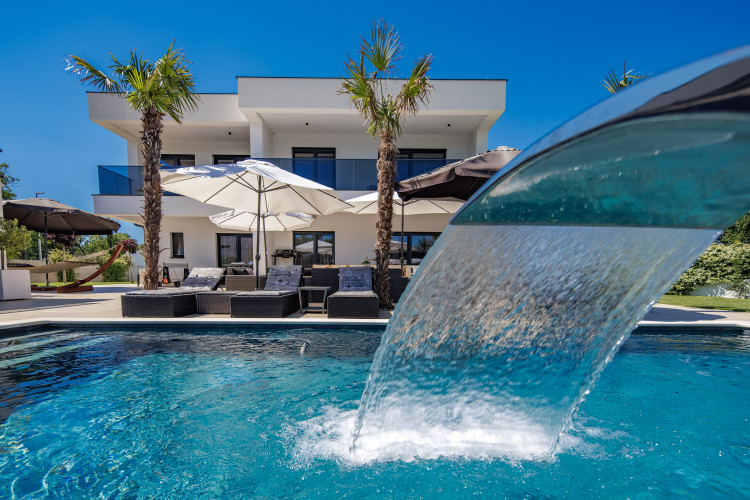
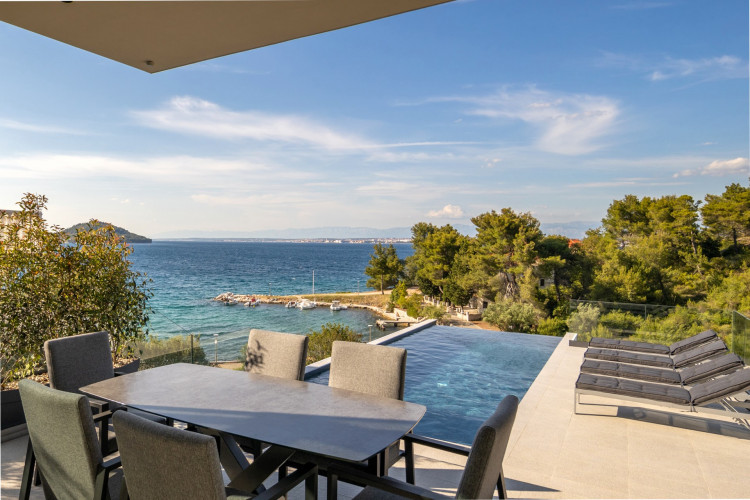
What makes the city work as a villa base is its position. It is the perfect choice to reach Kornati National Park, Plitvice Lakes, and Paklenica National Park, as well as the islands of Dugi Otok, Ugljan, Pašman, and Pag. Add a luxury holiday villa in Zadar with a pool, and the case for the city builds itself.
If you are planning your next holiday in Zadar, browse the full collection of villas in Zadar.
Best Areas for Luxury Holiday Villas in Zadar 2026
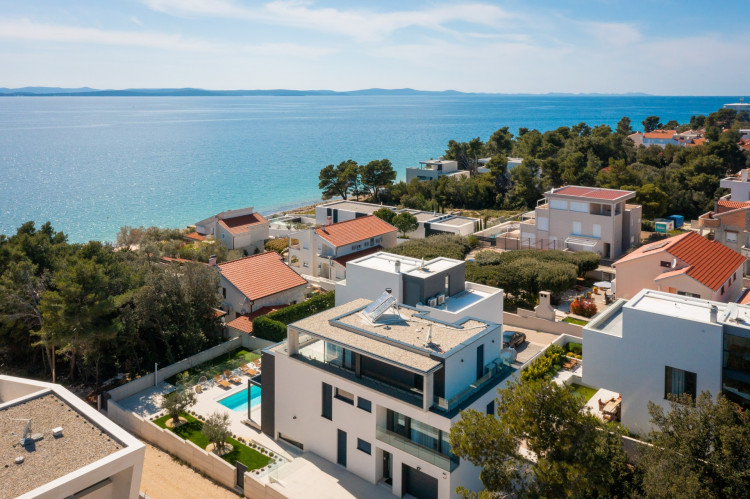
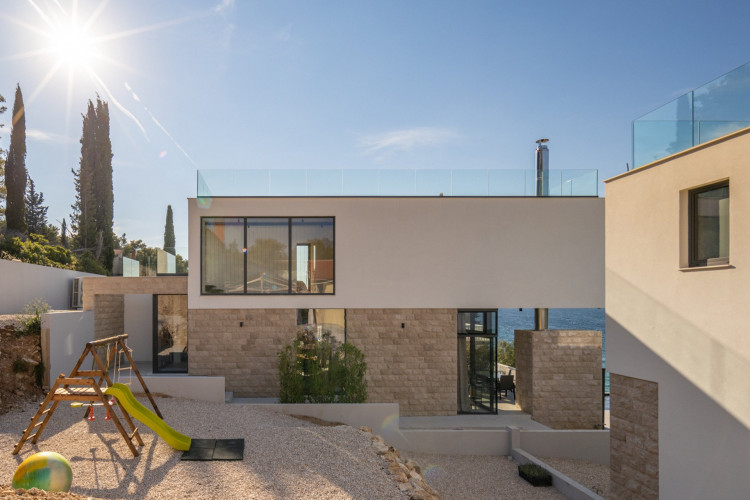
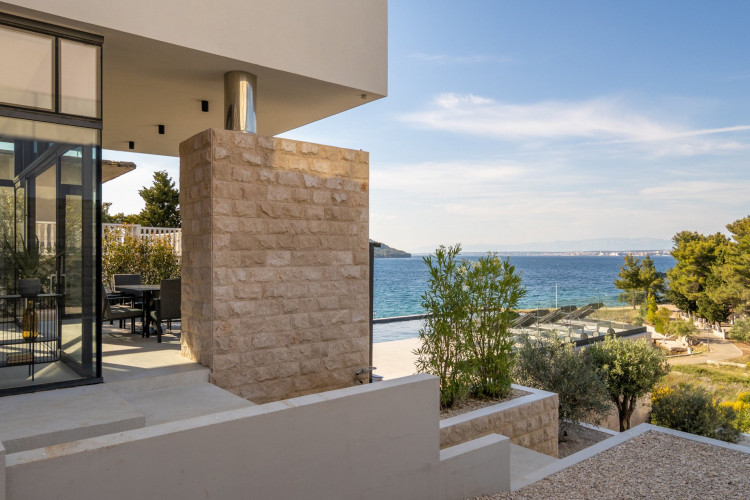
The best villas in Zadar strike a balance among beach access, privacy, price, and distance from the Old Town. One thing worth knowing up front: most of our villas near Zadar sit just outside the city, rather than in the center. Some of them are on the surrounding islands. Find the perfect villa in one of the next areas.
Bibinje, Sukošan, and Turanj: the mainland coast
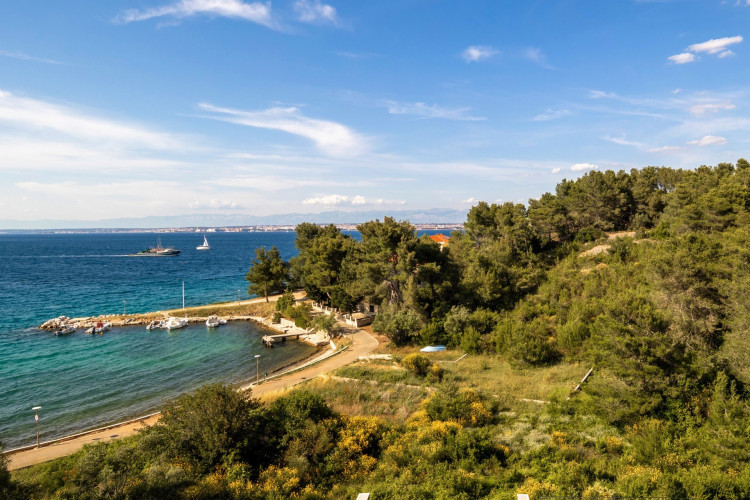
These three villages line the coast just south-east of Zadar and are the easiest bases if you want the city close by. Bibinje is the closest, and a quiet, traditional village. It has a rocky, pebble-strewn shore and lower prices than the city. Sukošan is built around D-Marin Dalmacija, Croatia's largest marina, with a few kilometers of pebble and occasional sandy bays. It is a great pick for sailing families. Turanj is a small, calm village with clear pebble beaches and views across to the islands.
All three are a 10-25 minute drive from Zadar's Old Town. The villas with private pools range from modern builds to renovated stone houses. As a guide, expect €2,500-€8,000 per week for a 4-6 bedroom villa, with larger estates costing more.
Vir: a bridge-connected island for families
Vir Island is joined to the mainland by a bridge. It is easy to reach by car, with no ferry to plan for. The island is low-lying with sandy and pebbly beaches and shallow, warm water. It is well located for families with young children. The drive is about 35-40 minutes from Zadar. Villas range from family houses with pools to large seafront estates that sleep big groups.
Prices range from about €2,500 per week up to €9,000 and beyond for the largest properties.
Ugljan and Pašman: the islands across the channel
For a proper island stay without a long journey, Ugljan and Pašman sit directly opposite Zadar. Ugljan is reached from Zadar by the Preko ferry in around 20-25 minutes. It is a green island of olive groves and small harbors.
Pašman lies just beyond, joined to Ugljan by the Ždrelac bridge, so it is easy to drive between the two. It is quieter, with pine-backed coves and very clear water. Both have villas priced from €2,800 to €8,000 per week.
Ugljan and Pašman suit guests who want calm, swimming, and boating over nightlife. You take a car on the ferry, so allow for that on the day of arrival.
Zadar luxury villa areas at a glance
Table No.1: Comparison of area in Zadar (beach access, weekly rate...)
| Area | Type | Distance from Zadar | Beach access | Indicative weekly rate (2026) | Best for |
|---|---|---|---|---|---|
| Bibinje | Mainland village | 7 km | Pebble and rocky, in the village | €2,500-€7,500 | Value, close to the city |
| Sukošan | Marina village | 10 km | Pebble and Sandy Bays | €2,800-€8,000 | Sailing, families, marina |
| Turanj | Mainland village | 22 km | Clear pebble | €2,500-€7,500 | Quiet, island views |
| Vir | Bridge-linked island | 30 km | Sandy, shallow bays | €2,500-€9,000+ | Families and large estates |
| Ugljan | Island facing Zadar | Ferry 20-25 min | Pebble coves, seafront | €2,800-€8,000 | Authentic island calm |
| Pašman | Quiet island | Ferry + Ždrelac bridge | Clear coves, seafront | €2,800-€8,000 | Peace, nature, boating |
*Rates are agency guide prices for 4-6 bedroom properties and vary by villa, season, and group size.
Mainland or Island: Which Side of the Channel?
For villas in Zadar for rent, the choice is between a mainland village (Bibinje, Sukošan, or Turanj) and an island (Ugljan, Pašman, or Vir). Both offer a private pool, popular amenities, and Adriatic sea views. They differ mainly in how easily you can reach the city and the day trips.
Choose the mainland if you want Zadar and the wider region within easy reach. From Bibinje, Sukošan, or Turanj, you drive into the city in 10-25 minutes. The motorway puts Plitvice, Paklenica, and Nin within an easy day's reach with no ferry timetable to work around. It is a more flexible base for guests who plan to mix swim days with sightseeing and national parks.
Choose an island if switching off is the point. Ugljan and Pašman trade a few minutes of city driving for a calmer pace, clear water off the doorstep, and quiet harbors. Vir keeps the island feel but stays bridge-connected, so there is no ferry.
A practical middle path is Vir. It offers much of the island's calm with mainland convenience, since you can drive straight over the bridge. For most first-time guests who still want to see Plitvice and the Old Town, we tend to suggest the mainland villages. And for a pure unwind, the islands win.
What to Do in Zadar: A Local Guide for 2026
The main sights in Zadar cluster on and around the Old Town peninsula, and most are free or inexpensive.
Sea Organ and Greeting to the Sun
The Sea Organ (Morske orgulje) is the world's first instrument played by the sea. It was completed in 2005 by the architect Nikola Bašić. It runs for 70 meters along the waterfront, with 35 pipes set beneath marble steps. Waves push air through them, producing constantly shifting chords. The exhibition is free. Sit on the steps, enjoy the view of the crystal-clear sea, and listen to the melody.
Next to it is the Greeting to the Sun (also called the Monument to the Sun). It is a 22-meter circle of 300 glass plates set flush with the promenade. Photovoltaic cells beneath the glass generate enough to power part of the waterfront lighting. After dark, they drive a color light show timed to the Sea Organ's music. For the best experience, arrive 30-45 minutes before sunset, bring a bottle of local wine, and stay for the light show afterward. For many, this becomes a nightly habit.
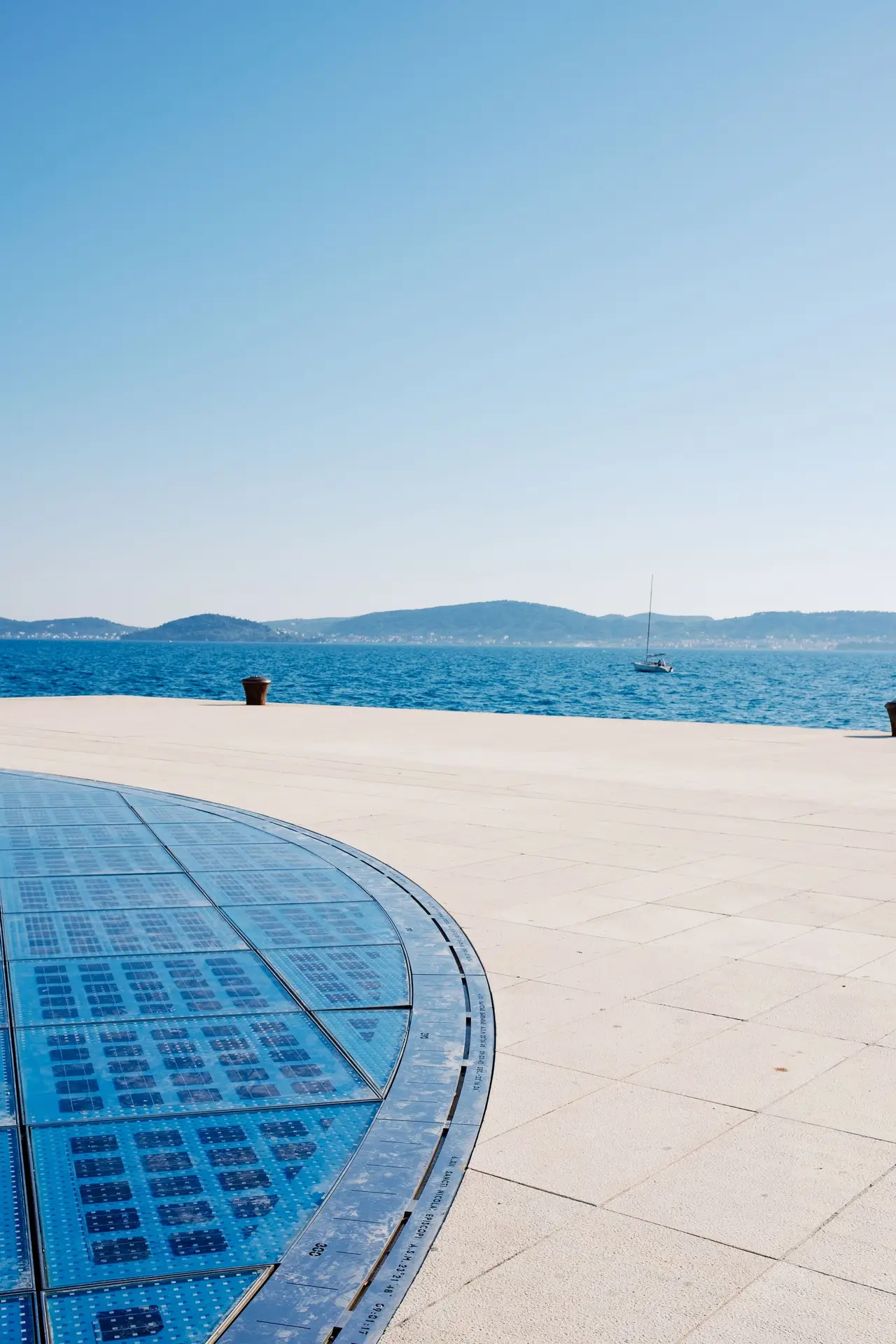 Greeting to the Sun installation
Roman Forum and St Donatus
The Roman Forum is the open heart of the Old Town: original paving, column fragments, and temple foundations dating to the 1st century BC. In the summer months, it doubles as a concert venue, hosting classical performances inside a 1,200-year-old stone structure. Climb the Cathedral of St Anastasia's bell tower for a rooftop view over the peninsula, the harbor, and the islands beyond.
Old Town wandering
The peninsula can be covered in a couple of hours, leaving new corners to explore on the next walk. Look for the Renaissance Land Gate (1543) with its Venetian Lion of St Mark, the Five Wells Square, and the People's Square. Early morning (7-9 am) and evening (6-9 pm) are the best times to avoid midday crowds on day trips.
Maraschino, Zadar's own liqueur
Zadar gave the world maraschino, a clear cherry liqueur made from the local marasca cherry. It has been produced in the city since the 18th century. The distilleries' works were destroyed in WWII. After that, they were rebuilt in Italy, but the cherry still grows in the Zadar hinterland. A bottle (€15-35) makes a genuine local souvenir.
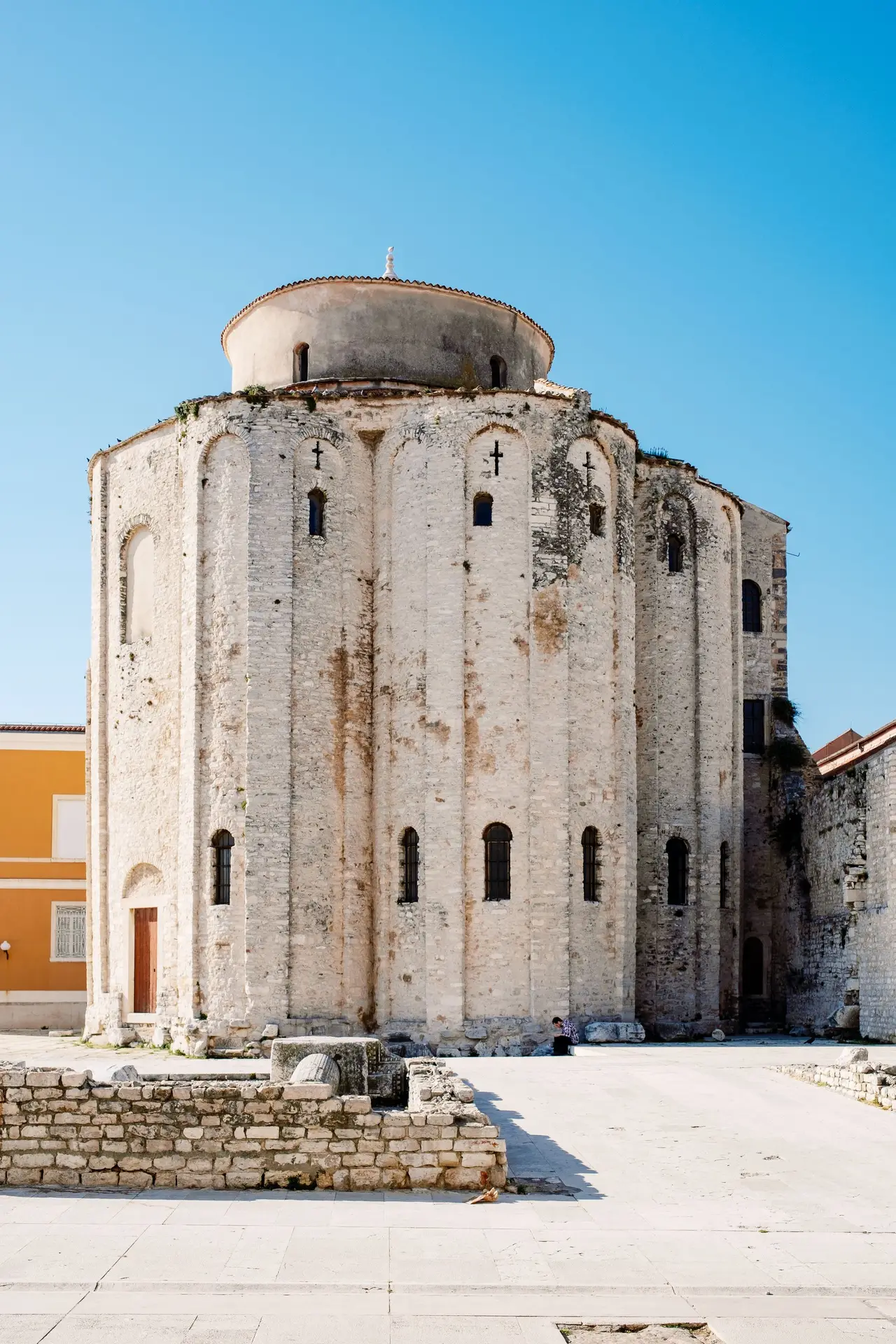 St Donatus
Events and Summer Fun in Zadar 2026
Zadar's evenings get busy in summer, and 2026 has a strong line-up. Here is what to plan around.
Festivals and cultural events
The headline cultural event is the Musical Evenings in St Donat, one of Croatia's oldest classical music festivals. The 66th edition runs from 5 July to 6 August 2026, with chamber and early-music concerts. The opening concert on 5 July is free.
The most atmospheric night of the summer is the Full Moon Festival (Noć punog miseca). This year is held from 29 July to 2 August 2026. The Riva's street lights are switched off, and the waterfront is lit only by torches, candles, and the full moon. The fishing boats tie up as floating stalls selling tuna, mussels, and local wine, with klapa singing along the quay. If your stay overlaps with it, do not miss it.
Through July and August, the Roman Forum and other historic venues also host open-air concerts and performances, so it is worth checking the Zadar tourist board events calendar once you arrive.
Music festivals in Zadar
Northern Dalmatia is a summer hub for electronic music. The best-known venue is The Garden in Tisno, a festival site about an hour's drive south of Zadar. It hosts a series of events throughout the season, including Love International (8-14 July 2026). These are destination festivals in their own right, easy to fold into a villa week if dance music is your thing.
For electronic music lovers, don't miss Zrće beach, a long-established party spot on Pag island.
Best Day Trips From Zadar
This is where Zadar earns its keep. No other coastal base reaches this range of nature and culture in a single day. Below are the guides for all.
Kornati Islands National Park
Kornati is the densest archipelago in the Mediterranean. There are 89 mostly uninhabited islands, bare white limestone falling sheer into deep blue water and stretching about 35 kilometers across 320 square kilometers of sea. This archipelago is perfect for sailing. Full-day group boat trips typically cost €60-120 per person, including lunch. Private charters cost €800-1,500, depending on the boat.
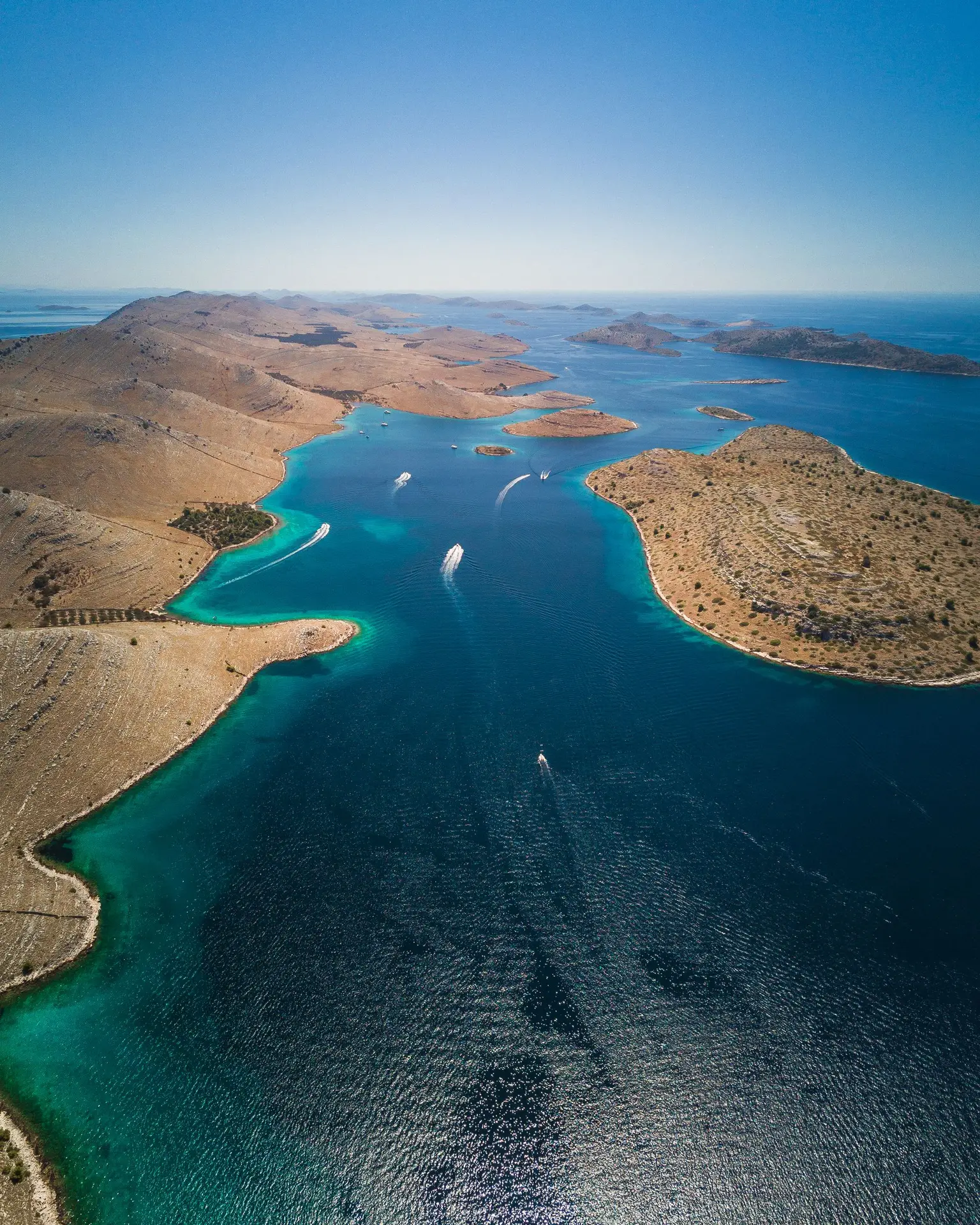 Kornati are perfect for sailing
Plitvice Lakes National Park
Croatia's most famous natural site is about a 1.5-hour drive away. Plitvice links 16 terraced turquoise lakes with waterfalls and timber walkways through beech and fir forests. Go early (the park opens at 7 am) to beat the July and August crowds, allow a full day, and wear proper shoes for damp boardwalks.
Paklenica National Park
For hikers and climbers, Paklenica is only a 45-minute drive on the southern slopes of the Velebit mountains. Its two limestone canyons (Velika and Mala Paklenica) hold around 600 marked climbing routes. The Anića kuk face rises up to 350 meters. The main canyon walk to the Anića kuk viewpoint is a moderate 4-5 hour round trip suitable for reasonably fit walkers.
Krka National Park
Krka lies about an hour south of Zadar. Its centerpiece, the Skradinski Buk cascade, is easier underfoot than Plitvice and less crowded. The surrounding area takes in the river, historic mills, and the Visovac island monastery. Swimming directly beneath Skradinski Buk is no longer permitted, but there are designated swimming spots upriver at Roški Slap. It suits families with younger children, or anyone who wants waterfalls without a long hike.
Villas closer to the park sit on our Šibenik villas page.
Nin: the first Croatian royal town
Nin, about 15 km north, sits on a small island linked to the mainland by stone bridges. The Church of the Holy Cross, dating to the 9th century, is nicknamed "the smallest cathedral in the world". Nin also has rare sandy beaches, including the shallow Queen's Beach. Plus, a working salt pan which produces prized sea salt. Spend a relaxed half-day with history, salt, and a sandy swim for the children.
Dugi Otok and the island of Pag
Dugi Otok is the largest island in northern Dalmatia. It is reached by ferry from Zadar. It holds Sakarun, a shallow white-sand beach that is genuinely rare on this coast. It is a true gem among visitors. At the Telašćica Nature Park, cliffs rise to around 160 meters above sea level, and the saltwater Lake Mir is a few degrees warmer than the Adriatic.
Up to the north, Pag Island is reached by a bridge. It is known for its sharp sheep's cheese (Paški sir), lace, lunar landscapes, and the Zrće near Novalja.
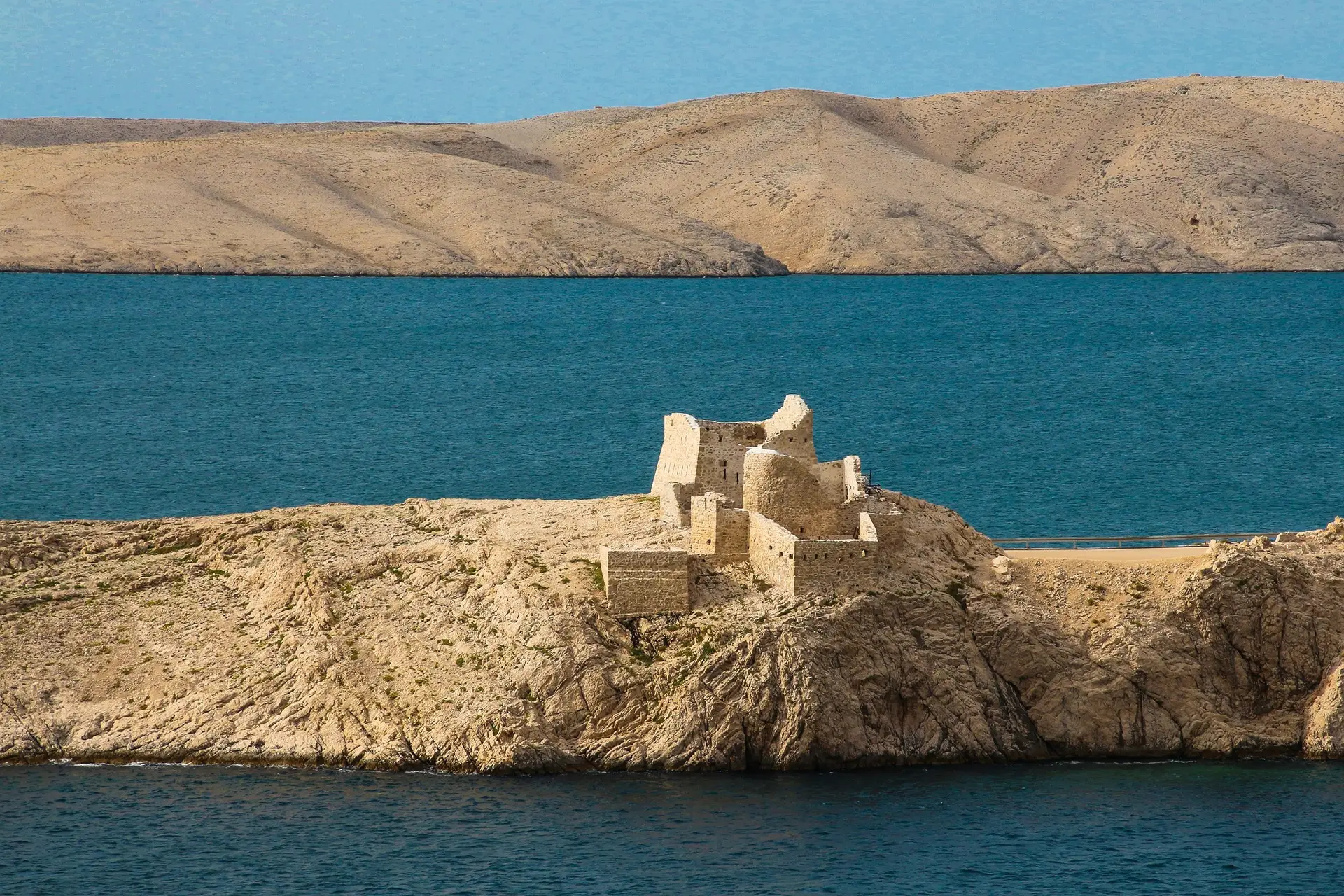 Pag - looks like Mars
Best Beaches Around Zadar Villas
Beaches in Zadar are mostly pebble and rock, with concrete bathing platforms. This is typical in Croatia and helps keep the water exceptionally clear. The ones at Kolovare and along the Borik and Diklo waterfronts are the most convenient. They have bars, showers, and shallow entry points that work for families. Puntamika has small coves below the residential streets.
For sandy ones, you need to travel a little. Nin's Queen's Beach is shallow and child-friendly, and Sakarun on Dugi Otok is the standout white-sand bay in the region. The swimming season runs from June to October. Sea temperatures remain above 20°C throughout that window, peaking around 25°C in July and August. If you are traveling in May or early June, a villa with a heated pool is worth considering - see our heated-pool villas.
A RLVC advice: pack water shoes for the children. Pebble entries and the occasional sea urchin make them the most useful thing to bring.
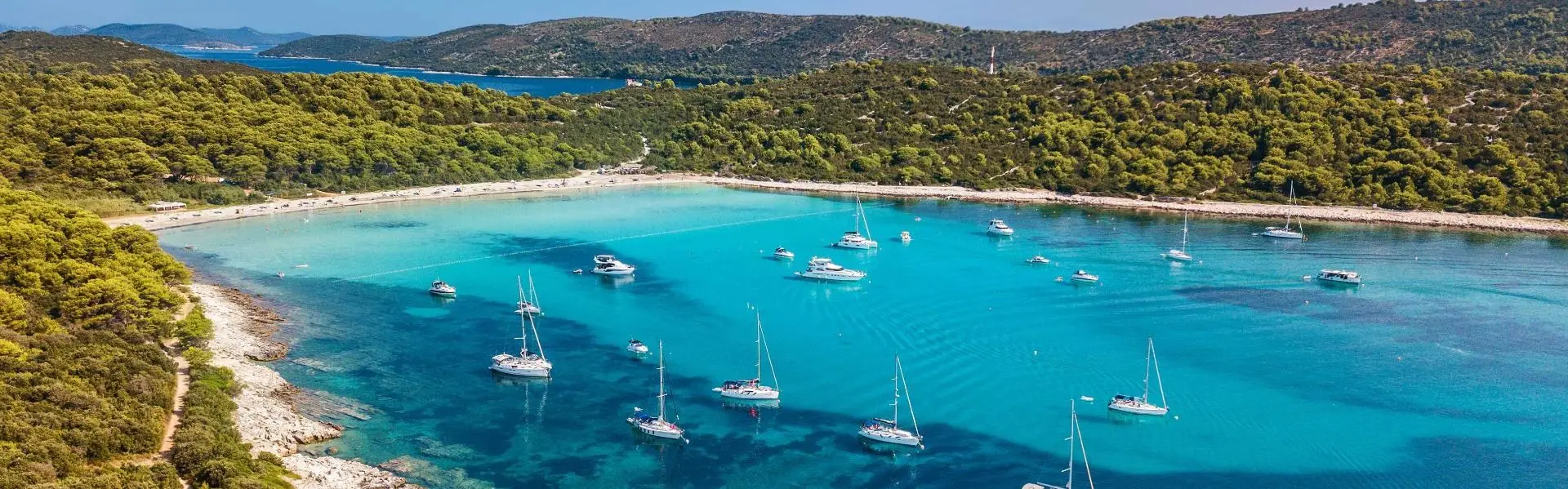 Sakarun has the most perfect white sand, source
Zadar Restaurants
Zadar's dining scene is first and foremost traditional Dalmatian cooking and Mediterranean cuisine. You can eat well without paying enormous prices. The region is full of family konobas where the menu depends on the morning's catch. Besides the konoba, there are a few restaurants that are worth visiting.
Foša sits just behind the 16th-century walls, overlooking the small Foša harbor. It is the city's best-known seafood address, with Dalmatian cooking given a contemporary Mediterranean turn. A three-course dinner with wine costs €80- €120 per person.
Kaštel, inside the boutique Hotel Bastion in the center of the Old Town, is the Michelin-listed option, set in a restored 13th-century castle with an elegant, quietly luxurious room. Both need booking ahead in summer.
Pet Bunara, on the Five Wells Square that gives it its name, works with slow-food principles, offering organic, seasonal Dalmatian dishes and a strong local wine list. A reliable choice for a special meal without the formality.
Shopping and Souvenirs in Zadar
Shopping in Zadar leans towards local food, drink, and craft, which suits the city. The spine of the Old Town is Kalelarga, the pedestrian street that has been a social and commercial center for centuries. It is lined with boutiques and small shops. Turn down the side streets off it, and you will find artisan workshops selling handmade jewelry, ceramics, lace, and prints.
For everyday produce, the Green Market (Pijaca) is where locals shop. It runs from around 7 am until early afternoon. Look for seasonal fruit and vegetables alongside local olive oil, honey, cheese, and bread. The covered fish market (Ribarnica) is next door.
In the center, City Galleria pairs a fresh market with a small mall. For a bigger shop or a rainy afternoon, Supernova Zadar is a 10-minute drive from the center.
What to buy
A few things are worth carrying home:
- Maraschino liqueur. Zadar's own cherry liqueur, sold in distinctive bottles around the Old Town for roughly €15-35. The most authentic local gift you can buy.
- Nin sea salt. Hand-harvested from the salt pans near Nin, the delicate "flower of salt" is a finishing salt prized by cooks and a reminder of a salt tradition dating back well over a thousand years.
- Pag lace. Worked entirely by hand without a stencil, Pag lace belongs to Croatia's UNESCO-listed lacemaking tradition. Small pieces, such as bookmarks or framed motifs, pack easily.
- Pag cheese (Paški sir). Croatia's best-known sheep's cheese, sharp and salty from the island's herb-and-sea-spray pastures. Ask for it vacuum-packed, and it travels home without fuss.
- Dalmatian olive oil, along with lavender, dried figs, candied citrus, and sea-themed jewelry or small prints of the Sea Organ and Greeting to the Sun.
A couple of pointers from RLVC: get to the Pijaca before mid-morning for the best of the produce. Bring cash and a reusable bag, and have any cheese vacuum-sealed for the flight home. If you would rather not spend holiday time shopping, our team can stock the villa before you arrive or track down specific producers for you.
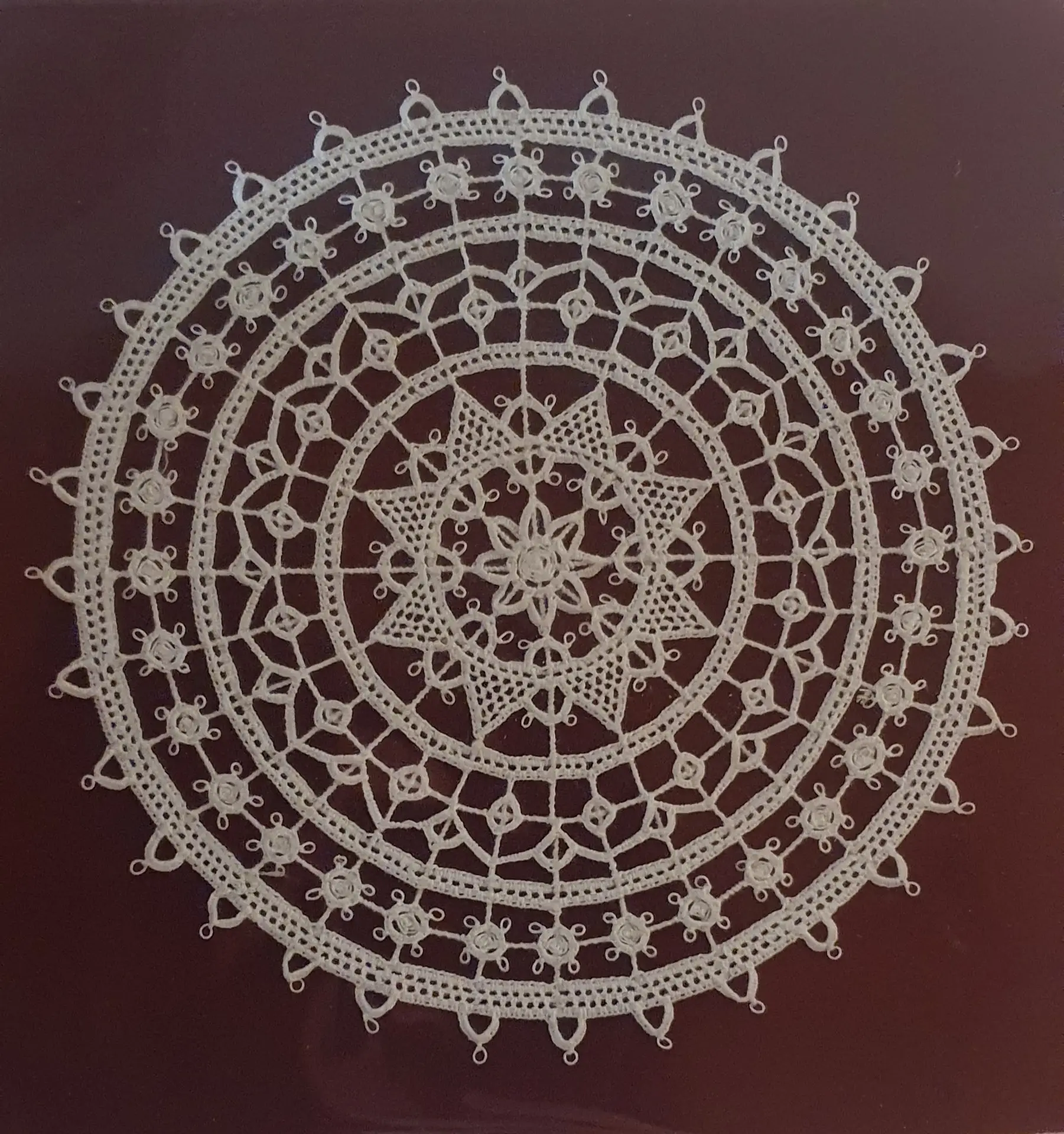 Pag lace - a traditional souvenir
Getting to Zadar and Getting Around
Flights
Zadar is well served by the EU between roughly April and October. Winter direct routes thin out considerably, with year-round connections routed via Zagreb.
From the airport to your villa
Zadar Airport (ZAD) is about 8 kilometers from the city center. It takes about 15-20 minutes by road. You can land and be at your villa within half an hour. A hired car collected at the airport is the best choice for most villa guests, since the region is best reached by car.
Getting around
Inside the Old Town, walking is the only option, and everything is within 10-15 minutes on foot. Park in the public garages around the walls (around €2-3 per hour). For Kornati, choose boat departures. For Plitvice, Paklenica, and Nin, pick a car. Local buses connect the center with Borik, Diklo, and nearby towns but are limited for wider exploring.
Weather and the Best Time to Visit Zadar
Like the rest of the Dalmatian coast, Zadar has a Mediterranean climate: hot, dry summers and mild, sometimes windy winters. The swimming season runs from June to October.
Table No.2: Monthly comparison (sea temperatures, activities...)
| Month | Temperature | Sea temperature | Activities | Villa prices |
| May | 20-24°C | 18-20°C | Sightseeing, hiking, day trips; heated pool helps | 40-50% below peak |
| June | 24-28°C | 21-23°C | Beach plus culture, fewer crowds | 20-30% below peak |
| July | 28-32°C | 25°C | Beach holidays, warm sea, busiest | Peak |
| August | 28-33°C | 25°C | Beach holidays, the warmest sea | Peak (eases late August) |
| September | 24-27°C | 23-25°C | Warm sea, fewer crowds, our top pick | 25-35% below peak |
| October | 18-22°C | 19-21°C early | Day trips, culture, value | 40-50% below peak |
September is the best all-round month: the sea is at its warmest, the air is comfortable for hiking and day trips, prices have dropped, and the crowds have thinned. May and October are excellent for culture-led trips and exploring the parks, though early-season sea temperatures make a villa with a heated pool worthwhile.
Zadar vs Split vs Dubrovnik: Which Base Is Right for You?
All three make strong villa holiday homes, but they pull in different directions. Zadar is the value-and-authenticity choice with the easiest access to national parks; Split is the metropolitan hub for the southern islands; Dubrovnik is the showpiece, with prices to match.
Table No.3: Comparison of Zadar, Split, and Dubrovnik
| Charachteristics | Zadar | Split | Dubrovnik |
| Character | Authentic, manageable, year-round | Big-city energy, UNESCO core | Walled showpiece, premium |
| Airport distance | 8 km | 25 km | 20 km |
| Best for day trips | Kornati, Plitvice, Paklenica, N. islands | Hvar, Brač, Krka, Trogir | Elaphiti Islands, Montenegro |
| Villa value | Best of the three | Mid | Highest prices |
| Crowds in peak | Moderate | Heavy | Heavy |