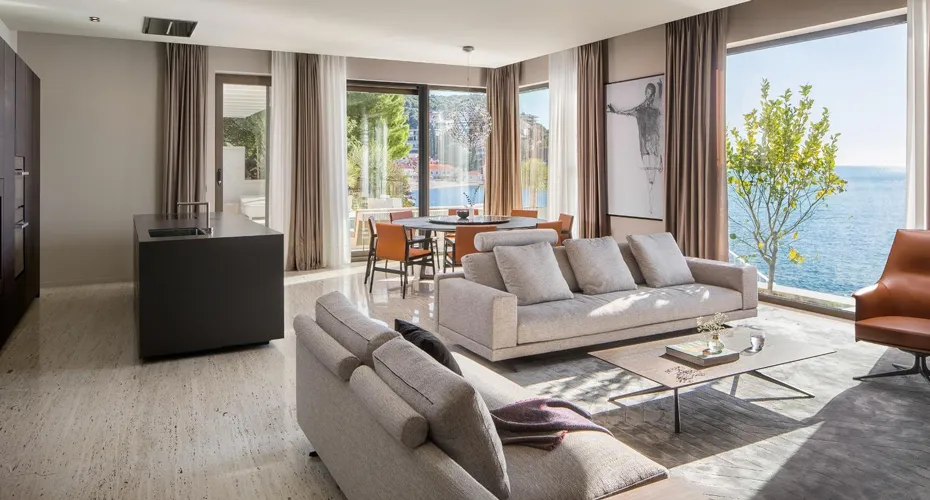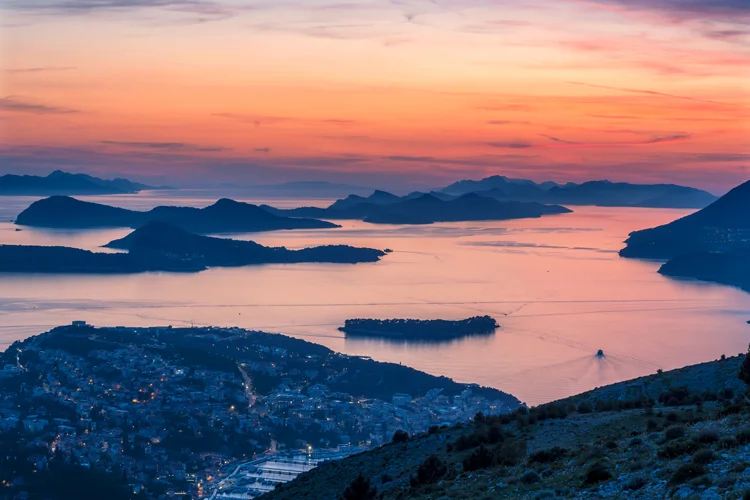
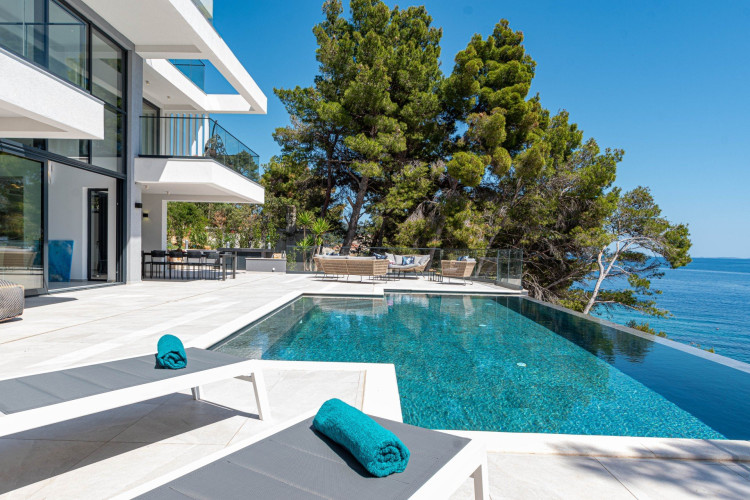
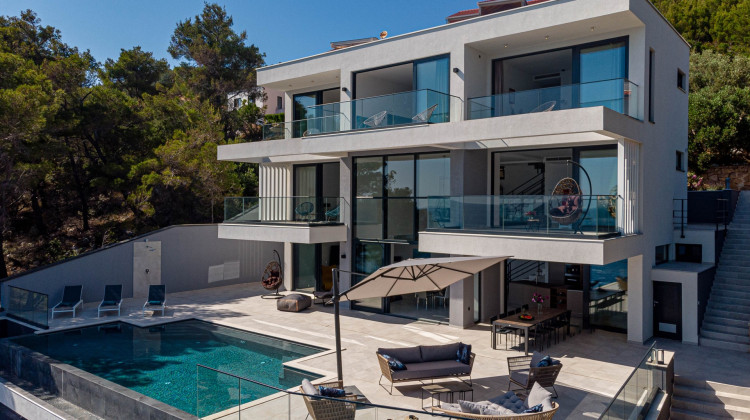
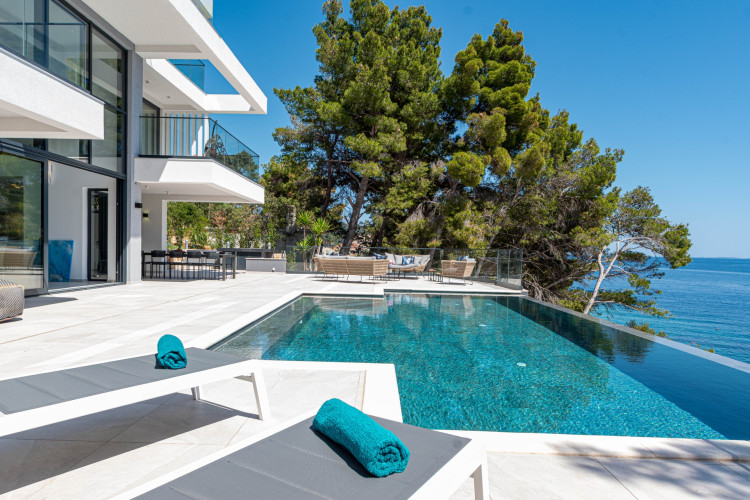
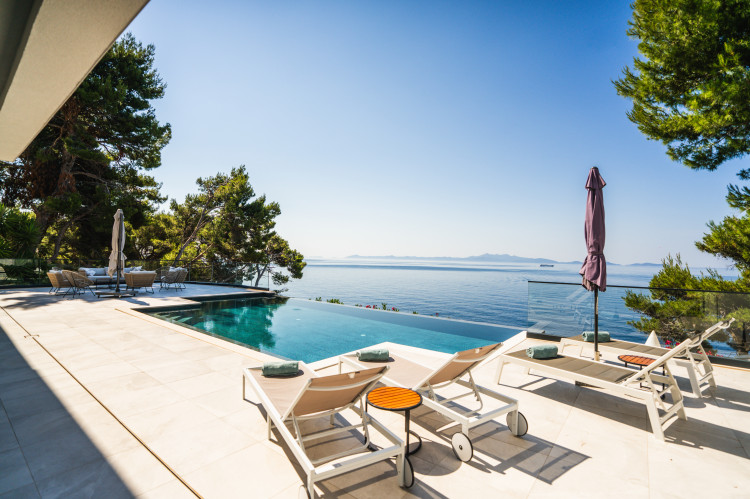
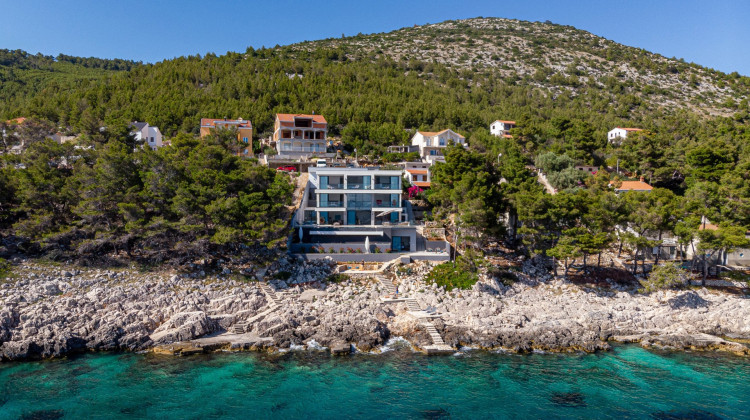
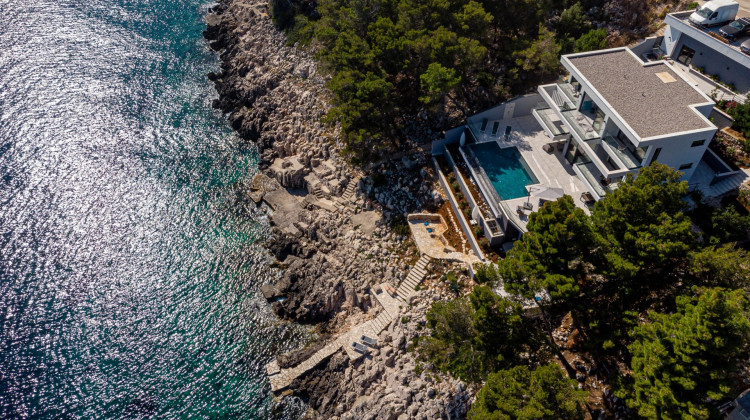
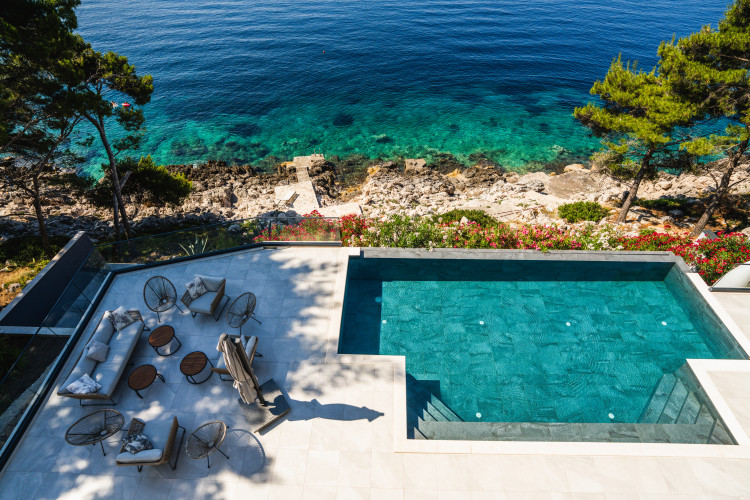
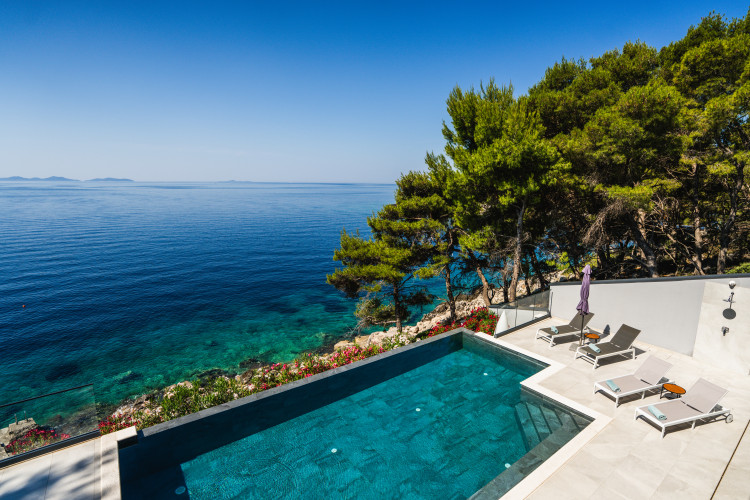
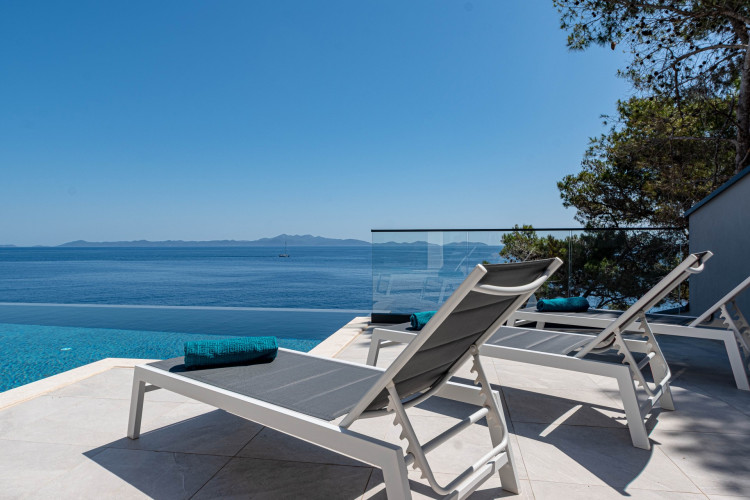
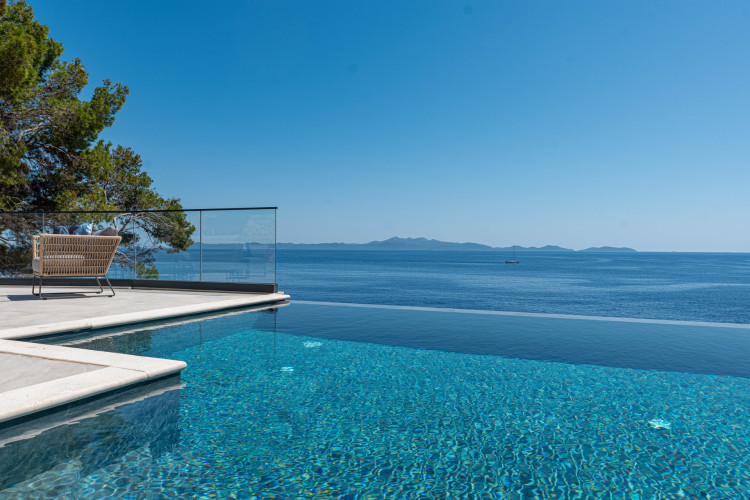
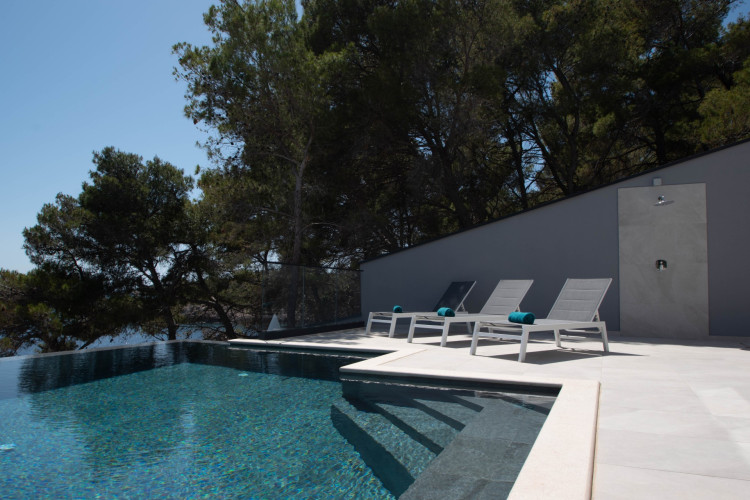

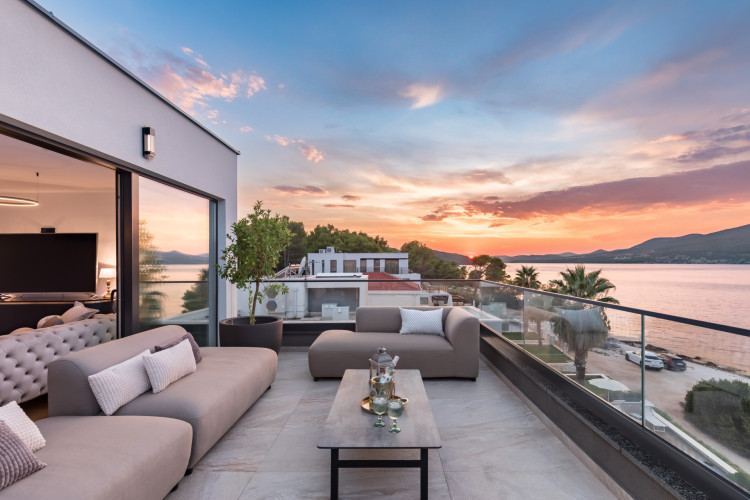
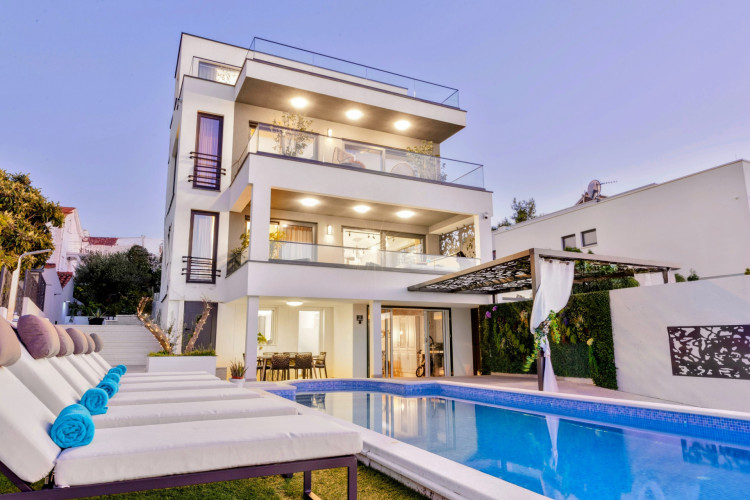
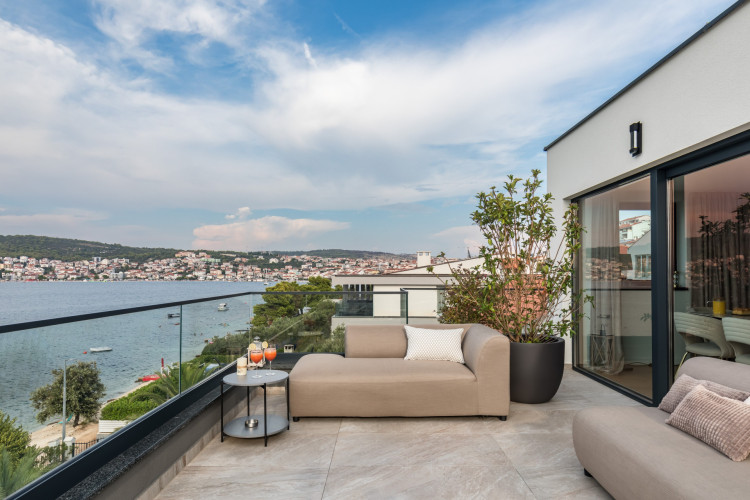
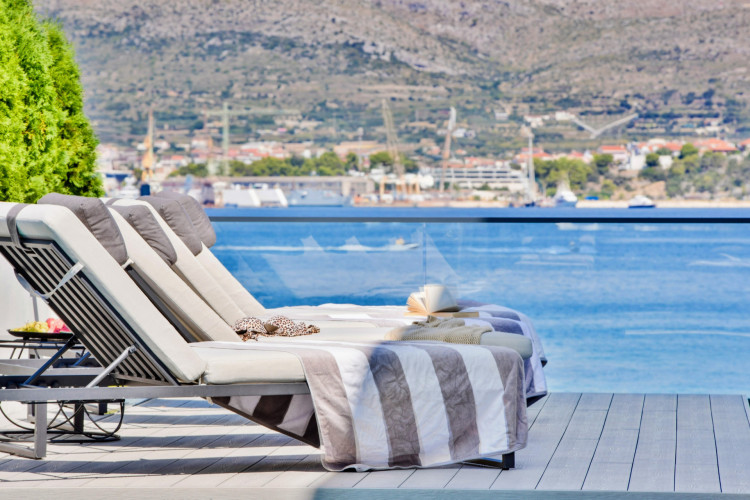
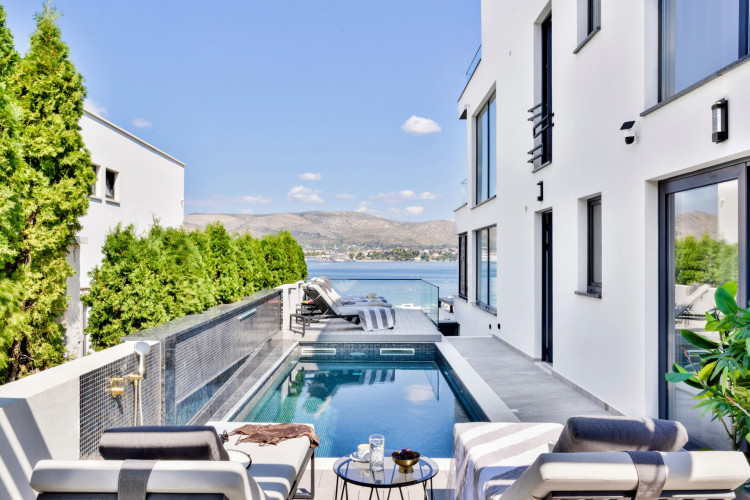
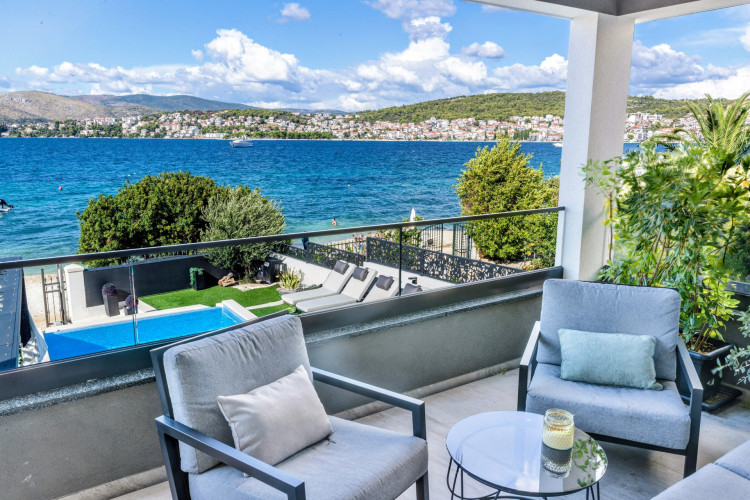
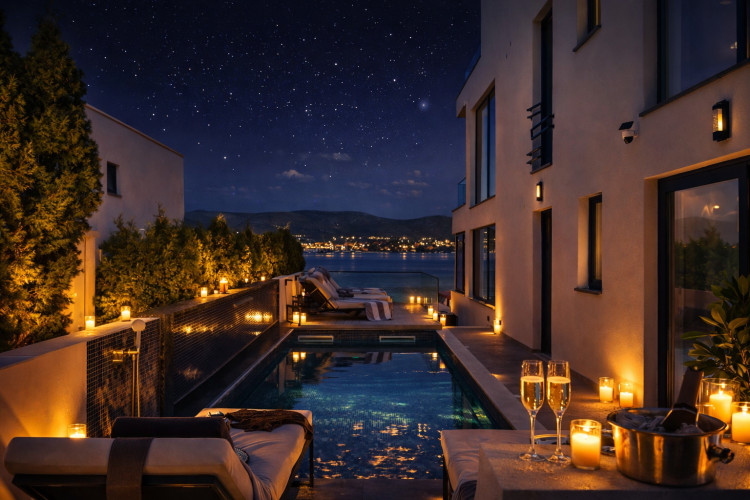
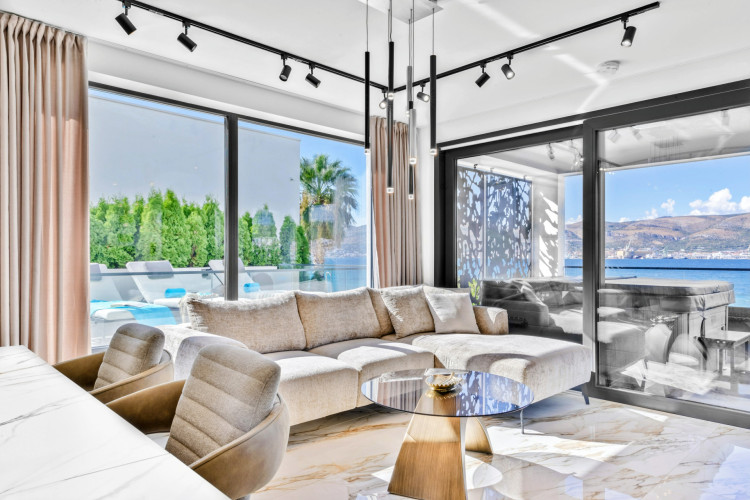
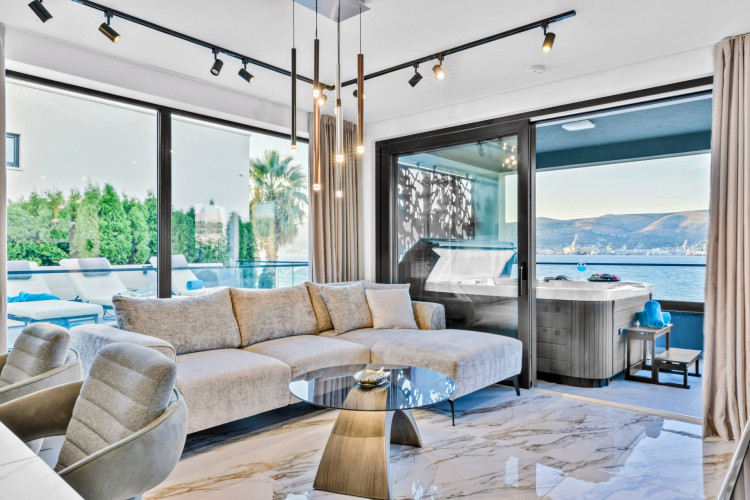
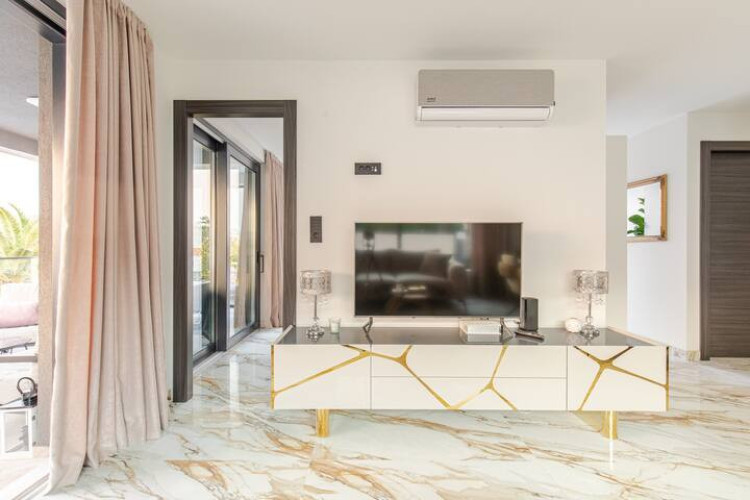
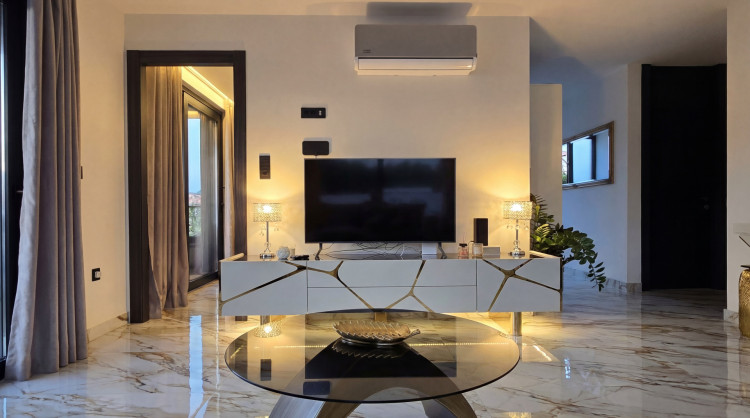
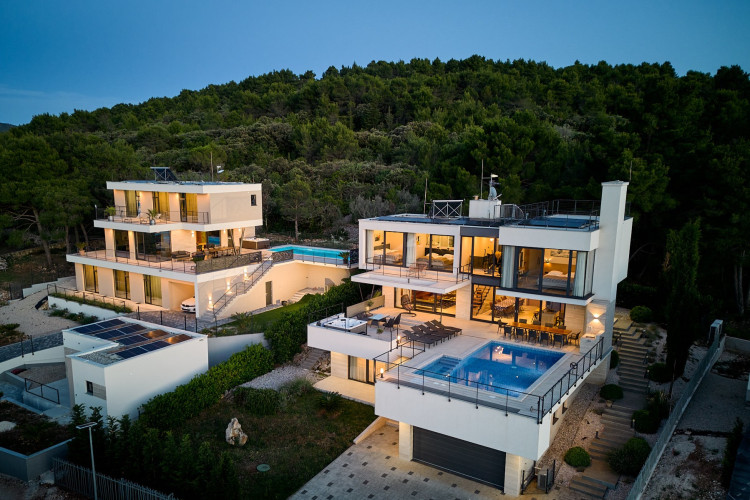
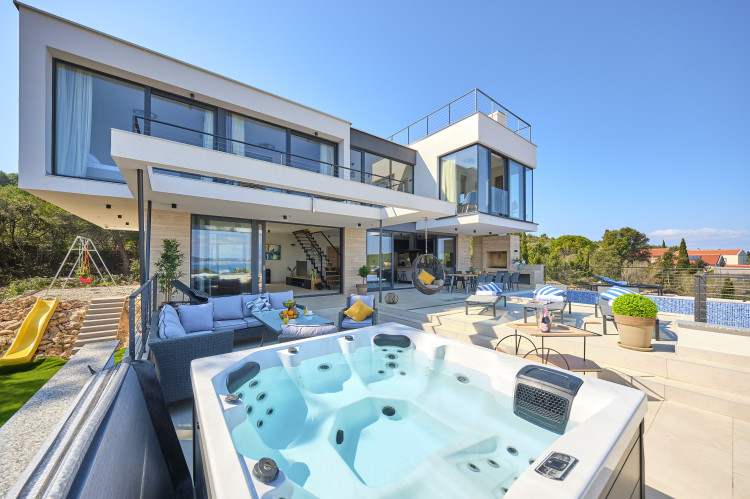
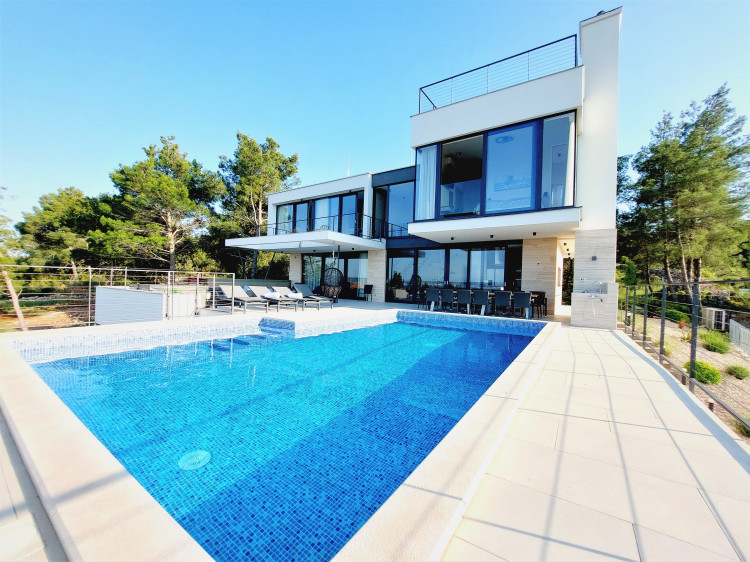
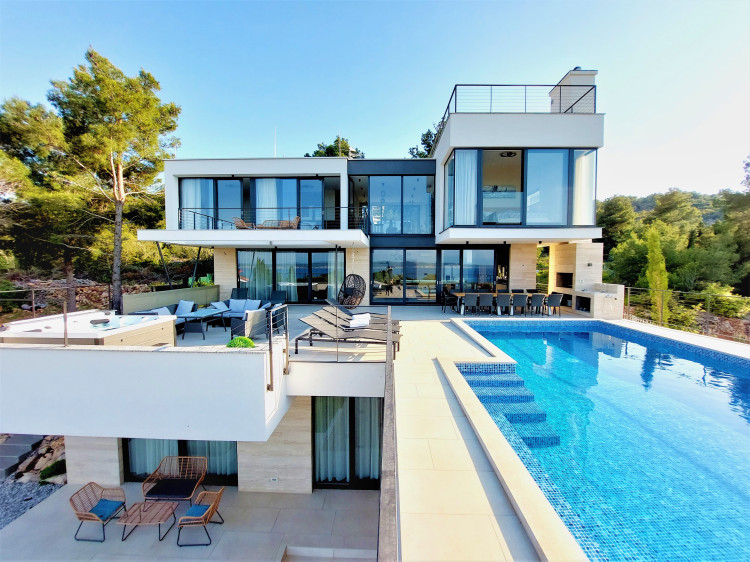
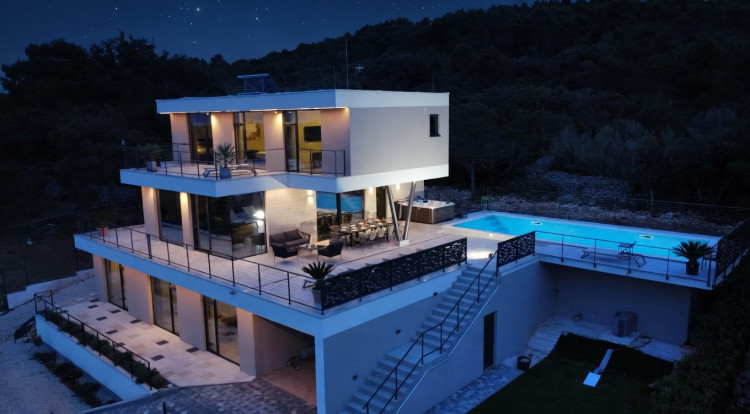
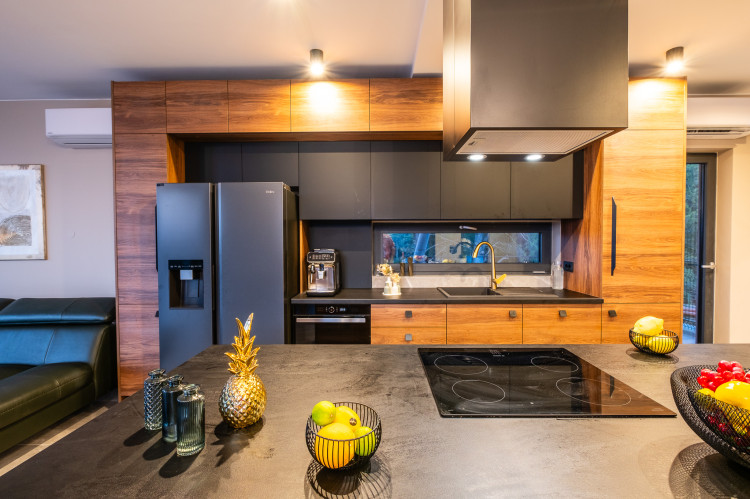
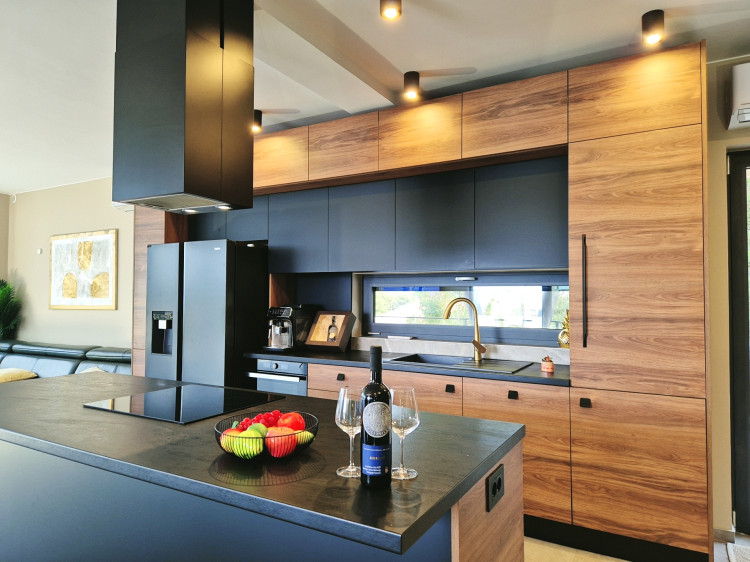
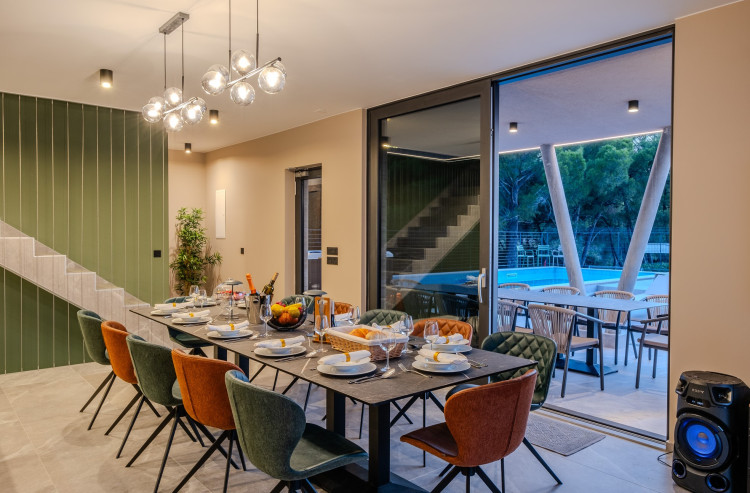
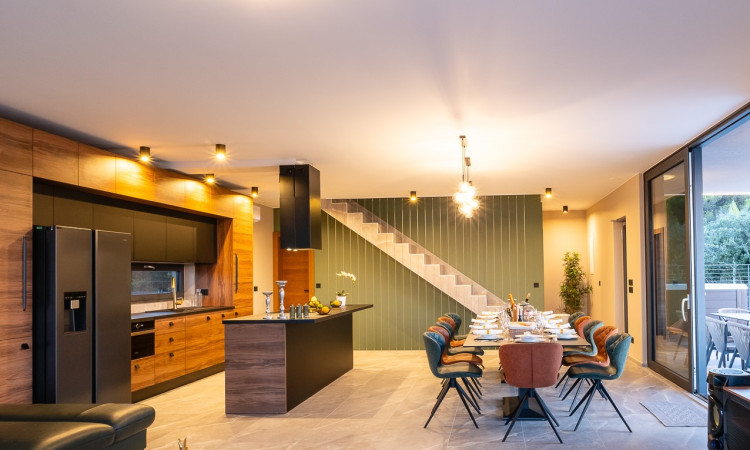
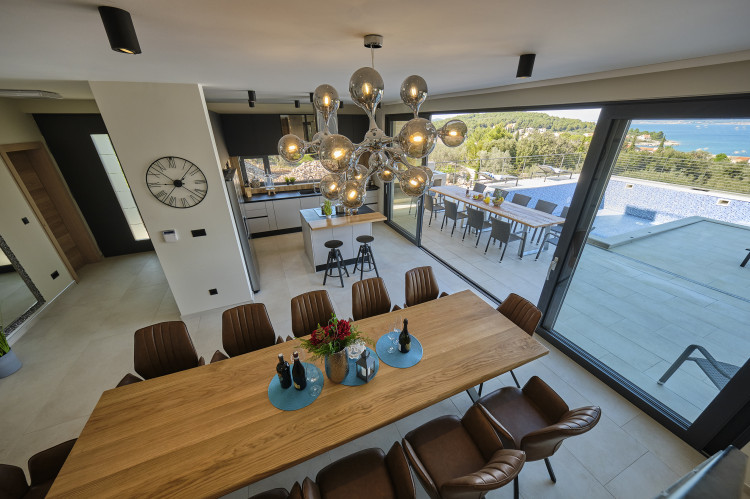
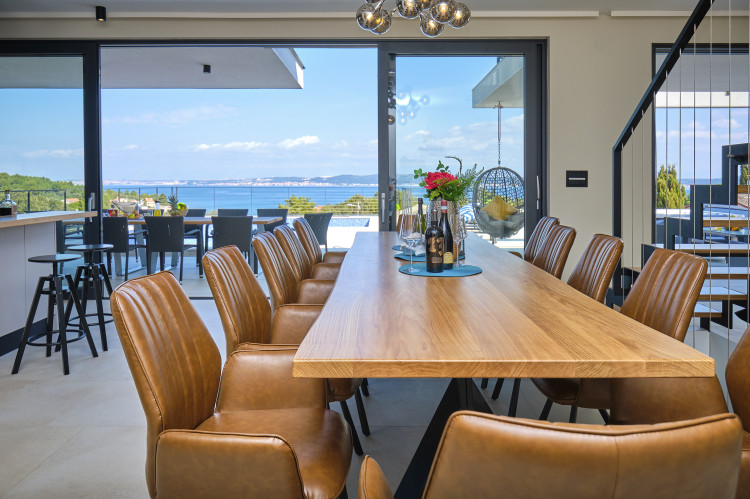
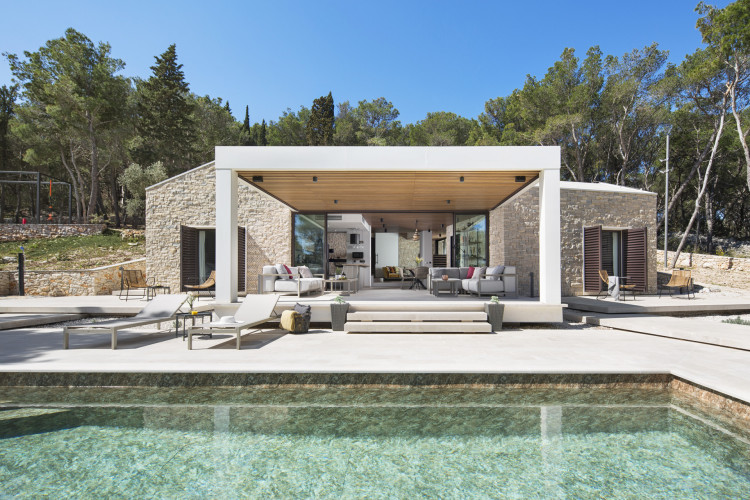
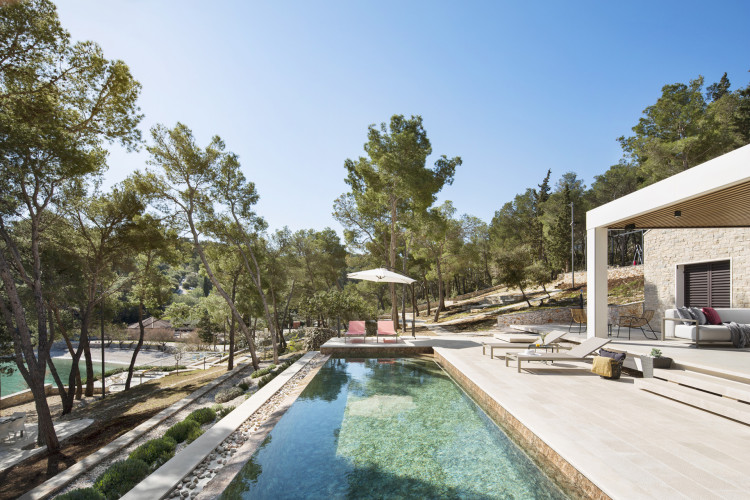
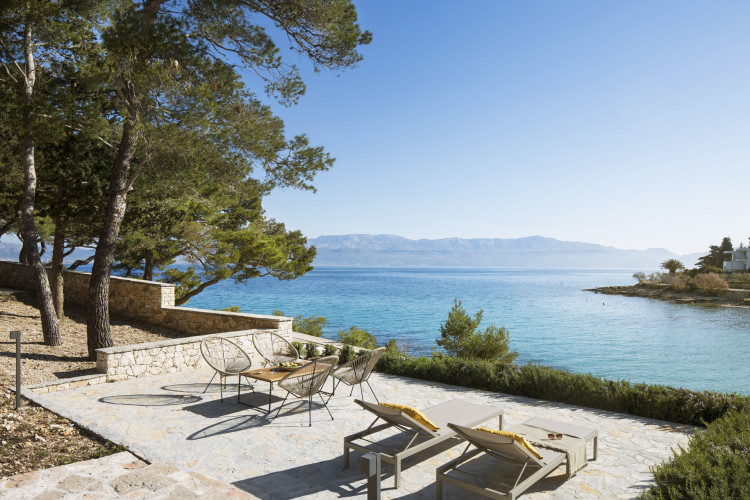
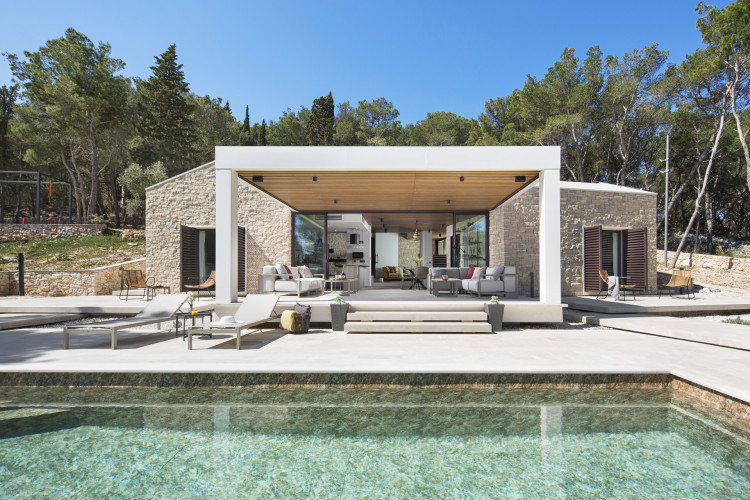
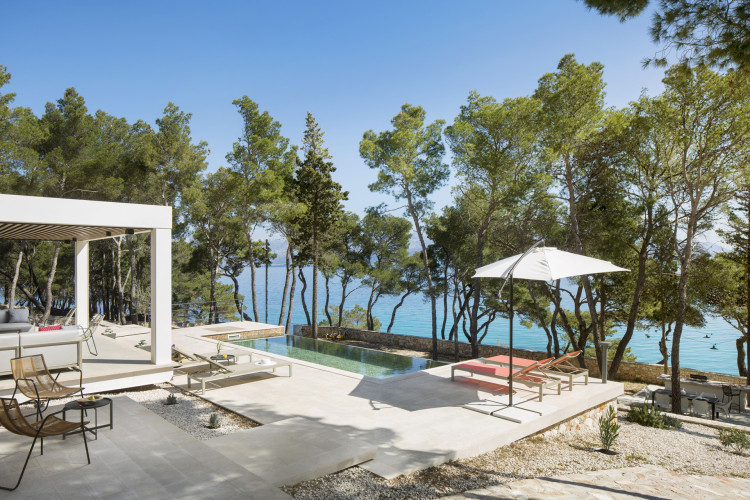
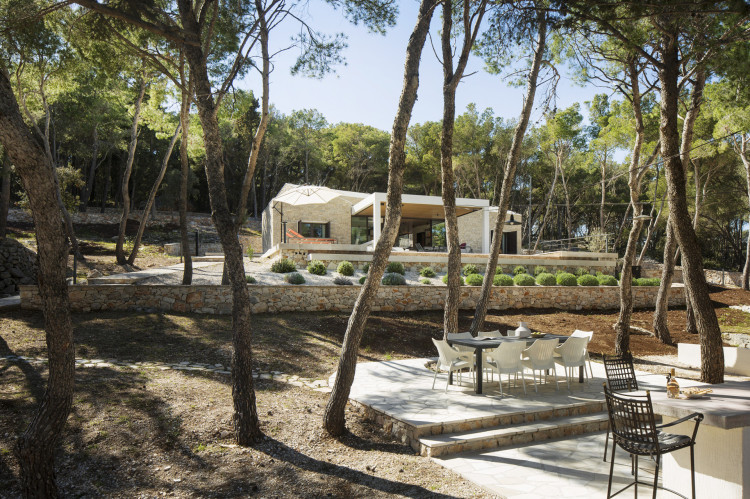
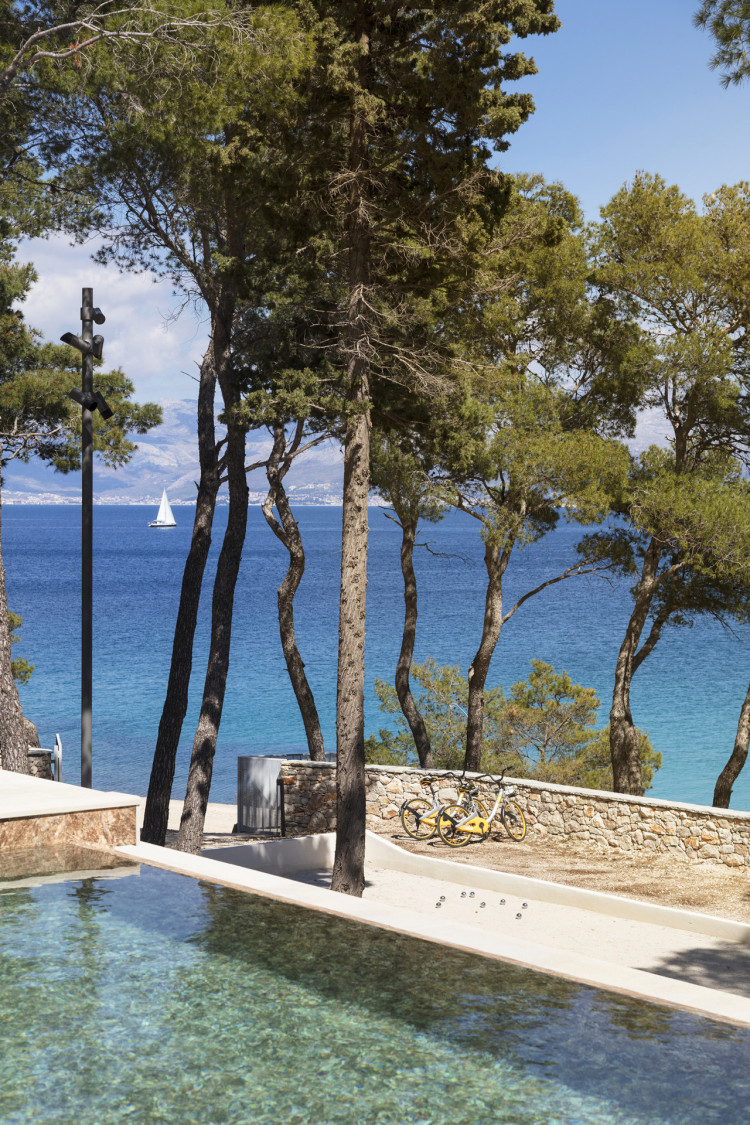
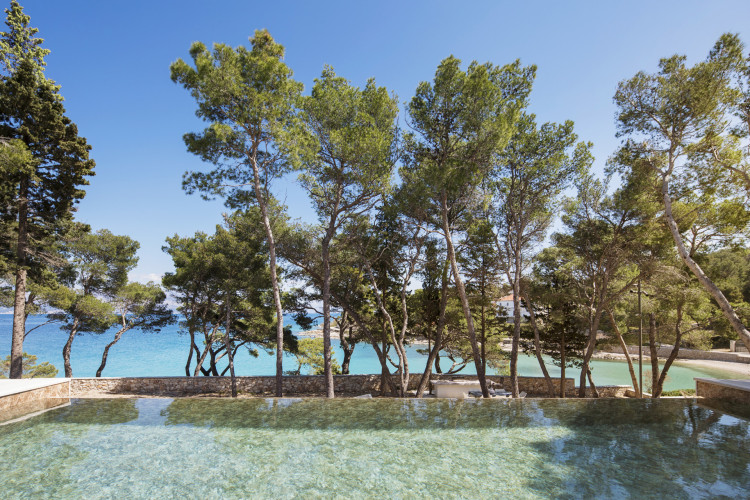
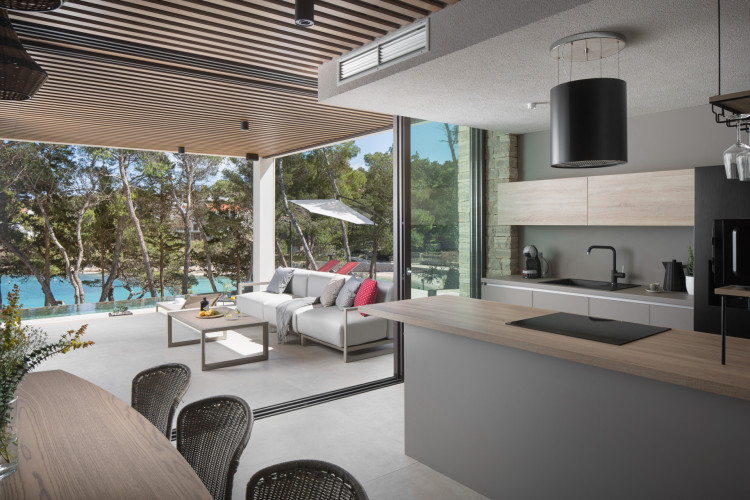
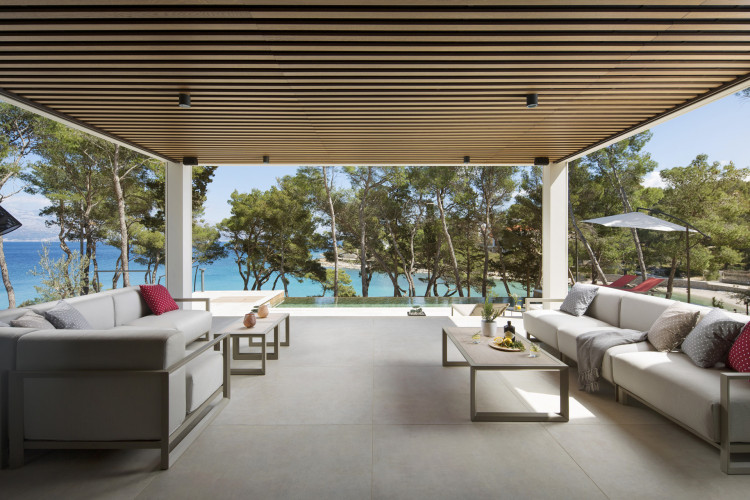
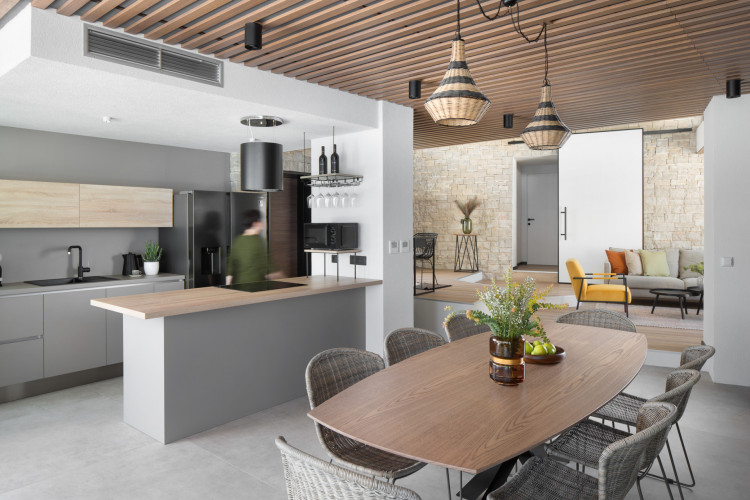
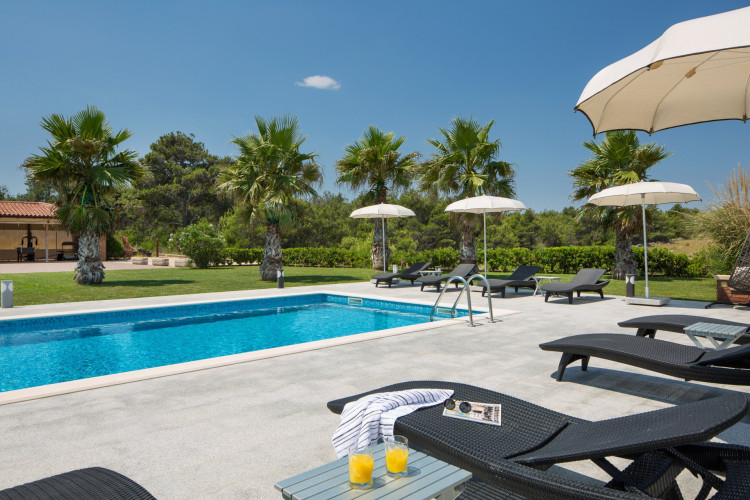
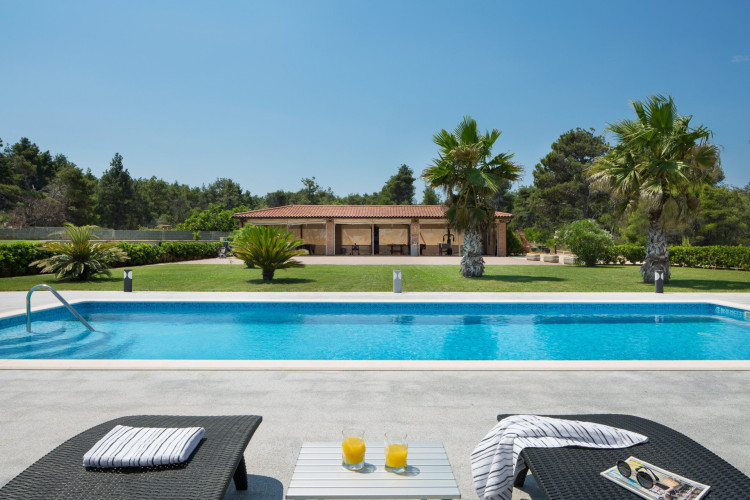
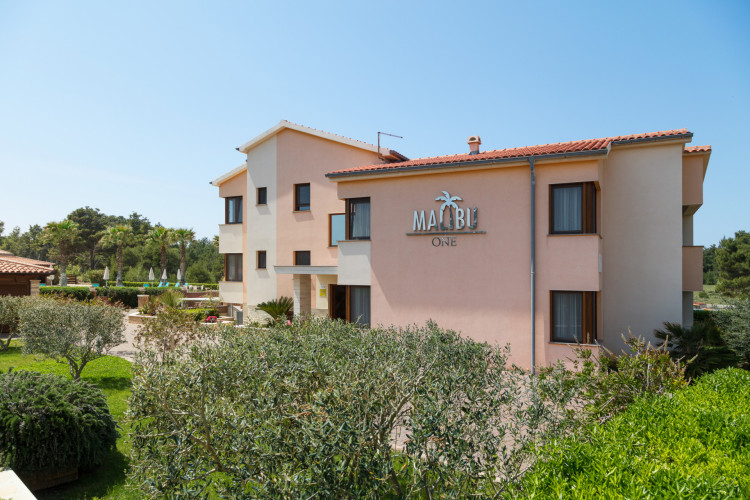
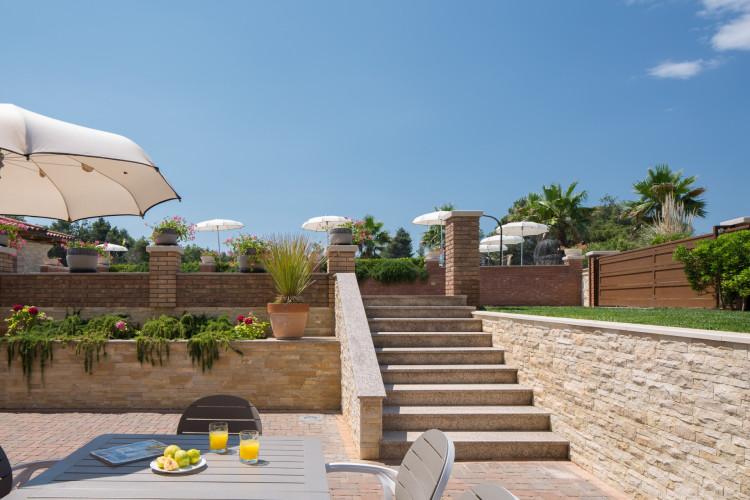
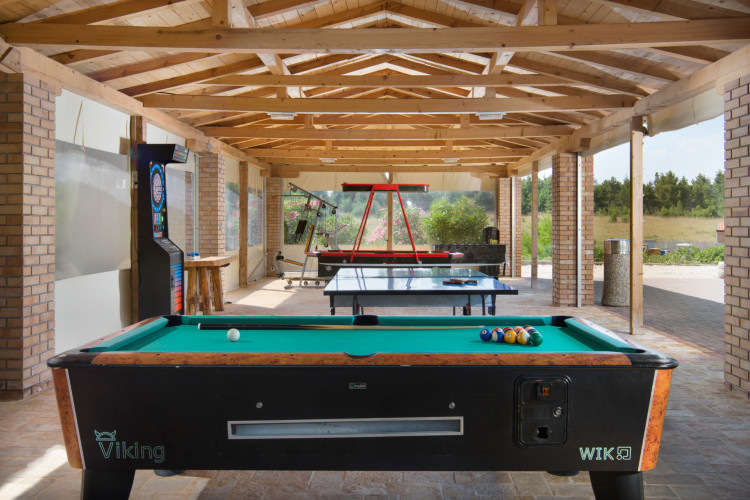
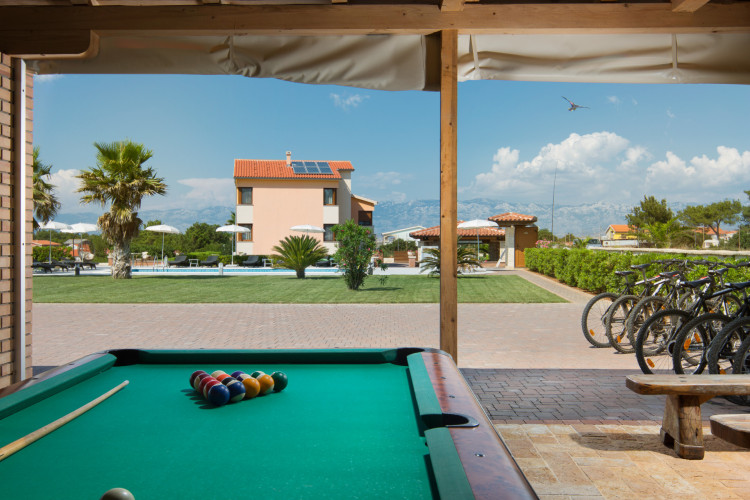

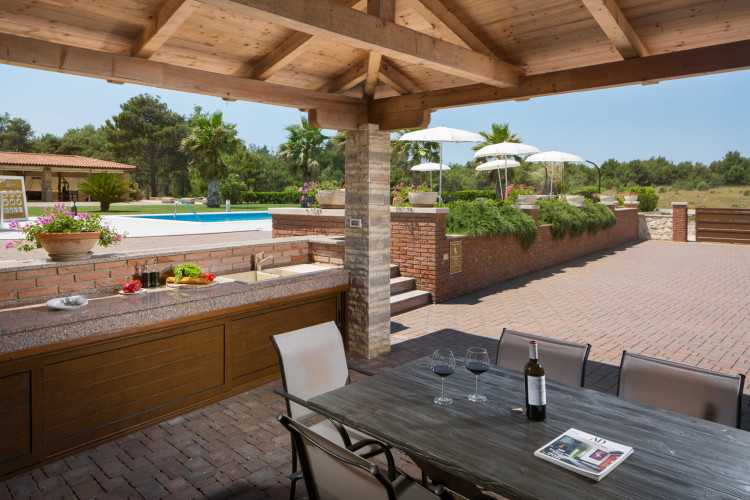
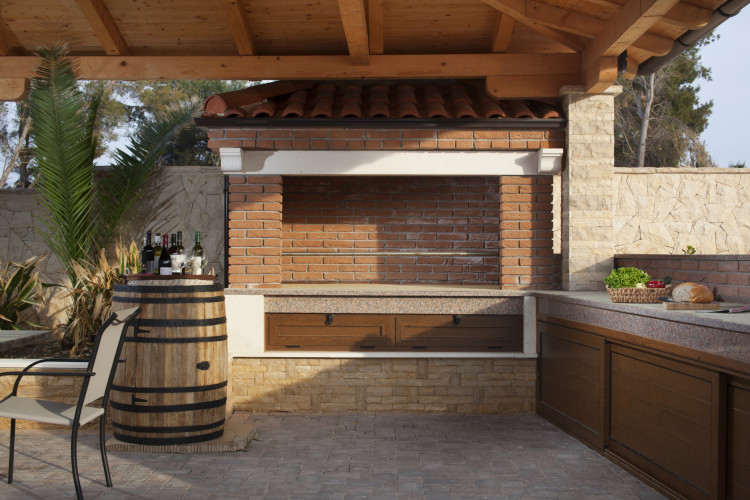
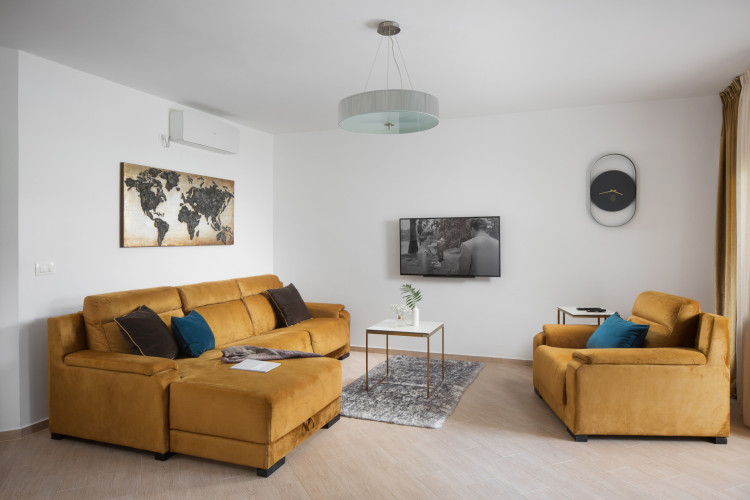
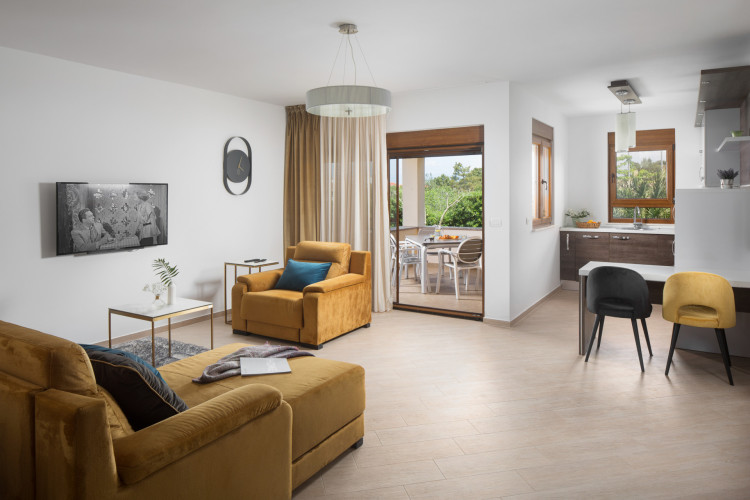
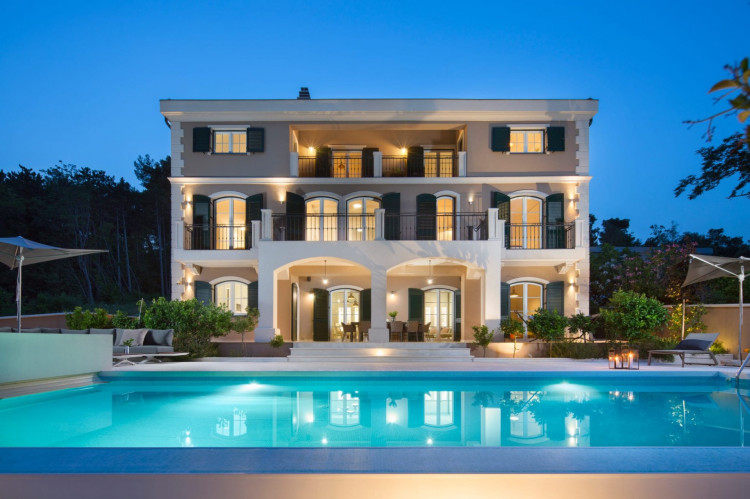

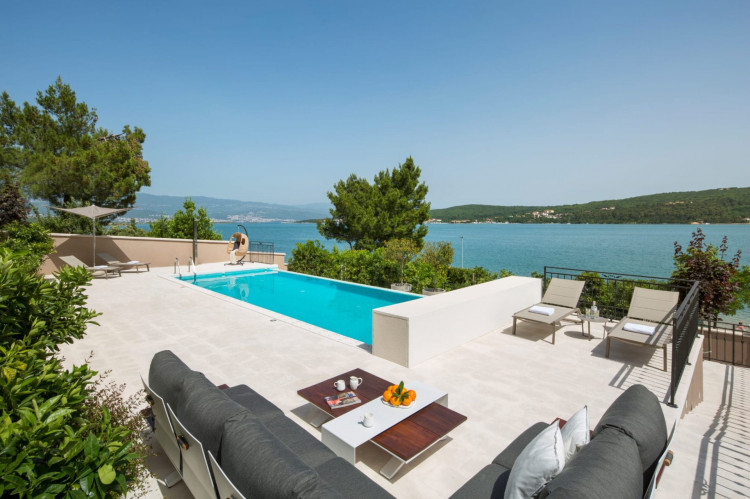

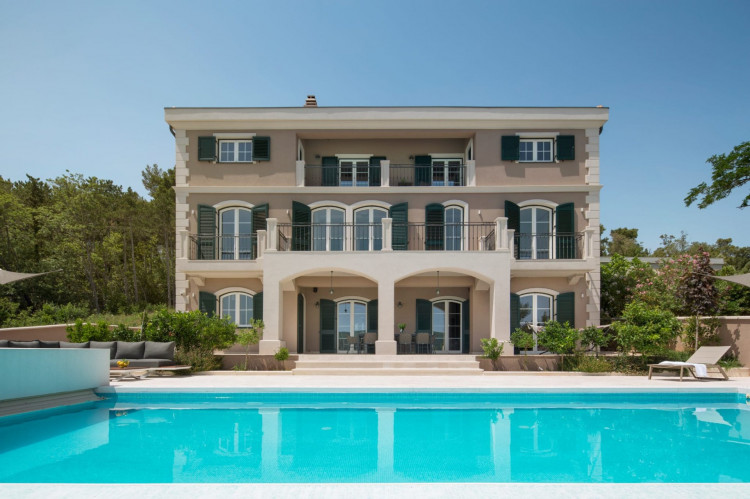
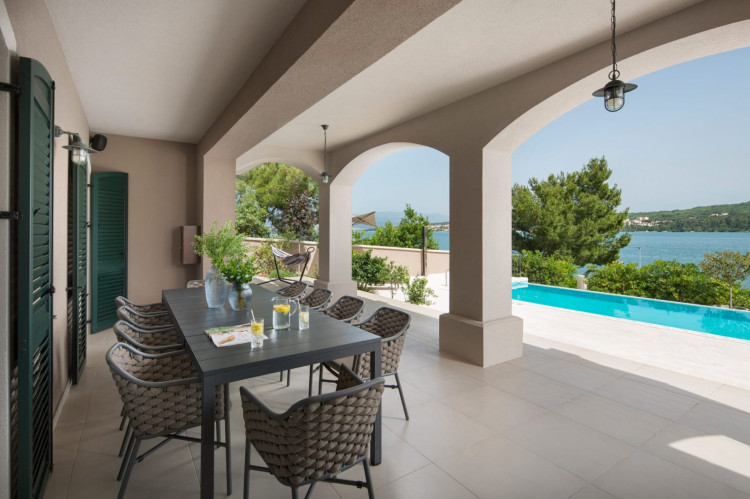
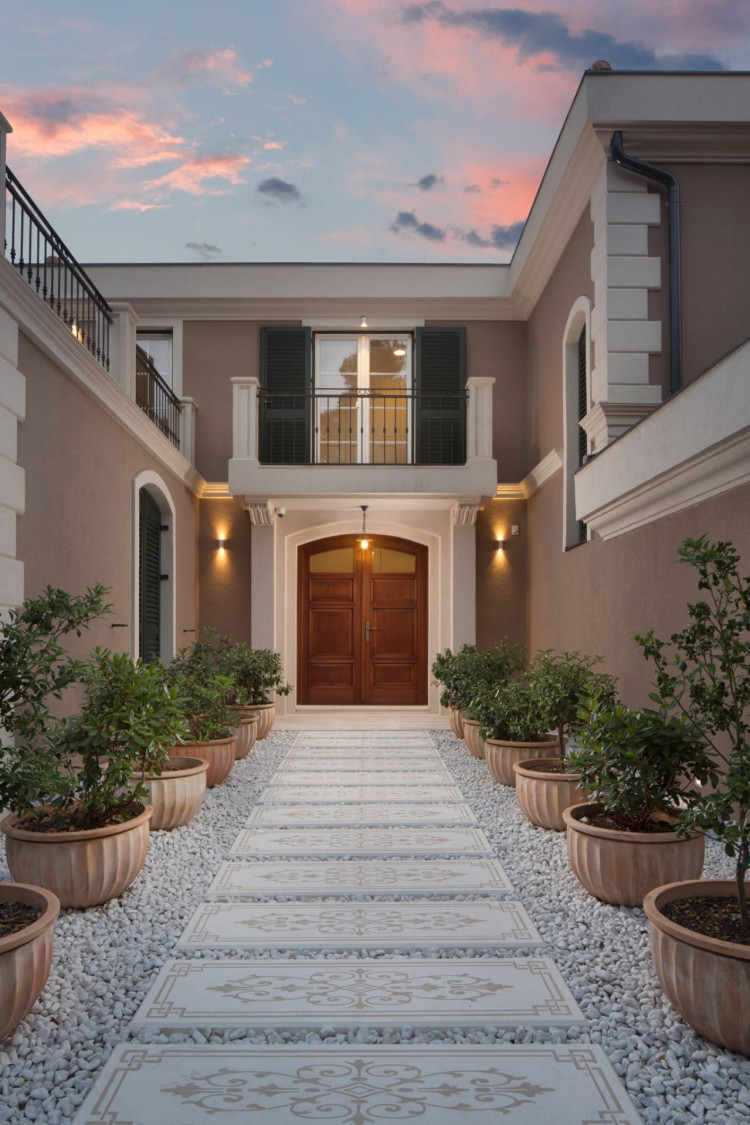
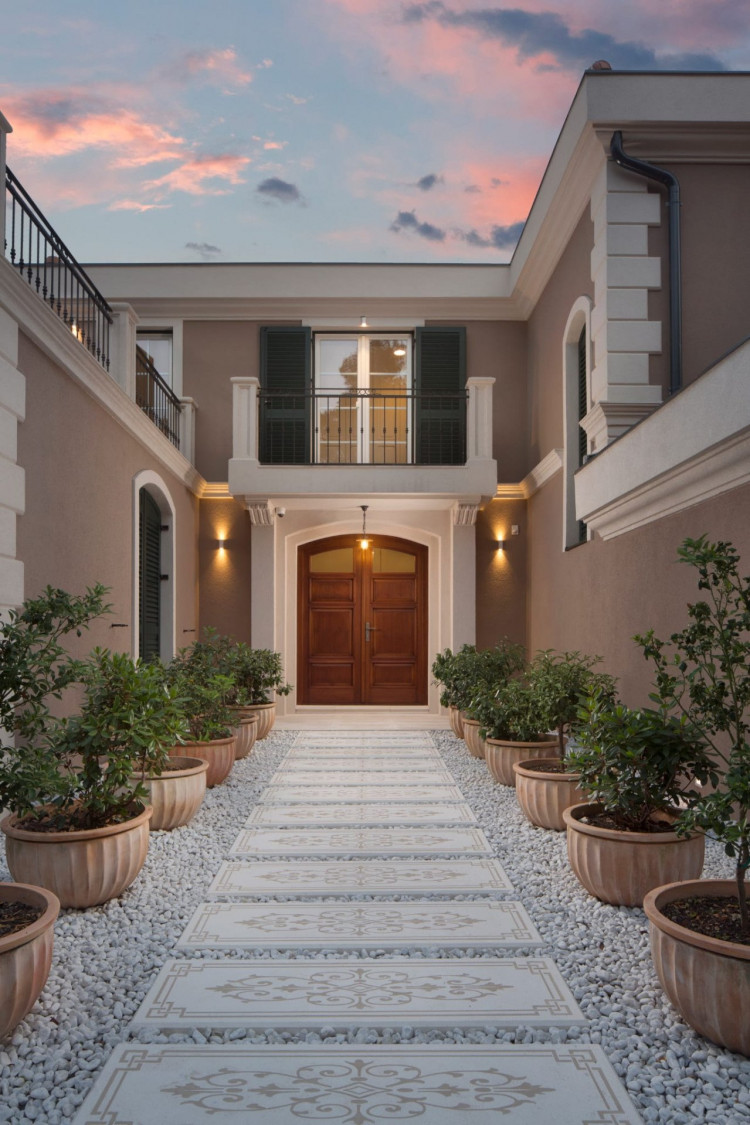

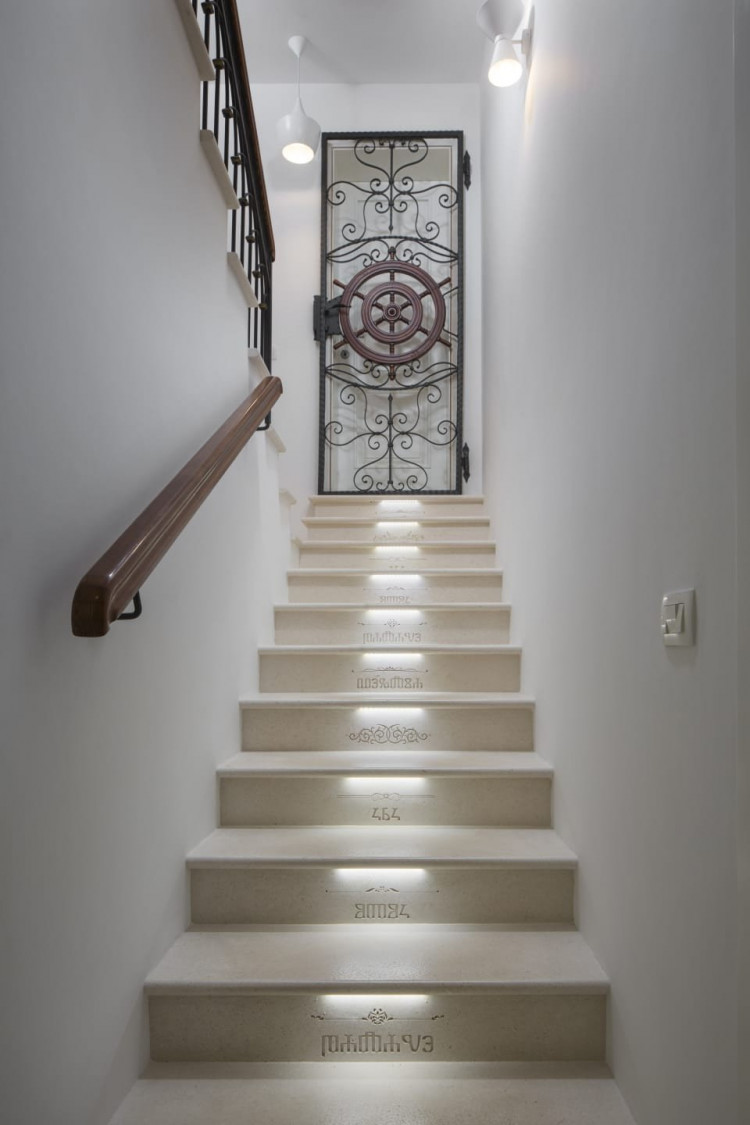
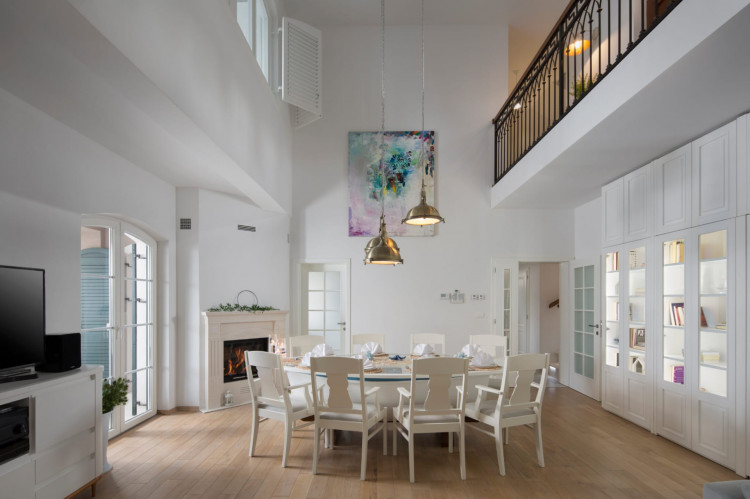
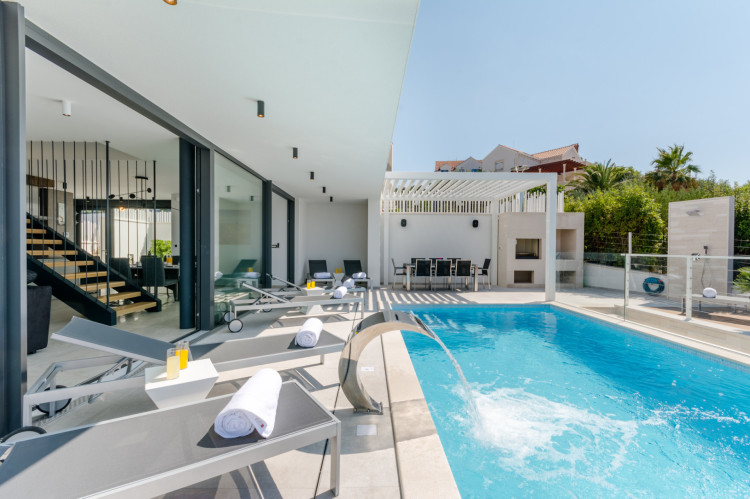
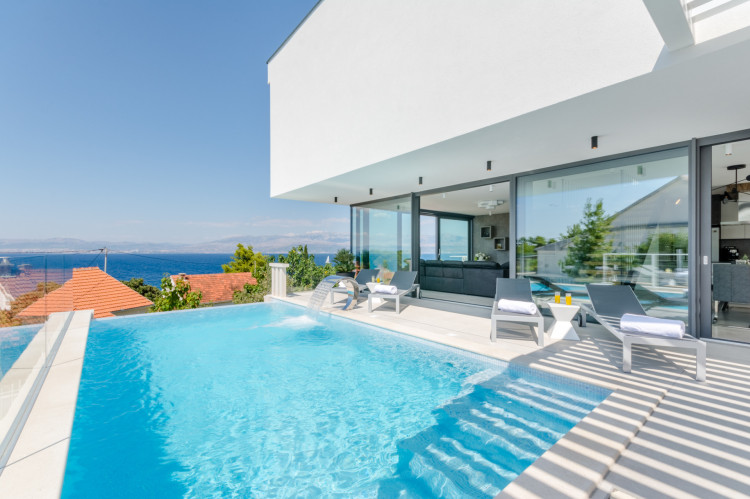
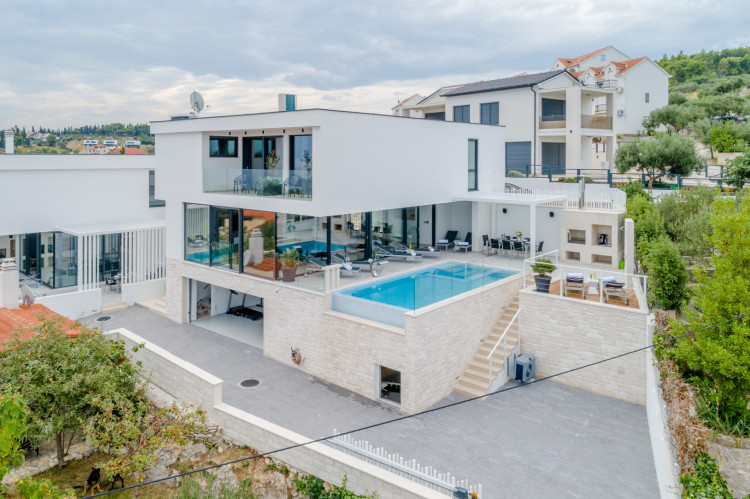
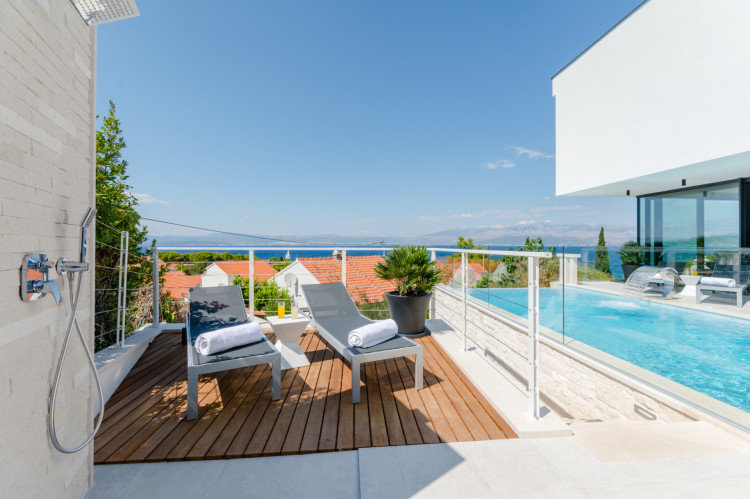
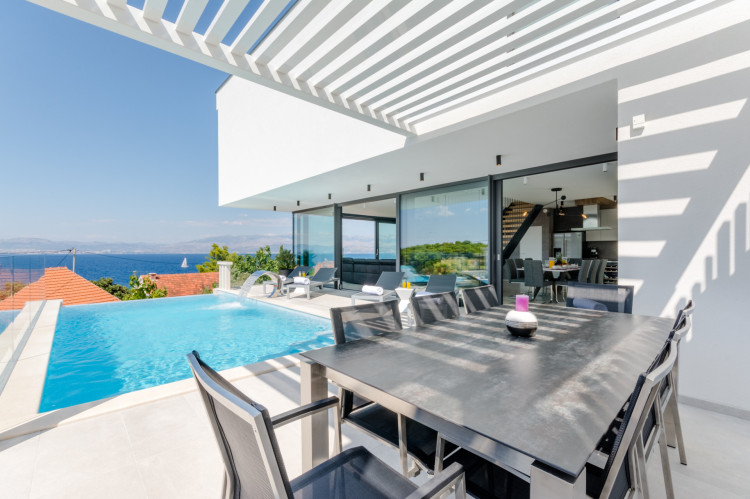
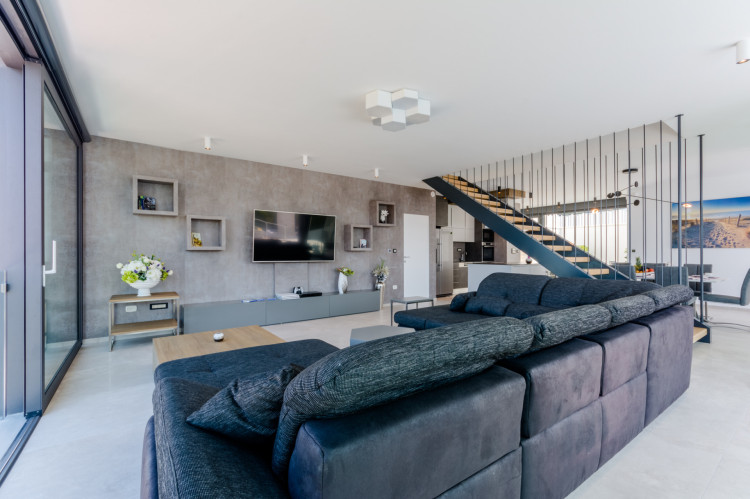
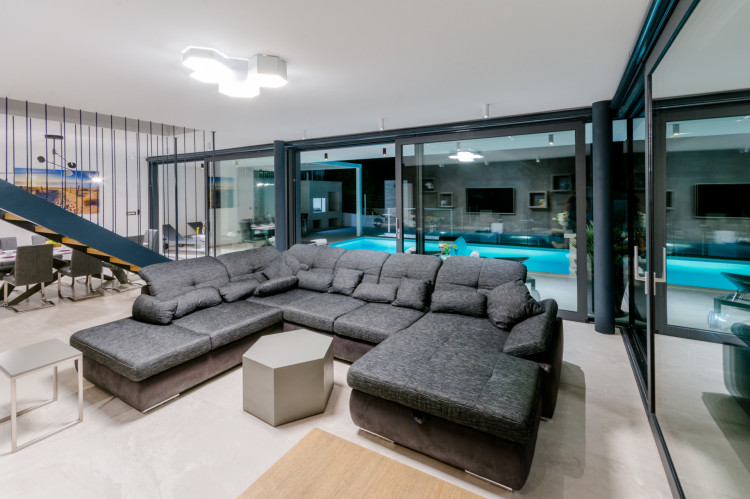
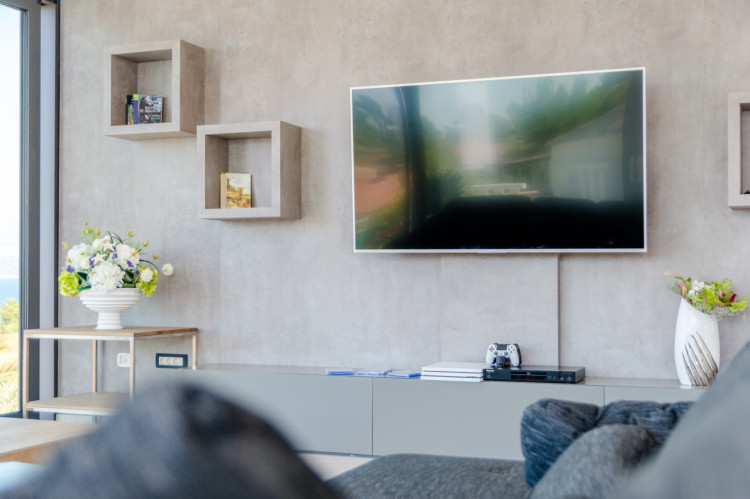
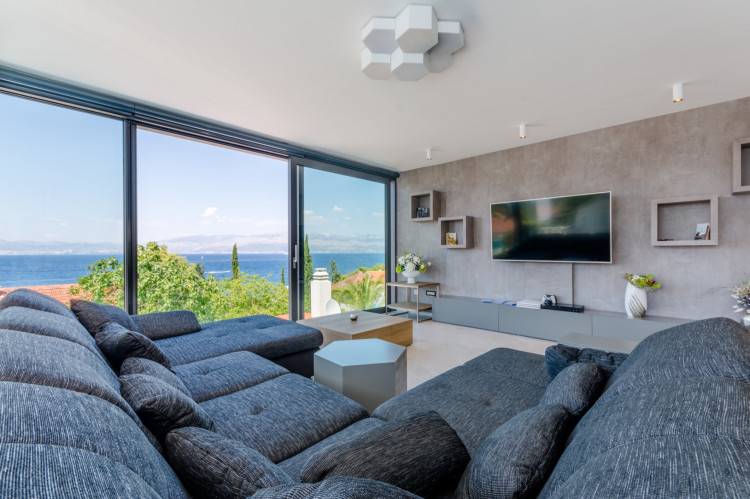
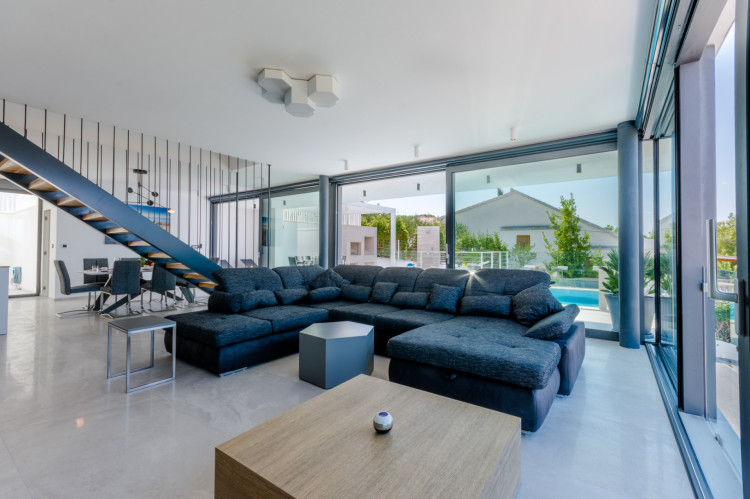
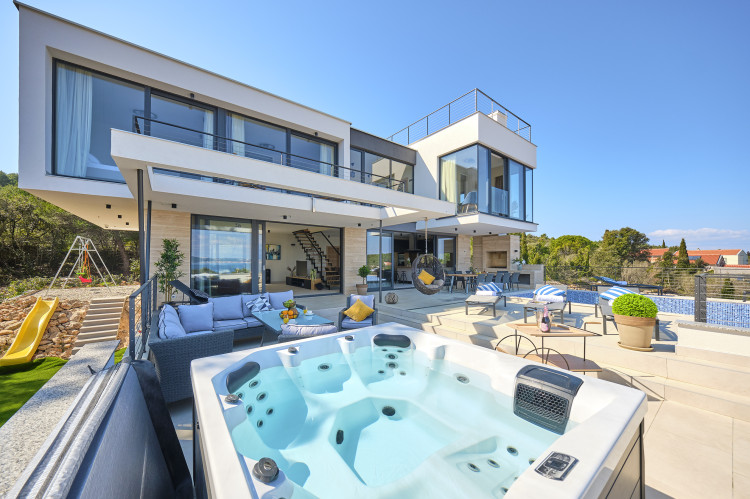
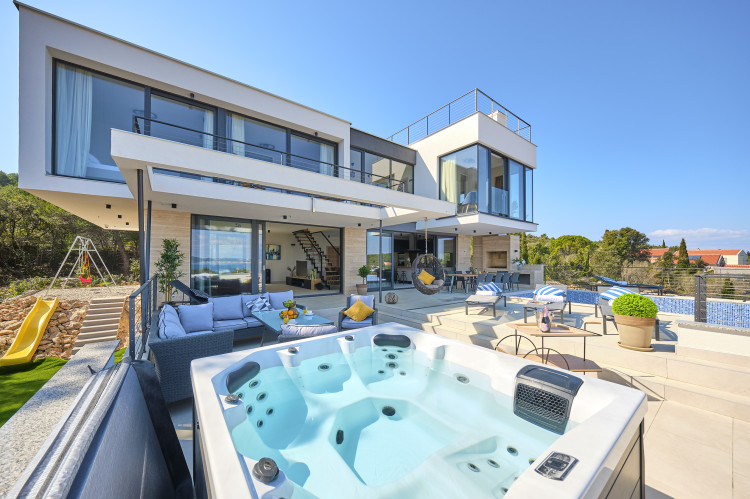
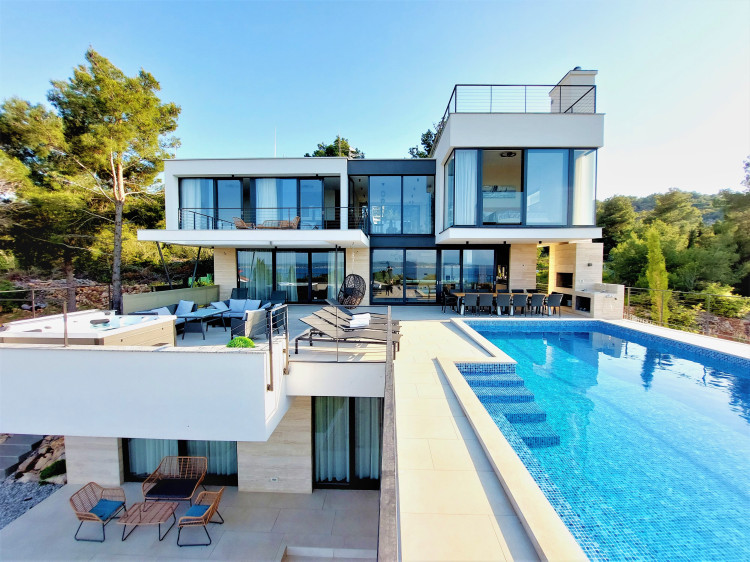
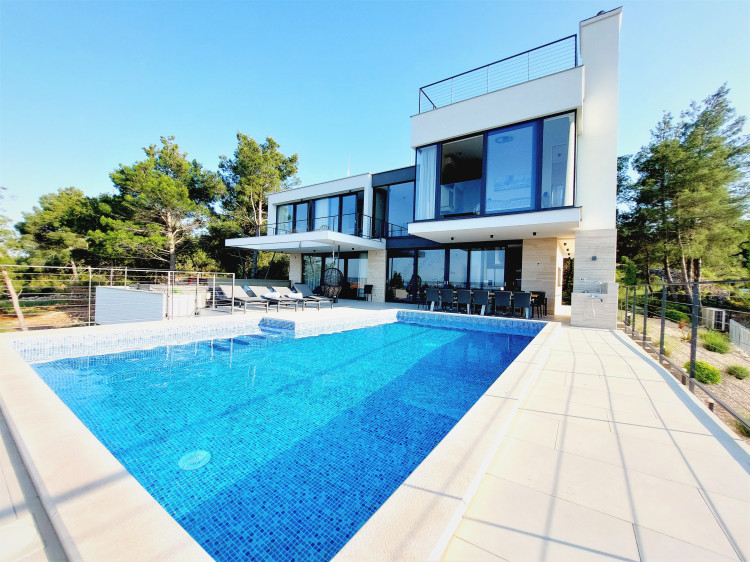
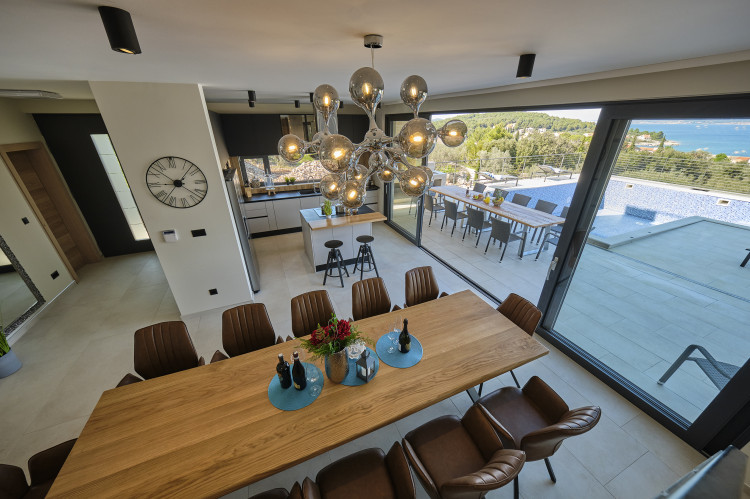
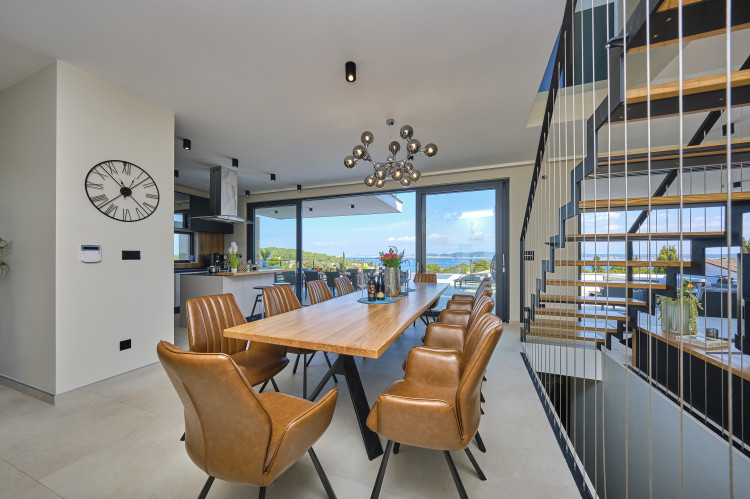
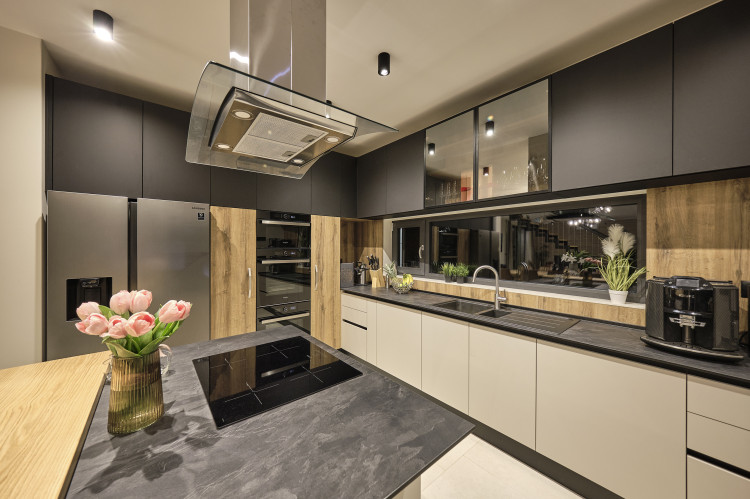
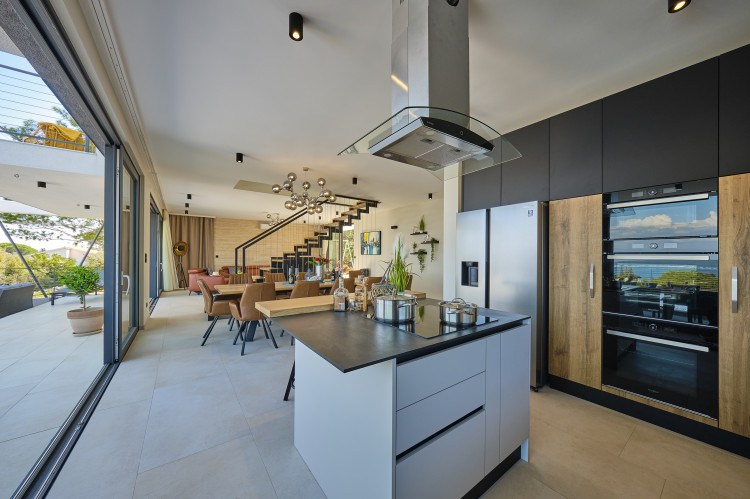
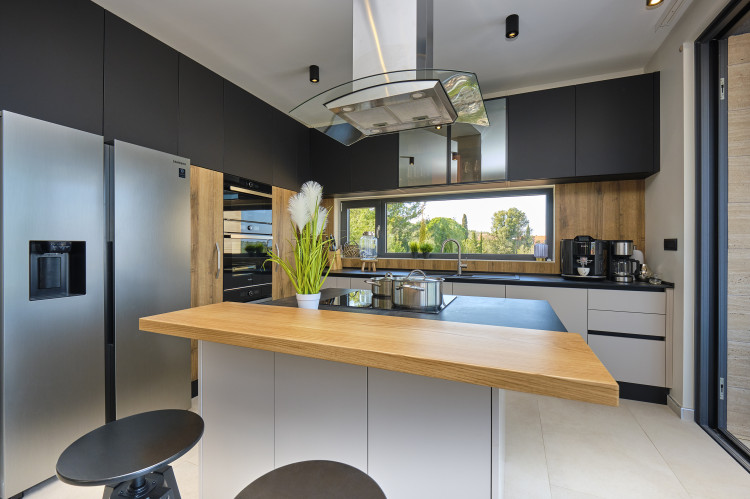
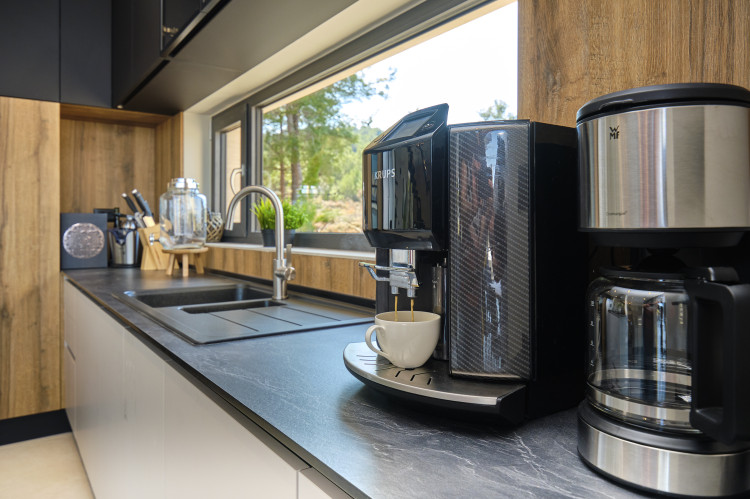
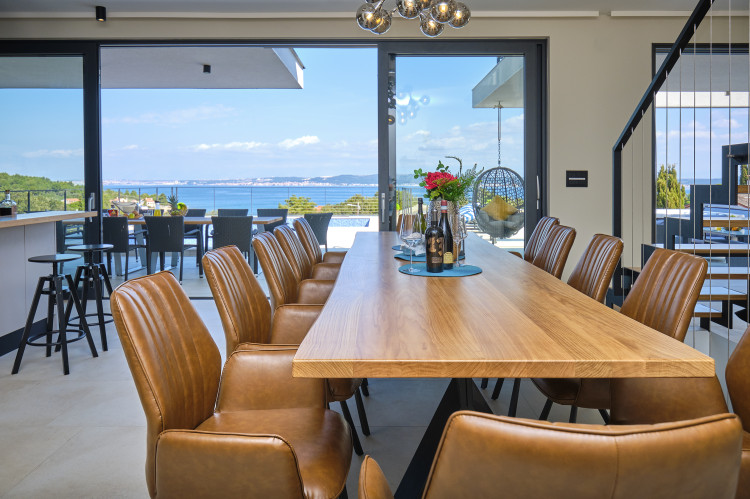
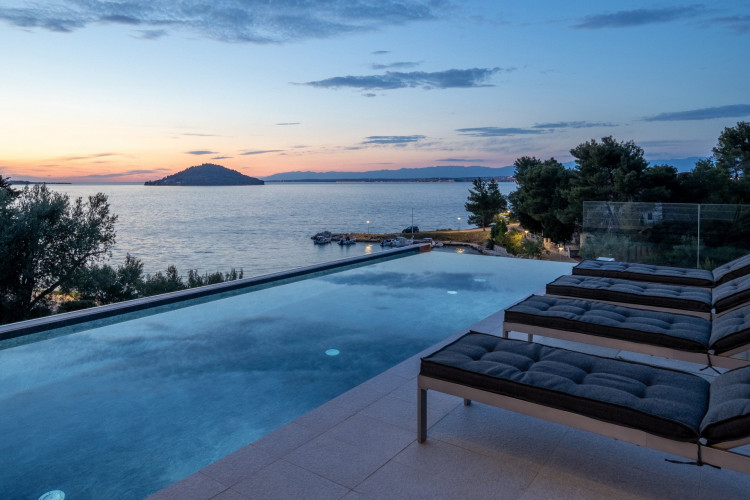
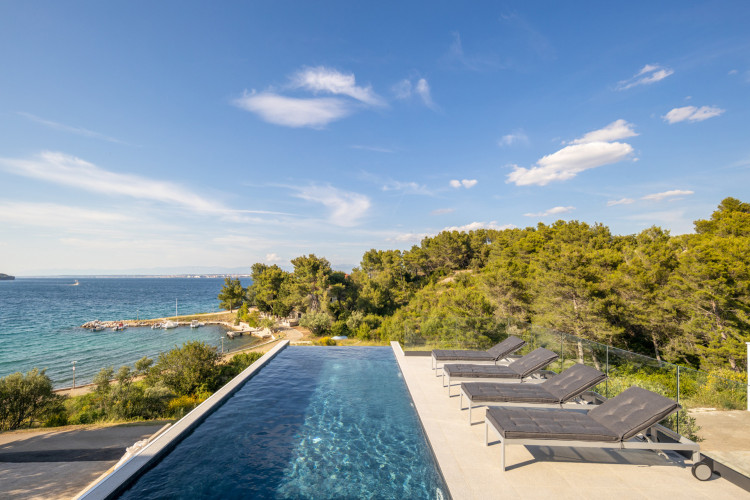

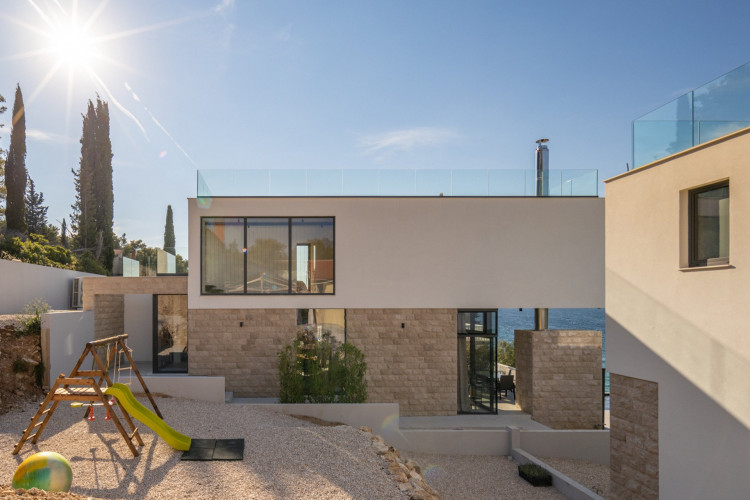
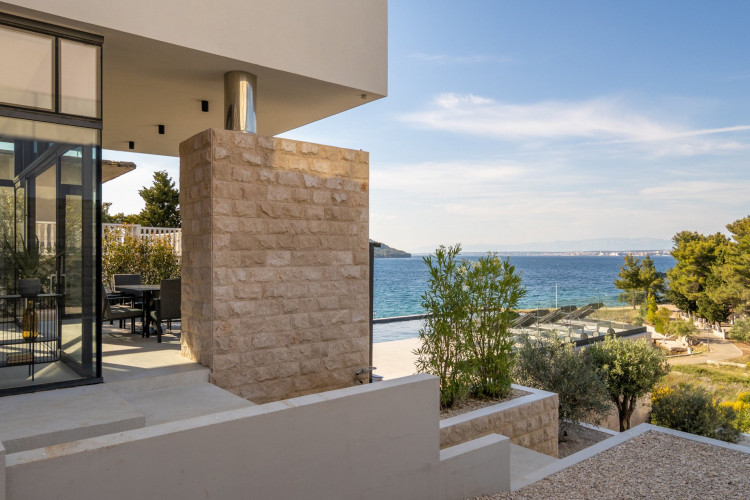
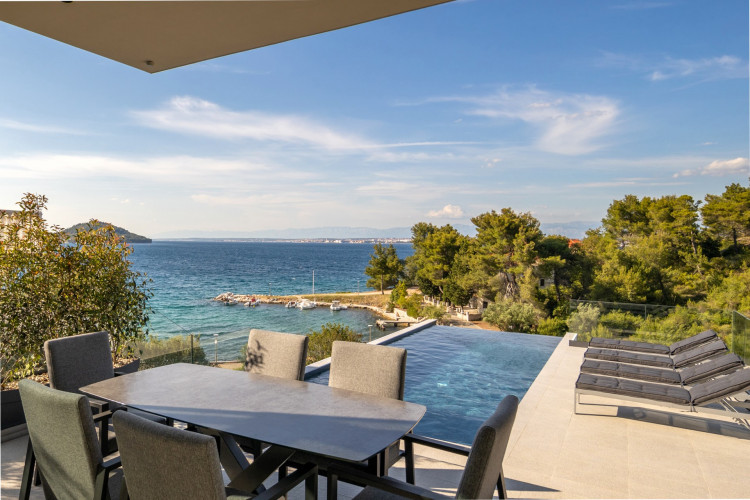
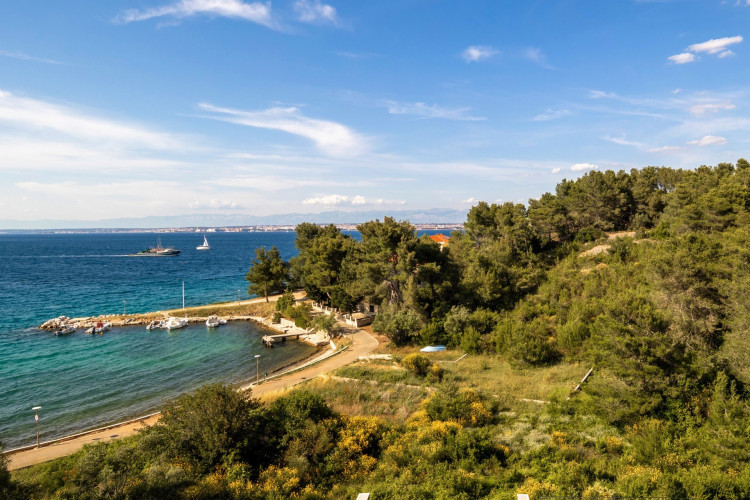
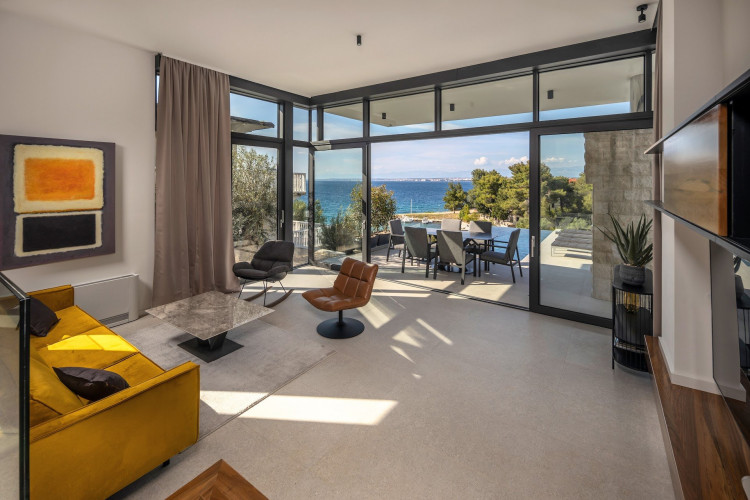
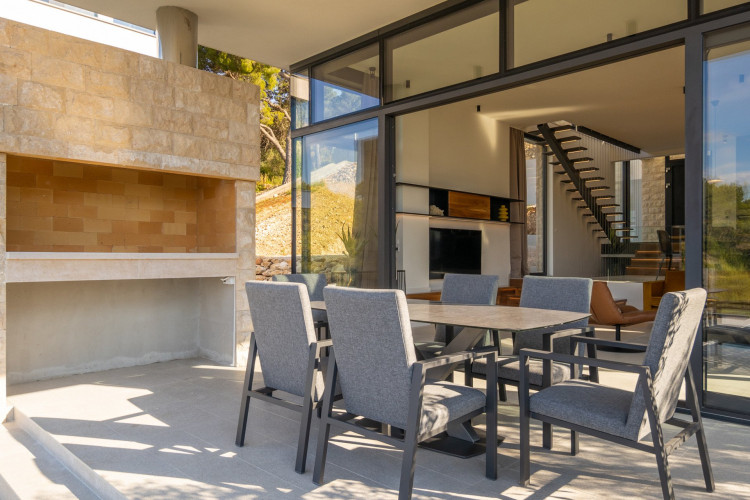
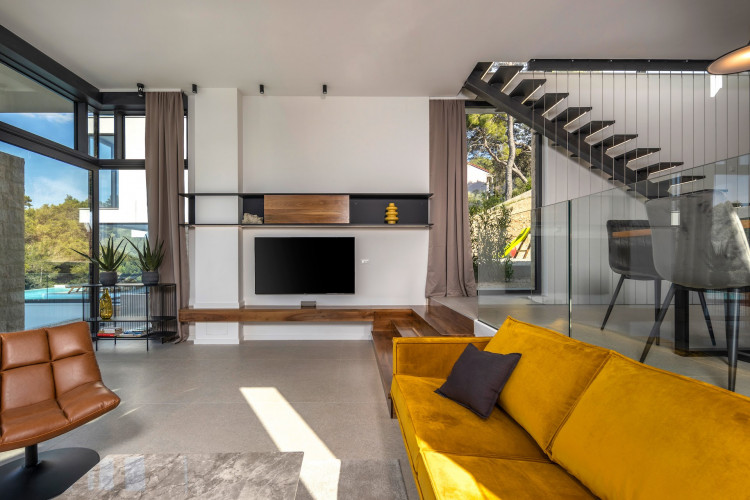

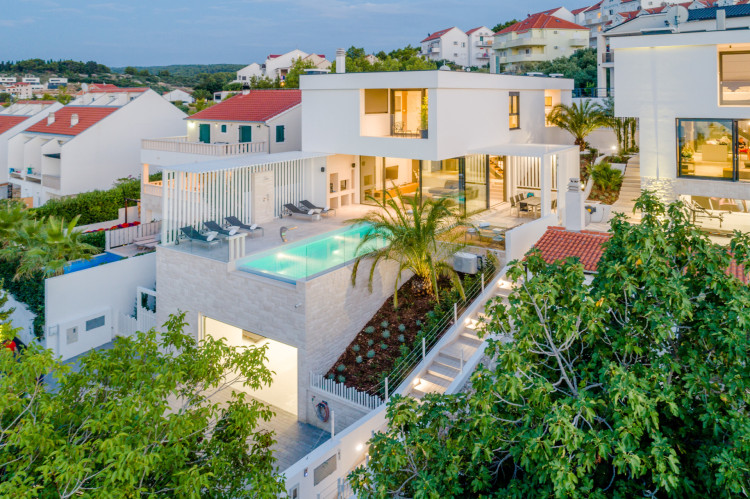
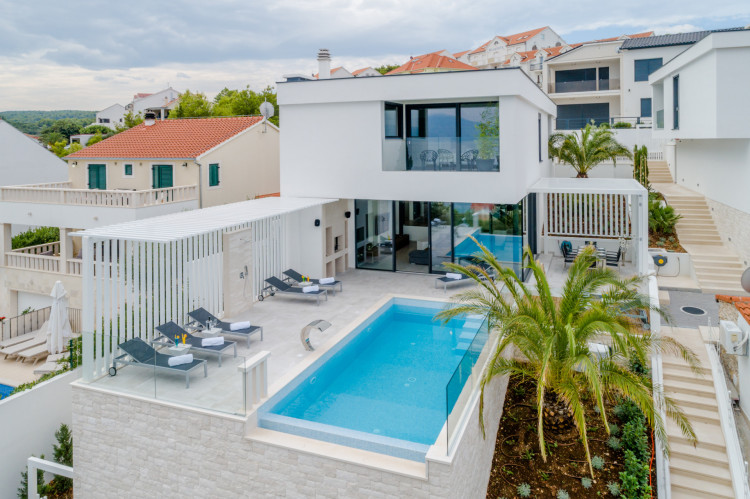
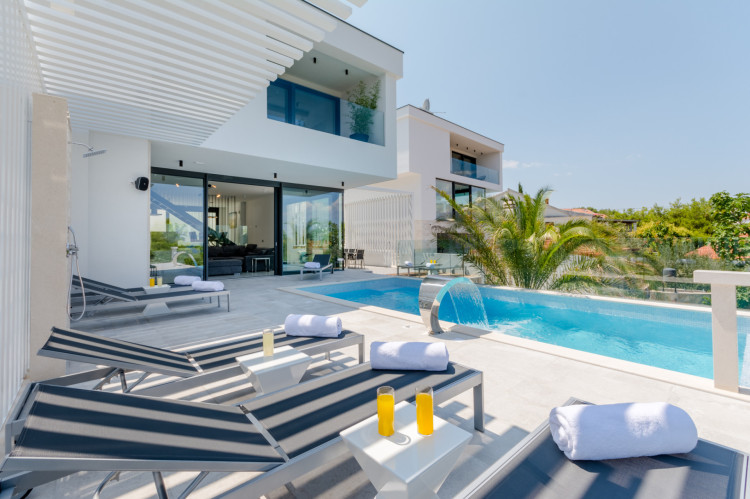
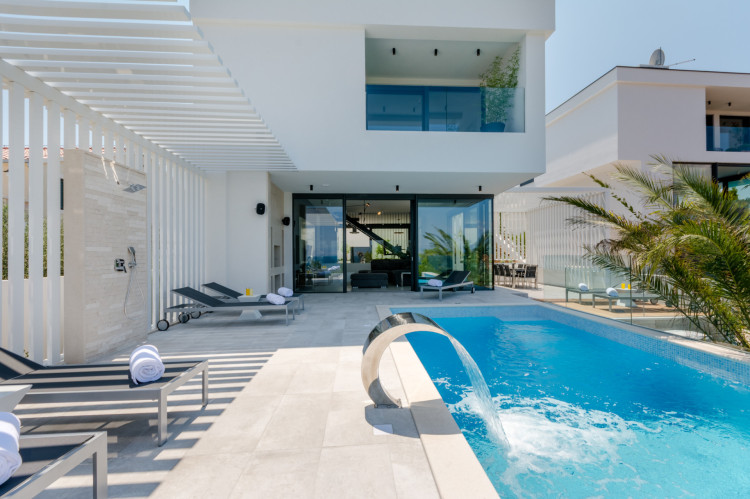
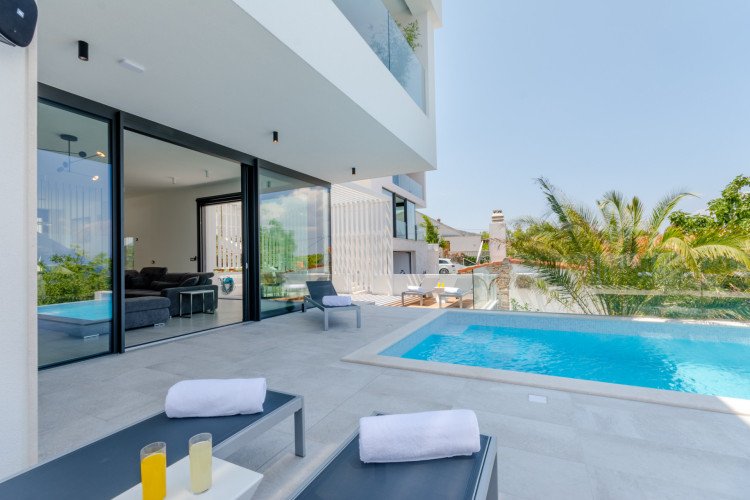
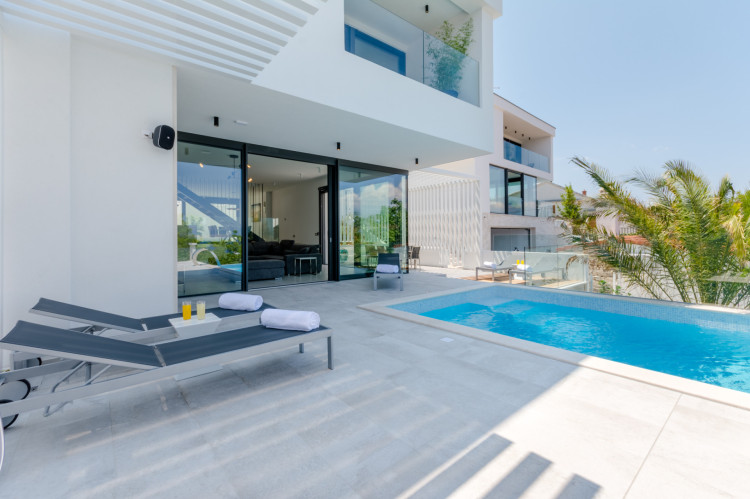
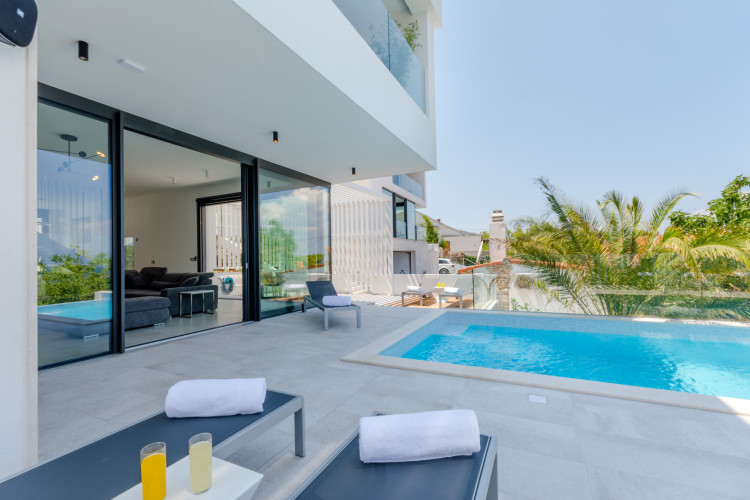
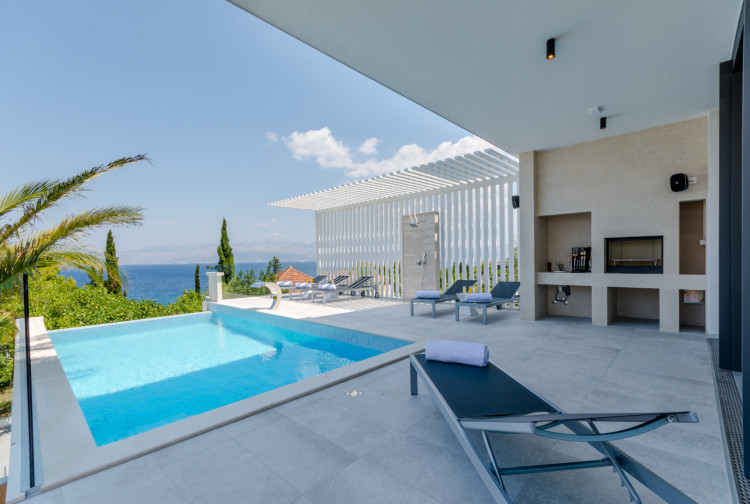
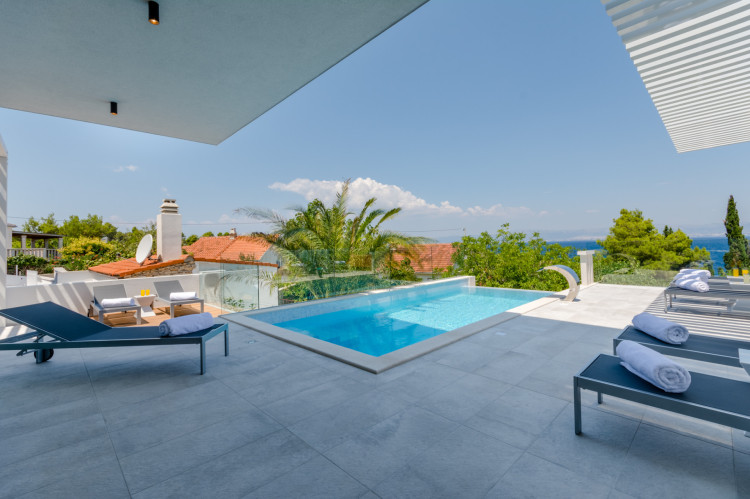
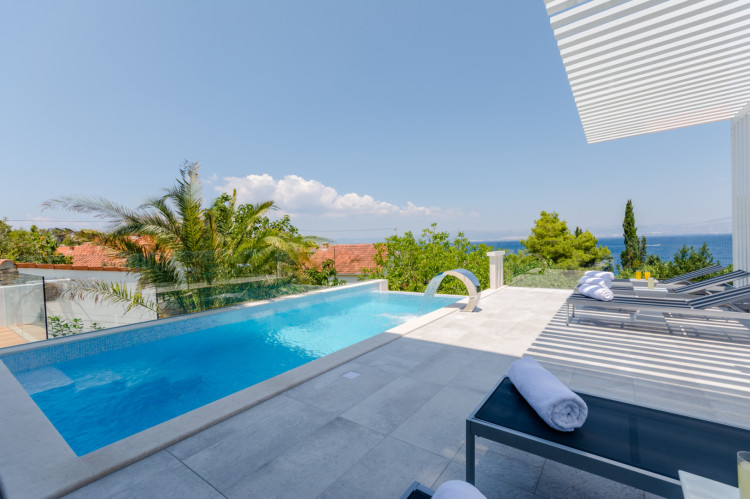
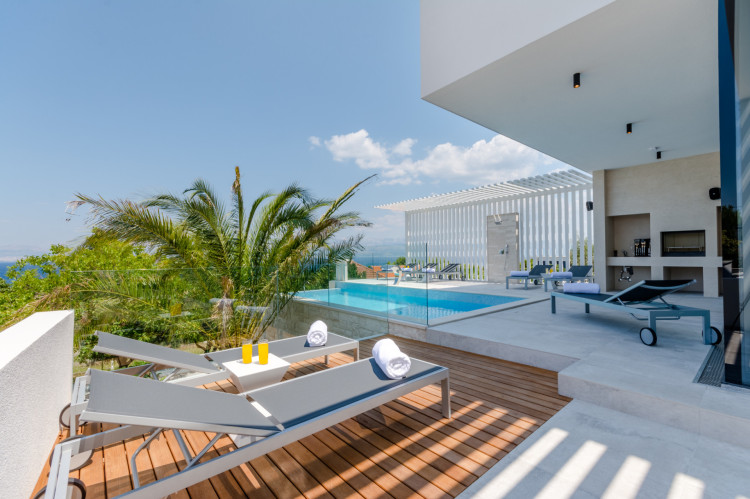
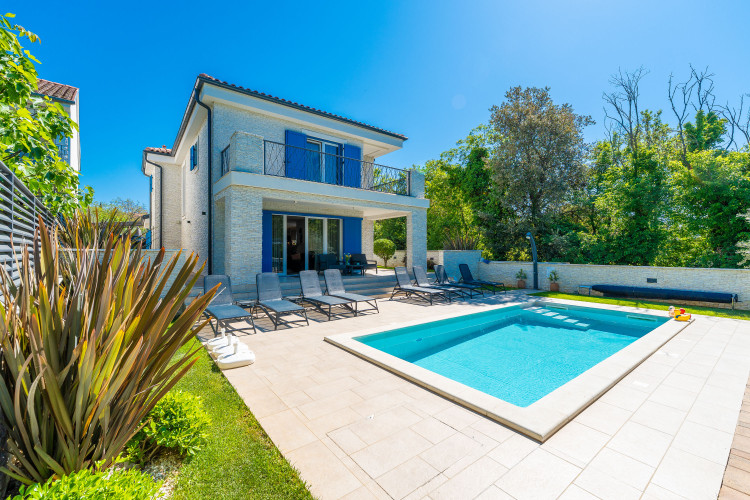
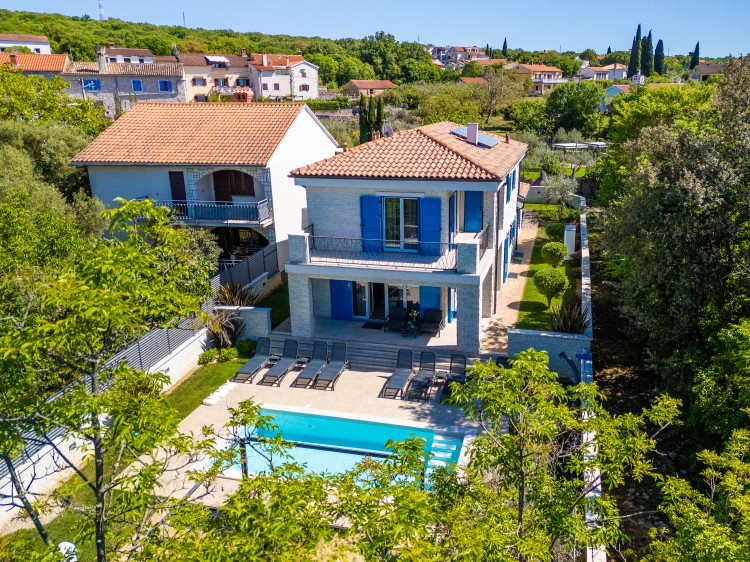
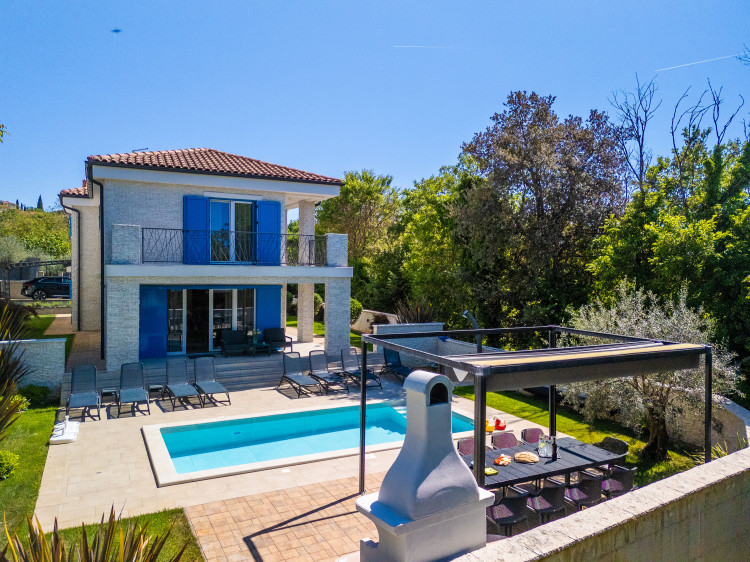
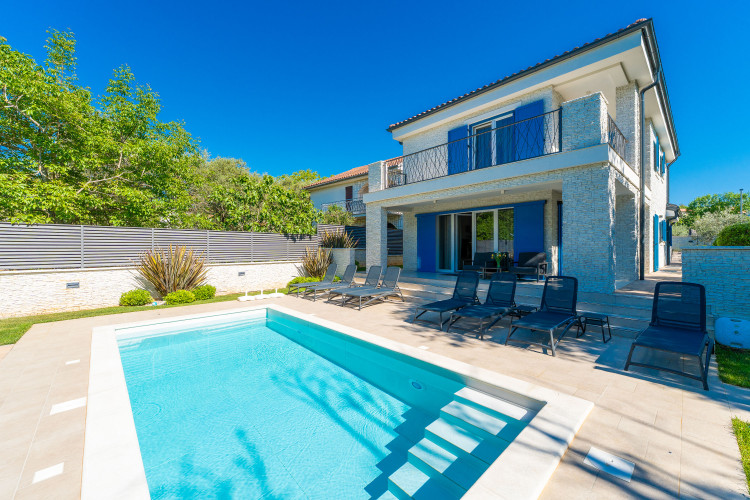
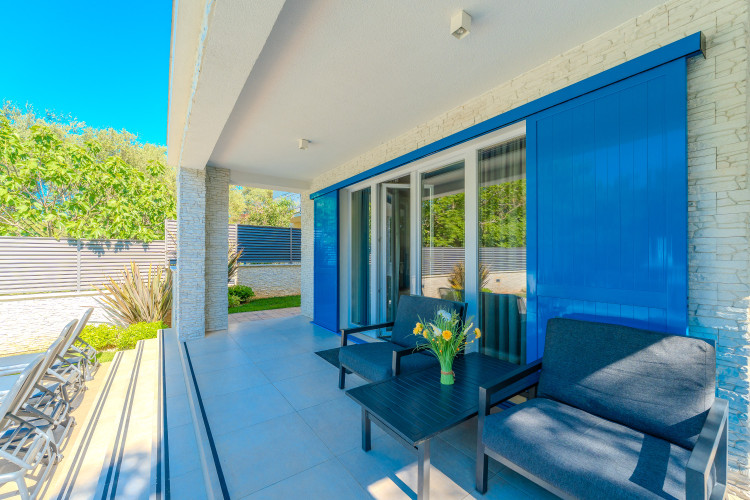
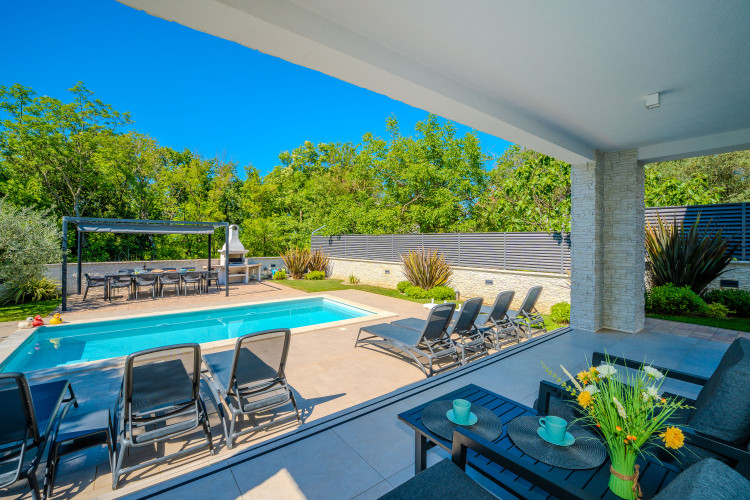
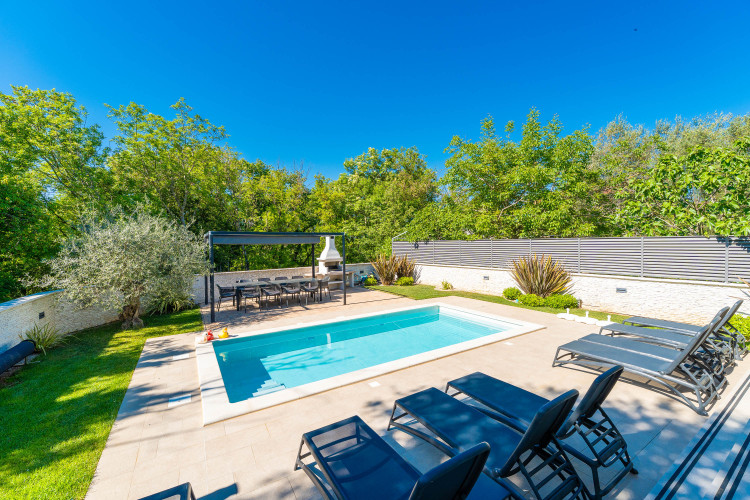
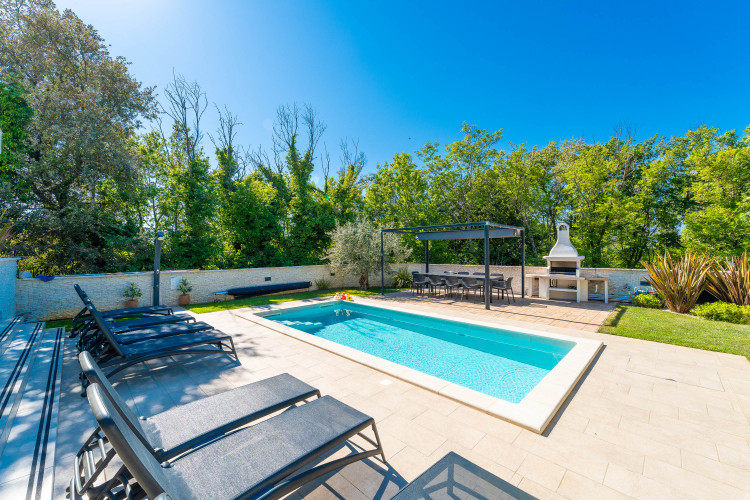
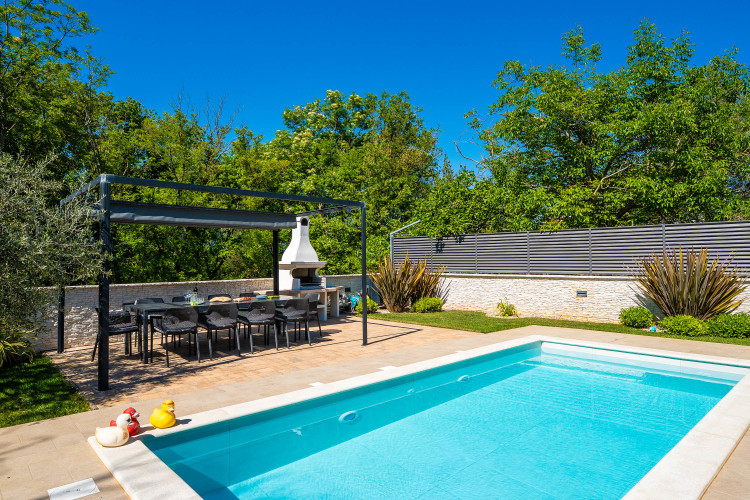
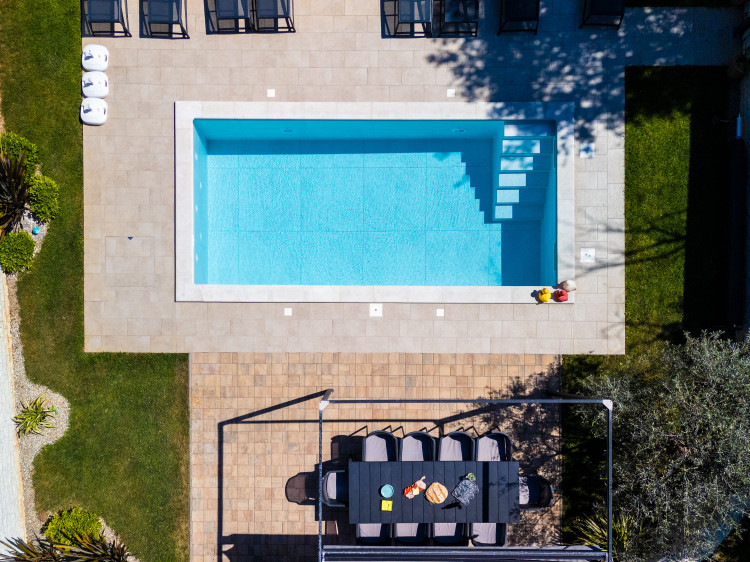
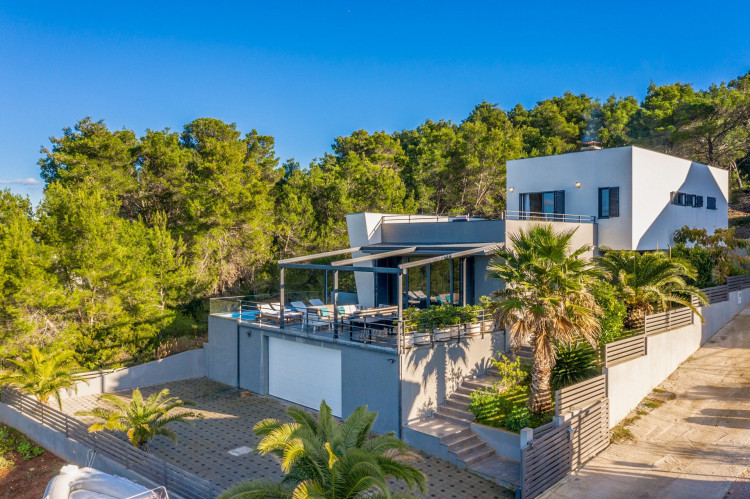
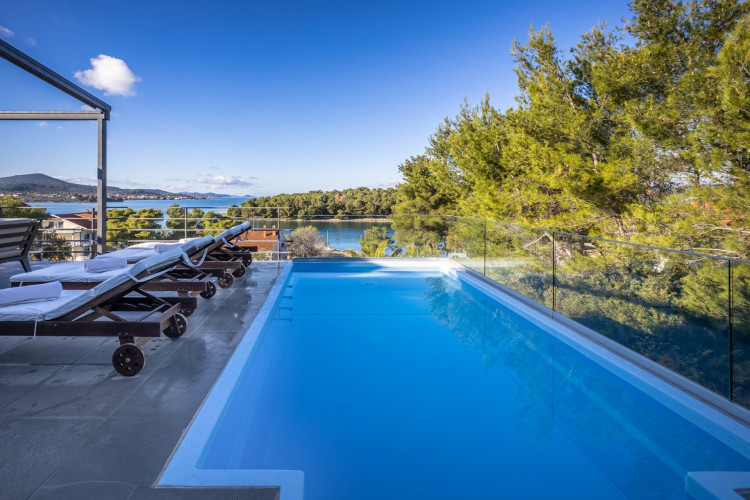
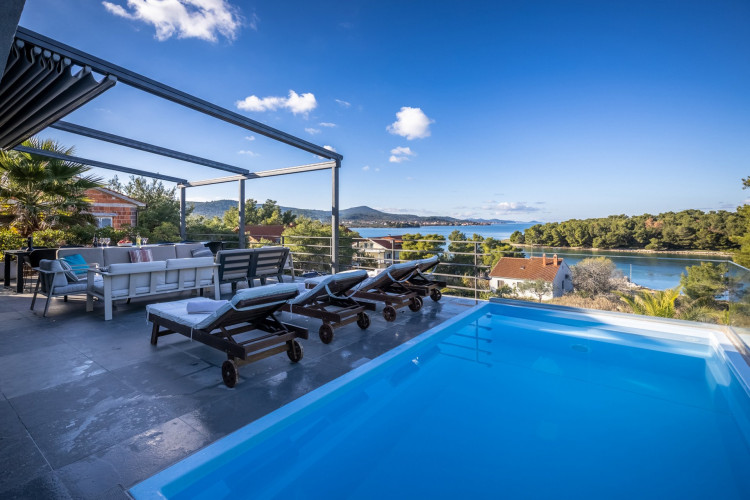
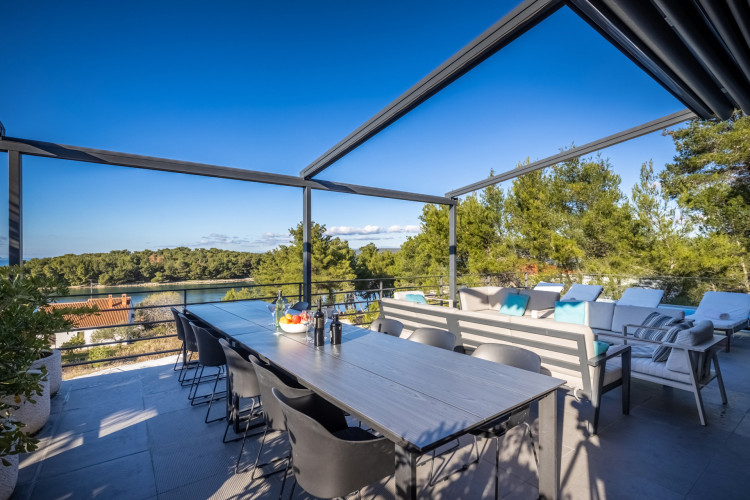
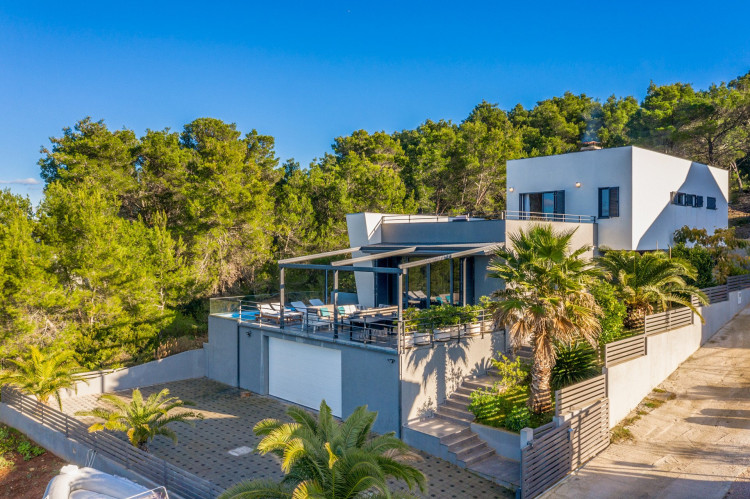
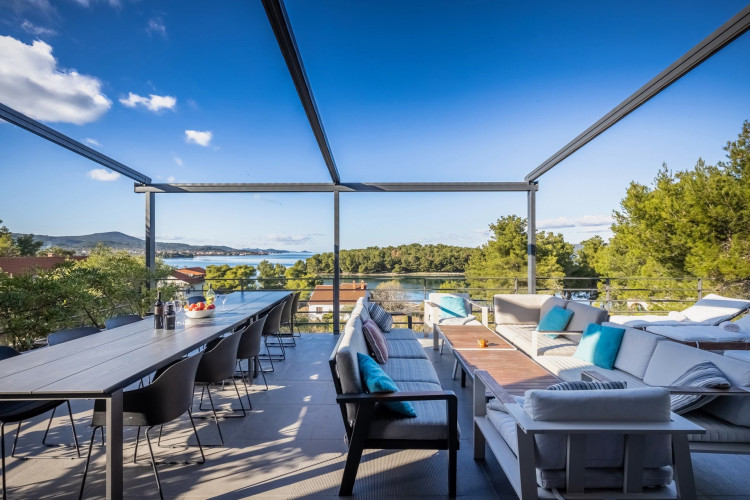
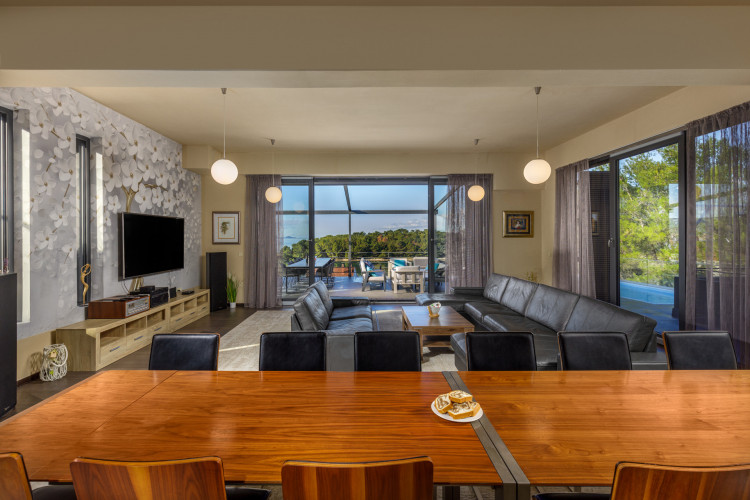
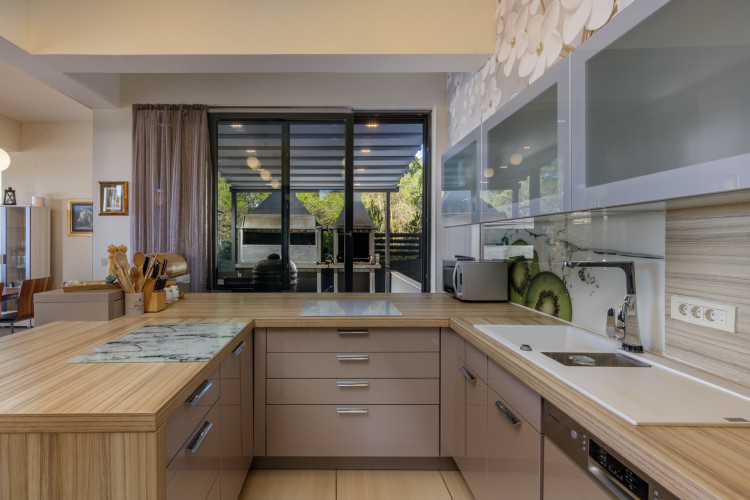
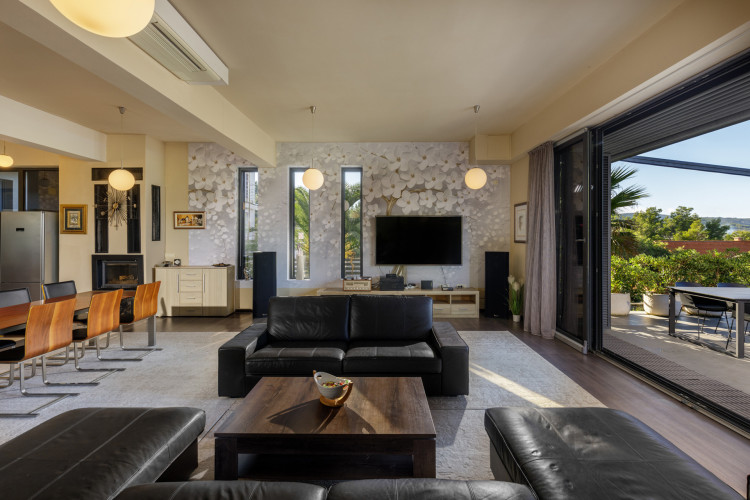
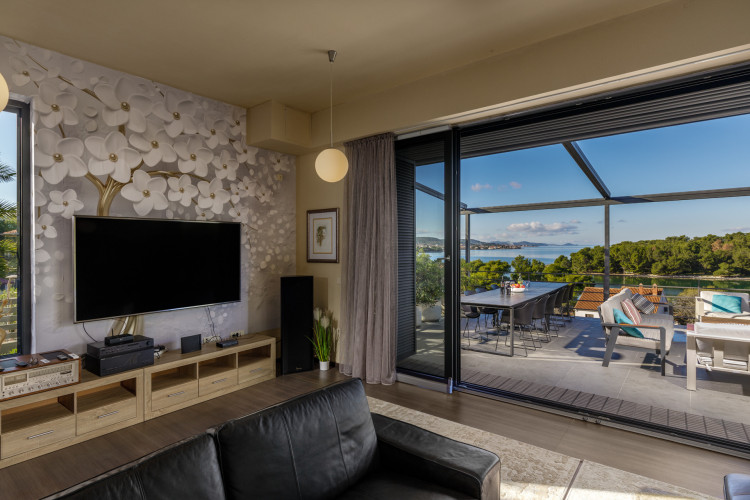
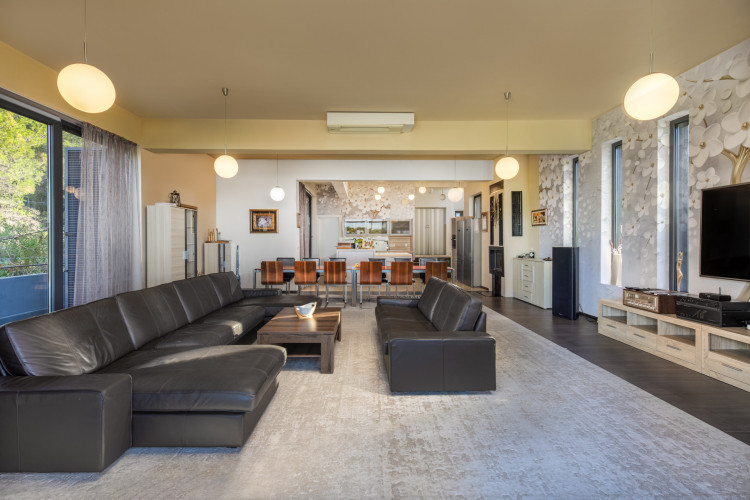
If you are weighing island villas in Croatia against a mainland stay in Split or Dubrovnik, there are a few things to know. The islands offer greater privacy, quieter beaches, superior swimming, and a more relaxed pace, especially during July and August. Add a modern villa, private outdoor swimming pool, and breathtaking sea views, and you're good to go. Croatia has 1,246 islands, islets, and reefs, many within an hour’s catamaran ride from Split. This combination of easy airport access and tranquil villages makes a Croatian island villa rental a practical luxury.
Rent Luxury Villas Croatia features 226 personally inspected villas across the islands, from Krk and Pag in the north to Hvar, Brač, Korčula, Vis, and Šolta in Dalmatia. This guide outlines why the islands merit the additional ferry journey, highlights the differences between each island, details 2026 crossing costs, and shares common guest mistakes. All information is sourced, up to date, and based on first-hand experience.
What Makes Croatia an Unforgettable Island Vacation
Island holidays in Croatia differ from mainland villa stays, and it is good to know these distinctions before booking.
The sea and the beach are the main highlights. Away from city harbors and river mouths, water clarity around the mid-Adriatic islands is always excellent. Croatia ranks among the top European countries for bathing water quality.
Crowds thin out with every nautical mile. Split's old town welcomes cruise passengers and day visitors throughout the season. On Šolta, nine nautical miles away, an August evening in Stomorska means a handful of konoba tables and local families on the promenade. As a rule of thumb, one ferry hop halves the crowd, and two hops (Vis, or the far side of Korčula) reduce it to people who planned to be there.
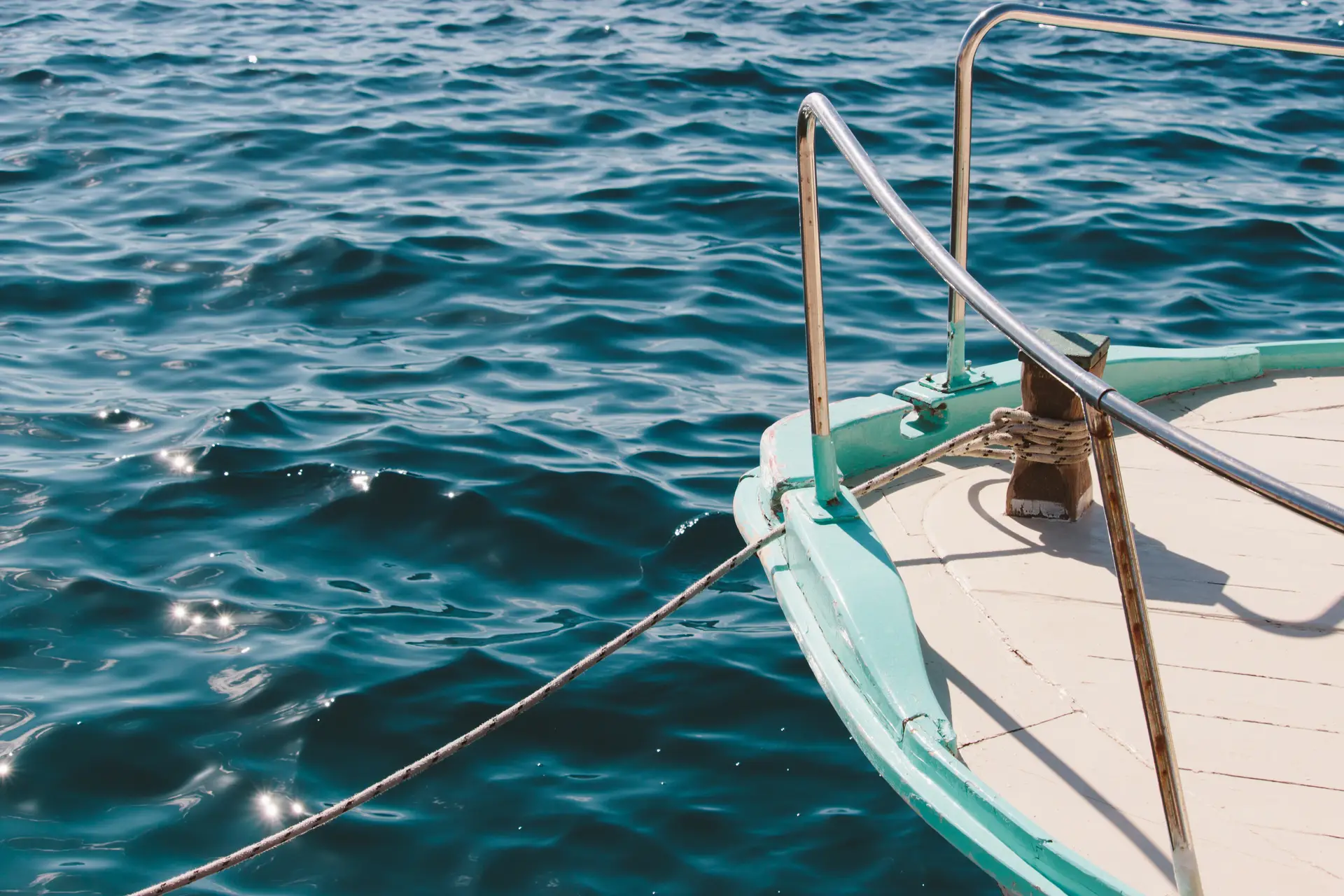 Croatia has one of the cleanest sea waters
Island villas offer more space and privacy due to restricted land use and slower development. This results in more standalone properties on larger plots. Our island portfolio ranges from weekly rates of approximately €1,120 on Brač to €41,300 for estate-level properties. We have options for both value-focused guests and those seeking exclusive, fully staffed villas.
Food is closer to its source. Fish landed in Komiža or Vela Luka is on a menu the same evening. Hvar, Korčula, Vis and Brač each keep their own native grape varieties.
The primary additional cost is the ferry ticket. Prices vary by season and location. Advance planning is essential, as catamarans in July and August often sell out. Guidance on managing this is provided below.
Hvar Island, Brac Islands and Korcula Island Villas
RLVC guests most frequently inquire about Hvar, Brač, and Korčula, each offering distinct advantages. Below is our data-driven explanation for choosing between them.
Hvar: Sun Hours, Wine and Luxury Escape
Hvar has the most hours of sunshine per year in Croatia. It is one of the sunniest places on the Adriatic, with stunning sea views. The season here lasts longer - from May into October. Hvar is also famous for producing some of the finest lavender in the world. Hvar Town is famous for the glamour, a Renaissance main square, the Spanish Fortress above the harbor, and one of Europe's oldest communal theatres. The yacht crowd fills the promenade from June. Water taxis shuttle continuously to the Paklinski Islands, the pine-covered archipelago facing the town.
The island's quieter half could be more interesting for villa guests. Stari Grad is among the oldest towns in Europe, and the agricultural plain behind it has been farmed continuously since Greek times. Jelsa and Vrboska offer a harbor-village life experience. The southern slopes around Sveta Nedjelja produce some of Croatia's most serious red wine - Plavac Mali. It is grown on gradients so steep that some growers reach their vines by boat.
Villas in Hvar offer properties in and around Hvar Town for those who want restaurants and nightlife within reach, and villas in Stari Grad, Jelsa, Vrboska, and Sveta Nedjelja for wine, relaxation, and family swimming.
Expect weekly rates from €2,900 to €7,700 for 6-14 guests. Hvar is a great option if you like the combination of dining, wine, and social life the islands offer. Book earliest of all the islands, because 16 properties across a world-famous island do not last long for August weeks.
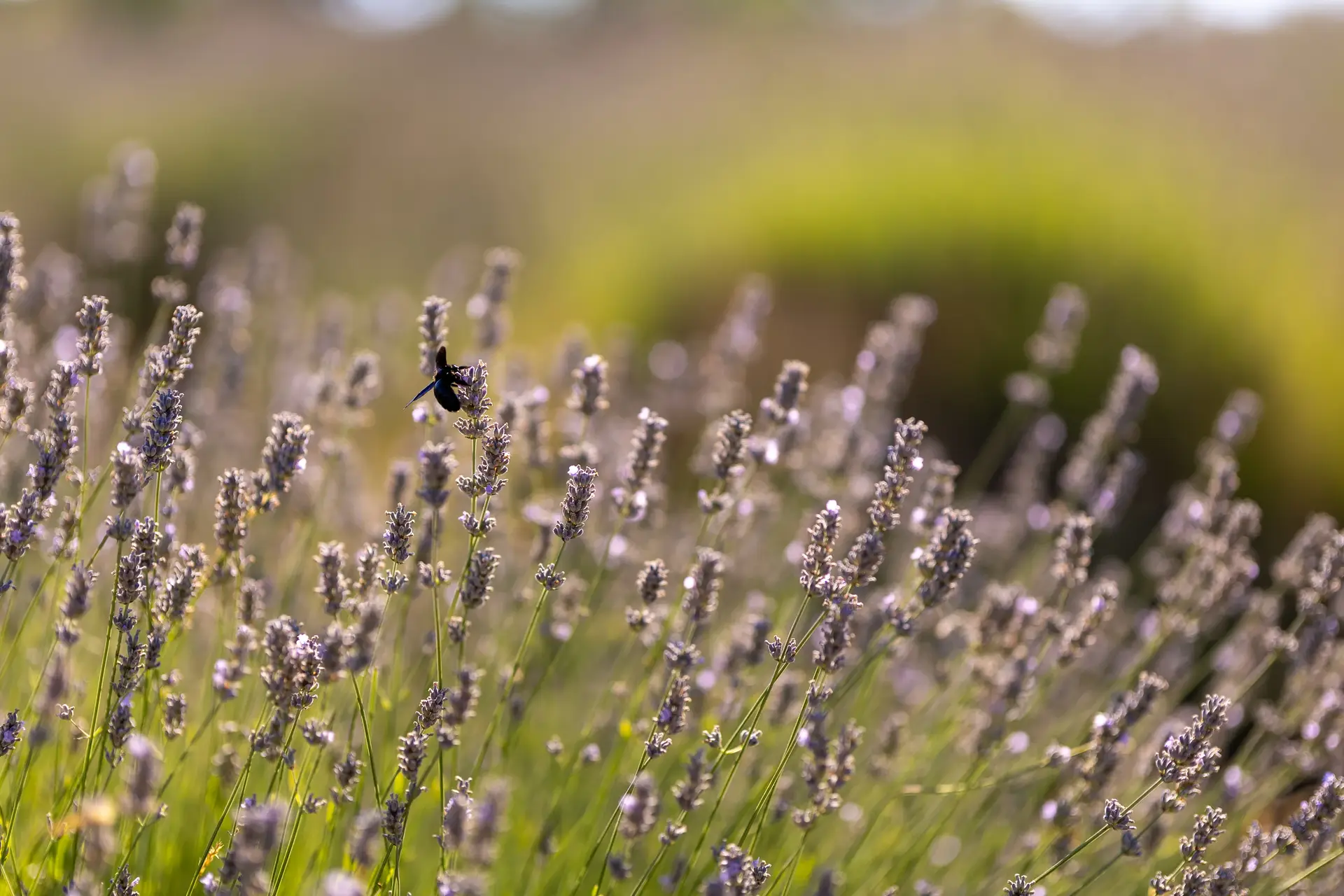 Lavender fields on Hvar island, source
Brač Island: Families and famous Zlatni Rat Beach
Brač is one of the largest Dalmatian islands, and RLVC has 64 villas on Brac in our portfolio. The reasons are practical. The Split-to-Supetar ferry link is one of the most frequent island connections. It takes 20 to 50 minutes with numerous daily crossings. Brač is also the only Dalmatian island with its own commercial airport: Brač Airport (BWK), located above Bol, handles seasonal flights.
The island's icon is Zlatni Rat at Bol, a pebble beach that visibly changes shape with the wind and currents. It is the most photographed beach in Croatia. Bol itself is the island's windsurfing capital thanks to the reliable afternoon wind in the channel between Brač and Hvar. Above the town, Vidova Gora rises to 778 m, the highest peak on any Adriatic island. Inland, Brač is stone country in the most literal sense. The white limestone built Diocletian's Palace in Split, and the town still runs one of the few dedicated stonemasonry schools left in Europe.
Because the portfolio is deep, Brač covers every budget bracket we work with. At July 2026 rates start from €1,120 per week, sleeping two. In Supetar, prices start from €2,520 per week. At the top of the market, you can find a villa for 12 guests, from €16,100 per week, and a villa for 8 guests, from €41,300 per week. These properties operate at full estate level.
Pick Brač for convenient family logistics, excellent beaches, and value. Brač offers the most options for large groups (12-16 guests).
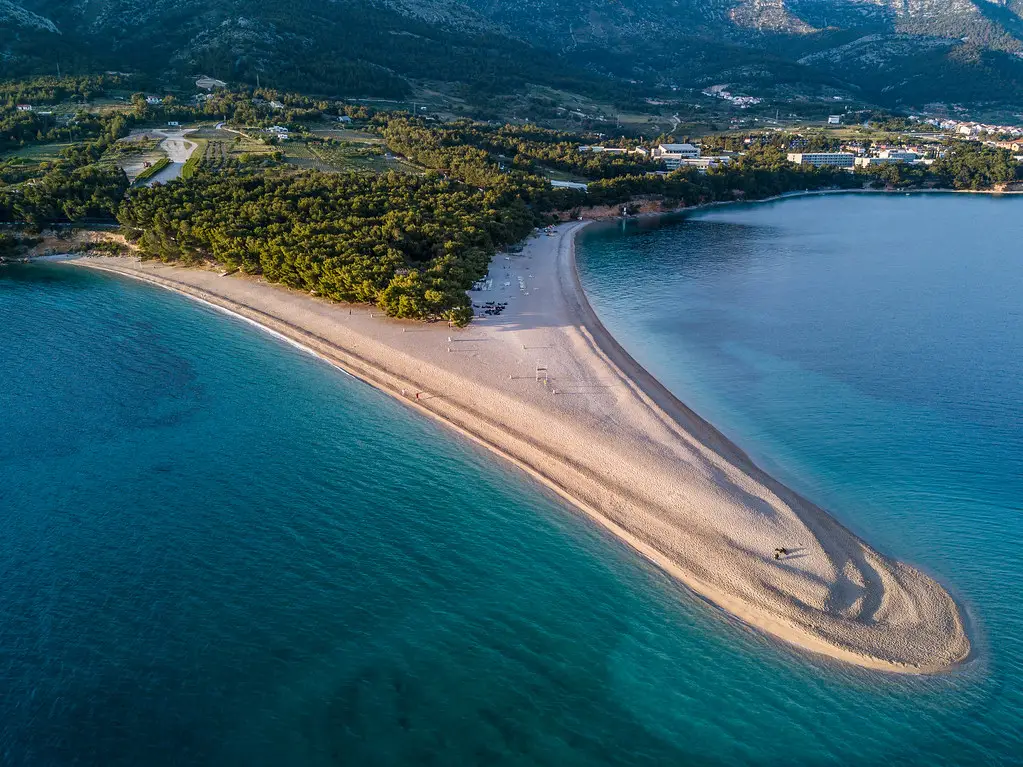 Zlatni Rat beach
Korčula: The Medieval Island That Rewards the Longer Trip
If you like exploring the islands, visit Korčula. The walled old town is the best-preserved medieval settlement on the Croatian islands. Local tradition holds it to be the birthplace of Marco Polo, and the town keeps alive a tradition found nowhere else: the Moreška sword dance. It has been performed here since the 17th century and staged for visitors on summer evenings.
For wine lovers, Korčula may be the single best island. The villages of Čara and Smokvica grow Pošip, the white that dominates good Dalmatian wine lists. The fields of Lumbarda grow Grk, a grape cultivated almost exclusively in that one village.
Beach-wise, Korčula breaks the Croatian pebble rule: Vela Pržina beach and Bilin Žal near Lumbarda are true sand, and Pupnatska Luka on the south coast is regularly listed among the best coves in the Adriatic. The uninhabited islet of Proizd off Vela Luka is a swim-stop that locals guard jealously.
Since the Pelješac Bridge opened in July 2022, it is easy to drive from Split or Dubrovnik to Orebić (Pelješac) without crossing the Bosnian border. After that, take the 15-minute Orebić-Dominče car ferry. By sea, catamarans from Split take 2 h 20 min to 3 h 40 min, and from Dubrovnik around 1 h 40 min.
Our Korčula collection runs to 16 properties concentrated around Korčula Town and the south-coast bays of Čara and Prizba.
Weekly rates run from approximately €2,660 (sleeps 6) to €8,400 (sleeps 12). Korčula is a great choice for its history, wine, and sandy beaches. The longer transfer helps ensure a quieter experience.
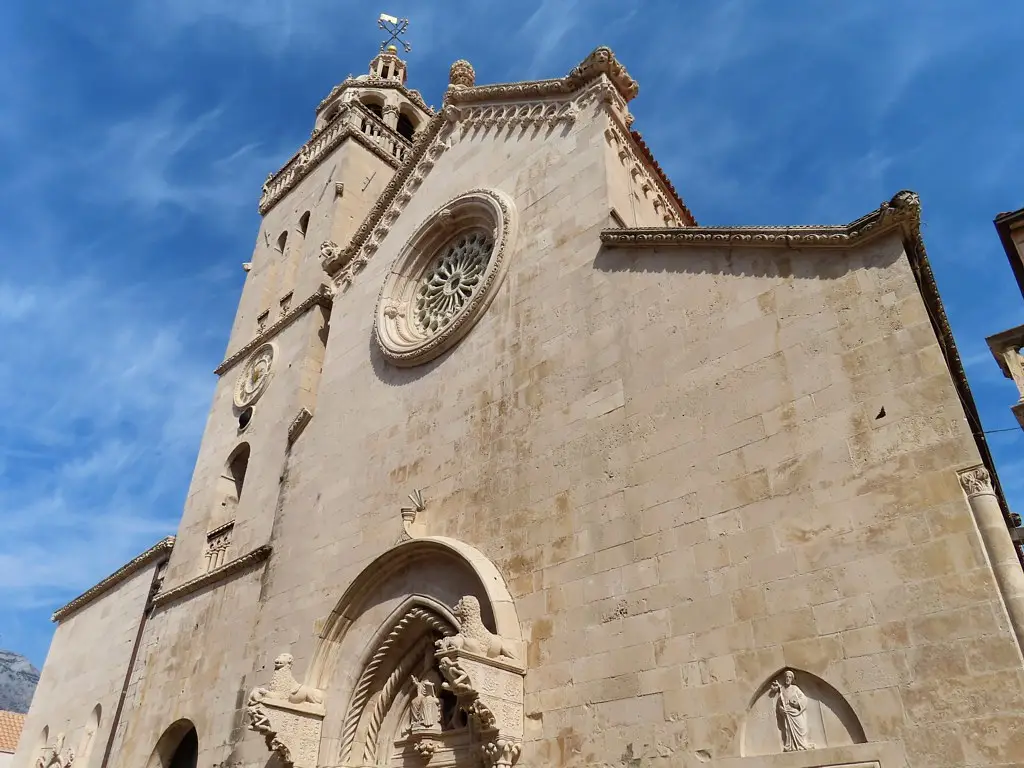 The Cathedral of St. Marc on Korčula
Secluded Dalmatian Island Villas: Vis, Šolta and the Quiet Mediterranean Coasts
Many guests seek alternatives to the most popular islands. Increasingly, experienced visitors request secluded island villas in Croatia, preferring tranquil settings over busy beach bars. Two islands stand out for this experience.
Vis: The Perfect Island Vacation
Vis is the most distant inhabited island off the central Dalmatian coast. During Yugoslavia, it was a military base, and the island was closed to foreign visitors until 1989. Mass tourism infrastructure was never built, so Vis entered the 1990s with its fishing economy, its vineyards and its two stone towns intact.
Vis Town wraps around one of the finest natural harbors in the Adriatic. On the western shore is Komiža - a picturesque fishing town where menus follow the daily catch. The island grows Vugava, its own white grape, and serves some of the best peka (slow-cooked lamb or octopus under an iron bell).
The coast holds two of Croatia's most famous natural sights: Stiniva cove, reachable by boat or a steep 20-minute scramble, and the Blue Cave on Biševo islet. Don't miss this magical place. Many tour operators run daily excursions. Entry is paid in cash on the island (around €24 for adults in 2026).
Film buffs will recognize half the island: Mamma Mia! Here We Go Again was shot on Vis in 2017, standing in for the fictional Greek island.
The car ferry from Split takes about 2 h 20 min, and the catamaran roughly 1 h 25 min. In high summer, both fill up fast. Our Vis portfolio is small and specific. We have 7 properties with weekly rates from €3,920 to €6,730. These properties prioritize location and tranquility over luxury finishes. Guests who stayed on Vis tend to rebook at the highest rate among all our islands.
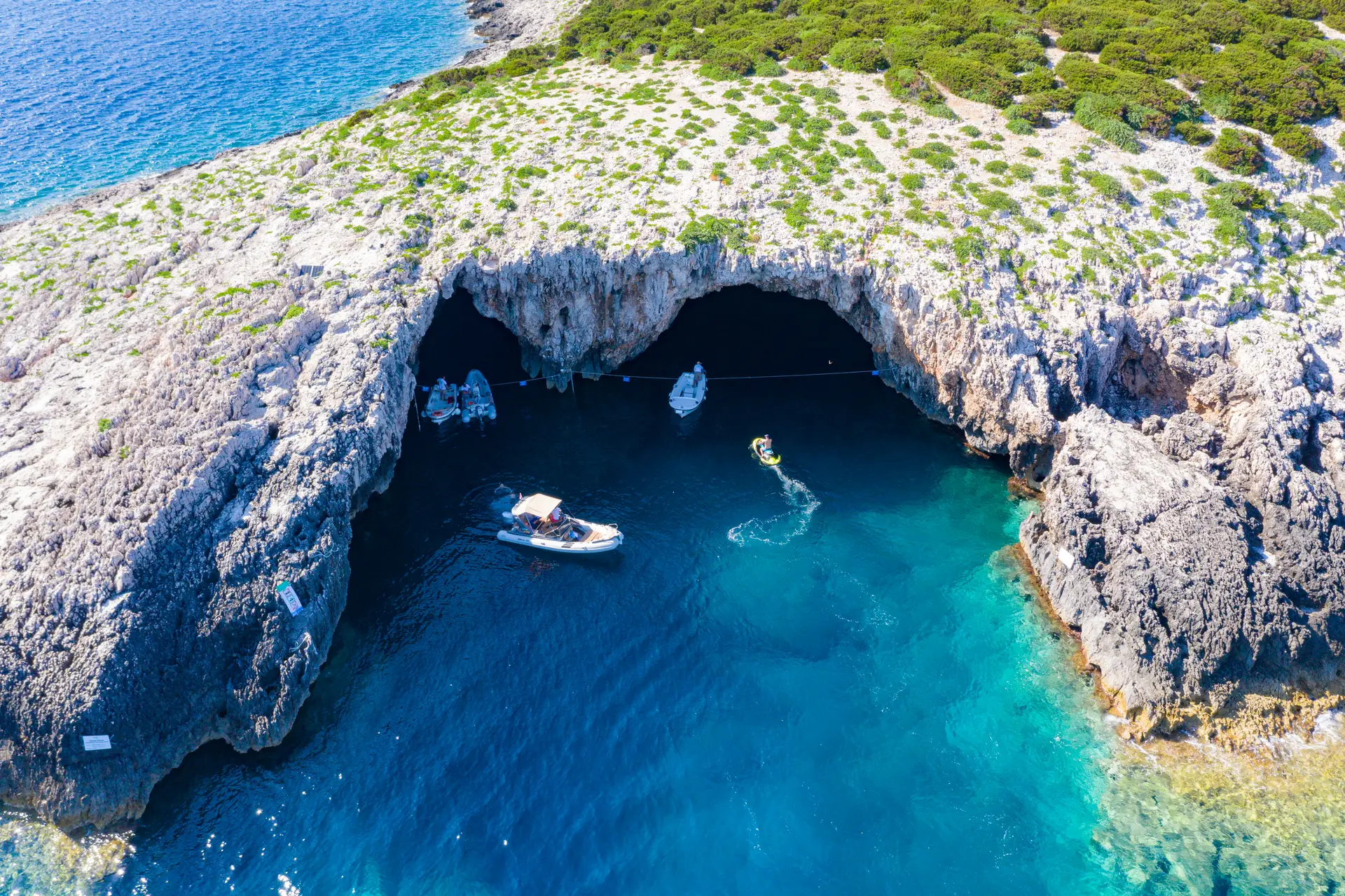 Blue Cave
Šolta: Nine Miles from Split, Away from the Crowds
The ferry from Split to Rogač on Šolta takes only 30 minutes. Yet, the island receives a small fraction of the visitors. Šolta never built hotels at scale, so tourism remains rooms, konobas, and family boats. Maslinica on the west coast, with its islet-studded bay, is the postcard. Stomorska is the yachting village. Inland, Grohote is the center of the island's olive oil production.
For villa guests, Šolta offers a unique advantage. Arrive at Split Airport by noon and swim in the Adriatic Sea before dinner. We currently offer two properties, both under €200 per night per family in the shoulder season. Šolta represents the best-value introduction to island life in our portfolio.
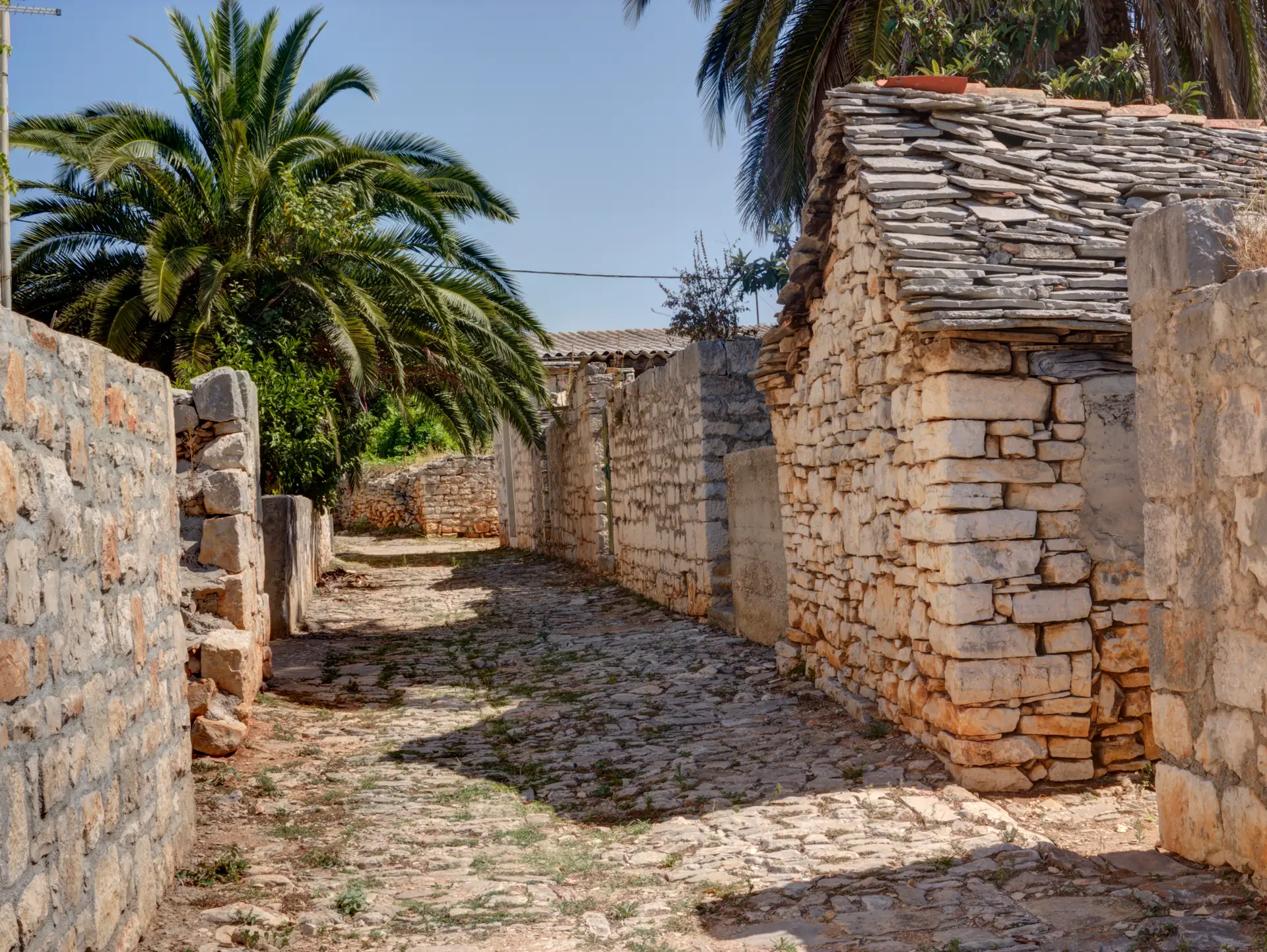 Grohote on Šolta
Beyond Dalmatia: Adriatic Island Villas North of Split
The Adriatic island villas story does not stop at the central Dalmatian channel. For some travel plans, the northern islands work better. Krk is connected to the mainland by a bridge. Rijeka Airport is on the island itself, so it is the island you can reach without a ferry or a crossing of any kind.
Pag, half-connected by bridge in the south, produces Croatia's most famous cheese, Paški sir, aged in salt-wind pastures. Off Zadar, Ugljan and Pašman offer channel views back to the old town. Mali Lošinj in the Kvarner archipelago has a legitimate claim to the best air quality in Croatia, a spa-town heritage dating to Habsburg health tourism. Our island collection covers all of these, including properties on Krk Island (from €4,900 per week) and on Mali Lošinj (from €12,600 per week)
*Please note that all prices depend on the season and number of bedrooms. The higher the season, the higher the price goes. Browse the full set on the Croatian island villas page.
Getting to the Islands: Flights, Ferries and Prices in 2026
Logistics are often the deciding factor for island holidays. Below are the relevant figures as of July 2026.
Flights
For the central Dalmatian islands, Split Airport (SPU) is the gateway. For Korčula, Dubrovnik Airport (DBV) is equally valid thanks to the fast catamaran service to the north. Brač has its own seasonal airport at Bol (BWK), useful for connections via Zagreb.
Ferry Routes for Villa Guests
| Ferry route | Vehicle | Time | Price |
| Split → Hvar Town | Catamaran (foot only) | approx. 1 h | €25 |
| Split → Stari Grad (Hvar) | Car ferry | approx. 2 h | varies by vehicle (€8,5 to €9) |
| Split → Supetar (Brač) | Car ferry + catamaran | 20-50 min | from €6.50 to €10 |
| Split → Vela Luka / Korčula | Catamaran | 2 h 20 min - 3 h 40 min | from €11 |
| Dubrovnik → Korčula | Catamaran | approx. 1 h 40 min | from €25 to €30 |
| Orebić → Dominče (Korčula) | Car ferry | approx. 15 min | varies by vehicle (€3,50 to €4,50) |
| Split → Rogač (Šolta) | Ferry/catamaran | 30-60 min | from around €5,50 |
| Split → Vis | Car ferry/catamaran | approx. 2 h 20 min / 1 h 25 min | €9,10 |
Car Ferry or Catamaran? A Local Rule of Thumb
Catamarans are faster and arrive in town centers, but they are limited to foot passengers, require reserved seats, and popular summer sailings sell out in advance. Car ferries are slower, rarely sell out for foot passengers, and are necessary if you bring a vehicle. August queues require arriving 60-90 minutes early at Split.
RLVC advice: for Hvar Town, Korčula Town, and Vis, travel as foot passengers and pre-book catamarans once your villa is confirmed. For Brač or villas outside walking distance of a town, bring a car or arrange a hire car on the island.
When to Go: Month-by-Month on the Islands
The islands run a longer season than most guests expect, and the shoulder months are where the value sits. Sea temperatures below are for the central Dalmatian channel around Hvar and Brač.
| Month | Temperature | Sea temperature | Activities | Prices |
| May | 18-24°C | 17-19°C | Wildflowers, empty coves and first swims for the brave. Some restaurants still closed on Vis and Šolta. | 35-45% below peak |
| June | 23-29°C | 20-23°C | Arguably the best month. Everything is open, the sea is warm, and catamarans are not yet full. | 20-30% below peak |
| July | 26-32°C | 23-25°C | Full season. Hvar Town at maximum energy, Moreška performances on Korčula. Every ferry is busy. | Peak |
| August | 27-33°C | 24-26°C | Hottest and busiest. Book ferries and restaurants ahead. Secluded islands earn their keep now. | Peak |
| September | 21-27°C | 22-24°C | Warm sea and grape harvest on Korčula and Hvar. Crowds are gone by mid-month. RLVC's favorite. | 25-35% below peak |
| October | 17-22°C | 19-21°C | Still swimmable early on. Olive harvest on Šolta and Brač. Quiet, local, and cheap. | 40-50% below peak |
Our recommendation for family holidays goes to late June or the first half of September. You can enjoy warm swimming conditions without the crowds, and villa rates are 25-35% lower than in August. For wine enthusiasts, September on Korčula during the Pošip harvest is the highlight of the island calendar.
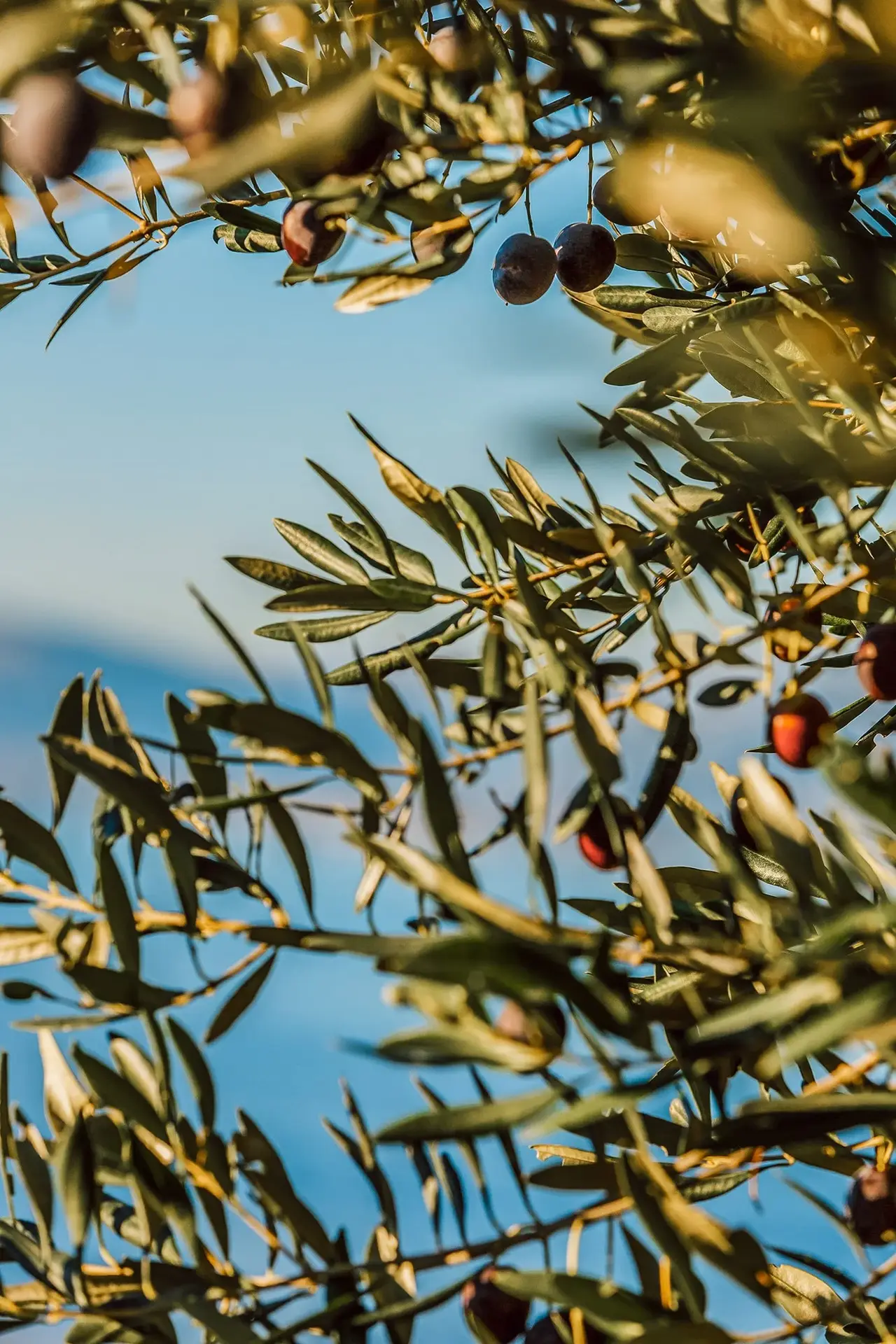 Olive harvest in Supetar, source
Local Tips From Our Team
These are the recommendations we share with our loyal clients.
- After securing your villa, book your catamaran tickets as soon as possible. Reserved-seat catamarans (Krilo, TP Line, Jadrolinija fast lines) open bookings weeks in advance and sell out quickly for July and August.
- Pay attention to wind forecasts. Strong bura (north-east) or jugo (south) winds can occasionally cancel catamaran sailings, while larger car ferries typically continue to operate. If you have a morning flight, return to Split the evening before or use the car ferry. On foot-passenger islands, order pre-arrival grocery stocking through us instead. Most of our villas offer it with 48 hours' notice.
- Order peka at least three hours in advance. This signature dish (lamb, veal, or octopus slow-cooked under an iron bell) is prepared to order at konobas on Vis, Brač, and Korčula. Call at lunchtime to reserve for dinner, or the day before for lunch.
- Plan your visits to popular sights outside peak day-trip hours. Zlatni Rat, Stiniva, and the Blue Cave receive speedboat tours from Split and Hvar between 10:00 and 16:00. Staying on the island allows you to enjoy these locations early in the morning or in the evening, often alongside locals. This is a key benefit of an island villa stay.
- Carry cash, as smaller konobas, market stalls, and the Blue Cave entrance primarily accept cash payments. ATMs are available in every ferry port town, but are less common in interior villages.
- If your travel dates are flexible, consider visiting during the grape harvest in mid-September on Korčula and Hvar, or the olive harvest in October on Šolta and Brač. These periods offer the most authentic island experiences, and several producers welcome villa guests for tastings. Our concierge can arrange private visits.
Why Book Luxury Croatian Villa on an Island with RLVC
A villa rental on an island involves more logistics than a mainland booking. This is where a local agency provides significant value.
All properties are personally inspected. Every villa is visited, photographed, and verified by our team. On islands, where immediate support is less accessible, this thorough verification is especially important.
Local support in local time. RLVC is based in Croatia and offers support by phone, WhatsApp, and email. Private chefs (from €300-500 per day plus ingredients), pre-arrival grocery stocking, and winery visits can be arranged routinely for our island properties. Tell us your dates and party size, and we will tell you which island fits.
Booking is straightforward. A 30% deposit secures your villa, with the balance due 30 days before arrival. Payments are processed through PCI Level 1 certified systems (Visa, Mastercard, PayPal, WSpay). Full details are available on our Terms and Conditions.
Start with the full Croatian island villas collection, or jump straight to Hvar, Brač, Korčula, Vis or Šolta. For a wider comparison of destinations, see our guide to the top 5 Croatian islands for luxury villa vacations.